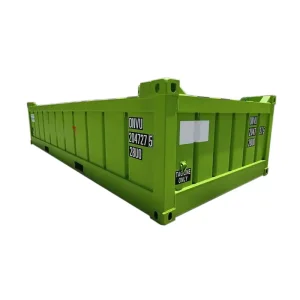
Standard & Custom Lined Shipping Containers
Direct-from-factory procurement specifications for cold chain, intermodal bulk freight, and engineered containment vessels.
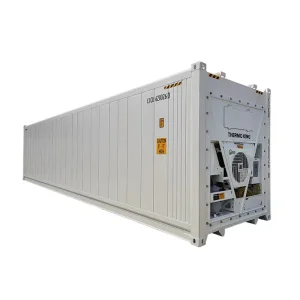
OEM New 40ft High-Cube Certified Reefer Shipping Cargo Container Pricelist, Product
Request Specs & Quote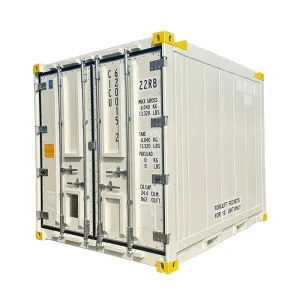
High-Quality New 10ft Certified Thermo King Freezer Container Exporter, Manufacturers
Request Specs & Quote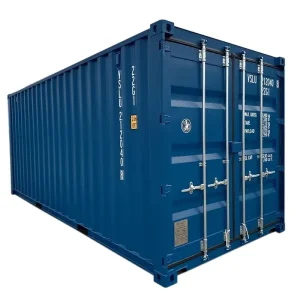
Buy New 20ft Double Door Dry Cargo Shipping Container Products, Manufacturers
Request Specs & Quote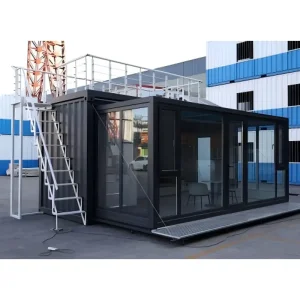
Famous 20ft Foldable Prefab Modular Homes Mobile Expandable Container House Prefabricated House with Bathroom Manufacturer, Exporters
Request Specs & Quote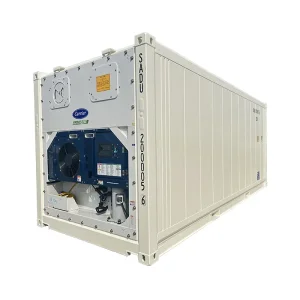
High-Quality New 40ft High Cube Carrier Refrigerator Freezer Cold Room Product, Exporters
Request Specs & Quote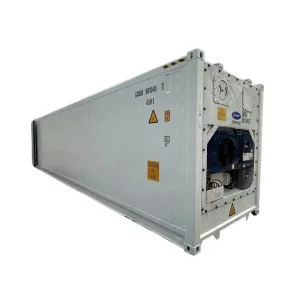
Buy Ninety Percent New Used 40ft HC Carrier Refrigerated Container Product, Quotes
Request Specs & Quote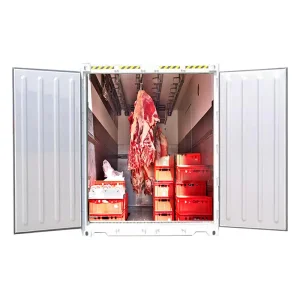
High-Quality Brand new hanging meat container for low temperature fresh transportation Pricelist, Products
Request Specs & Quote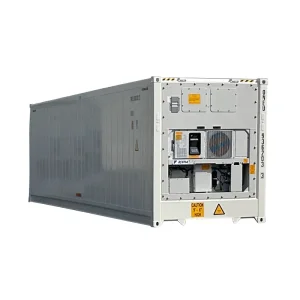
OEM New 40ft High-Cube Daikin Freezer Container Cold Storage Room Manufacturer, Products
Request Specs & QuoteThe Engineering Paradigm of Lined & Barrier Shipping Containers
Evaluating structural integrity, thermal retention, and chemical mitigation across modern maritime and intermodal operations.
In global intermodal logistics, standard Cor-Ten steel dry vans frequently prove inadequate when cargo requires tight atmospheric regulation, stringent sanitary barriers, or isolation from corrosive media. Lined containers—ranging from food-grade stainless steel (SUS304/SUS316) interiors and Glass-Reinforced Plastic (GRP) linings to high-density polyurethane (PU) thermal envelopes—represent the vanguard of secure asset movement. As global regulatory bodies such as the International Maritime Organization (IMO), FDA, and European Chemical Agency (ECHA) enforce tighter supply chain protocols, procurement directors must evaluate container acquisitions through the lens of thermodynamic efficiency, cycle life durability, and chemical compatibility.
1. Global Commercial Status: Structural Shift Toward Specialized Containment
The contemporary shipping environment is undergoing rapid recalibration. Transpacific, Transatlantic, and Eurasian rail corridors are experiencing an unprecedented surge in high-value, sensitive cargo movements. From raw pharmaceutical active ingredients (APIs) and lithium battery materials to agrochemical formulations and halal/kosher liquid foodstuffs, the vulnerability of goods inside generic containers has necessitated engineered barrier solutions. Industry research indicates that condensation damage—commonly known as 'container rain'—and ambient thermal shock account for over $4.2 billion in annual commodity write-offs. By integrating factory-installed structural liners, industrial shippers mitigate loss variables at the structural level rather than relying on transient single-use packing solutions.
2. Comparative Engineering Matrix: Interior Lining Material Classifications
Selecting the optimal container liner configuration requires an engineering audit of cargo density, pH variance, thermal sensitivity, and handling abrasiveness. Below is the operational comparison of primary lining architectures deployed by top-tier manufacturers:
| Lining Architecture | Core Construction Material | Thermal Conductivity (λ) | Corrosion / Chemical Barrier | Target Cargo & Industrial Usage |
|---|---|---|---|---|
| Hygienic Cold Chain (Reefer Grade) | SUS304 Stainless Steel interior + High-Pressure Polyurethane foam core | 0.022 – 0.028 W/(m·K) | Immune to organic acids, saline moisture, frequent caustic washdowns | Meat hanging transit, marine seafood, biologics, deep frozen dairy products |
| GRP / FRP Insulated Panels | Continuous filament glass-fiber reinforced plastic + XPS/PU core | 0.028 – 0.035 W/(m·K) | Resistant to mild alkaline/acid vapor, non-conductive, zero rust | Pharmaceutical distribution, electronics, temperature-sensitive chemicals |
| Industrial Polymeric Barrier | High-Density Polyethylene (HDPE) / Polypropylene welded liners | 0.30 – 0.45 W/(m·K) | Broad chemical resistance (pH 1–14), fluid impermeable | Bulk mineral slates, fine specialty chemicals, resin pellets, agricultural seeds |
| Heavy-Duty Anti-Corrosive Epoxy | Phenolic novolac multi-coat baked enamel / solvent-free epoxy | N/A (Surface Barrier) | High abrasion tolerance, prevents rust blistering from volatile fumes | Dangerous goods class transit, offshore drill site tooling, mining concentrate |
China Factory Efficiencies & Port Cluster Advantages
How integrated manufacturing clusters in Tianjin and Suzhou redefine speed-to-market and total cost of ownership (TCO) for global enterprise fleets.
Vertically Integrated Supply Ecosystem
With direct sourcing lines to Baosteel Corten plate, automated foaming jigs, and localized partnerships with Carrier, Daikin, and Thermo King, manufacturing downtime is mitigated, enabling short-run customization with rapid turnaround.
Direct Deep-Water Port Access
Strategically positioned less than 100 km from major container terminals in Tianjin and Shanghai/Taicang. This eliminates substantial domestic drayage expenses and ensures immediate CSC certification inspection directly onto mother vessels.
Classification Society Compliance
All custom lined, reefer, and offshore units are audited under strict Bureau Veritas (BV), ISO 9001, and DNV 2.7-1/EN 12079 design criteria. Every weld, lining joint, and gas-tight gasket is pressure and defect verified before export.
Localized Applications: From Farmland to Deep-Sea Exploration
The operational application of lined shipping containers varies distinctly across target markets:
Sub-Saharan Africa & Latin America: Extreme ambient heat and prolonged overland delays pose acute spoilage risks for agricultural exports. Lined and passive insulated 40ft High Cube containers serve as mobile precooling and staging hubs, preventing harvest loss without requiring immediate electrical grid connectivity.
European & North American Chemical Corridors: Shippers transporting hazardous liquid totes or sensitive resin granules demand containers lined with non-sparking, chemical-resistant polymers equipped with localized floor drainage basins and specialized ventilation ports to meet strict COSHH and OSHA safety standards.
Offshore Energy Sectors (North Sea, Gulf of Guinea): Standard containers corrode within months under salt spray and dynamic vessel acceleration. DNV-certified lined offshore containers feature zinc-rich epoxy primers combined with interior thermal and vapor barriers to protect sensitive downhole diagnostics and heavy extraction gear.
Industry Trends & Enterprise Procurement Strategy
Navigating decarbonization, smart telematics, and circular lifecycle economics in modern fleet asset management.
1. Transition Toward Recyclable & Bio-Based Polyurethane Cores
Corporate ESG commitments are driving container manufacturers to phase out fluorocarbon-heavy blowing agents in favor of high-performance cyclopentane and water-blown insulation formulations. New thermal lining designs are moving toward modular repairability: if an internal wall is gouged by a forklift blade during pallet unloading, modular GRP or stainless panels can be hot-swapped within hours, eliminating the need to discard the entire thermal box.
2. Embedded Telematics and IoT Internal Atmosphere Sensors
Next-generation lined shipping units now integrate embedded micro-sensor matrices beneath the lining subfloor. These monitor continuous relative humidity, thermal bridges, structural wall deflection, and volatile organic compound (VOC) outgassing. Logistics directors can trace container atmospheric stability in real time via satellite uplink, avoiding cargo dispute liability before the doors are opened at destination ports.
3. Strategic Procurement Guidance: Avoiding Common Sourcing Pitfalls
When purchasing lined containers at scale, international buyers should observe the following verification checklist:
- Check CSC Plate Rating: Confirm that modifications to interior linings, extra insulation, or structural side doors have not reduced the approved stacking capacity (typically 192,000 kg for standard 9-high ISO stacks).
- Audit Thermal Bridging: Request infrared thermographic factory test certificates on insulated models to ensure zero cold-bridge hotspots along the bottom side rails and corner castings.
- Verify Flooring Seal Integrity: For food or chemical transport, ensure that the junction between the vertical lining and the container floor features an extruded, continuous welded cove to prevent liquid ingress into the sub-floor insulation.
Frequently Asked Questions on Lined Containers
Authoritative engineering answers regarding custom linings, fabrication standards, and international shipping logistics.
A purpose-built reefer container integrates an active mechanical refrigeration machinery unit (such as Carrier, Daikin, or Thermo King) along with deep floor T-bars to actively refrigerate air down to -30°C or lower. A lined dry container typically utilizes passive insulation (such as polyurethane, mineral wool, or GRP sheets) with stainless or food-grade panels to mitigate temperature spikes, prevent condensation, and withstand caustic washing without the capital expense and mechanical maintenance of an active refrigeration compressor.
Yes. We specialize in bespoke OEM and ODM container fabrication. Shippers providing cargo Material Safety Data Sheets (MSDS) can specify high-grade austenitic stainless steel linings (SUS304 or SUS316L), full fluoropolymer coatings, integrated containment bunds for chemical spill control, explosive-proof side-opening doors, and high-volume passive ventilation ports tested to DNV and BV classification criteria.
Depending on the insulation thickness (ranging from 50mm to 100mm per wall), interior width is reduced by approximately 100–200mm and internal height decreases by 80–150mm. For a 40ft High Cube container, internal volume typically shifts from 76.3 m³ down to approximately 66.5–68.0 m³. The tare weight increases by approximately 800 to 1,800 kg depending on whether steel or lightweight composite panels are installed, while remaining strictly within the ISO Maximum Gross Mass limit of 30,480 kg or 34,000 kg.
All containers are delivered with a valid CSC (Convention for Safe Containers) safety approval plate. Depending on the specified build, classification certificates from Bureau Veritas (BV), American Bureau of Shipping (ABS), or China Classification Society (CCS) are provided. Units intended for offshore support fulfill DNV 2.7-1 / ISO 10855 lifting and design certifications.
For pre-certified standard units (used and new reefers, standard dry containers) held at Tianjin, Qingdao, and Shanghai depots, release occurs within 3 to 7 business days following payment confirmation. Custom OEM/ODM runs requiring specific insulation tooling or chemical liner welding generally operate on a 25 to 35-day manufacturing cycle from engineering blueprint sign-off.
Specialty, Modular & Certified Heavy-Duty Fleet Units
Certified equipment available for immediate port dispatch and specialized intermodal deployment.
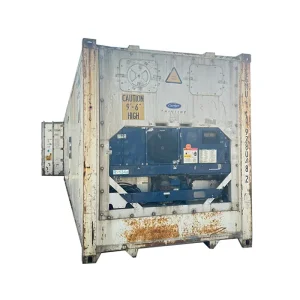
China Used 40ft High-Cube Certified Reefer Container Pricelist, Exporter
Request Specs & Quote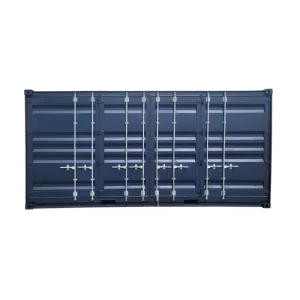
High-Quality New 20ft Customized Side Door Dry Cargo Shipping Container Factory, Product
Request Specs & Quote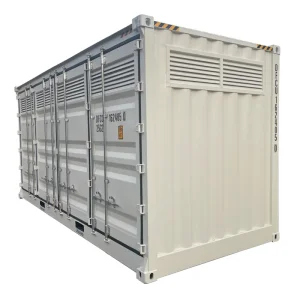
Famous 20FT High-cube Dangerous Goods Container Side Open Door with Ventilation Opening Manufacturer, Exporter
Request Specs & Quote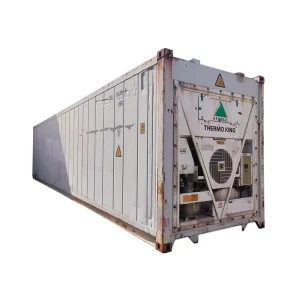
ODM New 40ft Refrigerated Freezer Container for Sale Factory, Exporter
Request Specs & Quote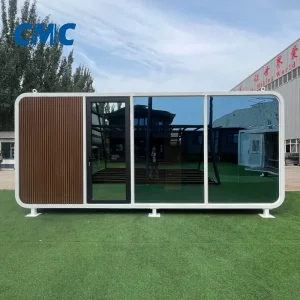
Famous 20ft Prefab Container House Flat Pack Modular House Office Tiny House Outdoor apple Cabin Office Pod Garden Office Pod Manufacturer, Product
Request Specs & Quote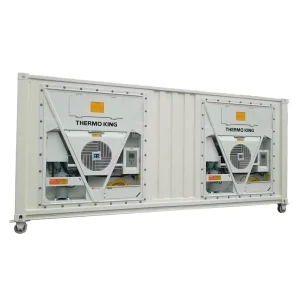
High-Quality The new blast reefer containers are certified by classification societies Manufacturers, Factories
Request Specs & Quote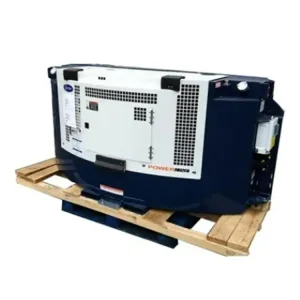
China Refrigerated container diesel generator Exporter, Quotes
Request Specs & Quote