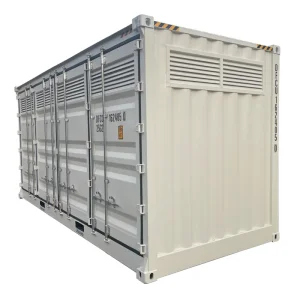
High-Spec Standard & Engineered Intermodal Fleet
Explore heavy-duty refrigerated units, liquid storage tanks, offshore cages, and certified modular enclosures manufactured under strict ISO and Bureau Veritas audits.
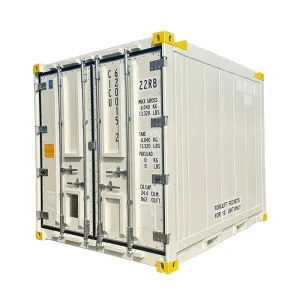
High-Quality New 10ft Certified Thermo King Freezer Container Exporter, Manufacturers
Inspect Technical Specs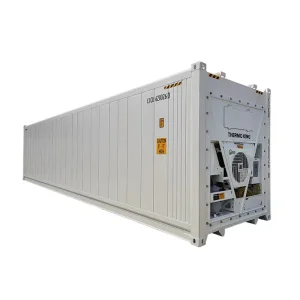
OEM New 40ft High-Cube Certified Reefer Shipping Cargo Container Pricelist, Product
Inspect Technical Specs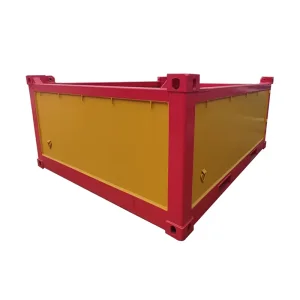
High-Quality New Offshore Basket Container for Offshore Operations Exporter, Exporters
Inspect Technical Specs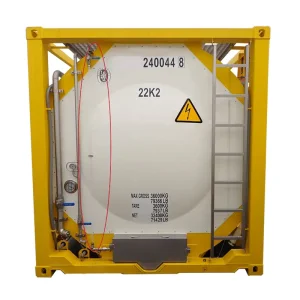
ODM 20ft Tank Container for Alcohol Manufacturer, Quotes
Inspect Technical Specs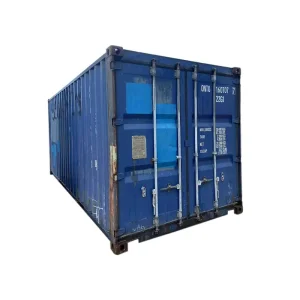
ODM 40ft Used Dry Cargo Shipping Container Manufacturers, Quotes
Inspect Technical Specs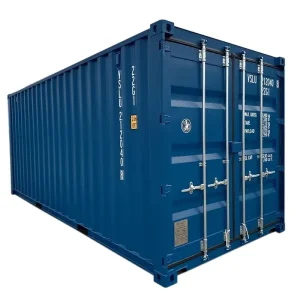
Buy New 20ft Double Door Dry Cargo Shipping Container Products, Manufacturers
Inspect Technical Specs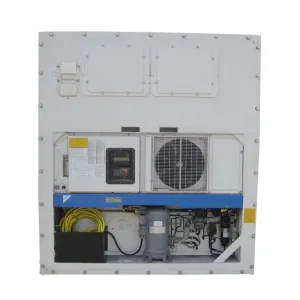
Buy Refrigeration Equipment /Cooling Unit For Refrigerated Containers Products, Exporters
Inspect Technical Specs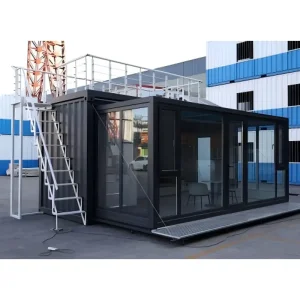
Famous 20ft Foldable Prefab Modular Homes Mobile Expandable Container House Prefabricated House with Bathroom Manufacturer, Exporters
Inspect Technical SpecsMacro Dynamics: Specialized "30-Class" Containers in Global Trade
How non-standard length architectures and high-capacity intermediate boxes are redefining heavy intermodal freight, regional rail efficiency, and bulk logistics.
Across the international intermodal matrix, standard twenty-foot equivalent units (TEUs) and forty-foot high cubes (FEUs) represent the overwhelming volume of consumer and retail freight. However, global supply chains have increasingly encountered structural operational bottlenecks when managing high-density commodities, chemical liquids, industrial scrap, mineral ores, and specialized engineering modules. In this industrial operational context, the "30 Containers" classification—encompassing both 30-foot intermediate dry freight platforms, dedicated bulk grain/powder hoppers, 30ft pressurized swap-bodies, and customized specialized fleet clusters—has emerged as an indispensable competitive lever for modern multi-modal logistics.
The technical rationale for 30ft and non-conventional intermediate envelopes lies predominantly in gross vehicle weight (GVW) regulations, rail wagon chassis dimensions, and European/North American axle-load thresholds. While a 40-foot dry van can cube out long before reaching its weight threshold with high-density cargo such as copper concentrate or industrial chemicals, a standard 20-foot unit often fails to provide sufficient cubic volume for palletized bulk commodities. The intermediate 30-foot profile bridges this precise volumetric and gravitational dilemma, providing optimal space-to-weight equilibrium for regional logistics operators navigating corridors across Scandinavia, Central Europe, Australia, and the Americas.
Axle Load Optimization
Intermediate profiles maximize truck and rail wagon permissible payloads under European Directive 96/53/EC without violating road axle overload tolerances, radically lowering road-tax penalties.
Bulk Chemical Intermodalism
30ft swap-body tank containers and customized pneumatic discharge hoppers facilitate seamless modal shift between ship, inland waterway barge, and heavy-haul rail corridors.
Decentralized Energy & Battery ESS
Emerging microgrid projects favor 30-foot container footprints to balance utility-scale megawatt-hour energy storage capacity with manageable site lifting and overland freight footprint.
Chinese Manufacturing Ecosystem: Engineering & Cost Supremacy
Inside the coastal metallurgical and manufacturing belts: why over 90% of certified intermodal equipment originates from Chinese industrial clusters.
The preeminence of Chinese container manufacturing centers—principally centered in Tianjin, Suzhou, Shanghai, Ningbo, and Qingdao—is not merely an outcome of scale; it represents decades of systematic supply chain consolidation, metallurgical vertical integration, and continuous robotic automation. Modern Chinese container facilities have transformed standard box manufacturing into a digitized, high-throughput science capable of sustaining stringent tolerances measured in fractions of a millimeter.
Automated Robotics & Sub-Arc Welding
Automated twin-wire continuous submerged arc welding guarantees homogeneous, penetration-controlled welds across bottom side rails, corrugations, and corner castings, drastically curtailing fatigue failure.
Corten Steel (SPA-H) Integration
Immediate foundry linkages provide weather-resistant, copper-chromium-nickel alloyed atmospheric corrosion steel (JIS G3125 SPA-H), maximizing box structural longevity in saline, deep-sea atmospheres.
Eco-Compliant Coating Technology
Automated zinc-rich primer electrodeposition coupled with low-VOC waterborne acrylic topcoats guarantees minimum 2500-hour salt spray resistance (ISO 12944 C5-M marine high durability certification).
Export Berth Proximity
Located within 100 kilometers of deep-water marine hubs like Tianjin Port and Shanghai/Taicang, yards eliminate long-distance inland cartage overheads, delivering pre-cleared, one-way-move ready stock.
Standard & Custom Dimensional Specifications Matrix
Direct architectural comparison of core container profiles illustrating interior capacity, tare weight, structural payloads, and primary application vectors.
| Profile Specification | External Dimensions (L × W × H) | Internal Dimensions (L × W × H) | Cubic Volume | Tare Weight | Max Payload | Target Logistics Vector |
|---|---|---|---|---|---|---|
| 10ft Offshore / Utility | 2.991 × 2.438 × 2.591 m | 2.840 × 2.350 × 2.390 m | 15.9 m³ | 1,300 kg | 8,700 kg | Subsea maintenance tools, offshore platforms, site tool vaults |
| 20ft Dry Cargo (20GP) | 6.058 × 2.438 × 2.591 m | 5.898 × 2.352 × 2.393 m | 33.2 m³ | 2,200 kg | 28,280 kg | High-density industrial goods, metal coils, machinery parts, dry grain |
| 30ft Specialized Dry / Swap | 9.125 × 2.438 × 2.896 m | 8.960 × 2.352 × 2.698 m | 56.8 m³ | 3,120 kg | 30,880 kg | Regional European intermodal rail, palletized chemicals, bulk plastics |
| 40ft Standard Dry (40GP) | 12.192 × 2.438 × 2.591 m | 12.032 × 2.352 × 2.393 m | 67.7 m³ | 3,750 kg | 26,730 kg | Global consumer retail, palletized FMCG, intermediate dry goods |
| 40ft High Cube (40HC) | 12.192 × 2.438 × 2.896 m | 12.032 × 2.352 × 2.698 m | 76.4 m³ | 3,900 kg | 26,580 kg | Voluminous electronics, textiles, furniture, modular architectural pods |
| 40ft High Cube Reefer | 12.192 × 2.438 × 2.896 m | 11.583 × 2.290 × 2.555 m | 67.8 m³ | 4,480 kg | 29,520 kg | Perishable agriculture, pharmaceuticals, deep-frozen meats, seafood |
*Note: Engineering tolerances conform to ISO 668 and CSC. Exact tare and payload matrices vary based on optional hardwood bamboo/plywood decking, reinforced gooseneck tunnels, and custom corner casting ratings.
Localized Industry Scenarios & Field Architectures
How customized containers interface with challenging geographic, environmental, and regulatory environments around the world.
Harsh Marine & Offshore Exploration
In the North Sea, Gulf of Guinea, and Southeast Asian oil & gas fields, containers face extreme dynamic acceleration and saltwater corrosion. Chinese manufacturers engineer DNV 2.7-1 / EN 12079 certified offshore cargo baskets, half-height ore bins, and mud skips fitted with rated pad-eyes, specialized sling assemblies, and impact-resistant locking systems that maintain structural integrity during open-sea crane transfers.
Cross-Border Cold Chain Integrity
Maintaining uninterrupted thermal chains for temperature-sensitive cargo (e.g., vaccines, fresh produce, biologics) across vast continental corridors like the Trans-Eurasian rail link demands advanced reefer performance. Chinese plants integrate Carrier Transicold, Thermo King, and Daikin scroll compressors with micro-cellular polyurethane foam walls, achieving thermal leakage rates (K-values) significantly below 0.35 W/(m²·K).
Modular Structural Pre-Fabrication
Beyond traditional freight transportation, specialized 20ft, 30ft, and 40ft frames serve as the backbone for turnkey modular construction. Designed with integrated thermal breaks, acoustic insulation, fire-rated sandwich wall panels, and pre-fitted plumbing/electrical raceways, these units deploy rapidly as remote mining accommodations, disaster relief pods, and luxury architectural retreats worldwide.
Global Procurement Intent: Mitigation of Lifecycle Risks
Key audit criteria, structural validations, and technical checklists required when issuing RFQs to Chinese container builders.
Classification Society Verification
Institutional buyers must verify that container designs are backed by third-party type approval certificates from recognized IACS members—such as Bureau Veritas (BV), ABS, Lloyd's Register (LR), or DNV. Certification mandates verification of floor deflection loads (7,260 kg axle loads), sidewall elastic modulus, and stacking limits tested to 216,000 kg.
Dimensional Tolerance & Camber Checks
Factory audits should inspect diagonal corner-to-corner accuracy (allowable difference < 5 mm) and roof/floor cambers. Negative camber in longitudinal bottom rails leads to binding on trailer goosenecks and twistlock misalignments during automated port terminal gantry container handling operations.
Customs Documentation Integrity
A frequent friction point in overseas procurement is discrepancies in customs clearing codes. High-tier Chinese exporters deliver clean Container Safety Convention (CSC) plates, verified gross mass (VGM) declarations, phytosanitary treatment certificates for wooden floors, and bill of lading consignments to ensure instant port clearance.
Emerging Technologies: Telematics, Decarbonization & Automation
The next decade of intermodal engineering: how intelligent hardware and carbon-neutral initiatives are transforming the humble steel shipping container.
The humble intermodal box is undergoing a digital and metallurgical evolution. Driven by strict ESG frameworks, ocean freight emissions mandates, and the widespread modernization of global maritime terminals, Chinese manufacturers are spearheading three central technological transitions:
Embedded IoT Telematics
Next-generation reefer and dry containers incorporate flush-mounted, solar-harvesting IoT sensors directly into corrugations. These modules stream continuous GPS coordinates, real-time internal humidity, door breach alerts, and 3-axis shock detection via low-power satellite and 5G networks directly to freight forwarding platforms.
Circular Metallurgies & Light-Weighting
By leveraging micro-alloyed ultra-high-strength steels and bio-based resin composite floorboards in lieu of tropical apitong hardwood, modern factory runs reduce tare weight by up to 12% without sacrificing CSC racking resistance, noticeably dropping freight-ton fuel burn.
Low-GWP Natural Refrigerants
In response to international F-Gas phase-downs, container reefer builders are rapidly retrofitting production lines for natural refrigerants, predominantly Carbon Dioxide (R-744 / CO₂) and hydrofluoroolefins (HFOs), radically diminishing ozone depletion risk and lifecycle carbon footprints.
Frequently Asked Technical & Sourcing Questions
In-depth responses covering certification, minimum order quantities (MOQ), custom design processes, and seaport delivery.
What is the standard production lead time for customized or 30-class containers?
For standard build sizes (20GP, 40HC), Chinese plants maintain continuous roll-forming lines with lead times of 15 to 25 days depending on yard inventory. For specialized 30ft, custom side-door, or offshore DNV units requiring custom FEA engineering drawings and classification society witness inspections, production typically requires 35 to 50 days from approved structural CAD drawings.
How are CSC Safety Approval plates issued for customized dimensions?
All containers intended for international maritime transport must undergo rigorous structural type-testing under ISO 1496 protocols. Testing comprises floor strength tests, 9-high stacking simulation (up to 216,000 kg combined corner post load), transverse racking, and weather tightness. Once approved by third-party surveyors (e.g., Bureau Veritas, LR, ABS), a valid stainless steel CSC plate is stamped and riveted to the door.
What refrigeration cooling machinery is available for custom reefer equipment?
Factories partner directly with leading tier-1 refrigeration OEMs including Thermo King (Magnum Plus), Daikin (LXE series), and Carrier (PrimeLINE & EverFRESH). Units can be delivered configured for 380V/460V 3-phase dual frequency power, with optional built-in diesel generator sets (clip-on or underslung gensets) for off-grid operations and rail intermodal corridors.
Can international buyers procure containers on a "One-Way Freight" lease basis?
Yes. To circumvent costly empty positioning ocean repositioning charges, Chinese factories and exporters coordinate with ocean carriers and NVOCCs to load the units with export cargo bound for your target destination port. Under this "one-way" arrangement, the container arrives at your local depot at drastically minimized transit ocean freight cost.
What material specifications prevent maritime atmospheric rust and floor decay?
Top-tier exporters construct the structural skeleton solely from SPA-H Corten steel, renowned for forming a stable, self-regenerating oxide passivation layer. Flooring is typically executed in marine-grade 28mm 19-ply tropical hardwood or high-density bamboo composites, fully treated with Australian Department of Agriculture (AQIS) compliant anti-fungal, anti-insect preservation.
What Minimum Order Quantities (MOQs) apply to OEM / ODM container fabrications?
Standard dry freight container orders often request MOQs of 5 to 10 units for custom color schemes or specialized branding. For complex custom structural fabrications (such as full side-opening doors, custom partition walls, electrical generator housings, or 30ft custom frames), specialized engineering lines can accommodate low-volume prototype batches starting from 1 to 2 units.
High-Spec Standard & Engineered Intermodal Fleet
Explore heavy bulk haulage bins, mini storage nesting solutions, high-cube cold rooms, and hazardous chemical cargo equipment available for export.
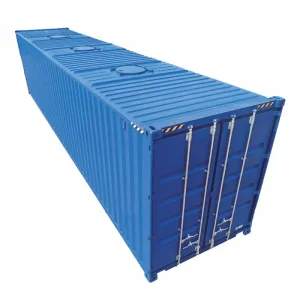
Buy 20 Feet Shipping Bulk Container Manufacturer, Exporters
Inspect Technical Specs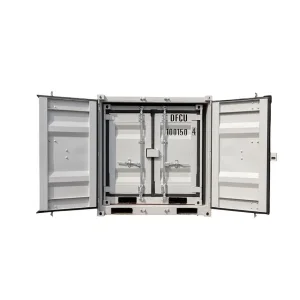
High-Quality Durable Cargo Shipping Container 4Ft/5Ft/6Ft/7Ft/8Ft/9Ft/10Ft/11Ft/12Ft Mini Storage Container Nested Shipping Container Manufacturers, Factories
Inspect Technical Specs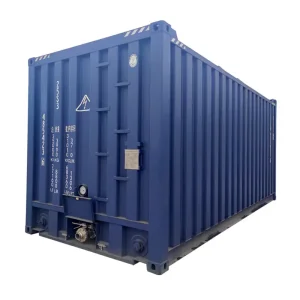
Buy New 20ft Square Liquid Container Factory, Product
Inspect Technical Specs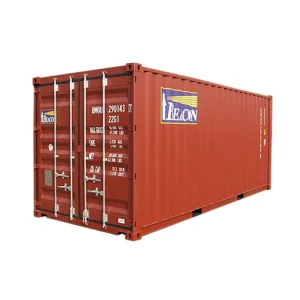
ODM 40ft New Certified Dry Shipping Container Pricelist, Exporters
Inspect Technical Specs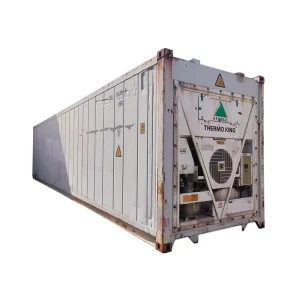
ODM New 40ft Refrigerated Freezer Container for Sale Factory, Exporter
Inspect Technical Specs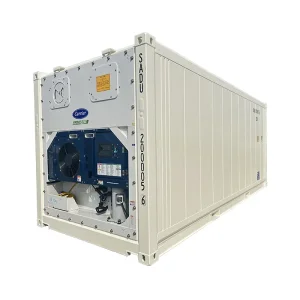
High-Quality New 40ft High Cube Carrier Refrigerator Freezer Cold Room Product, Exporters
Inspect Technical Specs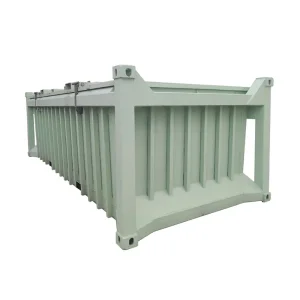
Buy New Half Height Ore Carrier Container Offshore Container Manufacturers, Quotes
Inspect Technical Specs