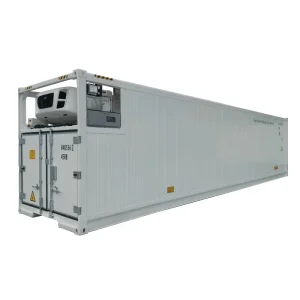
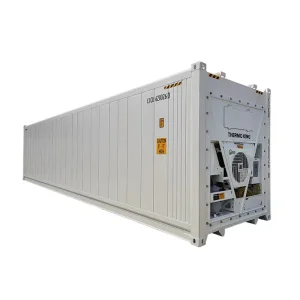
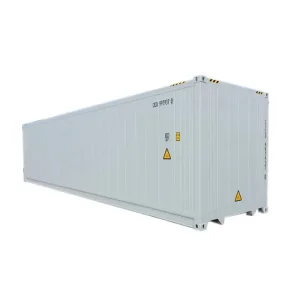
Famous New 40ft High Cube & 45ft "Belt and Road" Railway Refrigerated Container
- Optimized for Eurasian overland temperature range (-40°C to +50°C)
- Integrated dual-fuel diesel generator option
Factory-direct intermodal solutions configured with Corten-A weathering steel, Daikin/Carrier/Thermo King thermal units, and verified ISO 1496/CSC classification plate approvals.
Examining structural shifts in container manufacturing, raw material supply security, and multimodal freight engineering across key international trade networks.
Global shipping relies on standard containerization for over 90% of non-bulk cargo movements. Today, mainland Chinese industrial hubs—anchored primarily in Tianjin, Qingdao, and the Yangtze River Delta—produce more than 95% of the world’s ISO standard dry containers and approximately 98% of all specialized refrigerated containers. This concentrated production is supported by an integrated industrial ecosystem that combines domestic high-tensile SPA-H Corten steel production, advanced automated profile shearing, and complete classification surveyor integration on-site.
As supply chains diversify through nearshoring, multi-corridor transit systems, and the ongoing modernization of the Eurasian Belt and Road railway lines, equipment buyers face complex procurement trade-offs. Choosing between spot-market equipment and dedicated OEM builds demands deep visibility into metallurgical specifications, door seal tolerances, floor timber treatment compliance, and classification approvals from bodies like BV, DNV, and ABS.
The total lifespan of a shipping container depends directly on the atmospheric corrosion resistance of its alloy. Authentic China A containers utilize certified SPA-H Corten steel, which develops a dense protective copper-chromium patina that limits oxidation in salty maritime conditions. Inferior grades degrade rapidly under offshore stresses, making certified metallurgical testing sheets essential for genuine Grade-A purchases.
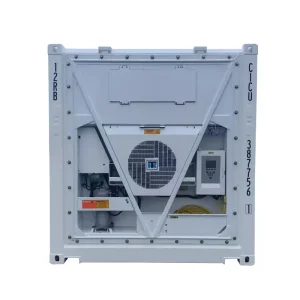
Refrigerated logistics have evolved beyond basic produce transport into automated, data-logged microclimates. Modern 40ft High Cube reefer units from Daikin, Thermo King, and Carrier use digital inverter compressors to keep temperatures stable within ±0.25°C. This level of precision is critical for high-value biopharmaceuticals, seafood, and long-distance fruit exports navigating varying climate zones.
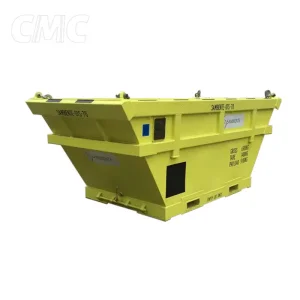
Open-sea operations on oil platforms, offshore wind farms, and subsea pipelines require containers that exceed baseline ISO standards. DNV 2.7-1 / EN 12079 certifications mandate high impact resistance down to -20°C, certified dynamic sling assemblies, and welded padeyes that handle turbulent crane lifts from moving supply vessels in rough waters.
Global environmental regulations, including IMO 2030 targets and European ETS maritime directives, require container factories to reduce their carbon footprint. Leading Chinese manufacturers are transitioning from high-VOC solvent paints to waterborne, zinc-rich epoxy coatings. At the same time, floor structures are shifting from tropical hardwoods toward eco-certified bamboo composites and recyclable corrugated steel flooring.
Benchmark unit pricing for new factory builds and inspected used shipping containers. Quoted FOB Tianjin, Qingdao, and Shanghai maritime container terminals (USD currency).
| Equipment Classification | Dimensions (L × W × H) | Tare Wt / Max Gross | Core Material & Machinery Spec | Standard Certifications | Benchmark FOB Price (USD) |
|---|---|---|---|---|---|
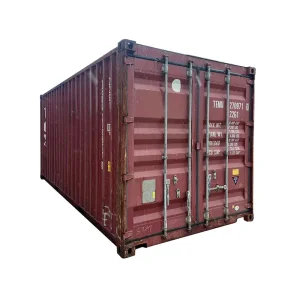
| 20ft Standard Dry Cargo (20GP) | 6.058 × 2.438 × 2.591 m | 2,180 kg / 30,480 kg | SPA-H Corten Steel, 28mm Marine Plywood Floor | ISO / BV / CSC | $1,650 – $2,100 |
| 40ft High Cube Standard Dry (40HC) | 12.192 × 2.438 × 2.896 m | 3,850 kg / 32,500 kg | Corrugated Corten Steel Panels, Lock Box Integrated | ISO / ABS / CSC | $2,650 – $3,250 |
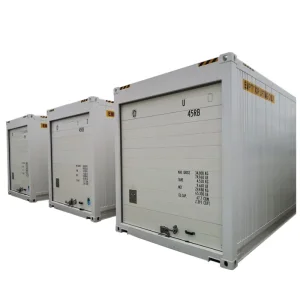
| 40ft HC Reefer Container (New) | 12.192 × 2.438 × 2.896 m | 4,620 kg / 34,000 kg | Daikin LXE / Carrier PrimELINE / Thermo King Unit | BV / ATP / ISO | $12,800 – $16,500 |
| 20ft HC Reefer Container (New) | 6.058 × 2.438 × 2.896 m | 2,980 kg / 30,480 kg | Stainless 304 Inner Liner, Polyurethane Insulation | BV / ISO / CSC | $8,900 – $11,500 |
| 40ft HC Roll-Up Door Reefer | 12.192 × 2.438 × 2.896 m | 5,100 kg / 34,000 kg | Thermal Shutter Roll Door, Anti-Cold Leakage Seal | OEM Custom | $14,200 – $18,400 |
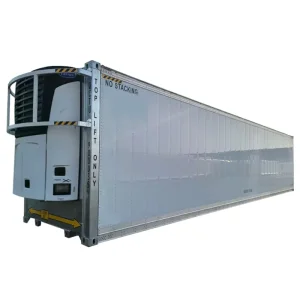
| 45ft High Cube Belt & Road Reefer | 13.716 × 2.438 × 2.896 m | 5,800 kg / 34,000 kg | High-Cube Rail Geometry, Clip-on Genset Ready | UIC / CSC / BV | $16,500 – $21,000 |
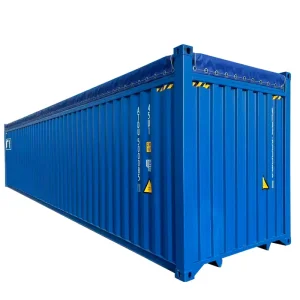
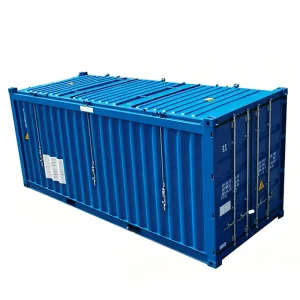
| 40ft Soft Open Top (Tarpaulin) | 12.192 × 2.438 × 2.896 m | 3,980 kg / 32,500 kg | Removable Roof Bows, 650g/m² Heavy PVC Tarp | ISO / TIR / CSC | $3,400 – $4,100 |
| DNV 2.7-1 Offshore Cargo Basket | Lengths: 10ft – 46ft customizable | Variable / Up to 22,000 kg | Charpy V-Notch Impact Tested Structural Steel | DNV 2.7-1 / EN 12079 | $5,800 – $12,900 |
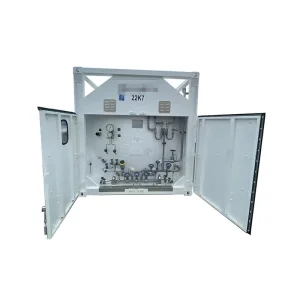
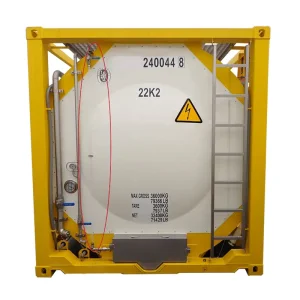
| T75 20ft Cryogenic Tank Unit | 6.058 × 2.438 × 2.591 m | 8,600 kg / 36,000 kg | Inner Vessel Austenitic Stainless, Multi-layer Vacuum | ASME / IMDG / RID | $28,000 – $38,500 |
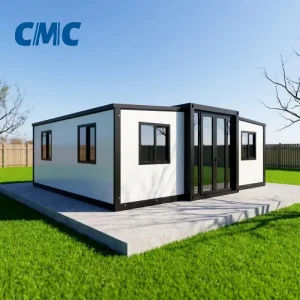
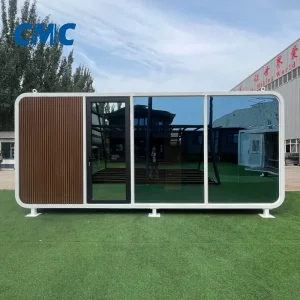
| 20ft Modular Expandable Living Box | Expanded: 5.9 × 6.3 × 2.48 m | 2,450 kg Net System | Fireproof Rockwool Walls, Double Glazed System | CE / ISO 9001 | $4,200 – $6,900 |
| Cargo Worthy (CW) Used 40ft HC | 12.192 × 2.438 × 2.896 m | 3,750 kg / 30,480 kg | Inspected Wind & Watertight (WWT), Valid CSC Plate | CW / Seaworthy | $1,350 – $1,750 |
*Note: Quoted pricing reflects baseline volume orders (10+ units for standard dry, 3+ units for specialized machinery). Raw steel fluctuation surcharges (SPA-H index) and exchange rate adjustments apply. Port-specific container handling, export customs documentation, and Pre-Trip Inspection (PTI) certificates for reefers are included in official quotation proformas.
How certified Chinese manufacturing facilities enforce quality controls from the initial CAD review through to classification society stamped approvals.
Every industrial container intended for multimodal interchange must carry an approved CSC (International Convention for Safe Containers) safety plate issued by an authorized member of the International Association of Classification Societies (IACS). Factory lines operate under continuous surveyor oversight from Bureau Veritas (BV), DNV GL, China Classification Society (CCS), or the American Bureau of Shipping (ABS), verifying structural integrity and manufacturing consistency.
Structural reliability depends on the quality of automated submerged arc welds and critical corner casting joints. Factories run non-destructive testing—including ultrasonic testing (UT), magnetic particle inspection (MPI), and radiographic audits—across all primary stress points. This ensures corner posts, side rails, and spreader lift points meet required load and fatigue limits without subsurface micro-fractures.
To qualify for heavy stack ratings (such as 9-high fully loaded stacking at 86,400 kg gross weight), prototype units undergo extensive hydraulic stress tests. These include transverse racking loads up to 150 kN, longitudinal restraint simulations, floor timber load-bearing tests with 7,260 kg axle loads, and internal wall pressure tests according to ISO 1496-1 parameters.
For refrigerated containers and T75 cryogenic tanks, thermal performance is validated using calibrated hot-gas bypass calorimeters and decay-rate vacuum sensors. Polyurethane foam cores are inspected for core density (minimum 45 kg/m³) to ensure thermal conductivity below 0.024 W/m•K, preventing heat leakage during long transcontinental crossings.
Export-ready containers undergo automated centrifugal shot-blasting to achieve the SA 2.5 Swedish surface standard. Steel assemblies are then coated with a multi-tier protective paint system, combining an inorganic zinc-rich primer, an epoxy intermediate build, and an acrylic topcoat. This finish delivers over 1,500 hours of continuous ASTM B117 salt spray protection.
Cross-border land transport requires strict adherence to the Customs Convention on Containers (TIR approval). Door lock assemblies, hinge pins, and gasket profiles are engineered to deter tampering. These designs ensure customs security seals remain fully secure throughout multi-country transit across European and Asian rail networks.
From remote offshore fields to temperature-sensitive pharmaceutical distribution, explore how specialized container platforms operate in high-demand environments.
Navigating the 10,000-kilometer China-Europe railway corridor exposes freight to severe winter conditions, with ambient temperatures dropping below -40°C in Kazakhstan and Siberia. Our specialized 40ft and 45ft high-cube railway reefers feature auxiliary diesel generator sets, expanded 1,000-liter fuel reservoirs, and remote satellite telematics. These systems maintain a steady +4°C climate for high-value consumer goods, fresh foods, and electronics without relying on line power.
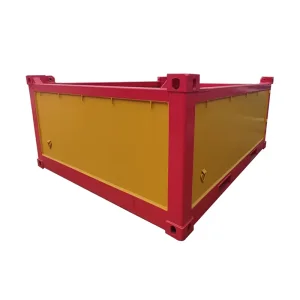
Transporting dense mineral commodities like copper concentrates, lithium spodumene, and nickel ore can damage conventional dry containers. Specialized half-height offshore containers and heavy-duty hard open-top units feature reinforced bottom sills, abrasion-resistant internal liners, and high-center-of-gravity floor structures. These adaptations handle dense, abrasive loads while supporting automated 360-degree tipping systems at destination ports.
Industrial projects increasingly rely on container frames for rapidly deployable facilities. Using standard ISO corner-casting geometry, modular expandable steel container units serve as self-contained field laboratories, telecom data centers, remote construction offices, and turn-key workforce housing. These units deploy in hours, connect cleanly to local utilities, and pack down into standard freight profiles for transit.
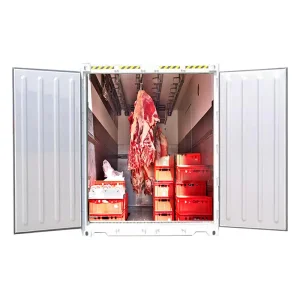
Standard pallet loading can damage whole beef sides, pork carcasses, and premium tuna. Our specialized low-temperature hanging meat containers incorporate ceiling-mounted, food-grade stainless steel hook rail assemblies with 10-ton dynamic overhead capacities. Paired with micro-groove aluminum airflow floors, these reefers ensure continuous bottom-to-top air distribution that prevents moisture loss and ice build-up.
Shipping bulk liquid cargo across road, rail, and sea demands safety and payload efficiency. Our 20ft ISO tank containers (T11 and T75 cryogenic models) replace traditional barrel handling. Featuring 316L stainless steel pressure vessels, specialized steam heating coils, vacuum insulation, and internal food-grade coatings, they safely transport alcohol, food oils, chemicals, and liquefied natural gas (LNG) globally.
In offshore wind farms and deepwater drilling operations, transferring equipment between moving vessels and fixed platforms requires dynamic structural integrity. Certified DNV 2.7-1 silt baskets, offshore open workboxes, and specialized reefer units provide heavy-duty structural frames, certified four-point wire rope slings, and tested padeyes capable of absorbing rough sea impacts during offshore transfer.
Anticipating material science upgrades, satellite IoT connectivity, and carbon-neutral lifecycle mandates across future intermodal equipment fleets.
Every new reefer and dry container fleet will integrate solar-powered, dual-link 5G and low-Earth-orbit satellite transceivers directly into its corner posts. Real-time door status, temperature, humidity, shock events, and geo-fences will transmit to procurement control centers automatically.
Advanced structural engineering is transitioning side walls and floor beams from standard steel to ultra-high-strength steel (UHSS) and structural carbon-fiber hybrids. This shift cuts tare weight by 14% to 18%, increasing allowable cargo payloads within gross intermodal road limits.
Next-generation passive cold containers are adopting vacuum-insulated panels (VIPs) paired with bio-based phase-change materials (PCMs). These units maintain constant chilled or frozen temperatures for up to 120 hours without mechanical power, eliminating emissions on feeder routes.
Complete lifecycle traceability using tamper-resistant digital product passports (DPPs). Scrap-free robotic laser welding, bio-resin floor composites, and 100% recyclable insulation materials will ensure new container production meets cradle-to-cradle ESG requirements.
Clear, technically accurate answers to the most common questions from international buyers, port operators, and equipment leasing directors.
China A shipping container prices depend primarily on three market variables: (1) Raw steel indices, specifically high-tensile SPA-H Corten weathering steel, which accounts for roughly 55% to 65% of a dry container's base build cost; (2) Refrigeration unit selections, where choosing among Daikin, Thermo King, or Carrier machinery changes cold-box pricing significantly; and (3) Currency conversion rates and coastal handling costs in ports like Tianjin, Qingdao, and Shanghai. Certified third-party testing fees (BV, DNV, ABS) and surface treatment specifications also influence final FOB invoice amounts.

Inferior carbon steel grades (like Q235B) can rust quickly when exposed to oceanic salt spray. Factory inspections require the manufacturer to provide certified Mill Test Certificates (MTC) traceably cross-referenced to heat numbers stamped into the container's structural corner posts. Authentic SPA-H steel contains specific amounts of copper (0.25–0.40%), chromium (0.50–0.80%), and nickel, creating a dense, self-healing oxide layer that prevents deep corrosion over a 20-year service life.
Standard ISO containers are designed for commercial sea, rail, and road transit under static and controlled crane-lift conditions. In contrast, DNV 2.7-1 / EN 12079 certified offshore containers are engineered to endure heavy dynamic impacts and sudden shock loads when loaded onto supply vessels in rough seas. They require specialized high-impact Charpy-tested steel, oversized primary lifting padeyes, dedicated 4-leg wire rope slings with safety shackles, and comprehensive non-destructive weld testing across all critical joints.
Yes. OEM and ODM customization is standard practice for modern Chinese container manufacturers. Buyers can adjust internal dimensions, install specialized side-opening or insulated roller-shutter doors, reinforce flooring with steel diamond plating, and add custom interior cargo tracking. Exterior surfaces can be finished in customized corporate colors based on RAL paint codes, applied using robotic paint booths for consistent coverage.
To ensure smooth clearance and port handling, every export container must include: (1) A stamped and dated CSC Safety Approval Plate verifying compliance with the International Convention for Safe Containers; (2) A Classification Society Inspection Certificate issued by an accredited body like Bureau Veritas, ABS, or CCS; (3) Pre-Trip Inspection (PTI) and calibration certificates for refrigerated units; and (4) Timber treatment documentation confirming compliance with international phytosanitary standards (ISPM 15) for wooden flooring.
Equipment buyers typically choose between two freight approaches: (1) "One-Way Free Use" (Cabotage shipping), where container leasing companies or international shipping lines load cargo into your newly built container for its maiden voyage, transporting it to your destination port at low or zero freight cost; or (2) Direct empty positioning, where empty units are stacked aboard container vessels or flat-rack rail cars for immediate, dedicated fleet delivery.
High-volume standard ISO dry containers (20GP, 40HC) usually move from approved production drawings to port readiness in 15 to 25 business days. Specialized units—such as automated roll-up reefers, cryogenic tanks, and custom DNV offshore equipment—typically require 30 to 45 business days. This allows adequate time for precision machining, third-party classification audits, sensor installation, and multi-stage factory acceptance tests (FAT).
Discover high-capacity cryogenic units, certified offshore cold boxes, intermodal open-tops, and modular expandable living solutions built for complex logistics.
Whether you need a dedicated production run of standard Corten dry boxes, DNV 2.7-1 certified offshore containers, or Daikin/Carrier powered reefers, our technical sales engineers provide verified CAD schematics, classification approvals, and competitive FOB/CIF quotation proformas within 24 hours.