
Standard & Specialized ISO Containers: Series I
Direct manufacturer deployment covering temperature-controlled reefer modules, DNV offshore containment, and intermodal liquid tank systems built according to precise dimensional tolerances.

Standardization of Cargo Container Lengths in Global Intermodal Freight
How the structural evolution from 10ft mini-containers to 53ft high-capacity domestic corridors shapes global supply chain economics, payload capacities, and structural integrity.
In modern multimodal logistics, the dimensional parameters of cargo container lengths govern the physics of cellular container vessels, double-stack well cars, and highway weight distribution. As the primary industrial origin of more than 90% of global marine freight equipment, China's container manufacturing sector operates at the convergence of standardized metallurgy, robotic line-assembly, and strict adherence to international maritime safety compacts including ISO 668, ISO 1496-1, and the International Convention for Safe Containers (CSC 1972).
The structural choice between standard cargo container lengths—primarily categorized as 10ft, 20ft, 40ft, 45ft, and specialized 48ft/53ft intermodal units—is never merely a question of volume. It represents an engineering tradeoff between cubic load efficiency, maximum permissible payload limits, tare weight minimization, and structural torsional rigidity under extreme North Atlantic storm pitching conditions or high-vibration trans-Eurasian railway corridors.
Engineering Note on Structural Tolerances (ISO 668 vs. Manufacturing Reality)
Every standard container built within our facilities is forged with SPA-H / Corten-A weathering steel, possessing an ultimate tensile strength exceeding 490 MPa. Tolerance controls on nominal exterior length are held to +0, -6 mm for 20-foot frames and +0, -10 mm for 40-foot frames, ensuring seamless locking into corner castings and container spreaders without mechanical jamming across automated port gantry cranes.
Comprehensive Cargo Container Lengths & Engineering Matrix
Certified dimensional specifications, cubic capacity, maximum gross mass, and optimal cargo load profiles.
| Nominal Length & Type | Exterior Dimensions (L × W × H) | Interior Dimensions (L × W × H) | Internal Volume | Tare Weight | Max Gross Mass (MGM) | Primary Industrial Use-Case |
|---|---|---|---|---|---|---|
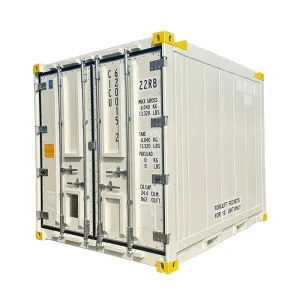
| 10ft Standard Dry (10GP) | 2,991 × 2,438 × 2,591 mm | 2,840 × 2,350 × 2,390 mm | 15.95 m³ (563 cu.ft) | 1,300 kg | 10,160 kg | Offshore platform supply, dense tooling, urban storage hubs |
| 20ft Standard Dry (20GP) | 6,058 × 2,438 × 2,591 mm | 5,898 × 2,352 × 2,393 mm | 33.20 m³ (1,172 cu.ft) | 2,230 kg | 30,480 kg | High-density commodities (metals, minerals, heavy machinery) |
| 20ft High-Cube Dry (20HC) | 6,058 × 2,438 × 2,896 mm | 5,898 × 2,352 × 2,698 mm | 37.40 m³ (1,320 cu.ft) | 2,380 kg | 30,480 kg | Volumetric dense cargo, battery energy storage systems (BESS) |
| 40ft Standard Dry (40GP) | 12,192 × 2,438 × 2,591 mm | 12,032 × 2,352 × 2,393 mm | 67.70 m³ (2,390 cu.ft) | 3,740 kg | 30,480 kg / 32,500 kg | Standard palletized consumer goods, electronics, retail logistics |
| 40ft High-Cube Dry (40HC) | 12,192 × 2,438 × 2,896 mm | 12,032 × 2,352 × 2,698 mm | 76.40 m³ (2,698 cu.ft) | 3,900 kg | 32,500 kg | Voluminous e-commerce packages, apparel, modular architecture |
| 45ft High-Cube Pallet-Wide | 13,716 × 2,490 × 2,896 mm | 13,556 × 2,444 × 2,698 mm | 89.30 m³ (3,153 cu.ft) | 4,780 kg | 34,000 kg | Intra-European 33 Euro-pallet transport, specialized sea-rail loops |
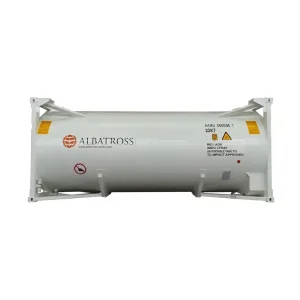
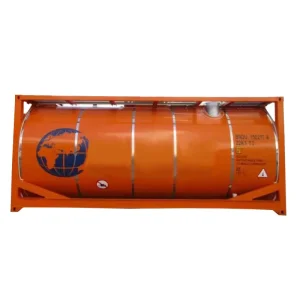
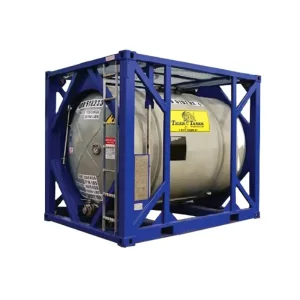
| 20ft ISO Tank Container | 6,058 × 2,438 × 2,591 mm | Tank Shell: Dia 2,400 mm | 21,000 – 26,000 L | 3,650 kg | 36,000 kg | Hazardous chemicals, pharmaceutical food-grade liquids, LNG/LPG |
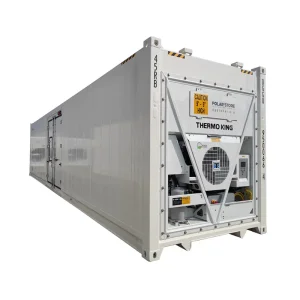
| 40ft HC Reefer Container | 12,192 × 2,438 × 2,896 mm | 11,583 × 2,294 × 2,557 mm | 67.90 m³ (2,398 cu.ft) | 4,600 kg (with unit) | 34,000 kg | Perishable agriculture, frozen seafood, biologic pharmaceuticals |
Global Enterprise Sourcing Trends in Container Dimensions (2025–2030)
Analyzing the tectonic shifts in container length preferences driven by freight rate volatility, inland corridor optimization, and energy transition demands.
1. Hegemony of the 40ft High-Cube in Modern Fleet Mix
Over 72% of all new dry freight box production now concentrates on the 40ft High Cube (40HC) format. Logistics conglomerates and liner operators prioritize the additional 305 mm (12 inches) of vertical clearance, which yields an approximate 12.8% volumetric increase over standard 40GP units with negligible drag and zero penalty on cellular stack footprints aboard ultra-large container vessels (ULCVs).
2. Rise of Intermodal Short-Sea & Rail Formats (45ft / 53ft)
Driven by the European Union's Green Deal and North American cross-border rail corridors, corporate shippers demand 45ft high-cube pallet-wide units capable of carrying 33 Euro-pallets (versus 27 in standard 40ft). Simultaneously, 53ft domestic containers engineered with lightweight high-strength automotive steel are gaining traction along dry port corridors linking China with Southeast Asia and Central Asia.
3. Specialized Modules for Clean Energy & Battery Storage
Global decarbonization initiatives have sparked unprecedented procurement of non-standard 10ft, 20ft, and specialized 30ft container lengths configured as structural enclosures for utility-scale Battery Energy Storage Systems (BESS), hydrogen fuel cell generation banks, and liquid cold plates, requiring integrated thermal runaway isolation certified to UL 9540A.
China Factory 4.0: Supply Chain Resilience, Automation & Scale
Inside our Tianjin and Suzhou manufacturing facilities: how precision automation and clustered metallurgy deliver world-class lead times, structural reliability, and cost advantages.
Automated Robotic Plasma & Laser Blanking
Continuous CNC plasma and 20kW fiber laser stations ensure that corrugated Corten steel wall panels, roof sheets, and roll-formed crossmembers are trimmed within ±0.3 mm accuracy, preventing structural misalignments during framing.
Submerged Arc Automatic Welding (SAW)
Structural corner posts and bottom side rails are joined utilizing dual-wire submerged arc welding systems. Full-penetration butt joints undergo 100% Non-Destructive Testing (NDT) via Ultrasonic and Radiographic methods to verify weld integrity.
Eco Waterborne Zinc-Rich Coating Lines
Three-coat eco-friendly paint lines (zinc-rich epoxy primer + epoxy intermediate + polyurethane topcoat) provide over 1,500 hours of continuous salt-spray corrosion resistance (ASTM B117), exceeding rigorous C5-M marine environment requirements.
Direct Deepwater Port Marshalling Advantage
Situated within 100 km of Tianjin Port and central maritime gateways, finished containers move straight from curing chambers to terminal berths, avoiding multi-tier transshipment costs and guaranteeing on-schedule FOB vessel loadings.
2025 Factory Benchmark Pricelist by Container Length & Type
Direct export pricing brackets (FOB Tianjin/Qingdao/Shanghai) based on standardized Corten-A indices, volume tiered orders, and international inspection certifications.
| Equipment Classification | Container Length / Height | Material & Standard | MOQ | Volume (10–50 Units) | Fleet Tier (100+ Units) | Estimated Lead Time |
|---|---|---|---|---|---|---|
| Standard Dry Freight Box (20GP) | 20ft × 8ft6in Standard | Corten-A / CSC / ISO 1496 | 2 Units | $1,850 – $2,200 | $1,650 – $1,800 | 12 – 18 Working Days |
| Standard Dry Freight Box (40GP) | 40ft × 8ft6in Standard | Corten-A / CSC / ISO 1496 | 2 Units | $2,950 – $3,400 | $2,650 – $2,850 | 14 – 20 Working Days |
| High-Cube Dry Freight Box (40HC) | 40ft × 9ft6in High Cube | Corten-A / CSC / ISO 1496 | 2 Units | $3,150 – $3,650 | $2,800 – $3,050 | 14 – 20 Working Days |
| Pallet-Wide Intermodal Box (45HC) | 45ft × 9ft6in Pallet Wide | Corten-A / EN 12079 / CSC | 4 Units | $5,200 – $5,900 | $4,700 – $5,100 | 20 – 25 Working Days |
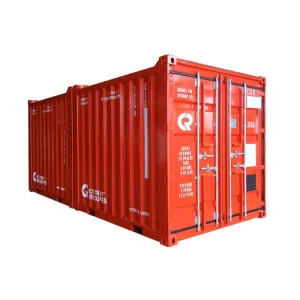
| Offshore Dry Cargo Box (10ft) | 10ft Standard Height | DNV 2.7-1 / EN 12079 / BV | 2 Units | $4,100 – $4,800 | $3,700 – $4,000 | 18 – 22 Working Days |
| Reefer Container (Thermo King / Carrier) | 40ft High Cube Reefer | SUS304 Stainless / MGSS / BV | 1 Unit | $14,500 – $17,800 | $13,200 – $14,900 | 25 – 35 Working Days |
| ISO Tank Container (T11 Unlined) | 20ft Standard Frame | SS316L / ASME VIII / IMDG | 1 Unit | $16,800 – $21,000 | $15,500 – $17,800 | 25 – 30 Working Days |
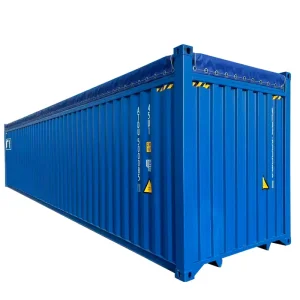
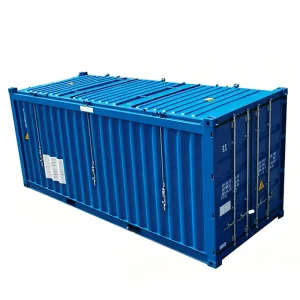
| Hard Open-Top Container (20ft) | 20ft Removable Steel Roof | Corten-A / Heavy Floor / CSC | 2 Units | $2,850 – $3,350 | $2,550 – $2,750 | 15 – 20 Working Days |
* Disclaimer: The benchmark values listed above reflect prevailing manufacturing costs based on hot-rolled Corten-A coils at standard index levels. Actual contract pricing is confirmed against final detailed production drawings, custom door gear layouts, lashing ring counts, and certified CSC inspection plate issuance.
Localized Engineering Deployments by Industry Sector
Examining critical operational use cases where custom container lengths and structural variants resolve severe logistics bottlenecks.
Deep-Sea Intercontinental Logistics
Standard 40ft High Cube containers maximize volumetric efficiency for light electronics, white goods, and garment logistics on Far East-to-Europe liner routes. Automated corner casting fitment guarantees rapid handling across high-throughput terminal cranes without twistlock failures.
Trans-Eurasian Sea-Rail Corridors
Heavy-duty 20ft GP containers withstand the violent dynamic shifting forces of broad-gauge railway wagons crossing Kazakhstan and Northern Europe. Double-door variants allow fast customs unloading and cross-docking at break-of-gauge frontier hubs.
Civil Protection & Modular Living
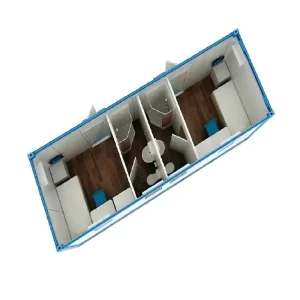
Standardized 20ft and 40ft frames serve as rigid load-bearing chassis for turnkey modular housing, mobile field hospitals, and forward operating camps. Built-in rockwool insulation layers and integrated conduit raceways facilitate rapid plug-and-play field setup.
Enterprise QA: Structural Testing & CSC Inspection Protocols
How every container manufactured under our oversight passes stringent structural load and weatherproofing assessments before dispatch.
Quality reliability in shipping container fabrication is an absolute safety mandate. A single structural failure in a 9-high container stack aboard an 24,000 TEU vessel can induce catastrophic cascading stack collapse. Our production line incorporates five sequential quality inspection gates verified by third-party surveyors (Bureau Veritas, ABS, or CCS):
1. Racking & Floor Deflection Test
Static testing simulates transverse racking forces up to 150 kN applied to top corner castings. 28 mm marine-grade hardwood flooring is tested under an axle load of 7,260 kg (16,000 lbs) per ISO 1496-1 requirements.
2. High-Pressure Water Ingress Testing
Every completed container undergoes a 100% water-tightness test. Dual-orifice solid-stream nozzles spray water over all seals, roof seams, and rivets at 100 kPa (1 bar) from a distance of 1.5 meters without dynamic leakage.
3. Air Leakage Decay (Reefer Lines)
Reefer container bodies are tested in hermetic pressure-decay chambers to verify that insulation foam voids do not exist and that thermal infiltration remains strictly under 28 W/°C for 40ft units.
4. Third-Party CSC Safety Plating
Units passing structural verification receive stainless steel CSC safety plates specifying maximum gross weight, allowable stacking weight (typically 216,000 kg for 9-high stacking), and racking test values.
Frequently Asked Questions: Container Lengths, Production & Ordering
Authoritative technical answers to common queries raised by logistics directors, procurement managers, and specialized engineering contractors.
What is the exact external and internal length difference between 20ft and 40ft containers?
Why are refrigerated container internal dimensions shorter than standard dry freight units?
Can China container manufacturers produce custom non-standard lengths like 10ft, 30ft, or 53ft?
What is Corten-A steel, and why is it mandatory for international sea container manufacturing?
What is the minimum order quantity (MOQ) and production turnaround for custom container lengths?
How are containers transported from your factory to overseas destination ports?
Specialized Heavy Freight & Modular Containers: Series II
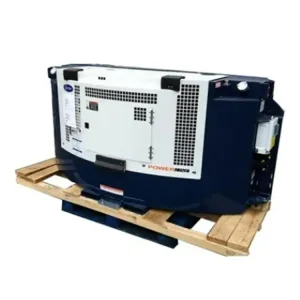
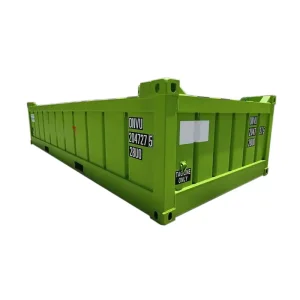
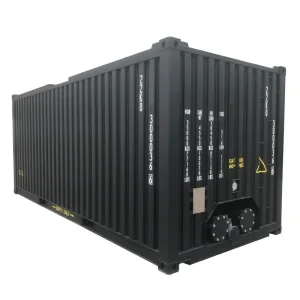
Explore heavy-duty bulk material units, power generation trailer sets, solar-driven cold-chain enclosures, and bitumen containers engineered to client drawings.


Initiate Enterprise Container Procurement & Drawing Review
Connect directly with our Tianjin engineering department to confirm structural dimensions, steel certification reports, paint specifications, and volume FOB/CIF contract schedules.