Global Cold Chain Infrastructure • White Paper
China High Cube Reefer Factories & Exporters
Architecting the global temperature-controlled supply chain: ISO-standard 40ft & 20ft high-cube refrigerated manufacturing, DNV offshore certification, and smart microclimate preservation.
Precision Portfolio
Featured ISO & Offshore Container Systems
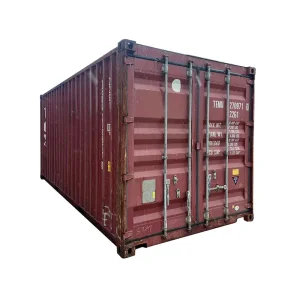
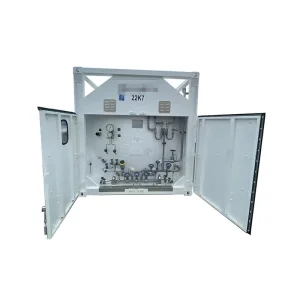
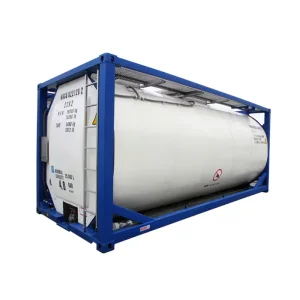
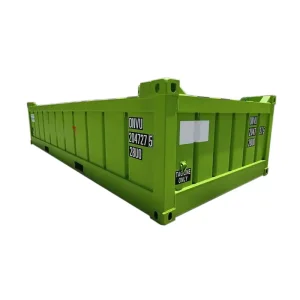
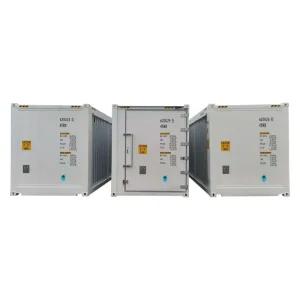
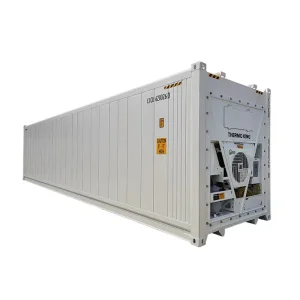
Direct-from-factory modular container architectures engineered to withstand intermodal marine, chemical, and offshore operating conditions.

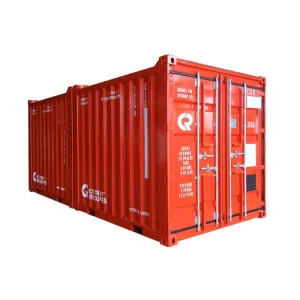
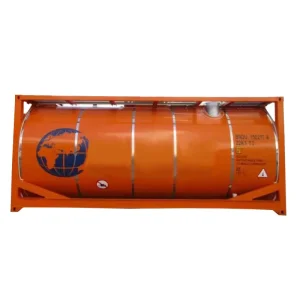
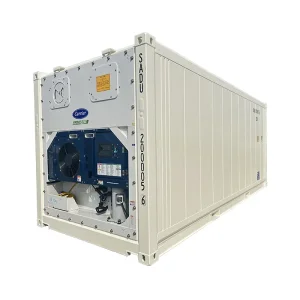
Supply Chain Industrial Agglomeration
The Mechanics of China's High-Cube Reefer Manufacturing Dominance
High Cube Refrigerated (Reefer) containers are complex thermodynamic machines requiring millimetric structural engineering, microcellular polyurethane foaming, and rigorous thermodynamic integration.
Corten Steel Metallurgy & Structural Rigidity
China's coastal manufacturing clusters benefit from direct integration with premier metallurgical mills providing SPA-H atmospheric corrosion-resistant Corten steel. This material forms the primary skeleton, upper and lower side rails, corner posts, and cross members. Designed to withstand heavy dynamic stacking loads (up to 9-high stacked configurations during rough maritime transit), our structural chassis guarantees that thermal seals and structural alignments never deform under extreme torsion forces.
Continuous High-Pressure Foaming Tech
Thermal efficiency in a 40ft High Cube Reefer relies on zero void tolerance. Utilizing computerized multi-head high-pressure cyclopentane/polyurethane foam injection systems, our factory floors achieve ultra-fine cellular structures. Density is rigidly maintained above 45 kg/m³ with thermal conductivity (K-factor) under 0.33 W/m²·K. This automated curing prevents thermal bridges, minimises compressor workload, and slashes total lifetime operating electricity consumption.
OEM Modular HVAC System Integration
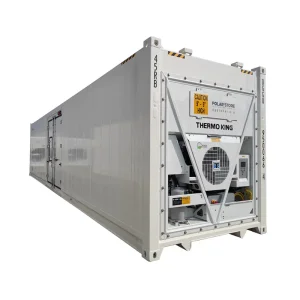
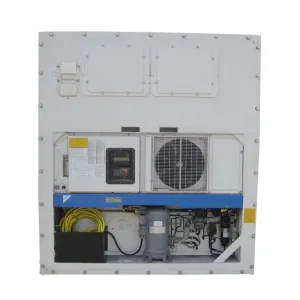
Our manufacturing lines feature precision-machined front bulkheads configured for standardized bolting of Carrier Transicold, Thermo King, and Daikin scroll or reciprocating compressor packages. Each machine undergoes full electronic harness testing, pre-trip inspection (PTI) emulation, and dual-zone sensor mapping before dispatch, eliminating post-docking refrigeration commissioning failures.
Rigorous Regulatory Standards
Localized Support & Multi-Tier Global Compliance
Bridging Chinese manufacturing velocity with exacting statutory, seaworthiness, and environmental regulations across Europe, the Americas, and offshore oil/gas sectors.
CSC & Bureau Veritas Certification
Every high-cube reefer holds valid International Convention for Safe Containers (CSC) safety approvals authenticated by Bureau Veritas (BV) or Lloyd's Register. Containers comply strictly with ISO 1496-2 standards for thermal containers, guaranteeing seamless customs clearance and intermodal vessel acceptance across transpacific and European routes.
ATP Sanitary Compliance for Perishables
For clients operating within the UNECE ATP agreement (carriage of perishable foodstuffs), our cold containers fulfill certified Heavily Insulated (FRC) ratings. Rigorous testing certifies that the overall heat transfer coefficient (K-value) does not exceed 0.40 W/m²·K, preserving full shelf-life integrity for pharmaceuticals, meats, and fresh produce.
DNV GL 2.7-1 / EN 12079 Offshore Units
Specialized offshore container series undergo comprehensive destructive and dynamic impact evaluations. Fabricated with certified high-impact steel for extreme sub-zero offshore platform service (-20°C to -40°C), certified lifting pad-eyes and sling sets allow safe crane operations in open waters without structural failure.
On-the-Ground Field Support & Spares
We eliminate the "remote exporter" vulnerability by offering comprehensive lifecycle support. Through partnerships with global refrigeration service centers and factory-stocked critical spare depots in Tianjin and overseas gateways, buyers receive fast access to genuine replacement gaskets, microprocessors, scroll pumps, and door gear.
Procurement Dynamics
Meeting the Strategic Needs of Global Fleet Operators & EPCs
Modern container procurement is no longer driven solely by CAPEX reduction. Tier-1 shipping lines, intermodal freight logistics companies, pharmaceutical suppliers, and international food distributors demand customized thermal stability, higher payload-to-tare ratios, and tailored access solutions.
- Total Cost of Ownership (TCO) Optimization: Premium high-efficiency polyurethane foam structures dramatically reduce heat ingress, decreasing refrigeration kilowatt draw by up to 22% during tropical voyages.
- Volumetric Efficiency Gains: High Cube profiles add an extra foot (305mm) of internal height compared to standard GP reefers, unlocking 67.6 m³ capacity and maximizing palletized transport volume.
- Port Proximity Advantage: Facilities situated ~100 km from Tianjin and Suzhou seaports minimize inland transit delays, ensuring rapid gate-in and short vessel booking turnaround times.
OEM/ODM Customization Capabilities
We customize factory configurations to meet bespoke operational requirements:
Multi-Door Logistics Architecture:
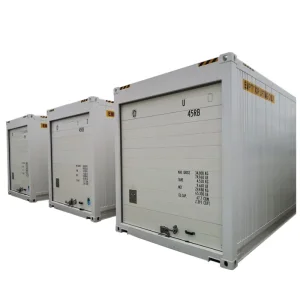
Full side-open doors and industrial roll-up doors engineered for rapid cross-dock loading and warehouse cold-room conversions.
Multi-Temperature Compartmentalization:
Three-in-one movable insulated bulkheads enabling dual deep-freeze and fresh-chilled storage within a single 40HC chassis.
Advanced Flooring Formats:
Heavy-duty extruded aluminum T-bar flooring for marine airflow or smooth flat floors with drain traps for mobile medical laboratories.
Technical Data Matrix
Engineering Specifications: High Cube vs Standard Reefer Systems
Verified dimensional, volumetric, and thermodynamic performance metrics across our primary manufacturing line.
| Container Model & Type | External Dimensions (L × W × H) | Internal Dimensions (L × W × H) | Internal Volume | Max Gross Payload | Thermal Range |
|---|---|---|---|---|---|
| 40ft High Cube Reefer (40HC) | 12,192 × 2,438 × 2,896 mm | 11,583 × 2,290 × 2,553 mm | 67.6 m³ (2,387 cu.ft) | 29,520 kg (65,080 lbs) | -35°C to +30°C |
| 20ft High Cube Reefer (20HC) | 6,058 × 2,438 × 2,896 mm | 5,444 × 2,290 × 2,553 mm | 31.8 m³ (1,123 cu.ft) | 27,280 kg (60,140 lbs) | -35°C to +30°C |
| 40ft Standard Reefer (40RF) | 12,192 × 2,438 × 2,591 mm | 11,583 × 2,290 × 2,273 mm | 60.2 m³ (2,126 cu.ft) | 29,800 kg (65,698 lbs) | -30°C to +30°C |
| 20ft ISO Standard Reefer (20RF) | 6,058 × 2,438 × 2,591 mm | 5,444 × 2,290 × 2,273 mm | 28.3 m³ (999 cu.ft) | 27,400 kg (60,406 lbs) | -30°C to +30°C |
| DNV 2.7-1 Offshore High Cube | 6,058 × 2,438 × 2,896 mm | 5,350 × 2,200 × 2,420 mm | 28.5 m³ (1,006 cu.ft) | 15,000 kg (Offshore Rating) | -40°C to +25°C |
Deployment & Future Frontiers
Localized Operational Use Cases & Market Evolution
From perishable agricultural corridors to smart IoT automation: how high-cube refrigerated units solve real-world logistical challenges.
Remote Agro-Hub First-Mile Cooling
In African and South American agricultural valleys, permanent cold-storage warehouses face high construction costs and lengthy zoning cycles. High-cube reefers equipped with Carrier or Thermo King machinery function as plug-and-play field packhouses. Units rapidly cool berries, citrus, avocados, and fresh-cut flowers directly at harvest, preserving cold chains and reducing post-harvest losses.
Biopharma & Plasma Corridors
Biomedical logistics requires tight temperature stability within narrow tolerance bands (e.g., +2°C to +8°C or deep cryogenic states at -70°C). Our custom 40ft HC containers feature stainless-steel 304 interior linings, dual backup genset connections, and redundant refrigeration circuits to transport high-value pharmaceuticals without thermal degradation risk.
Smart IoT Telematics & AI Microclimate Control
The reefer industry is shifting from passive monitoring to autonomous AI microclimate management. Modern builds integrate real-time satellite transceivers, IoT humidity and ethylene sensors, and AI-driven predictive defrost algorithms. Operators remotely manage fresh air exchange, mitigate fruit respiration spikes, and diagnose technical anomalies long before arrival at destination ports.
Technical & Commercial FAQ
Frequently Asked Questions by Global Buyers
Authoritative insights addressing key procurement, operational, and technical inquiries.
Why choose a 40ft High Cube Reefer over a Standard 40ft Reefer?
A 40ft High Cube (9'6" height) provides approximately 305 mm (1 foot) of additional internal headroom compared to a standard 8'6" reefer. This increases cubic capacity from ~60.2 m³ to ~67.6 m³, an increase of roughly 12%. For voluminous, lightweight temperature-sensitive products (such as leafy vegetables, cut flowers, or standard European/US pallet stacks), high cube containers maximize container payload without exceeding highway weight limits.
Which refrigeration machinery options are installed on your assembly lines?
Our facilities support flexible machinery installations. Clients can specify Carrier Transicold (ThinLINE, PrimeLINE), Thermo King (Magnum Plus), or Daikin (LXE series). Units can be factory installed, charged with eco-friendly refrigerants (such as R-134a, R-404A, or R-513A), and subjected to full automated Pre-Trip Inspection (PTI) before leaving the factory.
What are the interior lining and flooring specifications?
Interior walls are lined with food-grade high-finish stainless steel grade 304 (0.7 mm thickness) or reinforced thermoplastic composites for easy washdown. Floors are constructed with extruded heavy-duty 6061-T6 aluminum deep T-sections (height 50mm–65mm) engineered for forklift wheel traffic and smooth bottom-up airflow dynamics across all cargo pallets.
How do you ensure thermal integrity and prevent insulation voids?
We use computer-controlled multi-point high-pressure cyclopentane-blown polyurethane foam injection. Heated structural molds maintain wall temperature during injection, ensuring uniform expansion and high density (>45 kg/m³). Before dispatch, random batch units undergo heat-loss testing in a dedicated thermal chamber to verify that the K-value meets or exceeds ATP Heavily Insulated Class C (FRC) certifications.
Can high-cube reefers be customized with side-doors or roller shutters?
Yes. Our OEM/ODM line manufactures full side-opening reefer models with double-sealed multi-leaf doors or heavy-duty insulated roll-up shutter systems. These configurations are used for regional distribution runs, military field catering, and cold storage applications requiring rapid side-loading with forklifts.
What documentation and testing accompany an export order?
Each shipped reefer unit includes a CSC Safety Approval Plate, Bureau Veritas (or equivalent IACS member) Type Approval Certification, PTI Run Sheet, Insulation K-Factor Test Verification, Electrical Safety Declaration, and full customs-ready export manifests.
Complete Equipment Fleet
Specialized Modular, Tank & Custom Reefer Systems
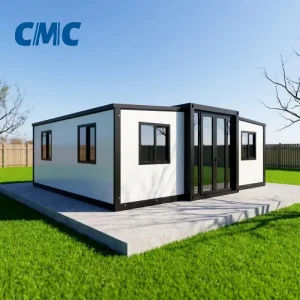
Explore our full line of specialized intermodal, cryo-tank, side-access reefer, and modular housing assets.