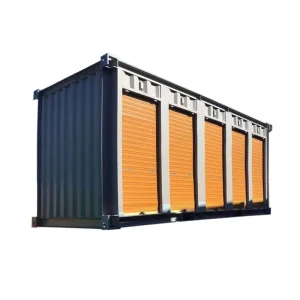
Featured Industrial Container Solutions
Factory-direct specialized dry, refrigerated, tank, and modular carrier assets engineered in Tianjin and Suzhou production clusters.
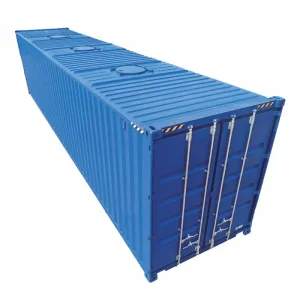
Buy 20 Feet Shipping Bulk Container Manufacturer, Exporters
View Specifications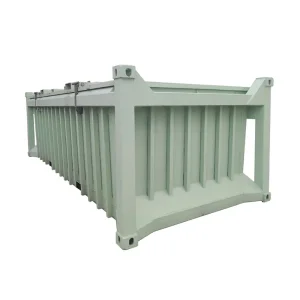
Buy New Half Height Ore Carrier Container Offshore Container Manufacturers, Quotes
View Specifications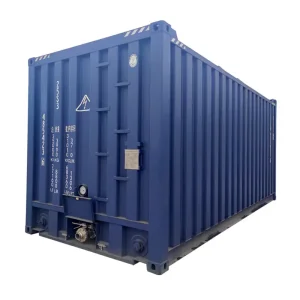
Buy New 20ft Square Liquid Container Factory, Product
View Specifications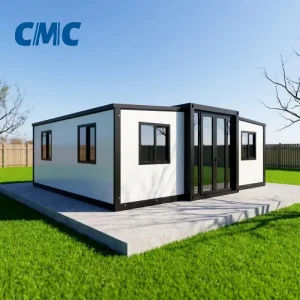
OEM 20ft Modular Container Houses Expandable Steel Container House Excellent Thermal Insulation
View Specifications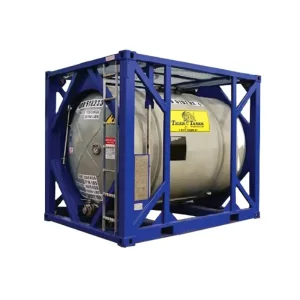
Buy New DNV Certification 10ft Offshore Tank Container Factory, Products
View Specifications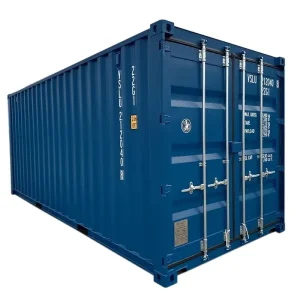
Buy New 20ft Double Door Dry Cargo Shipping Container Products, Manufacturers
View Specifications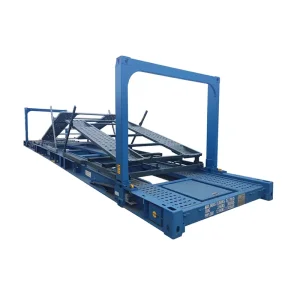
China New 20ft Car Carrier Container Special Container Exporter, Quotes
View Specifications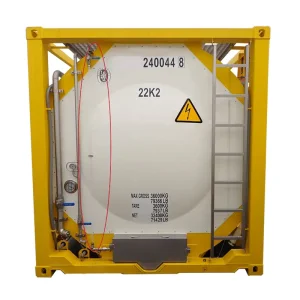
ODM 20ft Tank Container for Alcohol Manufacturer, Quotes
View SpecificationsInside Shipping Containers: Structural Anatomy & Metallurgy
Beyond external envelope dimensions, inside shipping containers represent rigorous metallurgical engineering built to withstand dynamic maritime stresses, thermal gradients, and severe mechanical abrasion.
SPA-H Corten Steel Chemistry
Modern container fabrication utilizes atmospheric corrosion-resistant SPA-H atmospheric steel. Inside shipping containers, surface passivation creates a stable copper-chromium-phosphorus protective oxide film, stopping corrosive penetration from condensed moisture during deep-sea transit cycles.
Internal Floor Loading & Shearing
Standard interior floors consist of 28mm 19-ply marine-grade hardwood plywood or optional extruded steel/aluminum checker plate, chemically treated against pest vectors in compliance with Australian Quarantine Inspection Service (AQIS) standards, rated for axle loads exceeding 7,260 kg.
Internal Lashing & Cargo Securing
Every inside perimeter features recess-welded high-tensile lashing rings rated to 1,500 daN (or optional 2,000 kg capacity), recessed along the bottom side rails, top side rails, and corner posts, enabling ISO 1496/1 compliant multi-point dunnage and strap immobilization against extreme sea swell.
Inside Shipping Containers: Global Industry Trajectory
The market for shipping container interiors and converted assets has shifted from basic steel volumes toward technologically integrated, thermal-optimized, and highly regulated containment units.
BESS Energy Containerization
Inside shipping container architecture is being converted into Battery Energy Storage System (BESS) enclosures. Modern designs integrate fire partitions, automated aerosol suppression, thermal insulation, and HVAC air management designed to mitigate lithium battery runaway risks.
Advanced Cold-Chain Hygiene
Global food safety mandates (HACCP, FDA FSMA) require seamless interior stainless steel (SUS304) and aluminum lining inside reefer containers. Integrated T-bar air distribution sub-flooring delivers uninterrupted aerodynamic laminar cooling across refrigerated pharmaceutical and perishable shipments.
Modular Off-Site Prefabrication
Rapid urbanization and decentralized infrastructure projects rely on prefabricated steel frameworks. Inside shipping container units are customized with PIR/PUR high-efficiency insulation cores, soundproofing panels, and plug-and-play MEP conduits, accelerating commercial on-site deployment.
Industrial Interior Specifications & Engineering Matrix
Precise volumetric calculations and payload capacities across global standardized container categories.
| Container Classification | Internal Dimensions (L × W × H) | Cubic Capacity | Max Gross Mass | Primary Industrial Application |
|---|---|---|---|---|
| 20ft Dry Cargo (20GP) | 5.90 × 2.35 × 2.39 m | 33.2 m³ | 30,480 kg | Dense minerals, industrial equipment, heavy machinery spare parts |
| 40ft High Cube (40HC) | 12.03 × 2.35 × 2.69 m | 76.3 m³ | 30,480 kg | High-volume consumer goods, modular conversions, furniture fleets |
| 40ft HC Reefer (40RH) | 11.58 × 2.29 × 2.55 m | 67.6 m³ | 34,000 kg | Pharmaceuticals, fresh fruits, frozen seafood (-30°C to +30°C) |
| 20ft Bulk Container | 5.89 × 2.34 × 2.38 m | 32.8 m³ | 30,480 kg | Grain, plastic resins, chemicals with top discharge hatches |
| 10ft DNV Offshore Tank | 2.99 × 2.43 × 2.59 m | Variable (Liquids) | 10,000+ kg | Hazardous offshore drilling fluids, chemical additives (DNV 2.7-1) |
Quality Assurance, Testing & Certifications
Every manufactured shell undergoes structural load verification, destructive testing protocols, and international regulatory vetting before clearance for maritime service.
Bureau Veritas (BV)
Independent verification of steel weld integrity, corner casting dimensional tolerances, and structural test loads up to 1.8x max gross weight.
CSC Certification
Each container carries an anti-corrosion stainless steel CSC Safety Approval Plate, certified under the International Convention for Safe Containers.
DNV 2.7-1 / EN 12079
Offshore carrier models are fabricated using low-temperature impact-tested steel and engineered lifting padeyes for offshore hoisting operations.
ISO 9001 / ISO 14001
End-to-end quality and environmental audits across automated plate blasting, eco-friendly waterborne painting, and mechanical assembly.
The Next Decade of Inside Shipping Container Engineering
How robotic welding, digital telemetry, and advanced composites are reshaping the manufacturing floor.
Embedded Sensor Nets
Factory-integrated low-power NB-IoT and satellite nodes inside the container wall cavities, monitoring interior air humidity, door openings, cargo shifting, and refrigeration cycles in real time.
Hybrid Floor Substrates
Replacing heavy tropical timber floors with recyclable bamboo-polypropylene composites, dropping tare weight by 180kg while resisting industrial oils, water absorption, and heavy forklift wheel loading.
Automated Eco-Coating
Fully enclosed automated lines applying ultra-high solids zinc primer and waterborne resin layers inside and outside the container, slashing volatile organic compounds while keeping 10-year C5M corrosion protection.
Adaptive Robotics
Vision-guided laser seam welding and automatic dimensional calibration systems across high-speed manufacturing lines, yielding micron-level tolerance consistency across customized special container hulls.
Inside Shipping Containers: Technical Inquiries
Critical parameters and operational clarifications for industrial logistics procurement directors.
How do you stop interior condensation (container sweat)?
We prevent internal humidity damage using high-density polyurethane spray foam insulation, integrated labyrinth air vents with fine mesh, anti-condensation interior paints, and desiccants hung from interior lashing rings.
What structural reinforcements are made for heavy-cargo equipment?
For ultra-heavy machinery, mining ores, or liquid tanks, we install reinforced hot-rolled steel floor crossmembers, higher yield steel base channels (Q355/Q460), and steel chequer plates with customized internal anchor rails.
Are custom door layouts supported on standard ISO frames?
Yes. We deliver custom side-open doors, heavy-duty insulated roll-up doors, and double-ended doors engineered with certified structural perimeter headers without compromising stackability or CSC compliance.
What is the typical production timeline for large custom batches?
Standard prototypes require 7-14 days after drawing sign-off. Bulk series production runs in Tianjin or Suzhou yield 50-100 units per shift, reaching completion and seaport trucking within 25-35 days.
Engineered Reefers, Insulated Units & Specialty Fleets
Precision cold chain, heavy equipment haulage, and bespoke modular solutions manufactured under strict ISO and Bureau Veritas inspection.
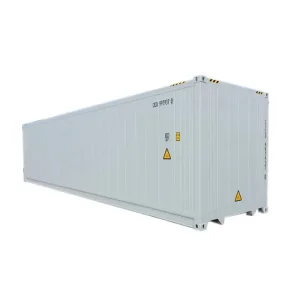
Buy New 40ft High Cube Thickened Foam Insulation Container Factory, Exporters
View Specifications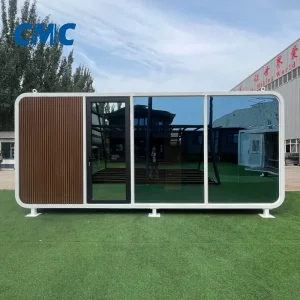
Famous 20ft Prefab Container House Flat Pack Modular House Office Tiny House
View Specifications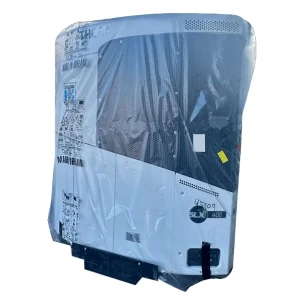
Famous TK SLXI Mobile power generation trailer cooling unit Product, Manufacturers
View Specifications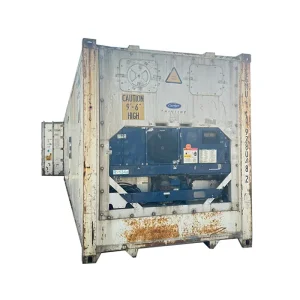
China Used 40ft High-Cube Certified Reefer Container Pricelist, Exporter
View Specifications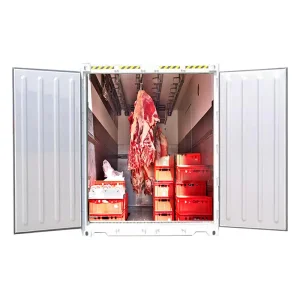
High-Quality Brand new hanging meat container for low temperature fresh transportation
View Specifications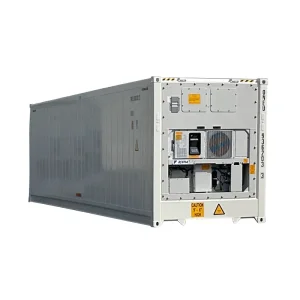
OEM New 40ft High-Cube Daikin Freezer Container Cold Storage Room Manufacturer
View Specifications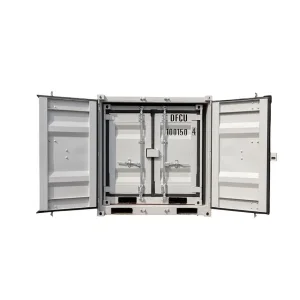
High-Quality Durable Cargo Shipping Container Mini Storage Container Nested
View Specifications