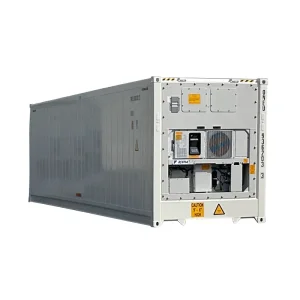
Featured Reefer & Logistics Inventory
High-Performance Intermodal Shipping Equipment
Explore primary heavy-duty refrigerated containers, specialty offshore boxes, and thermal systems available directly from our manufacturing bases.
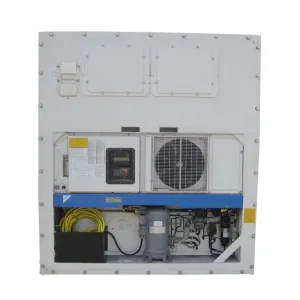
Refrigeration Equipment Cooling Unit for Reefers
View Specification & Quote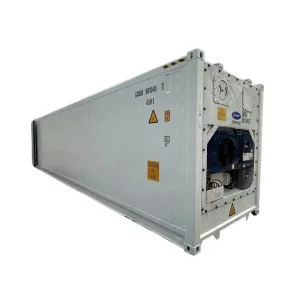
90% New 40ft HC Carrier Refrigerated Container
View Specification & Quote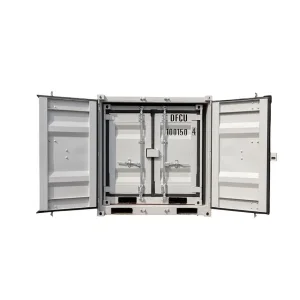
Nested Mini Storage Cargo Containers (4ft to 12ft)
View Specification & Quote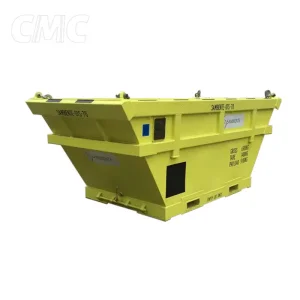
DNV Certified Offshore Silt Basket Container
View Specification & Quote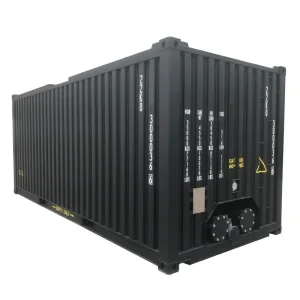
China 20ft Heated Shipping Asphalt Container
View Specification & Quote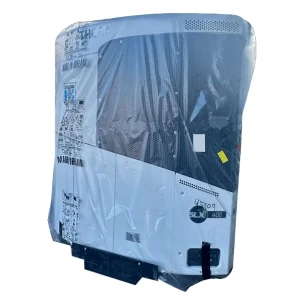
TK SLXi Mobile Power Gen-Set Trailer Cooling Unit
View Specification & Quote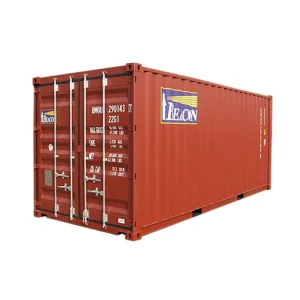
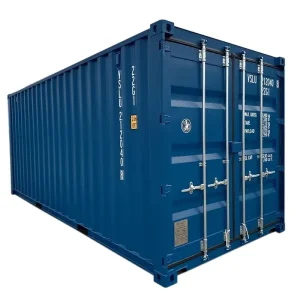
ODM 40ft Standard Certified Dry Cargo Container
View Specification & Quote
Section 01 • Engineering White Paper
Macro-Industry Cold Chain Logistics Solutions
Refrigerated intermodal containers (reefers) are sophisticated thermodynamic life-support systems engineered to sustain perishable foodstuffs, bioactive pharmaceuticals, and precision chemical reagents across trans-oceanic routes.
Bottom-Air Thermodynamic Airflow
Unlike stationary blast freezers that blast air from ceiling diffusers, ISO standard refrigerated marine containers utilize bottom-discharge ducting through extruded aluminum T-bar flooring. This design forces conditioned air vertically upward through cargo stowage corridors.
By forcing conditioned air from the floor, the system overcomes hydrostatic head pressure, eliminates thermal micro-pockets, and stabilizes set-point temperatures within ±0.25°C throughout 40ft High Cube containers.
Pharma-Grade GDP Compliance
The transport of temperature-sensitive biopharmaceuticals, biologics, and clinical vaccines requires compliance with Good Distribution Practice (GDP) protocols. Chinese-manufactured export reefers integrate multi-sensor NIST-calibrated dataloggers.
Integrated microprocessors continuously cross-check supply air (STS), return air (RTS), and ambient external air (AMBS) sensors, preventing chilling injury in delicate pharmaceuticals and biological reagents.
Controlled Atmosphere (CA) Fresh Chain
Fresh perishables such as avocados, berries, and bananas undergo active cellular respiration during transit. Leading Chinese factories manufacture reefer boxes compatible with Active & Passive Controlled Atmosphere systems.
By introducing nitrogen membrane scrubbers and dynamic CO2 sensors, oxygen levels are maintained below 3% while carbon dioxide is regulated within precise thresholds, effectively placing produce in suspended metabolic hibernation.
Section 02 • Industry Dynamics
Global Commercial & Industrial Status Quo
The international refrigerated containerized fleet surpasses 3.6 million Twenty-Foot Equivalent Units (TEU), serving as the backbone for an international perishable trade exceeding 135 million metric tons annually.
Global Capacity & Chinese Dominance
More than 92% of the world's intermodal dry cargo and refrigerated container shells are manufactured in specialized coastal manufacturing corridors in China. Facilities in Tianjin and Suzhou integrate state-of-the-art robotic cold-metal forming, CNC laser profile trimming, and continuous automated high-pressure polyurethane foaming lines.
This industrial density provides international shipping lines, maritime leasing consortia, and defense contractors with rapid production ramp-ups, unified metallurgical quality, and streamlined port staging within 100 km of primary seaports.
F-Gas Decarbonization Mandates
The global shipping sector operates under tightening environmental regulations, including EU F-Gas directives and the Kigali Amendment to the Montreal Protocol. Traditional refrigerants like R134a (GWP 1430) and R404A (GWP 3922) are being phased out in favor of ultra-low GWP refrigerants such as R452A and natural refrigerant R744 (transcritical carbon dioxide, GWP 1).
Export-tier factories in China work directly with Carrier Transicold, Thermo King, and Daikin to engineer hermetic brazing and dual-circuit systems capable of handling the high operational pressures (up to 130 bar) required by carbon dioxide refrigerants.
Intermodal Shift: Specialized Specialized TEU
The industry is rapidly modernizing from conventional bulk refrigerated cargo vessels to modular containerized platforms. Containerization reduces handling cycles, preserves uninterrupted thermal integrity from farm gate to consumer shelf, and eliminates break-bulk product losses.
Consequently, capital investment is shifting toward high-cube 40ft (40RH) configurations, blast-freezing marine modules (-60°C tuna grade), and offshore specialized units holding DNV 2.7-1 / EN 12079 structural certification.
1983EST
Manufacturing Heritage
40+ Yrs
Intermodal Engineering
±0.25°C
Thermal Setpoint Precision
100KM
Proximity to Major Seaport
Section 03 • Structural Metallurgy
Technical Anatomy, Insulation & Thermodynamic Engineering
A dependable refrigerated cargo container balances low thermal conductivity (K-factor) with high structural rigidity to resist continuous racking, twisting, and wave impacts encountered during sea journeys.
| Structural Parameter | 20ft ISO Standard Reefer (20RF) | 40ft High Cube Reefer (40RH) | Offshore Certified Reefer (DNV 2.7-1) |
|---|---|---|---|
| External Dimensions (L×W×H) | 6,058 × 2,438 × 2,591 mm | 12,192 × 2,438 × 2,896 mm | Custom 10ft / 20ft Ruggedized Frame |
| Internal Dimensions (L×W×H) | 5,444 × 2,290 × 2,275 mm | 11,583 × 2,290 × 2,557 mm | Engineered around protective crash frame |
| Internal Usable Volume | 28.3 m³ (999 cu.ft) | 67.6 m³ (2,387 cu.ft) | Variable based on structural bracing |
| Max Gross Weight (Rating) | 30,480 kg (67,200 lbs) | 34,000 kg (74,950 lbs) | Up to 36,000 kg dynamic offshore load |
| Insulation Technology | High-pressure Cyclopentane PU Foam | Thickened PU Foam + Aerogel/VIP Layer | Reinforced cryogenic closed-cell foam |
| Internal Lining Material | Food-Grade Stainless Steel (MGSS 304) | Food-Grade Stainless Steel (MGSS 304) | MGSS / Acid-resistant Pickled Finish |
| Floor Profile | Extruded Aluminum 6061-T6 T-Floor | Extruded Deep-Well Airflow T-Floor | Heavy-duty anti-slip reinforced alloy floor |
| Refrigeration Power Supply | 380/460V 3-Phase 50/60Hz Dual Voltage | 380/460V 3-Phase 50/60Hz Dual Voltage | ATEX / IECEx Zone 2 explosion-proof rated |
Foam Injection & Thermal Bridging
Thermal leaks can degrade cargo quality. Premium Chinese factories implement computer-controlled, multi-port pressurized polyurethane injection utilizing environmentally compliant cyclopentane blowing agents.
Critical junctions between the outer Corten steel (SPA-H) cladding and the inner food-grade Muffler Grade Stainless Steel (MGSS) are thermally isolated using non-conductive PVC and fiberglass thermal barrier strips, minimizing the container's overall thermal transfer coefficient (U-value ≤ 0.36 W/m²·K).
Cooling Unit Interoperability
Global fleet operations require consistent mechanical hardware. Chinese factories configure container shells to accept major marine machinery platforms:
- Carrier Transicold: PrimeLINE® with digital scroll compression, recognized for operational efficiency.
- Thermo King: Magnum Plus® capable of reaching deep-freeze conditions down to -40°C.
- Daikin: Zestia® platform featuring DC inverter scroll systems that reduce energy draw.
Door Gaskets & Internal Cladding
Air exchange directly impairs compressor duty cycles. CIMIC reefer containers employ dual and quadruple EPDM co-extruded lip gaskets that retain elasticity from -50°C up to +80°C.
Internal wall panels are lined with food-grade MGSS (Muffler Grade Stainless Steel) or SUS304 mirror/satin panels, fully bonded with food-grade silicone sealant to prevent bacterial contamination and simplify sanitary washdowns.
Section 04 • Global Compliance
Localized Support, Auditing & Compliance Assurance
International trade relies on strict safety, environmental, and structural certifications. Our manufacturing processes in Tianjin and Suzhou align with global maritime and offshore standards.
Classification Societies (BV, ABS, LR, CCS)
Every container leaves the line stamped with a valid CSC (Convention for Safe Containers) safety approval plate. Chinese manufacturing quality is verified through Bureau Veritas (BV), American Bureau of Shipping (ABS), Lloyd's Register (LR), or China Classification Society (CCS).
Testing protocols include hydraulic transverse racking tests (150 kN), vertical corner post stacking loads up to 86,400 kg per post, transverse floor strength testing, and strict air leakage evaluations under ISO 1496-2.
DNV 2.7-1 / EN 12079 Offshore Rigor
Standard marine ISO containers are not certified for dynamic open-ocean crane lifts onto offshore drilling rigs. Our offshore reefer designs comply with DNV GL standard DNV 2.7-1 (BS EN 12079).
Engineered with Charpy V-notch tested low-temperature structural steels (-20°C impact-resistant steel plates), integrated pad-eyes, certified four-leg wire rope lifting slings, and explosion-proof electrical controls, these units ensure safe handling in harsh offshore environments.
ATP Certification & TIR Customs Protocols
For land-based refrigerated transport crossing European and Central Asian borders, compliance with the Agreement on the International Carriage of Perishable Foodstuffs (ATP) is required.
Containers are engineered to meet Class FRC criteria (heavily insulated reefer with mechanical cooling achieving and maintaining -20°C inside at +30°C external ambient temperatures), validated with thermal bridge assessments and approved customs TIR security sealing hardware.
Section 05 • Real-World Operations
Localized Field Deployment & Multimodal Scenarios
Refrigerated containers serve as adaptable temperature-controlled assets across diverse industries, from heavy industrial applications to transcontinental intermodal corridors.
Trans-Eurasian Rail Corridors
Traversing the Belt and Road rail network from Chongqing, Xi'an, or Zhengzhou through Kazakhstan and Russia into Duisburg or Warsaw exposes cargo to temperature shifts from -40°C Siberian winters to +42°C desert heat.
Our insulated rail reefers feature dual diesel-electric underslung or clip-on gen-sets with enlarged fuel reservoirs, remote satellite telematics, and automated electric heating circuits that prevent pharmaceutical products and consumer electronics from freezing in transit.
Agricultural Field Pre-Cooling Stations
Post-harvest respiration can lead to crop loss if core field heat is not removed quickly. In regional agricultural centers across Africa, Southeast Asia, and Latin America, standard 40ft High Cube reefers are deployed as portable on-site blast chillers.
Fitted with high-flow evaporator fans, interior roll-up thermal strip curtains, and internal safety releases, these units rapidly bring freshly harvested soft fruits and vegetables down to target holding temperatures before long-haul transport.
Remote Offshore Platform Provisioning
Offshore oil rigs in the North Sea, Gulf of Guinea, and South China Sea require resilient food supplies and technical cargo storage. Specialized DNV 2.7-1 reefer containers operate in salt-spray marine environments.
Equipped with marine-grade 3-coat paint systems (total dry film thickness ≥ 280 μm with zinc-rich epoxy primers), 316-grade stainless hardware, and explosion-proof machinery, these units provide dependable cold chain performance during prolonged offshore assignments.
Section 06 • Technology Horizon
Engineering Roadmap: 2025–2035 Innovations
The refrigerated shipping container sector is transitioning toward carbon-neutral operation, predictive artificial intelligence, and advanced thermal insulation technologies.
Phase 1 • 2025-2026
IoT Autonomous Telematics
Integration of low-power 5G/LTE-M tracking units with two-way satellite backup. Automated Pre-Trip Inspections (auto-PTI), real-time set-point adjustments, and cold-chain compliance data transmitted securely to customer ERP systems.
Phase 2 • 2027-2028
Natural Refrigerants (R744 CO2)
Transition from synthetic HFC/HFO blends to natural transcritical R744 systems (GWP=1). Engineering ultra-high-pressure microchannel condensers, laser-welded piping circuits, and enhanced energy recuperators to optimize tropical operation.
Phase 3 • 2029-2031
Vacuum Insulation Panels (VIP)
Incorporation of silica aerogel and vacuum core insulation panels within side and ceiling structures. Reducing panel thickness by 35% while cutting thermal loss, adding usable internal cubic volume for palletized cargo.
Phase 4 • 2032-2035
AI Predictive Maintenance
Edge-computing diagnostic modules that analyze compressor vibration, electrical load, and refrigerant flow rates. The system identifies component wear and potential failures before cargo spoilage can occur.
Section 07 • Buyer's Technical Reference
Frequently Asked Questions on Sourcing from China
Detailed answers to technical, commercial, and operational questions commonly raised by fleet managers, cold chain logistics providers, and procurement teams.
What differentiates Chinese reefer manufacturing from other global factories?
Chinese container manufacturers produce over 90% of the world's intermodal shipping equipment due to advanced vertical integration. Proximity to specialized steel production (Corten / SPA-H grade), dedicated high-pressure polyurethane foaming operations, and localized assembly lines for Carrier, Thermo King, and Daikin units reduces production lead times and unit costs.
Facilities based in coastal industrial hubs such as Tianjin and Suzhou operate within 100 km of deepwater terminals, streamlining shipping logistics and reducing inland drayage expenses.
What is the difference between standard ISO marine reefers and DNV offshore refrigerated units?
Standard ISO marine reefers (governed by ISO 1496-2) are engineered for multi-tier cellular stacking on commercial containerships, relying on twist-lock corner castings. However, they are not designed for dynamic open-ocean crane transfers to and from floating drill rigs or offshore platforms.
DNV certified reefers (DNV 2.7-1 / BS EN 12079) feature reinforced external structural skeletons, heavy-duty welded lifting pad-eyes, low-temperature impact-tested steels (-20°C Charpy tested), and certified four-leg wire rope lifting slings capable of absorbing dynamic shock loads in rough seas.
Can cooling units operate during inland rail or road transport without vessel power?
Yes. When refrigerated containers leave a marine vessel or shore terminal, they require an external power source. This is provided by a diesel gen-set (generator set), either mounted to the container chassis (underslung gen-set) or attached directly to the upper front frame of the container (clip-on gen-set).
These gen-sets supply standard 460V 3-phase power at 60Hz or 380V at 50Hz, featuring large fuel tanks that support continuous autonomous cooling for 120+ hours across long rail and road routes.
How is thermal performance and insulation efficiency verified before export?
Every reefer manufacturing run undergoes standardized testing per ISO 1496-2 and ATP regulations:
- K-Factor Testing: Heat leakage tests measure the container's overall heat transfer coefficient (target ≤ 0.36 W/m²·K).
- Air Leakage Testing: The box is pressurized, and the pressure decay rate is monitored to verify the air-tightness of EPDM door gaskets and panel seams.
- Automated Pre-Trip Inspection (PTI): The installed refrigeration unit runs an automated diagnostic cycle verifying compressor draw, sensor calibrations, defrost heater integrity, and cooling capacity from ambient down to deep sub-zero set-points.
What custom modifications (OEM/ODM) are feasible for specialized projects?
Our engineering teams support extensive tailor-made adaptations, including:
- Full side-opening doors for forklift pallet loading.
- Multi-temperature compartment dividers with independent evaporator circuits.
- Heavy-duty roll-up overhead shutters for fast local delivery routes.
- Deep-freeze configurations reaching -60°C for specialized seafood logistics (sushi-grade tuna).
- Hazardous area Zone 1 / Zone 2 ATEX-certified explosion-proof electrical systems for offshore petrochemical operations.
How are used and refurbished reefers inspected and graded?
Used and off-lease refrigerated containers undergo comprehensive refurbishment. This includes structural frame alignment, patching of inner MGSS panels with certified food-grade sealant, EPDM door seal restoration, fresh anti-corrosion exterior coating, and complete mechanical servicing of the refrigeration system.
Every unit passes a multi-point Pre-Trip Inspection (PTI) with datalogger temperature pull-down verification before release from Chinese port depots.
Specialized Heavy Equipment & Modular Systems
Cryogenic, Offshore & Modular Shipping Solutions
Explore our specialized fleet portfolio, including DNV-rated offshore platforms, automotive racks, cryogenic tank systems, and high-cube refrigerated units.
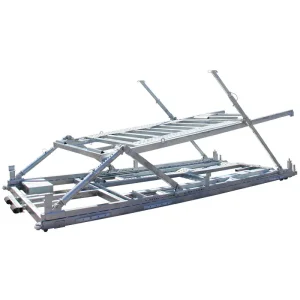
China Vehicle Transport Rack Logistics System
View Specification & Quote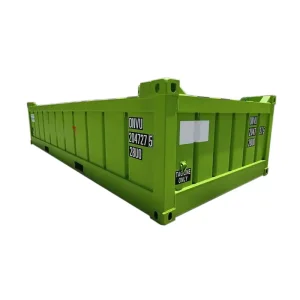
DNV Certified Offshore Half-Height Open Top Container
View Specification & Quote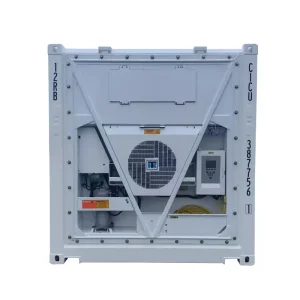
OEM 20ft DNV Offshore Refrigerated Container
View Specification & Quote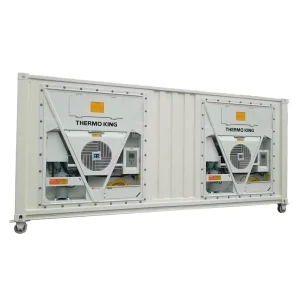
Classification Certified Blast Freezing Reefer
View Specification & Quote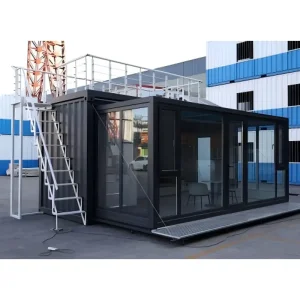
20ft Foldable Expandable Modular Container Unit
View Specification & Quote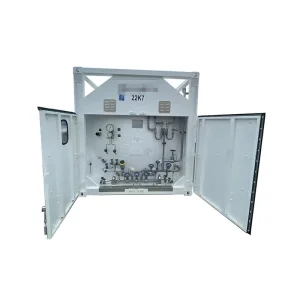
T75 20ft Cryogenic Liquid ISO Tank Container
View Specification & Quote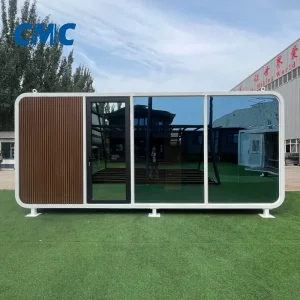
20ft Prefab Modular Container & Apple Cabin Pod
View Specification & Quote