Featured Marine & Intermodal Freight Units
Explore our top-tier export-standard units manufactured under BV (Bureau Veritas), DNV, and ISO quality management systems. All containers are engineered for immediate deployment across intercontinental maritime trade corridors.


Deconstructing China Sea Container Costs: Direct Manufacturer Index
Navigating sea container procurement requires understanding the direct correlation between metallurgical raw materials, marine-grade protective coatings, labor automation, and macroeconomic freight shifts. For global shipping liners, intermodal operators, and project developers, ex-factory quotes from China serve as the worldwide pricing benchmark.
The Manufacturer Cost Formula Explained
A typical FOB China Sea Container quote is calculated as: Unit Cost = (Weight of SPA-H Corten Steel × Spot Steel Index) + Floor Component (Apitong/Bamboo Composite) + Marine Zinc/Waterborne Coating + Automated Assembly Labor + CSC/BV Certification Overheads + Port Trucking Surcharge. Because China houses over 95% of worldwide container manufacturing capability, sourcing directly from primary fabrication clusters in Tianjin and the Yangtze River Delta eliminates trading intermediary markups of 12% to 28%.
| Container Classification | Standard Specification | Typical Tare Weight | Primary Cost Influencers | Benchmark Quote Corridor (USD) | Compliance Standards |
|---|---|---|---|---|---|
| 20ft Standard Dry (20GP) | 20' x 8' x 8'6" (Corten-A / SPA-H) | 2,180 - 2,250 kg | Hot-rolled weathering steel coil index | $1,750 - $2,350 | ISO 1496-1 / CSC |
| 40ft High Cube Dry (40HC) | 40' x 8' x 9'6" (Weathering Steel) | 3,800 - 3,920 kg | Structural framing, automated side-corrugation | $2,650 - $3,450 | ISO / BV / ABS |
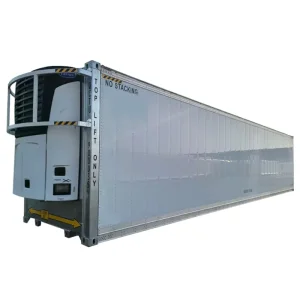
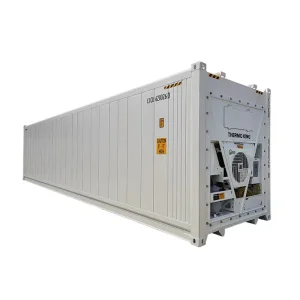
| 40ft High Cube Reefer (40RH) | Stainless interior, Daikin/Carrier/TK | 4,480 - 4,720 kg | Scroll compressor unit, PU vacuum foaming | $14,500 - $19,800 | ATP / ISO / CE |
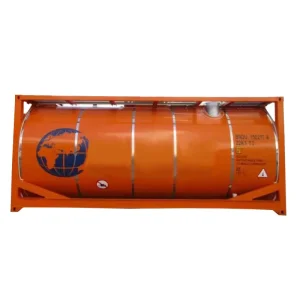
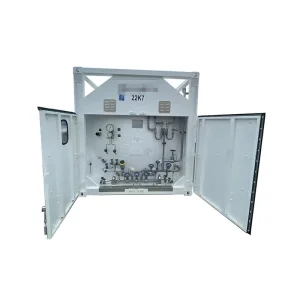
| 20ft ISO Tank (T11/T75) | 316L Stainless / Cryogenic Double Wall | 3,400 - 5,600 kg | Vessel wall thickness, vacuum insulation, valves | $18,000 - $38,000 | ASME / IMDG / ADR |
| DNV Offshore Cargo Unit | DNV 2.7-1 / EN 12079 Subsea Crash Frame | Variable by footprint | Charpy V-notch steel, sling proof certification | $4,800 - $11,500 | DNV GL / LR |
China Factory 4.0: Supply Chain Resilience & Efficiency Advantages
The competitive edge of Chinese sea container manufacturing has evolved from basic labor arbitrage into a heavily automated, digitally synthesized industrial ecosystem. Modern production lines combine multi-kilowatt fiber laser cutting, automated gantry submerged-arc welding, and VOC-compliant automated paint shops.
Continuous Flow Laser Fabrication
Automated high-speed coil uncoiling, flattening, and multi-axis laser stamping stations process SPA-H Corten steel plates with dimensional tolerances within ±0.3mm, radically reducing structural fatigue risks during multi-tier container vessel stacking.
Gantry Robotic Welding Stations
Side panel seam and structural corner-post welds utilize high-precision multi-torch robotic welders under active argon-CO2 shielding gas. This yields uniform weld penetration conforming to AWS D1.1 and ISO 15614 structural standards.
Automated Eco Shot-Blasting & Coating
Container shells pass through 16-wheel automated shot-blasting cabins reaching Sa 2.5 surface cleanliness, followed by waterborne zinc-rich primer and polyurethane topcoats, eliminating solvent emissions while guaranteeing 5-year marine anti-corrosion warranties.
Upstream Metallurgical Integration
With immediate pipeline proximity to major Chinese steel mills, fabricators secure volume allocations of weather-resistant Corten steel coils without long-distance domestic logistics surcharges or intermediate distributor handling markups.
Digital Traceability & MES Quality Control
Every shipping container is tagged with an encrypted serial identifier. Critical variables—including torque on door hardware, welding seam radiographics, paint dry film thickness (DFT), and water-tightness testing records—are digitally archived.
Global Enterprise Procurement: Evaluating Capex, Opex & Fleet Strategies
Savvy international procurement directors evaluate container sourcing through a comprehensive Total Cost of Ownership (TCO) paradigm. Calculating ex-factory quotes against maintenance cycles, payload tare efficiency, and one-way repositioning revenue transforms equipment acquisition from a balance-sheet expense into an optimized logistics asset.
Capital Expenditure vs. Leasing Arbitrage
When ocean freight cycles experience volatility, purchasing new containers directly from Chinese manufacturers frequently yields higher return-on-invested-capital (ROIC) compared to long-term operational leases (LTOL), particularly when asset lifespans exceed 12 to 15 years.
One-Way Cabotage Repositioning Credits
Buyers can leverage "One-Way Free-Use" agreements with freight forwarders or shipping lines. New builds from Tianjin, Qingdao, or Shanghai are loaded with commercial cargo bound for Rotterdam, Los Angeles, or Durban, eliminating empty repositioning transport costs.
Flooring Degradation & Life-Cycle Costs
Traditional tropical hardwood flooring (Keruing/Apitong) is subject to strict deforestation and customs fumigation scrutiny. Transitioning to 28mm high-density eco-bamboo composites reduces procurement costs by 4% while boosting fork-truck axle load ratings to 7,260 kg.
Pre-Shipment Technical Audits
Mitigating quality risk at origin is 10 times more economical than addressing defects at destination ports. Our factory quality teams mandate full light-tightness tests, dimensional diagonal laser verification, and corner casting magnetic particle inspections (MPI).
Macro Industry Solutions: Specialized Freight & Energy Architecture
Beyond standard dry intermodal boxes, global industrial supply chains require specialized container designs tailored to harsh operating conditions, extreme temperature profiles, and specialized mechanical handling requirements.
Pharma & Perishables Cold Chain
Deploying Daikin, Thermo King, and Carrier Transicold integrated units with micro-inverter power management. Ensures precise temperature containment between -35°C and +30°C for biologics, vaccines, and premium fresh produce with dual-sensor telematics verification.
Offshore Oil & Gas (DNV 2.7-1)
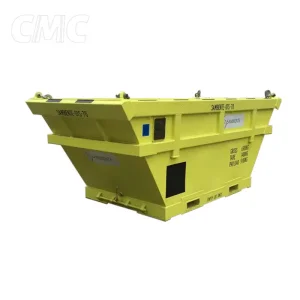
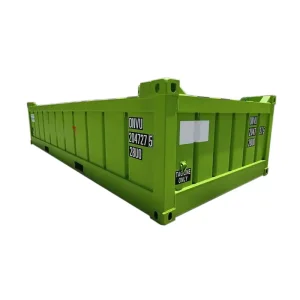
Manufactured with low-temperature impact steel (-20°C charpy test compliant) for North Sea and deepwater operations. Includes pad eyes, specialized silt containment baskets, and half-height ore bins engineered to endure dynamic wave-slamming loads.
Heavy Mining & Bulk Ore Logistics
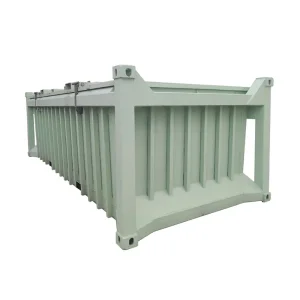
Reinforced half-height open-top units and high-capacity roll-over skips tailored for high-density copper, lithium concentrate, and iron ore extraction routes, featuring hardox-grade anti-abrasion liners and quick-release tipping doors.
Modular Prefab & BESS Energy Storage
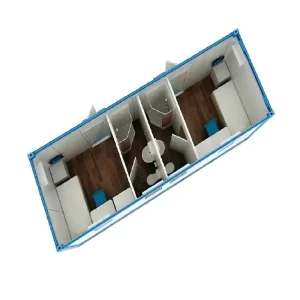
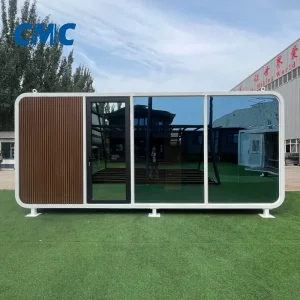
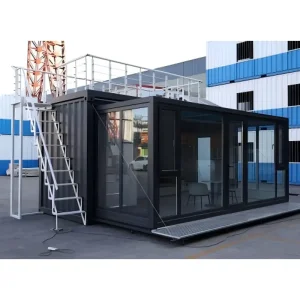
Converting ISO structural frameworks into high-spec modular housing, office pods, and Battery Energy Storage System (BESS) enclosures equipped with integrated fire suppression (FM200/Novec), thermal insulation, and HVAC cut-outs.
Technology Roadmap: Smart IoT, Decarbonization & Lightweight Alloys
The sea container industry is undergoing a digital and ecological transformation. Emerging smart tracking systems, ultra-low Global Warming Potential (GWP) refrigerants, and advanced metallurgical coatings are reshaping standard equipment manufacturing specifications.
Solar-Augmented Smart IoT Enclosures
Integration of flush-mounted thin-film solar roof cells charging low-power LoRaWAN and 5G cellular modems. Provides real-time geolocation, door-open intrusion logging, and internal payload acceleration monitoring across multi-week ocean voyages.
Zero-GWP Refrigerant Transitions
Pioneering natural refrigerants including R744 (Carbon Dioxide CO2) and ultra-low GWP alternatives in reefer compressor systems. Complies with the EU F-gas phase-down and US EPA AIM Act without compromising pull-down thermal efficiency.
Graphene-Infused Barrier Coatings
Next-gen anti-corrosion barrier coatings formulated with 2D nano-graphene platelets provide impermeable water and salt-mist defense, doubling salt spray corrosion test endurance from 1,440 hours to over 3,000 hours in C5-M marine environments.
High-Strength Lightweight Alloys
Implementing 700MPa high-yield-strength micro-alloyed weathering steels permits a 12% reduction in sidewall corrugated gauge while preserving ISO longitudinal compression strength, unlocking higher net payload tonnage per container.
Localized Support, Port-Proximate Hubs & Compliance Assurance
Container manufacturing excellence relies directly on international maritime certifications and rapid port dispatch. Strategically situated manufacturing bases in Tianjin and Suzhou—each under 100 km from major seaports—minimize transit friction and inland cartage surcharges.
International Marine Classification
Every batch is certified by independent classification societies including Bureau Veritas (BV), American Bureau of Shipping (ABS), and DNV, carrying permanent stainless steel CSC safety approval data plates stamped for world trade.
Port-Proximate Staging Yards
With primary assembly complexes in Tianjin Free Trade Pilot Area and Suzhou Industrial Corridor, equipment is delivered to container freight stations (CFS) at Tianjin Port or Shanghai Port within 2 to 4 hours of final inspection sign-off.
Customs Bonded Documentation (TIR/EPA)
Streamlined commercial invoicing, Certificate of Origin (Form E/RCEP), fumigation declarations, and manufacturer export licenses guarantee friction-free clearance across customs authorities in Europe, North America, Australia, and Africa.
OEM/ODM Engineering Sign-Off Gate
Before production commences, clients receive full 3D CAD modeling, structural finite element analysis (FEA), and an exhaustive component bill of materials (BOM), ensuring complete alignment on dimensional constraints and door configurations.
Enterprise Procurement Q&A: Sea Container Costs & Manufacturing
Detailed answers to critical technical and commercial questions posed by global fleet operators, logistics managers, and infrastructure investors sourcing from China.
What primarily drives unit price fluctuations in sea container quotes?
The dominant driver is the spot market price of Corten-A / SPA-H weathering steel, representing 55% to 65% of the total dry container production cost. Secondary drivers include marine coating raw materials (epoxy/polyurethane resins), energy costs for drying and welding lines, international currency exchange rates (USD/CNY), and local factory capacity utilization.
How does purchasing new containers compare to sourcing used units in China?
While high-grade used containers (CW - Cargo Worthy / IICL-5) offer a lower initial entry price, new one-trip containers deliver a guaranteed 15-year marine lifespan with full factory anti-corrosion warranties, pristine structural integrity, clean wooden or bamboo floors free of oil contamination, and valid 5-year CSC safety plates, significantly lowering total cost of ownership.
Can you engineer bespoke OEM/ODM dimensions and custom opening configurations?
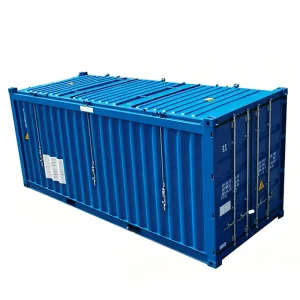
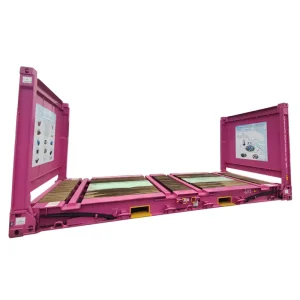
Yes. We specialize in custom OEM/ODM configurations including full side-opening bi-fold doors, heavy-duty industrial roll-up shutters, open-top units with removable steel hard-roofs or tarpaulins, insulated multi-compartment reefers, and reinforced flat-rack equipment designed for high-density machinery cargo.
Which third-party certifications accompany export container orders?
All export shipments are accompanied by official classification society certificates such as Bureau Veritas (BV), ABS, or DNV-GL. Offshore units are engineered and load-tested in strict compliance with DNV 2.7-1 / BS EN 12079, while cryogenic tank containers satisfy ASME Section VIII, IMDG, RID/ADR, and US DOT requirements.
What is the standard production lead time and minimum order quantity (MOQ)?
For standard ISO dry cargo containers (20GP and 40HC), production runs can commence within 10 to 14 days, with typical MOQs starting from 1 to 5 units for stocked standard lines, and 10 to 50 units for custom OEM profiles. Specialized reefer, tank, and offshore containers require 25 to 40 days for component sourcing and multi-stage testing.
How are units loaded and dispatched to minimize international freight fees?
We offer multiple strategic dispatch options: "One-Way Cargo Loaded" where units carry commercial export freight directly to your target destination port (often reducing transit costs to zero), standard "Shipper Owned Container" (SOC) maritime slot bookings, or nestable flat-pack and bundle shipping configurations for modular accommodation units.
Specialized Heavy Cargo, Tanks & Modular Systems
From bulk ore logistics and certified DNV offshore equipment to high-efficiency solar reefer cold storage and prefabricated modular housing, explore our specialized engineering product lines available for global export.