Engineered Conex Containers & Industrial Storage Units
Explore heavy-duty intermodal conex containers, temperature-regulated cold storage, and specialized offshore transport equipment manufactured to stringent international class approvals.
Global Industrial Landscape & Macro Storage Conex Solutions
A comprehensive examination of the modern steel intermodal storage conex container, analyzing metallurgy, structural load-bearing parameters, supply chain resilience, and cross-sector utility.
In modern industrial commerce and intermodal supply network operations, the storage conex container (originating from "Container Express") has evolved far beyond its historical role as a maritime freight vessel. Today, storage conex boxes represent self-contained, modular structural engineering solutions engineered from weathering steel (SPA-H Corten-A) to resist structural fatigue, high-load dynamic racking forces, and extreme weather degradation. As global supply chains encounter persistent volatility, infrastructure developers, mining corporations, petrochemical operators, and defense logistics agencies increasingly utilize customized conex containers as decentralized, secure, and transportable storage units capable of withstanding harsh operating environments without continuous maintenance.
As a leading Chinese conex container manufacturing complex operating since 1983 from Tianjin and Suzhou, our manufacturing plants integrate robotic automated seam welding, blast cleaning conforming to SA 2.5 standards, zinc-rich epoxy primers, and marine-grade acrylic finishes. This white paper breaks down the mechanical integrity, regulatory compliance, localized support ecosystems, and future smart container technologies that position Chinese heavy fabrication at the core of the global industrial storage container market.
Metallurgical Engineering & Structural Architecture of Conex Boxes
The core structural advantage of our factory-produced conex containers lies in the metallurgical properties of Corten-A steel (SPA-H). Unlike commercial mild carbon steel, Corten-A develops a dense passivating oxidation layer (patina) upon exposure to atmospheric moisture, which slows future corrosion by up to 80% in marine and industrial salt-spray environments. The structural envelope is engineered around four main components: corner castings, corner posts, longitudinal rails, and corrugated paneling:
Cast Steel Corner Blocks
Fabricated from low-temperature, heat-treated cast steel (SCW480 or equivalent), designed to absorb up to 86,400 kg of static vertical stacking load per post, conforming precisely to ISO 1161 geometry for twistlock interfacing.
Deep Corrugated Corten Panels
Roof panels (1.6 mm or 2.0 mm) and sidewalls (1.6 mm) feature hydraulic trapezoidal wave corrugations that maximize lateral flexural strength, preventing wall bowing under dense machinery storage.
Reinforced Floor Sub-Assemblies
Heavy C-channel bottom cross members (4.0 mm to 4.5 mm) spaced at 250 mm to 300 mm centers, supporting 28 mm marine-grade hardwood plywood or 4.5 mm steel chequered plating rated for 7,260 kg axle loads.
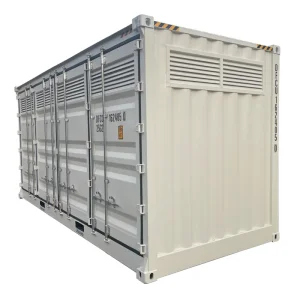
In addition to standard static storage configurations, industrial clients require turnkey conversions such as side-opening access doors, continuous mechanical ventilation louvers, integrated bunded retention sumps for hazardous waste containment, and thermal insulation packages (thickened polyurethane or stone rockwool lining). By manufacturing directly at our production facilities located within 100 km of the Port of Tianjin and regional hubs in Suzhou, our operations cut inland logistics costs and protect lead times for bulk fleet consignments to international destinations across North America, Europe, Africa, and Latin America.
Sourcing Conex Containers from China: Strategic Value & Logistics Directives
Evaluating the supply chain economics, port-proximate infrastructure, and raw material clustering that make Chinese conex manufacturing competitive for international fleet asset procurement.
Raw Material Clustering
Direct supply ties with top-tier steel mills guarantee uncompromised mill test certificates for SPA-H Corten steel, mitigating plate thinning and price spikes.
Port-Proximate Facilities
Bases located ~100 km from Tianjin seaport cut drayage overhead, allow efficient pre-trip inspections (PTI), and simplify fast terminal gate-in.
CSC Safety Approvals
Every dry conex and reefer unit leaves the plant with an operational CSC plate approved by Bureau Veritas (BV) or CCS, allowing immediate ocean transport under payload.
Integrated Cold Systems
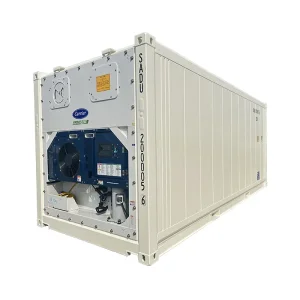
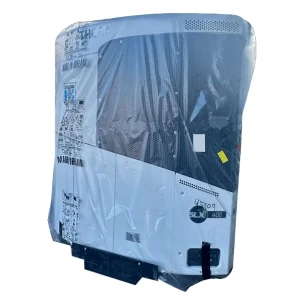
Direct OEM assembly line integration with world-class refrigeration manufacturers: Thermo King, Daikin, and Carrier Transicold units installed and pre-tested.
In international commercial deployments, procurement teams face a critical decision: buy new "one-trip" factory containers or source used second-hand units. While used conex boxes provide short-term budget relief for non-critical yard storage, industrial sites working under safety or environmental rules increasingly choose new OEM builds. One-trip factory containers guarantee structural alignment, air/water tightness (WWT), uncompromised door gaskets, and clean certifications without chemical residue or concealed frame fatigue.
Global Compliance, Quality Certifications & Engineering Standards
Ensuring intermodal safety, structural payload verification, and environmental compliance across international jurisdictions.
Operating a fleet of storage conex containers across diverse global regulatory jurisdictions demands comprehensive compliance with international classification society standards. Our factory maintains a certified Quality Management System complying with ISO 9001:2015, with container product designs audited, type-tested, and certified by Bureau Veritas (BV), China Classification Society (CCS), and Det Norske Veritas (DNV).
CSC Safety Convention (1972)
Every standard dry and refrigerated conex box is fabricated under the International Convention for Safe Containers (CSC). Units undergo structural testing for transverse racking, longitudinal end-wall/side-wall strength, and dynamic lifting loads.
DNV 2.7-1 / EN 12079 Offshore
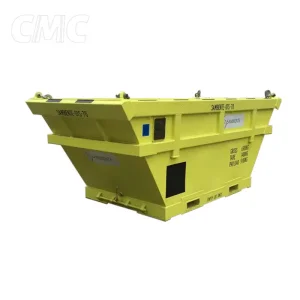
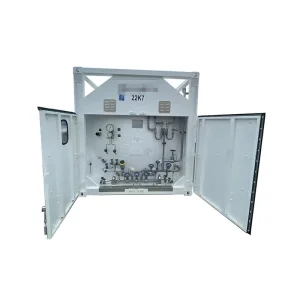
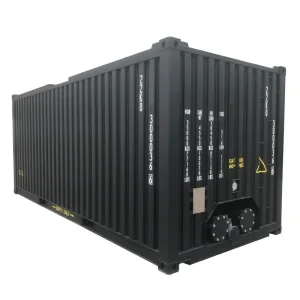
For offshore exploration and subsea rig operations, our specialized cargo baskets and dry units are built to DNV 2.7-1 standards. Includes Charpy impact-tested structural steel, non-destructive weld testing (NDT), and rated 4-point pad eye assemblies.
TIR & Dangerous Goods (DG)
Custom hazardous material storage conex containers incorporate safety features aligned with international DG regulations. Includes spark-resistant ground terminals, continuous flow ventilation, explosion-proof light fittings, and high-capacity bunded sumps.
| Classification Standard | Governing Agency / Authority | Applicable Equipment Range | Core Verification Parameters |
|---|---|---|---|
| ISO 1496-1:2013 | International Organization for Standardization | Series 1 General Cargo Conex (20ft, 40ft, 40HC) | Static 9-high stacking load tests (up to 216,000 kg), floor deflection, weather tightness |
| DNV 2.7-1 / EN 12079 | DNV GL / European Committee for Standardization | Offshore Baskets, Silt Baskets, Platform Boxes | Charpy V-notch toughness at -20°C, 2.5x dynamic proof load testing, MPI/UT weld testing |
| ISO 1496-2 / ATP | UN Economic Commission / Classification Societies | Reefer Containers (10ft, 20ft, 40HC) | K-factor overall heat transfer coefficient (<0.4 W/m²K), air-leakage rates, thermal stability |
| UN T75 / ASME VIII | International Maritime Organization (IMO) | Cryogenic Liquid & Bitumen Tank Containers | Hydrostatic pressure containment, double-wall vacuum insulation vacuum rate, relief valves |
Localized Applications & Field Engineering Scenarios
How global industries rely on specialized conex containers for critical storage, tactical energy supply, and operations in harsh environments.
Remote Mining Staging
In high-dust, remote mineral operations across Western Australia and Sub-Saharan Africa, conex containers act as dust-sealed tool cribs, drill core sample archives, and secured explosive magazine lockers with heat-dissipating, fire-retardant wall linings.
Volatile Chemical Enclosures
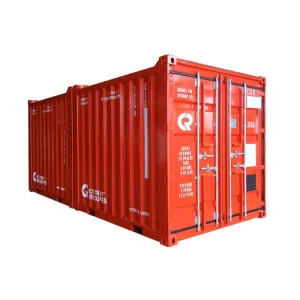
Refineries and oil terminals use specialized 20ft High-Cube Dangerous Goods storage containers equipped with full-length side-opening doors, grated drainage walkways, and containment sumps to secure drums against spills and soil contamination.
Perishable Cold Storage
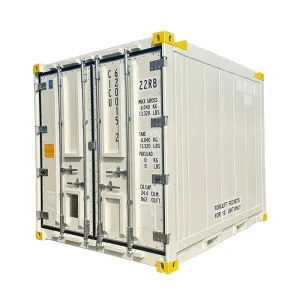
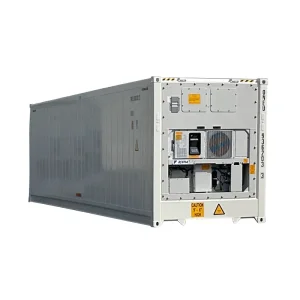
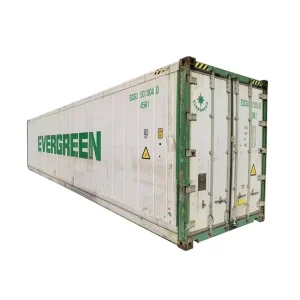
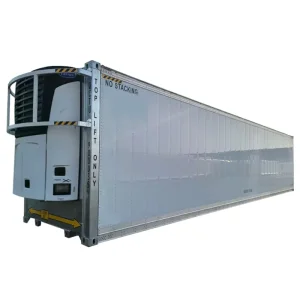
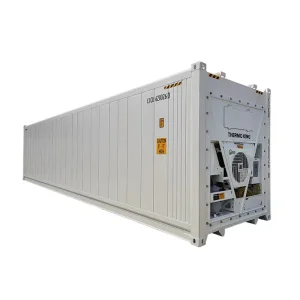
Supermarket distribution centers, pharmaceutical warehouses, and seafood processing plants deploy 40ft High-Cube Reefer Containers with Carrier X4 or Thermo King refrigeration units as walk-in cold rooms maintaining precise settings from -30°C to +30°C.
Subsea Rig Supply
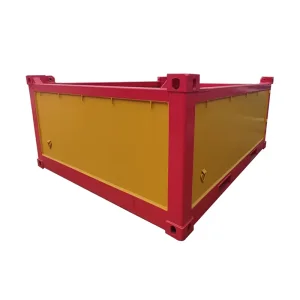
Offshore oil platforms operating in the North Sea and Gulf of Mexico require DNV-certified dry cargo containers, silt baskets, and tubular tool baskets designed with high-grade marine lifting slings to handle dynamic swell movements during vessel cranes operations.
Rapid Deployable Camps
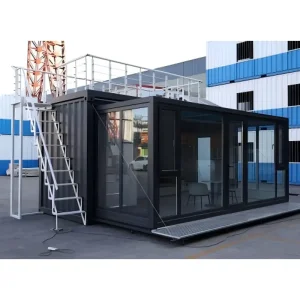
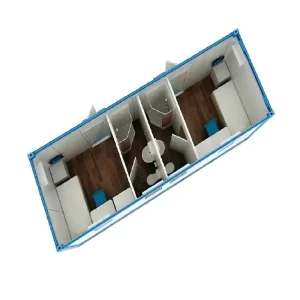
Turnkey expandable and foldable modular container homes supply on-site accommodation, field command offices, medical clinics, and sanitary facilities for infrastructure projects and post-disaster humanitarian aid missions.
BESS & Power Generation
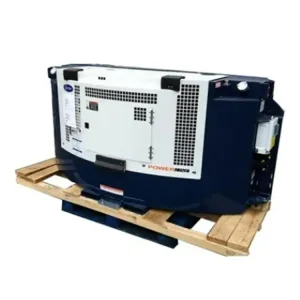
Energy developers use modified 20ft and 40ft conex containers as structural shells for utility-scale Battery Energy Storage Systems (BESS) and containerized diesel generator stations featuring integrated intake louvers, baffles, and fire suppression.
Engineering Roadmap: The Next Generation of Smart Storage Containers
Emerging manufacturing technologies, IoT-enabled telematics, decarbonized coatings, and structural innovations reshaping container utility through 2030.
IoT Edge Telematics & Remote Auditing
Deployment of low-power satellite-cellular IoT nodes within conex frames. Sensors capture internal humidity, intrusion, temperature, and structural shock in real time, feeding directly into cloud ERP dashboards.
Zero-VOC Waterborne Eco-Coatings
Replacing traditional solvent-based polyurethane with waterborne epoxy-siloxane coatings that cure into dense non-porous barriers. Lowers volatile organic emissions while improving salt-fog corrosion resistance to 3,000+ hours (ASTM B117).
Aerogel Vacuum Composite Insulation
Integrating silica aerogel blankets and vacuum-insulated panels (VIPs) within reefer and insulated container walls. Reduces insulation wall thickness by 45%, expanding internal payload volume while cutting refrigeration compressor power draw by 28%.
As international sustainability directives (such as the EU Corporate Sustainability Due Diligence Directive) take effect, container manufacturing must balance high structural durability with lower embodied carbon. Our factory invests in continuous electric arc furnace (EAF) steel sourcing, high-efficiency robotic welding cells that reduce weld spatter and material waste, and circular refurbishment programs for used maritime conex fleets.
Frequently Asked Questions: Sourcing & Engineering Conex Containers
Clear, practical answers covering manufacturing specifications, procurement workflows, custom modifications, and international shipping protocols.
Technically, there is no structural difference. The term "Conex" (Container Express) originates from historic military logistics and has become the industry standard term in North America and heavy industry for intermodal, ISO-dimensioned steel storage containers built to ISO 668 and CSC specifications.
Corten-A contains trace alloy additions of copper, chromium, and nickel. When exposed to outdoor moisture, it forms a dense, self-healing oxide patina that protects the base steel. This prevents deep structural oxidation and delivers an operational lifespan of 25+ years in harsh industrial or marine conditions.
Yes. Our engineering department reviews customer load cases, thermal needs, and door configurations. We produce detailed 3D CAD/SolidWorks shop drawings for approval, building custom side-opening doors, roller shutters, insulation packages, ventilation louvers, and bunded floor sumps.
DNV 2.7-1/EN 12079 offshore units undergo rigorous verification: Charpy impact testing of all primary structural steel at -20°C, non-destructive ultrasonic and magnetic particle weld inspections, 2.5x gross weight static lift tests, and 4-point sling drop tests overseen by certified classification surveyors.
We maintain direct OEM partnerships with Carrier (e.g., PrimeLINE, X4), Thermo King (e.g., Magnum Plus, SLXi), and Daikin (e.g., LXE series). Machinery is mounted, wired, vacuum-tested, charge-filled, and pre-trip inspected (PTI) before clearing factory dispatch.
Standard ISO dry containers generally complete production within 15 to 25 business days depending on volume. With plants located ~100 km from Tianjin seaport, finished units are trucked directly to port terminals, with complete CSC certification and customs paperwork cleared for export shipment worldwide.
Specialized Conex Containers, Cryogenics & Secondary Fleet Inventory
Explore specialized cryogenic liquid tanks, insulated enclosures, portable diesel refrigeration systems, and certified second-hand intermodal containers.