Engineered Equipment Portfolio
Primary Intermodal Fleet & Special Equipment
Direct factory allocation engineered to meet strict international maritime safety criteria, CSC testing requirements, and DNV offshore parameters.
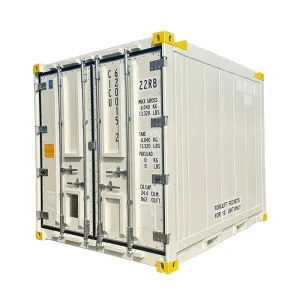
High-Quality New 10ft Certified Thermo King Freezer Container
View Engineering Specs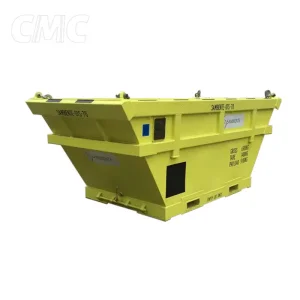
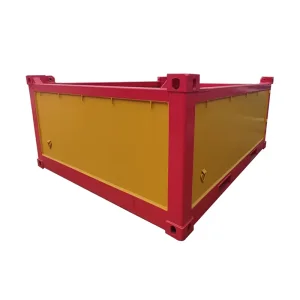
Famous DNV Certification Silt Basket Container for Marine Operations
View Engineering Specs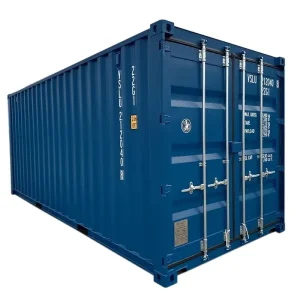
Buy New 20ft Double Door Dry Cargo Shipping Container
View Engineering Specs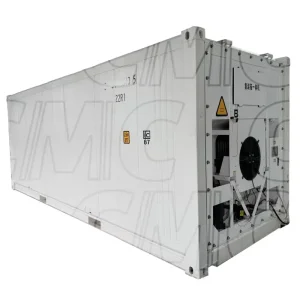
ODM Smart Chain Cold Storage 20ft/40ft Solar Reefer DC Inverter
View Engineering Specs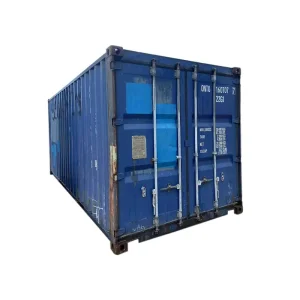
ODM 40ft Used Dry Cargo Shipping Container Inspected Units
View Engineering Specs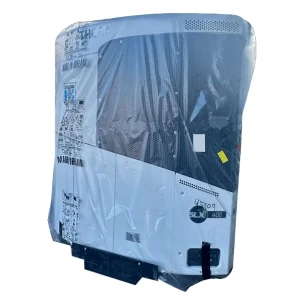
Famous TK SLXI Mobile Power Generation Trailer Cooling Unit
View Engineering Specs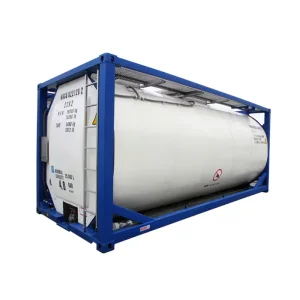
Buy ISO Standard 20ft Versatile Chemical Tank Container
View Engineering Specs
Industrial State of the Art
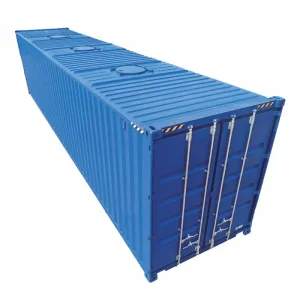
The Commercial Landscape of 40HC Open Top Containers
Addressing the structural integrity, high-cube cubic clearance, and dynamic overhead loading demands across heavy engineering, renewable infrastructure, and bulk raw processing.
Defeating Cubic & Height Restrictions
The 40ft High Cube Open Top (40HC OT) container represents an essential asset for cargo that exceeds standard 8ft 6in interior height limitations. By delivering 9ft 6in (2,896mm) exterior dimensions, procurement teams clear heavy industrial turbines, oversized industrial valves, and long pipe geometries through top-loading overhead gantries without sacrificing intermodal rail and sea compatibility.
Structural Rigidity & Removable Headers
Without a fixed corrugated steel roof, load paths are transferred to reinforced top side rails, rugged corner posts, and an engineered swing-out or removable rear door header. Our Corten-A engineering ensures full structural load distribution under heavy stack conditions (up to 9-high container vessel stacking) while maintaining water-tight integrity via heavy-duty PVC tarpaulins and TIR cords.
Global Multimodal Interoperability
Navigating from international deep-water ports directly to transcontinental railway networks requires unified corner casting certification. Built strictly to ISO 1496-1 specifications, these containers undergo longitudinal rack tests, end-wall stiffness verification, and floor strength trials handling axle loads of 5,460 kg, meeting all International Convention for Safe Containers (CSC) criteria.
Precision Engineering Standards
40HC Open Top Technical Parameters vs Standard Fleet
Rigorous comparisons of structural envelope dimensions, maximum loading tolerances, and architectural features designed for heavy cargo handling.
| Dimensional & Mechanical Attribute | 40ft High Cube Open Top (40HC OT) | 40ft Standard Open Top (40GP OT) | 40ft High Cube Standard Dry (40HC) | Testing & Compliance Protocol |
|---|---|---|---|---|
| External Dimensions (L × W × H) | 12,192 × 2,438 × 2,896 mm | 12,192 × 2,438 × 2,591 mm | 12,192 × 2,438 × 2,896 mm | ISO 668 Series 1 Freight Containers |
| Internal Dimensions (L × W × H) | 12,032 × 2,352 × 2,655 mm | 12,032 × 2,352 × 2,350 mm | 12,032 × 2,352 × 2,698 mm | Internal volumetric clearance analysis |
| Roof Opening Dimensions | 11,836 × 2,228 mm | 11,836 × 2,228 mm | N/A (Fixed Roof) | Clear overhead gantry entrance standard |
| Door Opening (Width × Height) | 2,340 × 2,580 mm | 2,340 × 2,280 mm | 2,340 × 2,585 mm | Swing-out header clearance included |
| Max Gross Weight (Rating) | 30,480 kg (32,500 kg Optional) | 30,480 kg | 30,480 kg / 32,500 kg | ISO 1496-1 Dynamic Load Simulation |
| Tare Weight (Estimated) | 4,150 kg | 3,850 kg | 3,900 kg | Reinforced bottom rails & Corten framing |
| Payload Capacity | 26,330 kg | 26,630 kg | 26,580 kg | Payload-to-weight structural optimization |
| Cubic Capacity | 75.1 m³ (2,652 cu.ft) | 66.5 m³ (2,348 cu.ft) | 76.3 m³ (2,694 cu.ft) | Tarp-sealed internal usable envelope |
Future Outlook
Technological Roadmap & Market Evolution (2025–2030)
Forward-looking manufacturing principles integrating lightweight high-yield alloys, IoT dynamic telemetry, and robotic zinc-rich automated coating lines.
1. Smart IoT Roof Sensor Telemetry
Next-generation open-top containers feature integrated edge IoT systems embedded in the corner castings and perimeter roof bows. These sensors continuously monitor canvas tension, tarp tamper-detection, dynamic moisture infiltration, and vertical G-force shocks during rail hump-switching, providing real-time data streaming over satellite or 5G bands directly to cloud-based supply chain management systems.
2. High-Strength Ultra-Light Alloys
Through progressive metallurgical research, manufacturers are replacing conventional steel grades with thermo-mechanically rolled high-strength Corten variants. This structural re-engineering reduces unit tare weight by up to 8% while raising yield strengths beyond 450 MPa. Procurement operators capture substantial fuel efficiencies across multi-thousand-mile rail corridors while increasing net legal payload margins.
3. Low-VOC Waterborne Zinc Priming
Environmental regulations across Europe and North America demand zero-solvent fabrication. Modern production facilities utilize automated multi-axis robotic blasting followed by eco-conscious, waterborne zinc silicate primer applications and epoxy topcoats. This automated technique establishes a minimum 10-year anti-corrosion barrier in extreme saline, high-humidity offshore maritime conditions.
Global Deployment Scenarios
Macro Solutions for Mission-Critical Engineering
Examining real-world heavy asset deployment across mining corridors, energy projects, industrial automation setups, and specialized manufacturing plants.
Wind & Hydro Energy Sectors
Turbine gearboxes, generator components, and hydraulic drive assemblies feature non-standard heights that exceed traditional closed container frames. The 40HC OT provides complete overhead crane positioning flexibility while ensuring robust marine vessel stowage below deck.
Mining Equipment Operations
Heavy crushers, conveyor drives, and drill heads require top-down sling placement. With high-yield bottom side rails, multi-point lashing rings rated at 1,500 kg to 2,000 kg each, and solid timber floors, cargo remains stabilized across challenging haul routes in remote sites.
Industrial Processing Modules
Factory operators moving continuous assembly equipment, precision lathes, and metal rolling units utilize the removable rear header feature. Forklifts or overhead bridge cranes lower equipment directly onto internal tracks without striking vertical doorway headers.
Infrastructure & Raw Glass Stacks
Transporting extra-large float glass on custom steel A-frames involves unique clearance issues. The high-cube profile delivers 300mm extra headroom compared to standard open tops, providing the exact clearance required for deep highway clearances and crane rigging.
Technical Clarifications
Frequently Asked Questions for Sourcing Directors
Detailed technical specifications, operational insights, maintenance protocols, and regulatory details for procurement teams.
How does the 40HC Open Top maintain structural integrity without a fixed steel roof?
A standard dry cargo container relies on corrugated roof panels to assist in resisting racking and diagonal torsion. To compensate, a 40HC Open Top uses enhanced, extra-thick Corten-A steel corner posts, reinforced bottom side sills, and heavy top side rails. It also incorporates removable steel roof bows that brace the top rails while supporting the heavy-duty PVC canvas tarp. A specialized hinged or fully removable rear header locks into place during transit to complete the structural box envelope.
What is the distinction between a Hard Top and a Soft Top 40HC Open Top?
A Soft Top unit employs removable steel roof bows covered with a heavy-duty, waterproof PVC tarpaulin secured with a continuous TIR cable. This provides loading flexibility for cargo that protrudes slightly above the roof line. A Hard Top unit features a removable, fully rigid steel roof panel that can be hoisted off via crane. Hard tops offer higher anti-theft security and weatherproofing identical to a standard dry box while retaining top-down loading capabilities.
Can oversized cargo exceeding the exterior top rail height be shipped in these units?
Yes. These situations are classified as "In-Gauge" (within container envelope) or "Out-of-Gauge" (OOG). When machinery extends above the 9ft 6in exterior roof line, the container is shipped with the roof bows removed or stored within, leaving the cargo exposed at the top under specialized over-height tarpaulins or protective wrapping. Note that OOG cargo incurs carrier slot surcharges because containers cannot be stacked directly above it on maritime vessels.
What certification standards must an open-top container satisfy for ocean freight?
Every container must hold a valid CSC (International Convention for Safe Containers) safety plate and undergo strict third-party certification by societies such as Bureau Veritas (BV), ABS, Lloyd's Register, or DNV. The unit undergoes rigorous load tests, including corner post compression (stacking capacity up to 216,000 kg), longitudinal racking, transverse racking, and floor strength testing adhering to ISO 1496-1 parameters.
What flooring materials and internal tie-down configurations are provided?
Standard units come with 28mm marine-grade hardwood plywood treated for pest resistance under Australian quarantine requirements (AQIS). For heavy mineral and scrap logistics, 4.0mm to 6.0mm checker steel plate flooring is available. For cargo securement, recessed lashing rings with working load limits (WLL) of 1,500 kg to 2,000 kg each are welded along the lower side sills, corner posts, and top rails.
Extended Fleet Catalog
Specialized Modular, Tank & Cold Chain Equipment
Explore our full line of specialized containment options, bulk gas carriers, offshore structures, and customized transport assets.
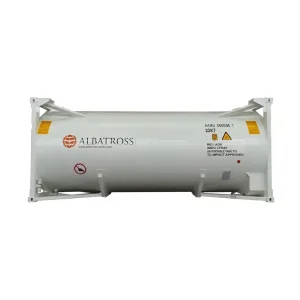
China 25000 Liters ISO 20ft Gas Tank Container for Bulk Transport
View Engineering Specs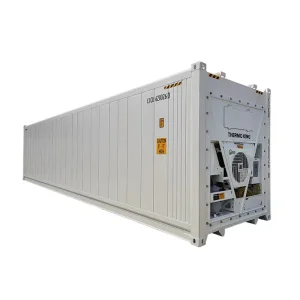
OEM New 40ft High-Cube Certified Reefer Shipping Container
View Engineering Specs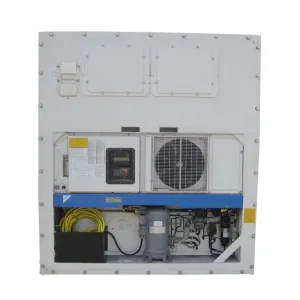
Buy Refrigeration Equipment / Cooling Unit For Cold Chains
View Engineering Specs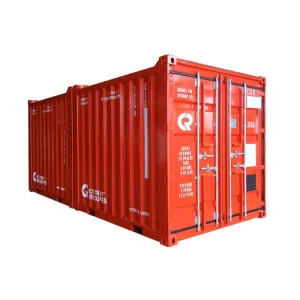
Buy New DNV Certification Offshore Dry Cargo Container Unit
View Engineering Specs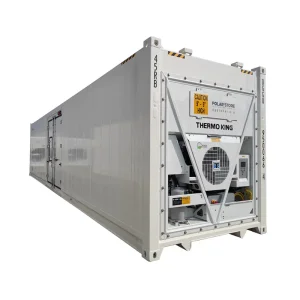
Famous 40ft High-Cube Side Open Door Reefer Container
View Engineering Specs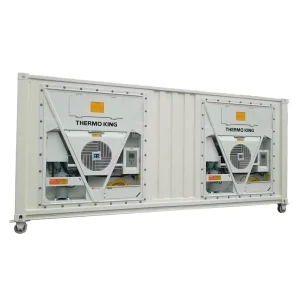
High-Quality New Blast Reefer Containers Class Society Certified
View Engineering Specs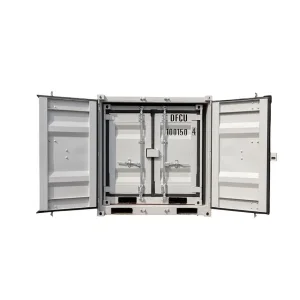
High-Quality Nested Mini Storage Containers 4ft–12ft Solutions
View Engineering Specs