Famous Container Wide s Factories & Exporters
Precision-Engineered Pallet-Wide, High-Cube, Reefer, and Intermodal Engineered Shells Driving Next-Generation Global Logistics & Smart Transport Infrastructure
Featured Industrial Cargo & Specialized Logistics Units
Pre-inspected, ISO-certified, and custom-tailored container assets ready for immediate port departure and multi-modal integration.

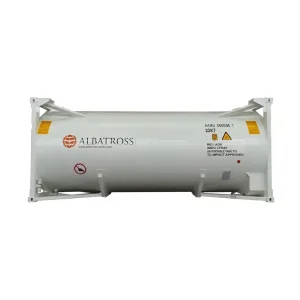
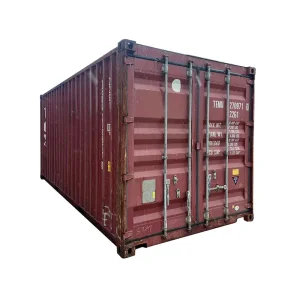
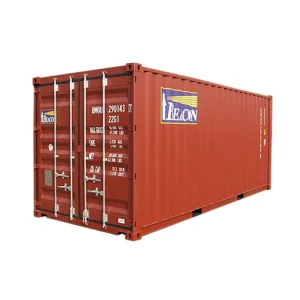
The Global Commercial Landscape of Container-Wide Solutions
An in-depth perspective on why intermodal operators, retail giants, and industrial supply lines are moving beyond restrictive standard ISO footprints.
In contemporary intermodal freight operations, volumetric efficiency represents the single greatest lever for margin improvement. Standard ISO shipping containers—historically configured to an exterior width of 8 feet (2,438 mm)—were established decades ago before the ubiquity of standardized Euro-pallets (1,200 × 800 mm) and ISO standard pallet systems. As global supply networks prioritize lean distribution, the emergence of Container Wide s Factories & Exporters specializing in pallet-wide configurations, custom high-cube modifications, and side-access engineering has permanently reshaped overland and short-sea trade dynamics.
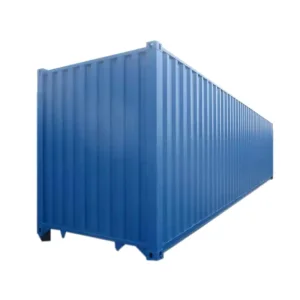
Modern container-wide units are engineered with a marginally wider internal clearance (typically 2,460 mm to 2,500 mm), permitting the side-by-side placement of two standard Euro-pallets without interior void space. This dimensional adjustment increases the total pallet floor space in a 40ft unit from 25 pallets up to 30 or 33 pallets, translating directly to an instantaneous 20% to 30% surge in logistical payload efficiency. For high-volume, low-density cargo categories—ranging from fast-moving consumer goods (FMCG) and automotive components to pharmaceutical consignments—this geometry yields dramatic fuel burn reductions, reduced shipping container handling runs, and a lowered overall carbon footprint per ton-kilometer.
Strategic Dimensions Comparison: Standard ISO vs. Optimized Pallet-Wide Geometries
| Container Specification | Standard ISO 40ft High Cube | Optimized Pallet-Wide 40ft HC | Efficiency Delta / Strategic Benefit |
|---|---|---|---|
| External Dimensions (L × W × H) | 12.192 × 2.438 × 2.896 m | 12.192 × 2.484 – 2.500 × 2.896 m | Compliant with standard chassis and corner castings |
| Internal Width Clearance | 2.352 m | 2.460 – 2.470 m | Permits two 1,200 mm Euro-pallets side-by-side |
| Euro-Pallet (1200×800mm) Capacity | 24 to 25 Units | 30 to 33 Units | +20% to +32% volumetric cargo consolidation |
| Internal Volume | Approx. 76.2 – 76.4 m³ | Approx. 79.5 – 82.0 m³ | Maximum utilization for low-density payload classes |
| Structural Steel Grade | Corten-A / SPA-H Steel | Ultra-High Yield SPA-H Cor-Ten | Compensates for thinner wall corrugation geometries |
| Primary Transport Modalities | Deep-sea transoceanic line haul | Short-sea, European rail corridors, domestic intermodal | Eliminates double handling and pallet repacking costs |
Industry Trends: The Next Decade in Advanced Container Engineering
How automation, lightweight metallurgy, telematics, and circular modularity are reinventing the global container manufacturing sector.
Aerospace-Grade Metallurgy & Weight Reduction
By employing cold-formed SPA-H Corten steel alloys alongside composite floorboards and ultra-thin, high-rigidity profiled side-walls, top-tier factories achieve substantial tare weight reductions. Lower deadweight translates to higher net payload allowance on weight-restricted highways.
IoT Telematics & Autonomous Atmosphere Control
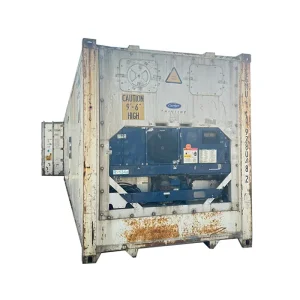
Modern reefer and specialized containers integrate satellite-linked telematics monitors. Real-time logging of internal relative humidity, core cargo temperature, oxygen/CO2 balance, and door intrusion records empowers proactive asset protection and cold chain certification.
Dynamic Thermal Barrier & Insulation Advances
Next-generation vacuum insulated panels (VIP) and cyclically blown polyurethane foam reduce wall thickness while enhancing thermal resistance (k-values). This technology optimizes internal load dimensions without compromising deep-freeze preservation down to -60°C.
Dual-End & Lateral Loading Configurations
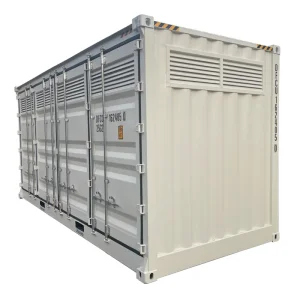
To reduce port turnaround times, manufacturers emphasize high-cube units with full side-opening bifold doors and roll-up shutters. Forklift staging can occur instantaneously along the entire lateral axis, revolutionizing logistics for oversized crated machinery and defense freight.
Circular Economy & Modular Architectural Repurposing
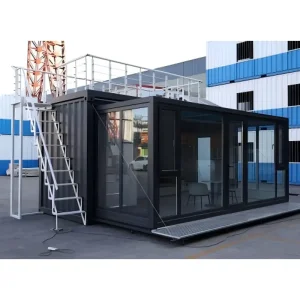
Factory-engineered intermodal shells are increasingly constructed with structural anchor points that anticipate secondary usage. Precision laser cuts, pre-stressed header beams, and modular thermal sleeves accelerate the retrofit cycle into mobile laboratories, data centers, and expandable housing units.
Localized Application Scenarios & Operational Deployments
Tailored structural configurations delivering performance across diverse regional industries and extreme physical operating environments.
European & Eurasian Rail Freight Corridors
Pallet-wide units serve as the backbone of trans-Eurasian rail lines. Because standard sea containers leave wasteful lateral clearances when loaded with standardized Euro pallets, wide containers achieve max payload efficiency across thousands of kilometers of track, cutting multi-modal transit costs.
Sub-Saharan Agricultural Cold Chain Networks
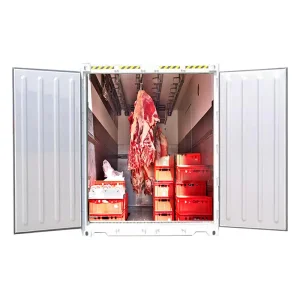
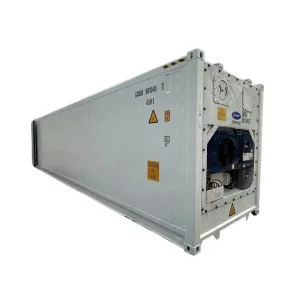
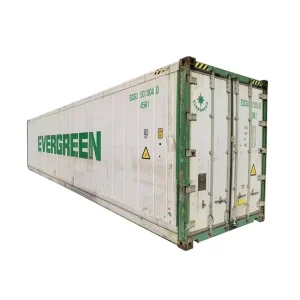
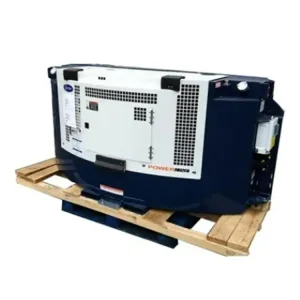
Exporting fresh perishables across Africa requires robust, autonomous cold chain units. Deploying 40ft High Cube reefer units equipped with heavy-duty clip-on diesel generator sets guarantees steady temperature maintenance despite regional electrical grid fluctuations during long-haul transit.
North Sea & Gulf of Mexico Offshore Operations
Harsh marine operations demand DNV 2.7-1 / EN 12079 certified offshore dry boxes and half-height ore containers. Engineered to withstand high dynamic impact loading, extreme wave crest slams, and salt spray exposure, these units provide secure transport of heavy tools and drilling core samples.
Automotive Complete Knock-Down (CKD) Transport
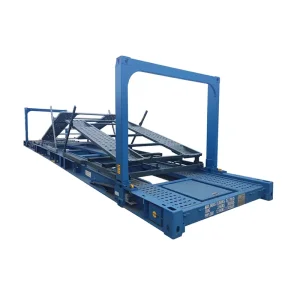
Specialized vehicle carriers and wide-profile rack systems secure multi-vehicle loads within rigid structural steel envelopes. By maximizing interior clearance, exporters safely stage electric vehicles, powertrains, and stamping assemblies with zero contact and streamlined chassis roll-off.
Technical Roadmap & Future Outlook: Towards 2035
Predictive engineering phases driving safety, automation, life-cycle longevity, and carbon-neutral intermodal production.
Phase 1: Precision Robotic Assembly & Anti-Corrosion (Current)
Implementation of 100% automated continuous seam robotic welding cells alongside solvent-free waterborne zinc coatings. These advances eliminate micro-fractures, raise structural fatigue limits under dynamic wave heave, and significantly lower VOC production emissions.
Phase 2: Sensorized Structural Health Monitoring (2025–2028)
Embedding strain gauges, fiber-optic stress filaments, and real-time impact sensors into corner post casting structures. Shippers will receive automated alerts when a container experiences mechanical shocks beyond allowable CSC testing thresholds during crane handling.
Phase 3: Integrated Solar Skins & Autonomous Cryogenics (2028–2032)
Integrating flexible thin-film photovoltaic skins into container roof panels. These power systems capture solar energy during maritime deck carriage to support battery-assisted refrigeration and telemetry systems, reducing fossil-fueled auxiliary generator fuel consumption.
Phase 4: Full Life-Cycle Digital Twins & Circular Certification (2032–2035)
Every manufactured serial unit will deploy with a cryptographically secure digital twin detailing exact steel batch mill certificates, repair history, structural strain profiles, and pre-calculated modular architectural retrofit plans for sustainable secondary decommissioning.
Macro Solutions for Global Supply Chains & Fleet Sourcing
A systematic operational roadmap designed to mitigate procurement risk, optimize freight expenditure, and ensure absolute regulatory compliance.
1. Rigorous Structural Audits & Traceable Mill Testing
Tier-1 manufacturing operations prioritize material transparency. Procuring agencies receive comprehensive metallurgical test reports confirming tensile strength, yield points, and chemical composition of Corten SPA-H steels, accompanied by Bureau Veritas (BV) or DNV certification inspection witness stamps.
2. Geographic Positioning & Rapid Port Staging
Operating manufacturing facilities located approximately 100 km from major shipping hubs—such as Tianjin and Suzhou—minimizes internal repositioning costs. Direct intermodal rail links and short highway transit corridors keep export delivery schedules reliable even during peak congestion periods.
3. Flexible CapEx Allocation: New Builds vs. Certified Pre-Owned
Balancing capital deployment between custom-engineered OEM/ODM runs and certified 85%–90% new second-hand containers lets fleet managers control budgets effectively. Certified used reefers and dry storage boxes provide immediate operational capacity at a lower cost basis.
4. Holistic Regulatory Compliance (CSC, TIR, UIC, ISO)
Every unit leaving the assembly line holds valid Convention for Safe Containers (CSC) safety approvals, Customs Convention on International Transport of Goods (TIR) seals, and International Union of Railways (UIC) certifications, guaranteeing friction-free border transits across international boundaries.
Frequently Asked Questions on Specialized Container Sourcing
Detailed technical, dimensional, and operational answers addressing the core questions of procurement officers and fleet managers.
What distinguishes a container-wide (pallet-wide) container from a standard ISO unit?
Can pallet-wide and custom specialized containers be stacked on standard ocean container vessels?
What specific certifications should buyers demand when procuring specialized and offshore units?
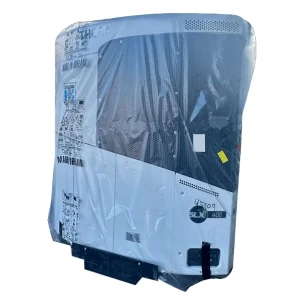
What refrigeration unit options are available for new and used reefer containers?
How do factory OEM/ODM engineering customization processes work for non-standard shells?
What is the expected operational lifespan of a heavy-duty Corten steel container?
Additional Heavy-Duty, Modular & Certified Freight Solutions
Explore our extended series of modular living pods, bulk grain units, side-access hazmat shells, and specialized rolling stock.