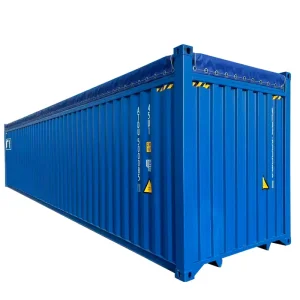
High-Integrity Hazardous & Specialized Logistics Containers
Inspect our primary certified solutions: engineered for high durability, structural rigidity, extreme thermal resistance, and chemical containment security.
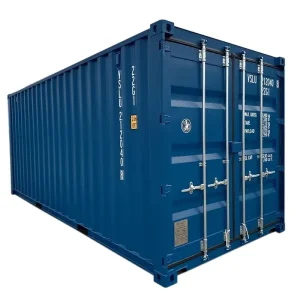
Buy New 20ft Double Door Dry Cargo Shipping Container Products, Manufacturers
View Engineering Specs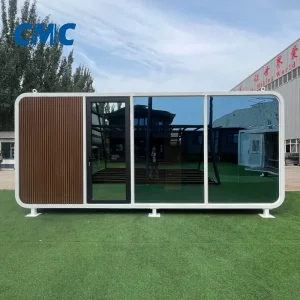
Famous 20ft Prefab Container House Flat Pack Modular House Office Tiny House Outdoor apple Cabin Office Pod Garden Office Pod Manufacturer, Product
View Engineering Specs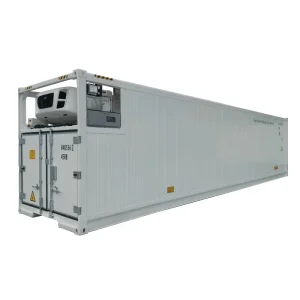
Famous New 40-foot high cube & 45-foot "Belt and Road" railway refrigerated container. Product, Products
View Engineering Specs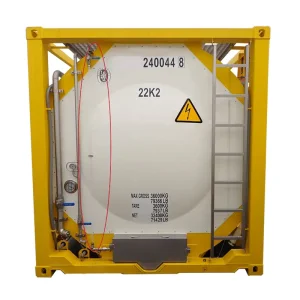
ODM 20ft Tank Container for Alcohol Manufacturer, Quotes
View Engineering Specs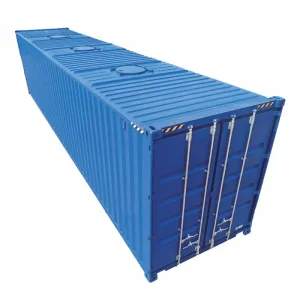
Buy 20 Feet Shipping Bulk Container Manufacturer, Exporters
View Engineering Specs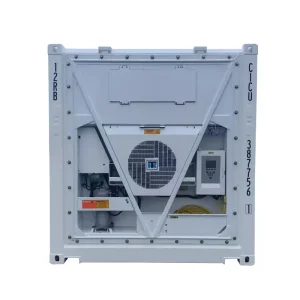
OEM 20ft Offshore Refrigerated Container DNV Certification Is More Durable Exporter, Exporters
View Engineering Specs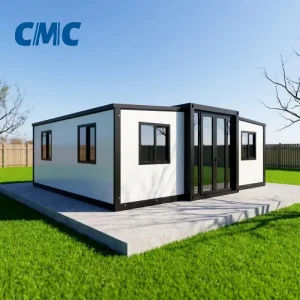
OEM 20ft Modular Container Houses Expandable Steel Container House Excellent Thermal Insulation and Sealing Performance Manufacturer, Manufacturers
View Engineering Specs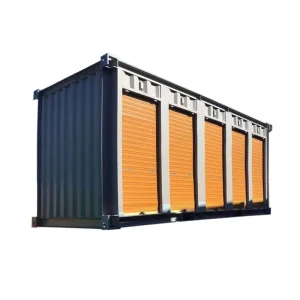
OEM New 20ft Storage Roll-Up Door Dry Cargo Container Pricelist, Product
View Engineering SpecsEngineering Dangerous Goods Containers: The IMDG & ISO Imperative
Mitigating critical failure modes in maritime, intermodal rail, and deep-sea transportation of Class 1 through Class 9 hazardous substances.
The global transport of hazardous substances requires extreme structural resilience, thermal stabilization, and zero-compromise environmental containment. As a world-class dangerous containers manufacturer with heritage rooted in Tianjin and Suzhou since 1983, our engineering foundation complies fully with the International Maritime Dangerous Goods (IMDG) Code, ISO 1496 specifications, and ADR/RID international regulations. Transporting flammable liquids, corrosive oxidizers, toxic chemicals, or volatile lithium-ion battery banks entails multi-hazard risk profiles: thermodynamic expansion, internal vapor ignition, corrosive structural thinning, and extreme kinetic stresses caused by heavy sea states or rough rail freight shunting.
Our containment vessels incorporate heavy-gauge Corten-A weathering steel, automatic explosion-relief rupture valves, anti-static electrostatic discharge earthing circuits, and secondary chemical bunding with integrated leak detection. From standard 20ft dangerous dry cargo enclosures to complex offshore chemical ISO tank containers built to DNV 2.7-1 specifications, our production infrastructure delivers the highest levels of containment safety, structural endurance, and global customs clearance reliability.
| IMDG Hazmat Class | Primary Hazard Classification | Container Shell Material | Safety Mitigations & Fit-Out |
|---|---|---|---|
| Class 3: Flammable Liquids | Flashpoint < 60°C, VOC vapor pressure | Stainless 316L / Corten Steel | ATEX-certified flame arrestors, sparkless floors, grounding copper paths |
| Class 8: Corrosive Substances | Severe chemical erosion of steel & skin | PTFE/PFA/Rubber Lined Stainless | Integral sump reservoirs, acid-resistant phenolic paints, non-drip drain valves |
| Class 9: Lithium-Ion Batteries | Thermal runaway propagation, HF toxicity | Reinforced Thermal Structural Steel | Aerosol/Novec 1230 fire suppression, gas sensors, thermal barrier paneling |
| Class 5.1/5.2: Oxidizers & Peroxides | Decomposition, spontaneous combustion | Corten Steel with PU Rigid Foam | Precision reefer systems (Carrier/Daikin), multi-sensor real-time alarms |
China Factory 4.0: Supply Chain Resilience & Efficiency
Combining heavy automated manufacturing with direct seaport access to deliver verified dangerous goods infrastructure.
Automated Robotic Arc Welding
Multi-axis robotic submerged arc welding ensures defect-free seam integrity, verified via ultrasonic non-destructive testing (NDT) to prevent toxic fluid leaks or air breaches under pressure loads.
Heavy Blast & Multi-Coat Phenolic
Shot-blasted to SA 2.5 standards followed by automated zinc-rich epoxy primers and cross-linked aliphatic polyurethane finishes, yielding exceptional resistance against acidic and coastal salt fog conditions.
Port Proximity & Rapid Marshalling
Our dual manufacturing hubs in Tianjin and Suzhou sit within 100km of terminal gantries, dramatically shortening haulage cycles, lowering drayage fees, and maintaining tight dispatch schedules.
Macro-Industry Solutions: Offshore, Chemical & Energy Storage
Custom-engineered containment architectures engineered around strict sector-specific operational environments.
Offshore Oil & Gas (DNV 2.7-1 / EN 12079)
Specially manufactured half-height, open-top, and hazardous equipment containers engineered to survive high-impact dynamic side loadings, subzero deck conditions, and multi-point pad-eye lifting on high seas.
Lithium Battery Energy Storage (BESS)
Fire-rated structural enclosures equipped with internal thermal insulation barriers, integrated blast venting doors, sparkless ventilation, and localized FM-200 / water mist suppression frameworks.
Liquid Chemical ISO Tank Containers
T11, T14, and T50 tank configurations constructed using food-grade 316L, Hastelloy, or rubber linings for acids, corrosives, solvents, and fuel alcohol transport across global maritime lanes.
Technology Roadmap: Smart Safety & Telemetrics
The evolution from passive steel containment to active, cloud-connected hazardous cargo monitoring systems.
IoT-Enabled Autonomous Hazard Telemetrics
Modern dangerous goods containers utilize satellite-connected, ATEX-rated multi-sensor modules. These report real-time internal pressure fluctuations, relative humidity, volatile organic compound (VOC) vapor leakage, ambient temperature, and abnormal physical g-force impacts across long ocean crossings.
Self-Actuating Mitigation & Carbon Neutrality
Our ongoing development roadmap features smart autonomous inert gas dosing modules that actuate upon early thermal spike detection, as well as circular lifecycle builds employing recycled high-strength micro-alloy steels and solvent-free low-VOC polyaspartic coating systems.
Frequently Asked Questions on Hazmat Containment
Detailed technical answers for procurement directors, logistics engineers, and hazardous freight managers.
What documentation accompanies dangerous goods containers?
Every certified container ships with full inspection records, including CSC Safety Approvals, BV / Lloyd's Register / ABS classification certificates, DNV 2.7-1 offshore slings test proofs, material mill test certs (MTC EN 10204 3.1), and hydrostatic pressure test logs.
How do you prevent explosive vapor concentration internally?
We install sparkless labyrinth passive louvers, flame arrestor assemblies, ATEX-rated mechanical extraction fans, and electrostatic copper bonding plates connected through chassis grounding points.
Can dangerous containers be tailored for modular mobile labs?
Yes. Our OEM/ODM engineering division retrofits ISO shells with explosion-proof lighting, anti-corrosive wall claddings, secondary spill containment sumps, and automated safety interlocks for remote mining, oilfields, and chemical testing sites.
What are typical turnaround times for custom dangerous units?
Standard ISO modifications ship within 3 to 4 weeks. Specialized builds requiring DNV offshore certifications or custom stainless steel tanks generally require 6 to 8 weeks, inclusive of full structural and classification sign-offs.
Comprehensive Specialized, Bulk & Reefer Cargo Inventory
Explore our extended series of multi-modal, insulated, modular, and heavy bulk transport containers.
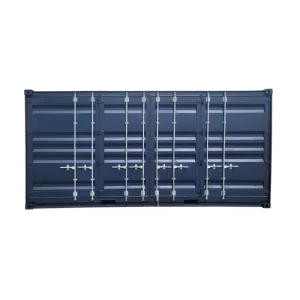
High-Quality New 20ft Customized Side Door Dry Cargo Shipping Container Factory, Product
View Engineering Specs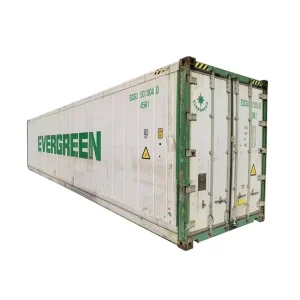
Buy Used 40ft HC Shipping Reefer Container Manufacturers, Exporters
View Engineering Specs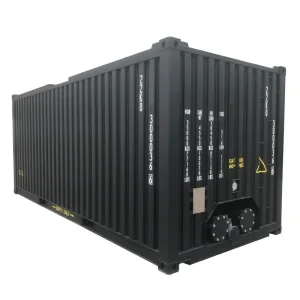
China 20 Feet Heated Shipping Asphalt Container Exporter, Manufacturers
View Engineering Specs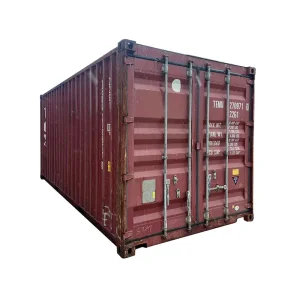
Buy 20ft Used Shipping or Storage Container Manufacturer, Products
View Engineering Specs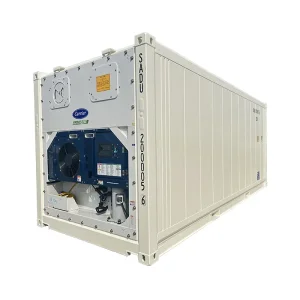
High-Quality New 40ft High Cube Carrier Refrigerator Freezer Cold Room Product, Exporters
View Engineering Specs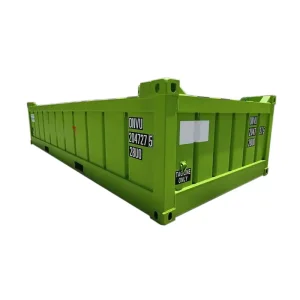
ODM New DNV Certification Offshore Half-Height Open Top Container Products, Exporters
View Engineering Specs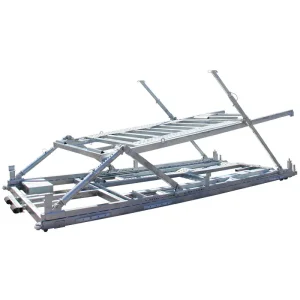
China vehicle transport rack Product, Exporters
View Engineering Specs