
Direct Sourcing Catalog — Part I
High-Capacity Freight & Controlled-Atmosphere Units
Explore factory-certified high-cube reefers, dual-door intermodal dry units, hanging meat logistics systems, and multi-scale nested storage solutions engineered for rigorous global freight routes.
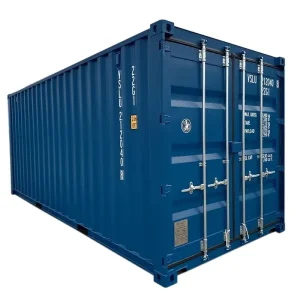
Buy New 20ft Double Door Dry Cargo Shipping Container Products, Manufacturers
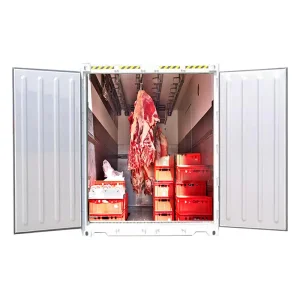
High-Quality Brand new hanging meat container for low temperature fresh transportation Pricelist, Products
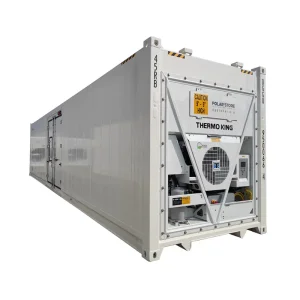
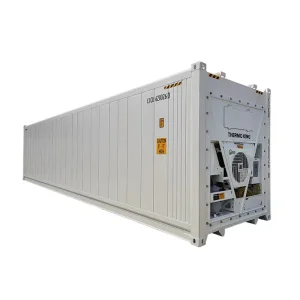
Famous 40ft High-Cube Side Open Door Reefer Container Manufacturer, Factories
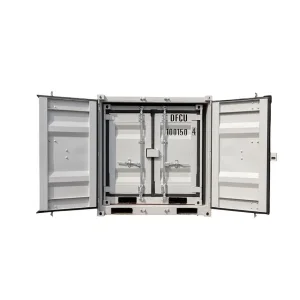
High-Quality Durable Cargo Shipping Container 4Ft/5Ft/6Ft/7Ft/8Ft/9Ft/10Ft/11Ft/12Ft Mini Storage Container Nested Shipping Container Manufacturers, Factories
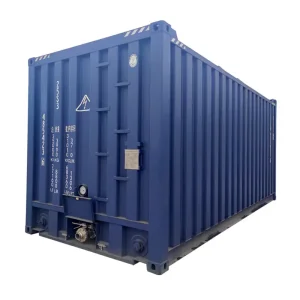
Buy New 20ft Square Liquid Container Factory, Product
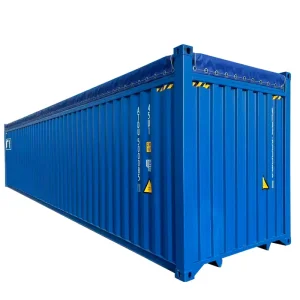
Buy 40ft High-Cube New Soft Open Top Shipping Container with Tarpaulin Cover Manufacturer, Product
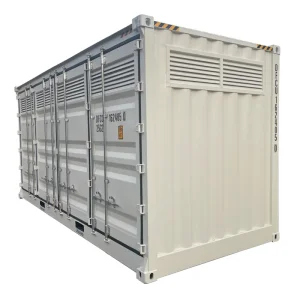
Famous 20FT High-cube Dangerous Goods Container Side Open Door with Ventilation Opening Manufacturer, Exporter
Engineering Foundations
Metallurgical Durability & Structural Architecture of Equipment Containers
Modern equipment containers have evolved from basic rectangular freight boxes into sophisticated, multi-functional modular engineering platforms. Underpinning this transformation is an uncompromising focus on metallurgical integrity, finite element stress analysis (FEA), and advanced aerodynamic corner-casting kinematics designed to withstand harsh maritime environments, multimodal rail vibrations, and offshore lifting stresses.
SPA-H Corten Steel Chemistry
Standard dry and specialized containers manufactured in our automated Chinese facilities utilize high-tensile SPA-H corrosion-resistant steel conforming to JIS G3125 standards. By incorporating copper, chromium, and nickel alloy elements, the steel forms a dense, adherent protective patina upon atmospheric exposure. This self-passivating surface layer provides a corrosion resistance rating five to eight times greater than standard structural carbon steel, effectively eliminating catastrophic oxidation risks across trans-Pacific and Arctic shipping lanes.
Thermal Transmittance & Aerogel Polyurethane
Reefer and insulated container shells are built around high-density cyclopentane-blown rigid polyurethane (PU) foam with an ultra-low thermal conductivity factor of λ ≤ 0.019 W/(m·K). To eliminate thermal bridging, sandwich panels are bonded directly to SUS304 food-grade stainless steel interior linings and pre-painted aluminum-zinc alloy skins. This architecture guarantees strict compliance with ATP class FRC certifications, holding internal cold temperatures at -35°C even when exposed to +50°C ambient desert conditions.
FEA Dynamic Load Stacking Analysis
Every equipment container undergoes rigorous dynamic racking and transverse load testing. Under ISO 1496-1 requirements, corner castings, vertical corner posts, and bottom side rails are validated to withstand 1,800,000 N (192,000 kg) of superimposed vertical stacking weight. This structural headroom allows nine-high stacking configurations of fully laden 30,480 kg containers aboard ultra-large container vessels (ULCVs) undergoing severe hydrodynamic pitching and rolling forces.
Smart Manufacturing
China Factory 4.0: Supply Chain Resilience & Production Precision
Operating twin manufacturing hubs in Tianjin and Suzhou—strategically positioned within 100 kilometers of deepwater maritime berths—CIMIC leverages end-to-end Industry 4.0 robotics. By unifying automated raw-material handling, CNC fiber laser cutting, twin-wire robotic welding, and automated shot-peening paint lines, we guarantee microscopic assembly tolerances, minimal lead times, and unyielding batch-to-batch repeatability.
1983
Engineering Heritage Year
100%
Automated Ultrasonic Weld Inspection
< 100km
Distance to Major Deepwater Ports
25+ Yrs
Design Lifecycle Corten Longevity
Robotic Submerged Arc Welding Lines
Structural corner posts and sill rails are welded utilizing multiaxis FANUC robotic welding arms running twin-wire gas metal arc configurations. Digital monitoring logs heat input, penetration depth, and seam continuity in real-time, eliminating human fatigue variance and porosity defects to achieve seamless weld tensile strengths exceeding 490 MPa.
Eco-Friendly Zinc-Rich Eco-Coating
Environmental stewardship intersects industrial resilience through our multi-stage surface preparation line. Fully constructed containers undergo centrifugal steel grit shot blasting to ISO Sa 2.5 standards, followed immediately by electrostatically applied waterborne zinc-rich primers, high-build epoxy intermediate barriers, and acrylic polyurethane topcoats yielding ≥ 120 μm Dry Film Thickness (DFT) with low VOC emissions.
Direct Port Connectivity & Logistics Buffer
Logistical friction is systematically eradicated by our geographic positioning. With dedicated chassis corridors connecting our production yards directly to Tianjin Port (Xingang) and Shanghai/Taicang maritime terminals, customs-sealed containers transition from factory test bays to vessel container stacks within 24 hours, eliminating demurrage and secondary drayage fees.
Sector Implementations
Macro Industry Solutions: Engineering Across Specialized Sectors
Modern equipment containers serve as custom enclosures for high-value machinery, perishable life sciences cargo, bulk chemicals, and critical energy infrastructure. We cross-engineer dimensions, structural ratings, and HVAC configurations to meet precise operational mandates.
BESS Energy Storage
Reinforced ISO enclosures designed specifically for Battery Energy Storage Systems (BESS). Featuring explosion-relief roof hatches, integrated liquid cooling manifolds, fire suppression conduit channels, and seismic cross-bracing certified to IBC and NFPA 855 codes.
Cold Chain & Pharma
Pharma-grade GDP-compliant refrigerated containers fitted with integrated Carrier Transicold, Daikin, or Thermo King machinery. Equipped with automated de-humification, dual temperature sensors, and atmospheric carbon dioxide/oxygen monitoring for fresh produce and biologics.
Eurasian Rail Corridors
45-foot pallet-wide and high-cube containers purpose-engineered for the Silk Road "Belt and Road" railway network. Designed with optimized tare weights to carry 33 Euro-pallets side-by-side without load shift, rated to resist -50°C extreme Siberian ambient rail temperatures.
Offshore Exploration
Heavy-duty DNV 2.7-1 / EN 12079 certified offshore tank containers and dry baskets engineered for dynamic marine lifting. Welded pad-eyes, specialized sling sets, and high-impact structural perimeter frames certified by Bureau Veritas and Lloyd's Register.
| Standard Dimension Class | External Dimensions (L × W × H) | Internal Dimensions (L × W × H) | Max Gross Mass (MGM) | Tare Weight | Nominal Cubic Capacity | Primary Industrial Use Case |
|---|---|---|---|---|---|---|
| 20ft Standard Dry (20GP) | 6,058 × 2,438 × 2,591 mm | 5,898 × 2,352 × 2,393 mm | 30,480 kg (67,200 lbs) | 2,200 kg | 33.2 m³ (1,172 cu.ft) | Dense Minerals / Machinery |
| 40ft High-Cube Dry (40HC) | 12,192 × 2,438 × 2,896 mm | 12,032 × 2,352 × 2,698 mm | 32,500 kg (71,650 lbs) | 3,800 kg | 76.4 m³ (2,698 cu.ft) | Volumetric Consumer Freight |
| 40ft High-Cube Reefer (40RH) | 12,192 × 2,438 × 2,896 mm | 11,583 × 2,290 × 2,555 mm | 34,000 kg (74,950 lbs) | 4,480 kg | 67.6 m³ (2,387 cu.ft) | Pharma & Perishables (-35°C) |
| 20ft ISO Tank / Liquid (T11) | 6,058 × 2,438 × 2,591 mm | Cylindrical 316L Vessel | 36,000 kg (79,360 lbs) | 3,650 kg | 21,000 – 26,000 Liters | Food Grade / Chemicals |
| 10ft DNV Offshore Unit | 2,991 × 2,438 × 2,591 mm | 2,831 × 2,278 × 2,260 mm | 10,000 kg (22,046 lbs) | 2,150 kg | 14.5 m³ (512 cu.ft) | Offshore Oilfield Logistics |
Statutory Compliance
Localization Support & International Statutory Compliance
Deploying containers across global jurisdictions requires adherence to rigid maritime, environmental, and railway treaties. CIMIC acts as an end-to-end certification partner, executing documented factory acceptance tests (FAT) witnessed by leading classification societies.
CSC Safety Approval Plates
Every unit leaves our facilities fitted with an official stainless steel Convention for Safe Containers (CSC) approval plate. Certified by Bureau Veritas (BV), ABS, or China Classification Society (CCS), this document confirms structural safety, maximum gross weight, allowable stacking load, and transverse racking test values required by international customs authorities.
TIR Customs & UIC Railway Approval
For cross-border intermodal transport traversing Central Asia, Eastern Europe, and the Middle East, our containers feature tamper-proof door hinge pins, customs sealing eyelets, and riveted floor fasteners compliant with the Transports Internationaux Routiers (TIR) convention and UIC Leaflet 592-2 international railway standards.
DNV 2.7-1 & ISO 10855 Offshore Rigidity
Offshore units undergo extreme drop tests, 2.5× dynamic lifting tests, and Charpy V-notch impact toughness testing at -20°C. Structural pad-eyes and lifting points are designed to integrate seamlessly with certified 4-leg wire rope lifting slings, fully compliant with offshore exploration regulations in the North Sea, Gulf of Mexico, and West Africa.
Next-Generation Roadmap
Technology Roadmap: Telematics, Composites & Autonomous Logistics
The future of industrial equipment containers is defined by intelligent sensing, lightweight material science, and low-carbon thermal systems. Our R&D pipeline bridges physical container integrity with digital IoT fleet intelligence.
Satellite IoT & Micro-Sensor Mesh
Integrating solar-harvested, low-power NB-IoT and low-earth-orbit (LEO) satellite communication nodes directly inside the container header frame. Cargo owners receive uninterrupted telemetry covering internal atmospheric pressure, humidity, door-open intrusion alerts, tri-axial shock/vibration spikes, and real-time geofencing.
Bio-Based Resins & Carbon-Fiber Hybrids
Deploying continuous fiber-reinforced thermoplastic (CFRTP) skins paired with recycled PET structural foam cores. By substituting non-structural steel panels with high-modulus composite matrices, tare weight is decreased by up to 18%, enabling higher cargo payloads and reducing maritime fuel burn per ton-kilometer.
Ultra-Low GWP Refrigeration (R-1234yf / CO2)
Phasing out synthetic fluorinated refrigerants in compliance with the Kigali Amendment and EU F-Gas regulations. Our next-generation cold chain machinery implements trans-critical natural carbon dioxide (R-744) and hydrofluoroolefin (HFO) systems, cutting Global Warming Potential to ≤ 1 while optimizing seasonal coefficient of performance (COP).
Strategic Sourcing
Global Enterprise Procurement: TCO Optimization & Fleet Management
Procurement directors and fleet operations managers must weigh immediate capital expenditure (CAPEX) against multi-decade operating lifecycle expenses (OPEX). Navigating custom OEM modifications, port storage releases, and long-term asset residual values requires an analytical purchasing methodology.
PHASE 01
Payload & Route Audit
Evaluation of cargo density, hazardous materials class, lifting environments, and ambient transit corridors to finalize container type and material grades.
PHASE 02
3D CAD & FEA Sign-Off
Parametric modeling, stress simulation, door hardware placement, internal cargo securing ring ratings, and thermal barrier verification prior to retooling.
PHASE 03
Prototype FAT Inspection
First-article pilot manufacturing run subjected to watertightness testing, dimensional calibration, load deflection tests, and third-party BV/ABS stamping.
PHASE 04
Scalable Mass Production
High-speed production line throughput synchronized with raw material batch testing, automated zinc-primer spraying, and multi-shift quality control audits.
PHASE 05
Intermodal Dispatch
One-way "cabotage" freight loading or direct bulk vessel drayage from Tianjin/Suzhou directly into client destination ports across Europe, Africa, and Americas.
Direct Sourcing Catalog — Part II
Specialized Offshore, Tank, Thermal & Modular Enclosures
Browse our certified offshore tanks, heated bitumen units, vehicle transport frames, Eurasian intermodal reefers, expandable modular homes, and heavy-duty dry cargo shipping containers.
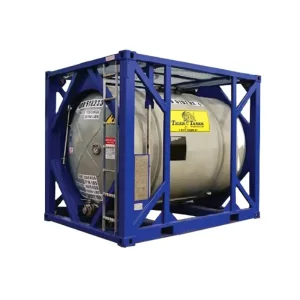
Buy New DNV Certification 10ft Offshore Tank Container Factory, Products
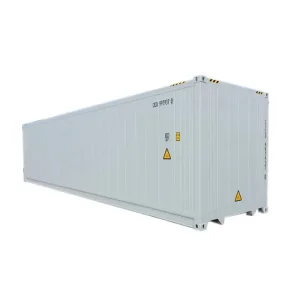
Buy New 40ft High Cube Thickened Foam Insulation Container Factory, Exporters
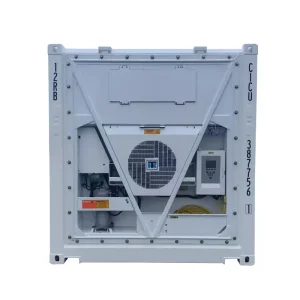
OEM 20ft Offshore Refrigerated Container DNV Certification Is More Durable Exporter, Exporters
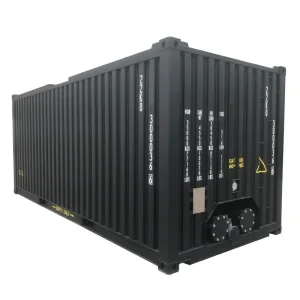
China 20 Feet Heated Shipping Asphalt Container Exporter, Manufacturers
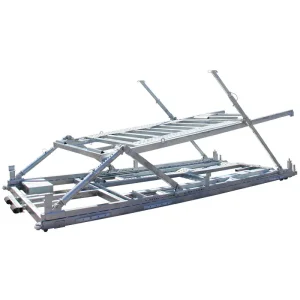
China vehicle transport rack Product, Exporters
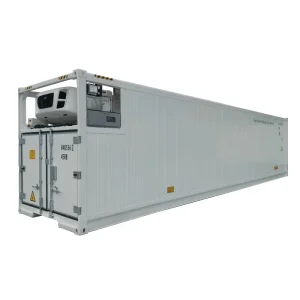
Famous New 40-foot high cube & 45-foot "Belt and Road" railway refrigerated container. Product, Products
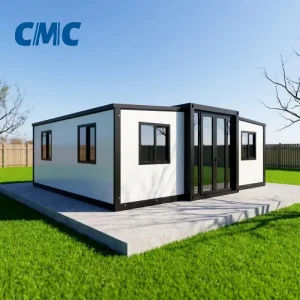
OEM 20ft Modular Container Houses Expandable Steel Container House Excellent Thermal Insulation and Sealing Performance Manufacturer, Manufacturers
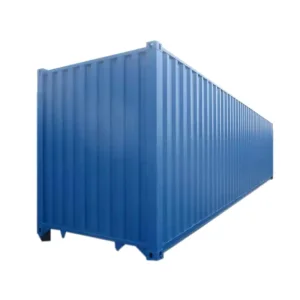
China 40ft High Cube Certified Dry Cargo Shipping Container contaoner Factory, Product
Technical Knowledge Base
Frequently Asked Questions: Technical Engineering & Sourcing
Find exhaustive engineering answers regarding structural load testing, international shipping certification, reefer refrigeration integration, and custom OEM manufacturing parameters.
What differentiates SPA-H Corten steel from conventional structural mild steel in equipment container fabrication?
SPA-H steel (governed by JIS G3125 / ISO 4997) features specialized micro-alloying elements including Copper (Cu 0.25–0.40%), Chromium (Cr 0.50–0.80%), and Nickel (Ni 0.20–0.50%). When exposed to alternating maritime wet and dry atmospheric cycles, it oxidizes to develop an amorphous, ultra-dense protective chromium-copper phosphate barrier film known as patina. Unlike ordinary carbon steel (such as Q235B) where rust blisters, flakes away, and accelerates progressive pitting, SPA-H halts internal oxidation. This extends the service life of ISO containers beyond 25 years under high-salinity oceanic spray, reducing long-term maintenance costs by up to 70%.
How are reefer containers certified for ultra-low temperature cargo under international ATP regulations?
Under the United Nations ATP agreement (Agreement on the International Carriage of Perishable Foodstuffs), reefer units must obtain the Class FRC accreditation for frozen logistics. This certification mandates that the overall heat transfer coefficient (K-value) of the insulated container body must not exceed 0.40 W/(m²·K). Our containers achieve K-values as low as 0.33 W/(m²·K) through continuous high-pressure injection of cyclopentane-blown polyurethane foam core panels (55–75 mm wall thickness, 100 mm roof/floor thickness). Independent test chambers evaluate cooling rate capacity from +30°C ambient down to -20°C internal temperature in under 4 hours using Daikin, Carrier Transicold, or Thermo King refrigeration machinery.
What specific testing parameters are required for DNV 2.7-1 / EN 12079 offshore equipment containers?
Unlike standard ISO 1496 containers intended for smooth gantry crane lifting, DNV 2.7-1 / ISO 10855 offshore units must survive severe dynamic snatch loads experienced when lifting from pitching supply vessels in open sea states. Statutory testing involves: (1) 2-point dynamic lift test at 1.5× Maximum Gross Mass (MGM); (2) 4-point all-point lift test at 2.5× MGM; (3) Vertical impact drop testing from 500 mm onto a rigid steel-reinforced concrete target; and (4) Charpy V-Notch impact tests on primary structural steel members confirming dynamic fracture toughness at -20°C (minimum 27 Joules absorbed energy). Every offshore unit is assigned an individual BV or DNV inspection dossier.
Can CIMIC customize non-standard dimensions, side-access apertures, and internal racking for special equipment?
Yes. As an OEM/ODM specialist operating dedicated custom-fabrication workshops in Tianjin and Suzhou, we engineer containers for unusual dimensional constraints and heavy industrial equipment enclosures. This includes full side-opening bifold doors, hydraulic end-walls, drop-frame heavy machinery beds, roll-up shutter accesses, internal overhead crane hoist monorails, reinforced non-sparking checker-plate flooring, and explosion-proof electrical gland penetrations. All custom variations undergo full-scale FEA computer modeling and proof-load testing prior to customer inspection sign-off.
What is the standard lead time, Minimum Order Quantity (MOQ), and shipping dispatch workflow for custom units?
For standard ISO 20ft and 40ft high-cube dry containers, MOQ is typically 1–2 units with ex-stock availability or a 2-week rolling production schedule. For custom OEM engineering (such as BESS enclosures, specialized hazardous goods side-door units, or bitumen heating containers), the typical production lead time is 25 to 35 business days from final 3D CAD drawing approval. Because our factories sit within 100 km of Tianjin Xingang Port and Shanghai/Suzhou logistics nodes, export customs declaration, fumigation, and vessel loading are completed within 48 to 72 hours of manufacturing completion.