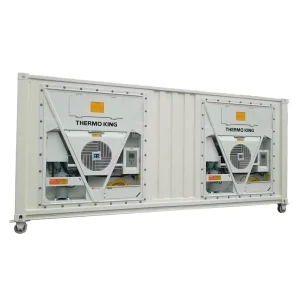
High-Performance Intermodal & Reefer Container Fleet
Explore our precision-engineered container configurations certified under ISO 1496-1, DNV 2.7-1, and CSC requirements for global maritime, railway, and modular deployments.
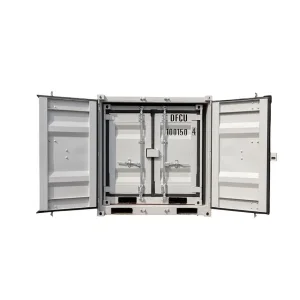
High-Quality Durable Cargo Shipping Container 4Ft/5Ft/6Ft/7Ft/8Ft/9Ft/10Ft/11Ft/12Ft Mini Storage Container Nested Shipping Container Manufacturers, Factories
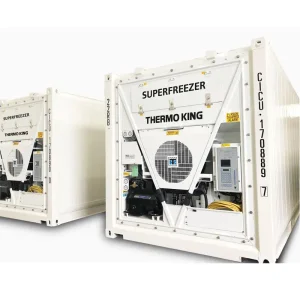
OEM New Deep Freezer Refrigerator Container For Sale Factory, Quotes
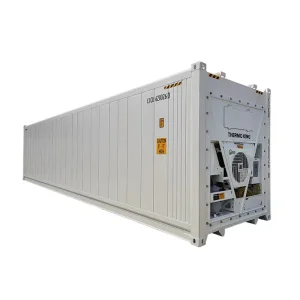
OEM New 40ft High-Cube Certified Reefer Shipping Cargo Container Pricelist, Product
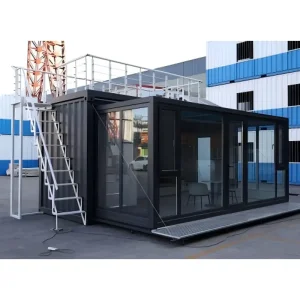
Famous 20ft Foldable Prefab Modular Homes Mobile Expandable Container House Prefabricated House with Bathroom Manufacturer, Exporters
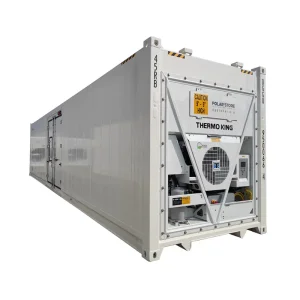
Famous 40ft High-Cube Side Open Door Reefer Container Manufacturer, Factories
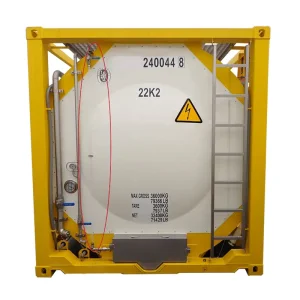
ODM 20ft Tank Container for Alcohol Manufacturer, Quotes
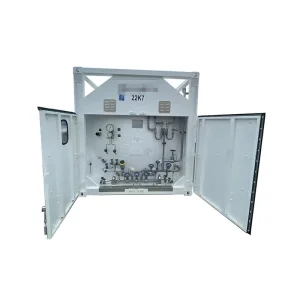
Famous T75 20ft Cryogenic Liquid Tank Container Products, Exporters
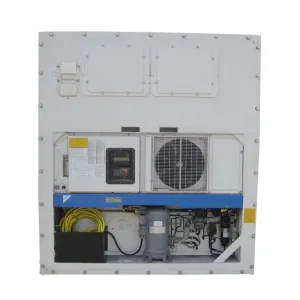
Buy Refrigeration Equipment /Cooling Unit For Refrigerated Containers Products, Exporters
Macro Logistics Dynamics: Geopolitics, Fleet Modernization & Decarbonization
Strategic analysis of multimodal container asset flows, maritime decarbonization under IMO 2030/2050 benchmarks, and the total cost of ownership (TCO) evolution across major ocean trade lanes.
Multimodal Intermodal Structural Realignment
The global shipping and dry container fleet landscape is experiencing fundamental realignment driven by route volatility (such as the Cape of Good Hope rerouting), supply chain nearshoring, and heightened demands for specialized containerized handling. Conventional dry boxes are evolving into engineered logistics tools with enhanced internal tare-to-payload ratios, structural yield improvements via SPA-H atmospheric corrosion-resistant Corten steel, and intelligent automated payload tracking.
For global liner operators, third-party logistics (3PL) conglomerates, and enterprise leaseholders, the primary challenge remains mitigating transit dwell times and cargo spoilage while satisfying stringent environmental ESG criteria. Container longevity now relies on high-durability hydrophobic waterborne coatings, automated submerged arc continuous welds, and modular component interchangeability that complies with Bureau Veritas (BV), ABS, and Lloyd’s Register classification society standards.
TCO & Capex Optimization
Procurement modeling indicates that high-precision initial manufacturing reduces total fleet lifecycle expenditure by up to 28.4% over a 15-year operational lifecycle. Premium grade sealants, robotic laser edge milling, and high-cube cubic capacity expansion ensure maximum asset utilization per voyage mile.
Eliminating floor delamination through sustainably sourced, Apitong or composite bamboo-poly hybrid flooring prevents container rejection during strict inbound food-grade or clean-cargo inspection protocols.
China Factory 4.0: Structural Integrity, Robotics & Resilience
Inside our Tianjin and Yangtze River Delta production mega-hubs: How automated laser profiling, multi-axis robotic welding cells, and eco-friendly electro-deposition coatings guarantee unyielding build consistency.
Robotic Continuous MIG/MAG Seam Welding
Eliminating micro-porosity and human variability, our smart robotic gantries deploy shielded arc dual-pass welding on all primary structural corner castings, bottom side rails, and high-tensile header frames, achieving tensile strengths exceeding 490 MPa.
Automated Shot-Blasting & Surface Profiling
Full-immersion centrifugal steel grit blasting achieves Swedish Standard Sa 2.5 cleanliness, removing mill scale and contaminants to establish a surface profile of 25–45 microns for absolute adhesion of heavy-duty industrial coatings.
Eco-Friendly Waterborne Paint Systems
Ultra-low VOC zinc-rich epoxy primers combined with polyurethane intermediate and top coats deliver high-level salt-spray resistance exceeding 1,500 hours under ASTM B117 standards, ensuring resistance against maritime saline mist.
High-Precision Stamping & Corrugation
Hydraulic multi-ton presses roll corrugation profiles into side and roof panels with millimeter tolerance. Structural corrugated geometries dampen dynamic vibration during rail transit and prevent stacking load buckling.
Port-Cluster Geographic Supply Integration
Situated within 100 km of Tianjin Port and integrated with Shanghai/Ningbo logistics channels, raw materials arrive via automated pipelines, slashing inland drayage lead times and lowering embarkation container pricing.
100% Dimensional & Airtightness Testing
Every finished box undergoes rigorous light-leakage illumination audits, door gasket smoke compression testing, and computer-verified diagonal alignment checks to eliminate raked corners and ensure flawless cell-guide ocean racking.
Technical Roadmap: Autonomous IoT 5.0, Cryogenics & VIP Aerogels
How the convergence of low-orbit satellite telematics, advanced phase change insulation materials, and multi-stage cascade refrigeration is defining the next 10 years of cold chain engineering.
Autonomous Edge Telematics & AI Cold Chain
Modern reefer containers are intelligent data endpoints. Built-in micro-controllers interface directly with Daikin, Thermo King, and Carrier refrigeration units, transmitting critical metrics via redundant cellular 5G and LEO (Low Earth Orbit) satellite uplinks:
- Sub-Second Sensor Polling: Continuous logging of supply/return air temperatures, core cargo probe data, ambient relative humidity, and ethylene gas concentration.
- Predictive Compressor Diagnostics: Edge machine learning models analyze compressor motor vibration patterns and refrigerant pressure deltas to identify potential component wear prior to thermal degradation.
- Dynamic Controlled Atmosphere (CA): Automated $O_2$ and $CO_2$ active scrubbing regimes that retard fruit respiration rates, extending active shelf life by over 300% on trans-Pacific transit lanes.
Advanced Thermal Dynamics & Aerogel VIPs
Thermal containment efficiency dictates electrical power draw and diesel generator operational expense during rail and intermodal drayage. Our thermal development roadmap focuses on:
- Vacuum Insulation Panels (VIP): Integrating nanoporous silica aerogel vacuum panels within polyurethane sandwich structures, yielding thermal conductivity as low as $0.004\ \mathrm{W/(m\cdot K)}$.
- Thermal-Bridge Decoupled Profiles: Engineered glass-fiber reinforced polymer (GFRP) structural breaks between external corten frames and internal stainless food-grade liners, cutting boundary thermal loss.
- Eco-Friendly Cyclopentane Foaming: Zero-ODP (Ozone Depletion Potential) and ultra-low GWP (Global Warming Potential) high-pressure foam injection systems ensuring void-free panel integrity.
Cryogenic & Liquid Hydrogen Containment
Expanding our T75 UN portable tank line, current R&D is geared toward deep cryogenic vacuum-jacketed pressure vessels capable of maintaining LNG, liquid ethylene, and liquid hydrogen at temperatures down to -253°C without venting over prolonged 45-day ocean passages.
Engineered Sector Solutions: From Offshore Platforms to Bio-Pharma
Purpose-built containerized architectures configured to resolve the exact structural, climatic, and regulatory challenges across five mission-critical industrial sectors.
Offshore Oil, Gas & Subsea Energy
Certified under DNV 2.7-1 / EN 12079, our offshore dry freight, half-height open-tops, and cargo baskets withstand dynamic sea-state lifting accelerations. Fabricated with Charpy V-notch impact-tested steel for brittle-fracture immunity in sub-zero Arctic zones (-20°C to -40°C).
Pharmaceutical & Biologics Cold Chains
Deep-freeze units maintaining uniform setpoints down to -70°C for mRNA vaccines, blood plasma, and active pharmaceutical ingredients (APIs). Fully compliant with WHO Good Distribution Practices (GDP) and FDA Title 21 CFR Part 11 electronic record logging.
Specialized Chemicals & Potable Liquids
ISO 20ft T11 and T14 tank containers engineered with 316L electropolished stainless steel shells, PTFE chemical-inert valve packing, pressurized steam heating baffles, and external rockwool insulation for high-purity food-grade spirits and corrosive industrial precursors.
Prefabricated Modular & Expeditionary Camps
Rapid-deployment expandable and flat-pack container structures configured for industrial workforce accommodation, remote mining engineering offices, hospital surgical pods, and military installations, complete with integrated electrical and sanitary systems.
Heavy Bulk Minerals & High-Density Cargo
Half-height heavy-duty ore carriers with reinforced floor transverse beams, hardox abrasion-resistant liners, and removable tarpaulin roofs designed to bear concentrated 30+ metric ton loads of lithium concentrate, iron ore, and industrial scrap.
Battery Energy Storage Systems (BESS) Enclosures
Specialized custom housings equipped with integrated fire suppression (Novec 1230 / aerosol), blast explosion relief panels, structural thermal insulation, and HVAC air management designed to protect grid-scale lithium-ion battery banks.
Global Certification, Localization & Quality Governance
A zero-compromise approach to international classification societies ensures immediate clearance across all global terminals, ports, and intermodal corridors.
Classification Society Accreditations
Every container manufactured in our facilities is stamped with approved CSC (International Convention for Safe Containers) safety approval plates, verified directly by third-party surveyors including Bureau Veritas (BV), Lloyd’s Register (LR), ABS, and DNV. This guarantees transverse and longitudinal racking load resistance up to 150 kN and stacking capacity rated for up to 9-high fully laden maritime vessels.
Timber Quarantine & Phytosanitary Assurance
All timber flooring materials strictly comply with Australian Department of Agriculture, Fisheries and Forestry (DAFF) quarantine regulations and International Standards for Phytosanitary Measures (ISPM 15). Marine-grade plywood undergoes pressurized preservative treatments, completely eliminating pest contamination risks upon destination harbor arrival.
24/7 Global Field Depot Network
Through strategically positioned component depots across Rotterdam, Hamburg, Houston, Singapore, and Durban, fleet operators benefit from instant spare parts access: replacement door lock rods, EPDM thermal gaskets, corner castings, and reefer refrigeration compressor spares are dispatched on short notice.
| Standard Specification | 20ft Dry Cargo (20GP) | 40ft High Cube Dry (40HC) | 40ft High Cube Reefer (40RH) | 20ft Offshore Basket (DNV 2.7-1) |
|---|---|---|---|---|
| External Dimensions (L × W × H) | 6,058 × 2,438 × 2,591 mm | 12,192 × 2,438 × 2,896 mm | 12,192 × 2,438 × 2,896 mm | 6,058 × 2,438 × 1,300 mm |
| Internal Cubic Capacity | 33.2 m³ (1,172 cu.ft) | 76.4 m³ (2,698 cu.ft) | 67.5 m³ (2,384 cu.ft) | 15.2 m³ (Heavy Dense Load) |
| Max Gross Weight (M.G.W.) | 30,480 kg (67,200 lbs) | 32,500 kg (71,650 lbs) | 34,000 kg (74,950 lbs) | 18,000 kg (39,680 lbs) |
| Tare Weight | 2,180 kg (4,805 lbs) | 3,800 kg (8,375 lbs) | 4,480 kg (9,876 lbs) | 2,950 kg (Slings included) |
| Payload Capacity | 28,300 kg (62,395 lbs) | 28,700 kg (63,275 lbs) | 29,520 kg (65,074 lbs) | 15,050 kg (Offshore Rating) |
| Structural Metallurgy | Corten-A (SPA-H High Yield) | Corten-A (SPA-H High Yield) | Corten-A + SS304 Liners | Normalized Low-Temp Structural |
Global Enterprise Sourcing: Quotes, Incoterms & Volume Economics
A transparent evaluation of capital expenditure structures, container batch customization lead times, and factory-direct volume pricing tiers designed for fleet directors and supply chain VPs.
Tiered Factory-Direct Volume Quotations
Direct-from-plant pricing models with indexed steel price protection guarantees. Volume tiers starting from single SOC (Shipper Owned Container) custom batches to high-volume multi-hundred TEU liner deliveries ensure maximum price elasticity.
Mastery of Global Incoterms (FOB, CIF, DDP)
Whether executing FOB Tianjin, Qingdao, or Shanghai, or requesting comprehensive DDP destination delivery with crane unstacking, our customs and freight forwarder network coordinates ocean slots and terminal handovers with speed.
One-Trip Delivery & Repositioning Credits
Significantly reduce relocation capital expenditures by utilizing our "one-trip cargo-loading" option. Newly built containers are paired with certified export cargo to your destination port, offsetting outbound maritime freight costs.
Frequently Asked Questions: Sourcing, Engineering & Specifications
In-depth responses resolving complex procurement and engineering queries regarding Corten metallurgy, certifications, cold chain systems, and OEM customizations.
What distinguishes SPA-H Corten steel from standard carbon steel in container manufacturing?
SPA-H atmospheric corrosion-resistant steel contains specialized alloying elements including copper, chromium, and nickel. When exposed to ocean salt spray, it develops a self-regenerating dense oxide patina layer that retards interior atmospheric corrosion. In contrast to ordinary structural steel (Q235), SPA-H exhibits higher yield strength (minimum 345 MPa vs 235 MPa) and extends shipping container service life beyond 15–20 years in harsh maritime environments.
How do DNV 2.7-1 offshore containers differ structurally from standard ISO shipping containers?
Standard ISO containers are designed primarily for static stacking and balanced spreader lifting at marine container terminals. DNV 2.7-1 / EN 12079 certified offshore containers are engineered for dynamic snatch and sling lifts from moving supply vessels in rough seas. They feature heavier structural framing, integrated primary pad-eyes tested for non-destructive dynamic shock loads, mandatory Charpy impact testing at -20°C, and structural calculations factoring dynamic acceleration design loads up to 3.0g.
What refrigeration machinery options can be integrated into your reefer fleet?
We maintain direct OEM supplier partnerships with the world's leading refrigeration equipment manufacturers: Carrier Transicold (PrimeLINE with digital scroll compressors), Thermo King (Magnum Plus capable of reaching -40°C), and Daikin (Zestia with inverter scroll technology). For ultra-low temperature requirements (-60°C to -70°C), we engineer dual-cascade deep freeze machinery units charged with ozone-friendly refrigerants.
What documentation and third-party inspection certificates accompany each order?
Each delivered container unit comes with a comprehensive Quality Dossier. This includes the Official Classification Certificate (Bureau Veritas, ABS, or Lloyd’s Register), the CSC Safety Plate verification, Non-Destructive Testing (NDT) weld reports, dry film paint thickness (DFT) calibration certificates, floor timber ISPM-15 quarantine treatment documentation, and reefer Pre-Trip Inspection (PTI) operational diagnostic test runs.
Can you provide customized door, dimension, and interior structural alterations?
Yes. Our internal engineering department executes complete OEM/ODM modifications based on customer CAD and 3D step files. Popular customizations include full-length side-opening bifold doors, heavy-duty insulated roll-up security shutters, internal cargo lashing track systems (Aero tracks / E-tracks), ventilation louver arrays with explosion-proof dampers, and structural pass-throughs for specialized energy enclosures.
What is the typical production lead time and minimum order quantity (MOQ)?
For standard ISO dry and reefer configurations, production schedules typically range from 15 to 25 calendar days. Complex custom modifications, offshore DNV fabrications, or cryogenic tank containers require 30 to 45 days. Our minimum order quantity (MOQ) is 1 unit for specialized offshore/reefer equipment and 2 to 5 units for custom-fabricated dry box conversions, supported by volume scale discounts on large orders.
Specialized Logistics, Liquid Tanks & Modular Innovations
Review our specialized portfolio covering DNV offshore open-top units, heavy-density bulk ore containers, T75 cryogenic liquid vessels, and energy-efficient mobile cooling trailer systems.
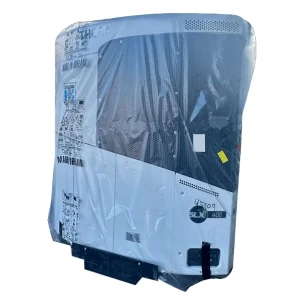
Famous TK SLXI Mobile power generation trailer cooling unit Product, Manufacturers
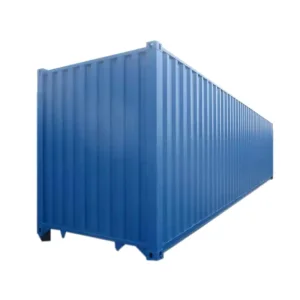
China 40ft High Cube Certified Dry Cargo Shipping Container contaoner Factory, Product
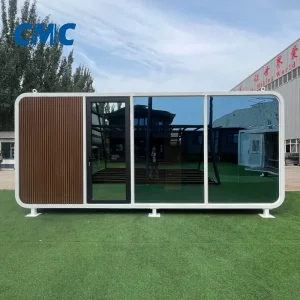
Famous 20ft Prefab Container House Flat Pack Modular House Office Tiny House Outdoor apple Cabin Office Pod Garden Office Pod Manufacturer, Product
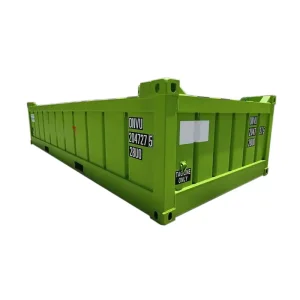
ODM New DNV Certification Offshore Half-Height Open Top Container Products, Exporters

Buy New Half Height Ore Carrier Container Offshore Container Manufacturers, Quotes
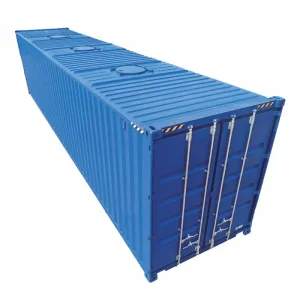
Buy 20 Feet Shipping Bulk Container Manufacturer, Exporters
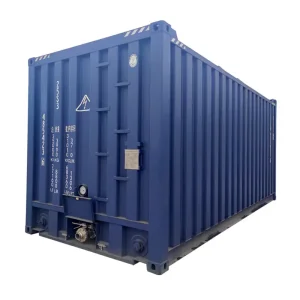
Buy New 20ft Square Liquid Container Factory, Product