Primary Line-up
High-Efficiency ISO Shipping Units & Specialized Hardware
Explore heavy-duty intermodal containers precision-engineered to withstand severe sea-state stresses, extreme thermal deltas, and multi-tier stacking operations.
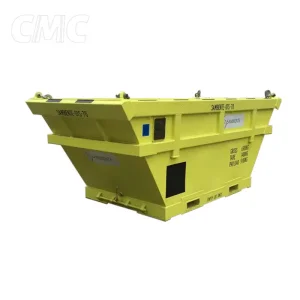
Famous DNV Certification Silt Basket Container Used in Offshore Operations

Famous TK SLXI Mobile Power Generation Trailer Cooling Unit Product
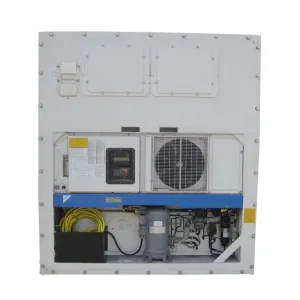
Buy Refrigeration Equipment / Cooling Unit For Refrigerated Containers
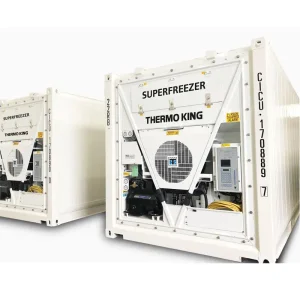
OEM New Deep Freezer Refrigerator Container For Sale Factory Quotes
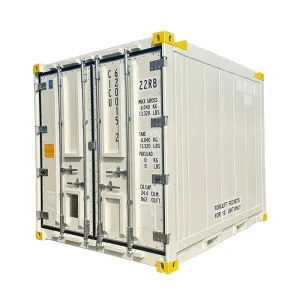
High-Quality New 10ft Certified Thermo King Freezer Container Exporter
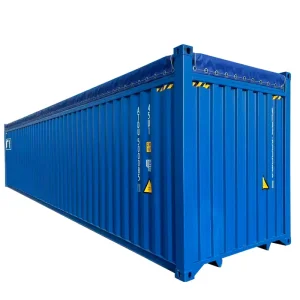
Buy 40ft High-Cube New Soft Open Top Shipping Container with Tarpaulin
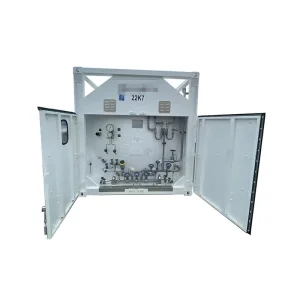
Famous T75 20ft Cryogenic Liquid Tank Container Products Exporters
Industrial Status & Economics
The Global Intermodal Container Shipping Landscape
In modern macroeconomics, the standardized ISO shipping container serves as the physical backbone of globalization, carrying more than 90% of non-bulk global freight. From intercontinental container vessels to double-stack railway lines and long-haul road corridors, intermodal containers ensure seamless cargo mobility without intermediate unloading. Driven by international supply chain restructuring, cold chain modernization, and offshore energy exploration, the demand for high-spec containers has evolved far beyond conventional standard boxes.
"The modern ISO container is no longer merely a structural steel enclosure; it is an engineered asset integrating structural metallurgy, thermal physics, vacuum insulation, and IoT telematics."
Global enterprise procurement has transitioned toward asset resilience and regulatory compliance. Shippers and fleet operators are subjected to the strict enforcement of the International Convention for Safe Containers (CSC), Bureau Veritas (BV), and DNV offshore standard certifications. Equipment failures at sea or within deep hinterland networks lead to severe financial disruption, heightening the urgency for tier-one manufacturing precision and standardized metallurgical integrity.
1983
Pioneering Year
98.5%
Global Fleet China Share
100 KM
Average Seaport Distance
DNV / BV
Type Approval Standards
Manufacturing Supremacy
Why China Anchors Over 95% of Global ISO Container Output
A synthesis of fully consolidated metallurgical clusters, cutting-edge automated robotic assembly, and unparalleled proximity to deep-water container gateways.
SPA-H Corten Steel Supply Chain
Instant proximity to domestic steel giants guarantees continuous access to certified SPA-H weathering steel, eliminating procurement latency and offering superior atmospheric corrosion resistance compared to commercial carbon alloys.
Automated Pulse Welding Lines
Modern production facilities utilize high-speed robotic continuous welding alongside zinc-rich eco-friendly automated waterborne primer coating chambers, achieving tight dimensional tolerances and extending container field longevity to 15-20 years.
Tianjin & Suzhou Coastal Gateways
Positioned less than 100 km from the premier deep-water berths of Tianjin Port and the Yangtze River Delta, our factory network completely bypasses inland repositioning surcharges, enabling fast "one-way empty load" releases across major transpacific and European trades.
Application Matrix
Mission-Critical Applications Across Global Industries
Container hardware tailored to harsh environmental exposure, volatile chemical hauling, and stringent offshore rig regulations.
Perishable Cold Chain Logistics
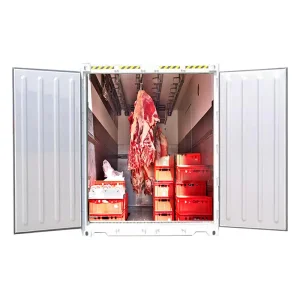
Utilizing high-density cyclopentane-blown polyurethane foam and premium Thermo King, Carrier, or Daikin digital inverters to keep meats, pharmaceuticals, and fresh produce stable at precise temperatures between -35°C and +30°C.
Offshore Exploration & Energy
Manufactured according to strict DNV 2.7-1 / EN 12079 criteria, silt baskets and tool containers feature specialized padeyes, rated wire rope sling assemblies, and low-temperature impact-tested steel for North Sea and deep-sea marine lifting.
Hazardous Chemicals & Gas
ISO UN Portable T75 and specialized liquid tanks fabricated using 316L stainless steel vessels, multiple pressure relief systems, and secondary containment valving configured to safely transport food-grade spirits, acids, and cryogenic liquefied gases.
Modular Equipment Enclosures
Converted ISO chassis re-engineered into sound-attenuated acoustic enclosures for trailer power generation units, BESS (Battery Energy Storage Systems), solar-hybrid microgrids, and mobile mining substations operating in remote locations.
Forward Outlook
Emerging Technology Trends Reshaping the Intermodal Sector
Smart IoT Telematics & Remote Tracking
Integration of low-power satellite and 5G cellular sensors directly into container corner castings and reefer controllers, empowering cargo owners with real-time temperature logs, door-open alerts, shock acceleration, and automated geo-fencing.
Decarbonization & Circular Materials
Adoption of waterborne epoxy coatings with near-zero VOC emissions, combined with sustainably farmed bamboo composite flooring or 100% recyclable floor polymers to minimize lifecycle carbon footprints for ESG-conscious maritime carriers.
Solar-Inverter Hybrid Cold Storage
Deployment of roof-integrated solar PV modules coupled with DC inverter compressors, providing self-sustained off-grid micro-cold stores in regions with volatile shore electrical infrastructure or prolonged inland wait times.
Technical Baseline
Engineering Parameters: Standard ISO vs. Specialized Containers
Comprehensive baseline data verified under Bureau Veritas test routines and ISO 668 physical loading regimes.
| Container Model Class | Structural Metallurgy | Internal Dimensions (L × W × H) | Cubic Capacity | Max Gross Mass | Primary Certification |
|---|---|---|---|---|---|
| 20ft Standard Dry (20GP) | SPA-H Corten Anti-Corrosion Steel | 5.898 × 2.352 × 2.393 m | 33.2 m³ | 30,480 kg | ISO 1496-1, CSC, BV |
| 40ft High-Cube Dry (40HC) | SPA-H Corten Anti-Corrosion Steel | 12.032 × 2.352 × 2.698 m | 76.4 m³ | 32,500 kg | ISO 1496-1, CSC, BV |
| 40ft High-Cube Reefer (40RH) | MGSS / Alloy Exterior + 304 SS Liner | 11.584 × 2.290 × 2.557 m | 67.8 m³ | 34,000 kg | ISO 1496-2, ATP, BV |
| 20ft T75 Cryogenic ISO Tank | ASME SA240 304/316L + Vacuum Multilayer | Cylindrical Vessel in ISO Frame | 20,000 - 22,000 L | 36,000 kg | IMDG, ADR/RID, ASME "U", BV |
| DNV Offshore Cargo Basket | Certified Structural Steel (Charpy -20°C) | Customized Long-Span Low Profile | Various Profiles | Up to 15,000 kg | DNV 2.7-1, EN 12079, LR |
Procurement Excellence
Global Enterprise Sourcing Protocols: How to Audit an ISO Factory
Classification Society Verification
Always inspect original Type Approval Certificates and continuous inspection endorsements from classification societies such as Bureau Veritas (BV), ABS, Lloyd's Register, or DNV before authorizing full-batch structural fabrication.
NDT Weld Inspection & Paint DFT
Ensure non-destructive testing (Ultrasonic/Magnetic Particle) on critical load-bearing corner castings, alongside strict Dry Film Thickness (DFT) verification of anti-corrosive multi-coat paint systems (minimum 120-140 microns total thickness).
Inland Drayage & One-Way Lease Feasibility
Evaluate factory staging yards and intermodal rail ramps adjacent to major coastal ports. Choosing suppliers located near Tianjin or Suzhou saves hundreds of dollars per unit in initial inland haulage and enables seamless ocean transit positioning.
Technical Clarifications
Enterprise Sourcing: Frequently Asked Questions
Key information regarding structural standards, cold-chain components, and custom engineering options.
What is the structural distinction between an ISO standard container and a DNV offshore container?
Standard ISO containers are designed primarily for commercial multi-tier intermodal shipping under ISO 1496 and CSC regulations, utilizing standard corner fittings. DNV 2.7-1 / EN 12079 containers are built to withstand offshore marine dynamic lifting conditions in heavy seas, requiring Charpy impact-tested structural steel, integral primary lifting lugs, proof load testing, and certified permanent lifting slings.
Why is SPA-H Corten steel the mandatory standard for ocean-going container walls?
SPA-H Corten steel contains specific alloying additions of copper, chromium, and nickel. When exposed to ocean salt atmospheres, it forms a dense, self-healing oxide patina rather than flaking rust, reducing corrosion rates by 4 to 8 times compared to plain structural carbon steel and preserving plate integrity.
What refrigeration compressor machinery options can be specified on reefer builds?
Our refrigerated container lines support full integration with tier-one cooling unit brands based on buyer preference: Carrier Transicold (ThinLINE, PrimeLINE), Thermo King (Magnum Plus), and Daikin (Zestia). Each unit features digital data loggers, automated micro-defrost cycles, and dual 380V/440V 3-phase power compatibility.
Can you provide custom side-door, open-top, and mobile power generation configurations?
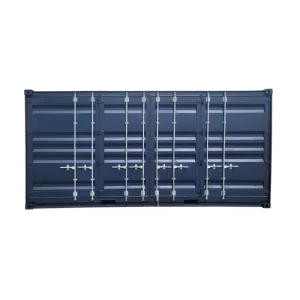
Yes. Through our specialized OEM/ODM engineering division, we produce custom structures with full full-side bi-fold door openings, heavy-duty tarpaulin-covered open tops, internal blast refrigeration shelving, roll-up shutter partitions, and sound-attenuated industrial housings for generator and battery sets.
Specialized Engineering Catalog
Heavy-Duty, Cryogenic & Custom Equipment Containers
Purpose-engineered solutions designed for specialized overland bulk commodities, offshore rigs, and regulated hazardous materials.
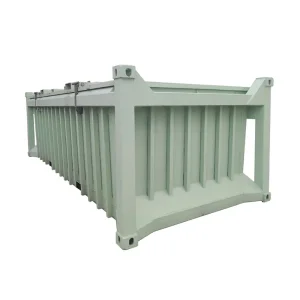
Buy New Half Height Ore Carrier Container Offshore Container Manufacturers
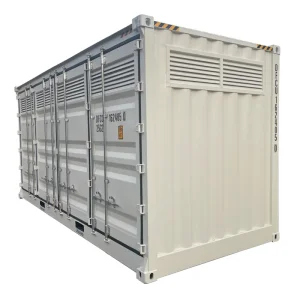
Famous 20FT High-cube Dangerous Goods Container Side Open Door with Ventilation

High-Quality New Offshore Basket Container for Offshore Operations
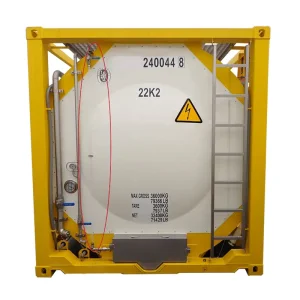
ODM 20ft Tank Container for Alcohol Manufacturer Quotes
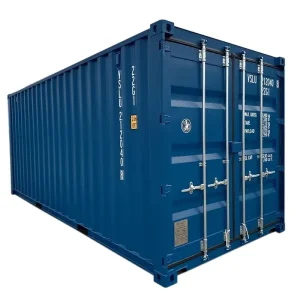
Buy New 20ft Double Door Dry Cargo Shipping Container Products
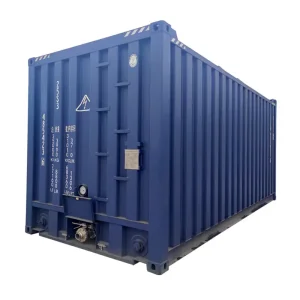
Buy New 20ft Square Liquid Container Factory Product

ODM The Smart Chain Cold Storage 20ft/40ft Solar Refrigerated Container 220V