High-Performance Certified Containers for Maritime & Industrial Logistics
Direct from factory manufacturing facilities in Tianjin and Suzhou. ISO, BV, and DNV certified units built for extreme payload integrity and intermodal standard compliance.
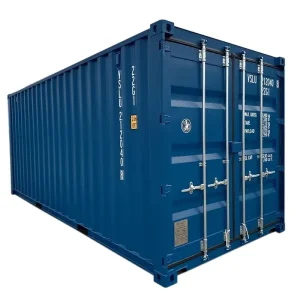
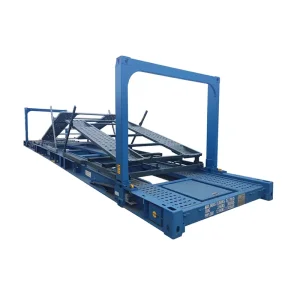
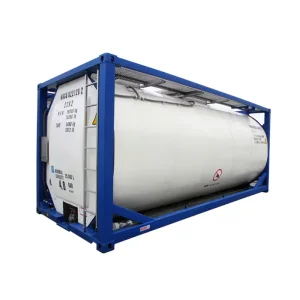
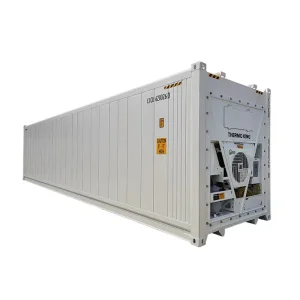
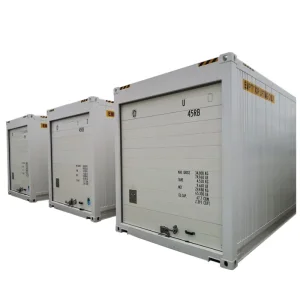
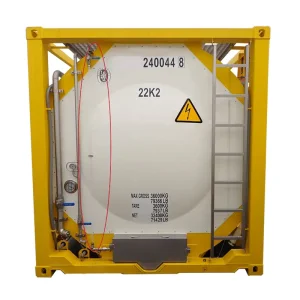
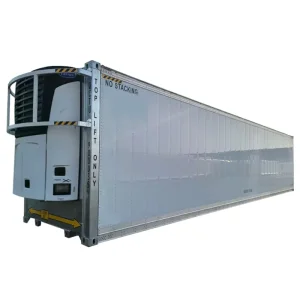
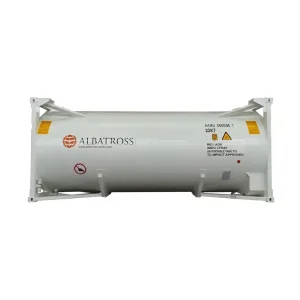
The Global Commercial & Industrial Landscape of Standardized Containers
Beyond traditional freight forwarders, global supply chains rely on standardized dimensions (ISO 668) to power automated transshipment hubs, energy grids, and cross-border cold chain infrastructure.
Multimodal Interoperability
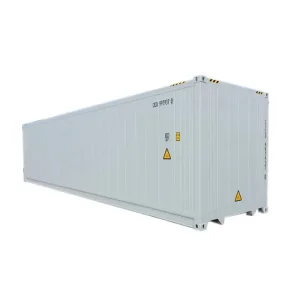
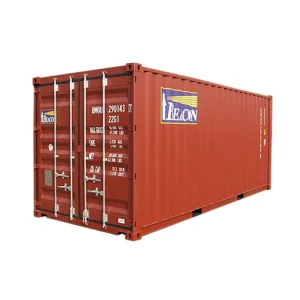
The standardized shipping container remains the backbone of the physical internet. Built strictly to ISO 668 and ISO 1496 criteria, these modular steel units transition frictionlessly between container vessels, intermodal rail cars, and skeletal road chassis without cargo re-handling, reducing port turnaround time by up to 85%.
Corten-A Weather Resistance
Modern standardized containers utilize structural SPA-H Corten steel, forming an anti-corrosive copper-chromium oxide layer under marine exposure. Engineered with marine-grade zinc primers and polyurethane coatings, they withstand high salinity, extreme UV, and dynamic stacking pressures up to 9-high laden configurations.
Specialized Industrial Evolution
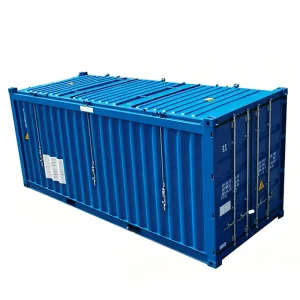
The transition from general cargo transport to specialized containers has accelerated. Modern logistics requires integrated temperature control (Reefer units via Thermo King, Carrier, and Daikin), hazardous liquid logistics (T11/T75 ISO Tanks), and side-opening configurations engineered to handle oversized structural freight.
Chinese Manufacturing Efficiency & Supply Chain Resilience
Supplying more than 90% of global container production, Chinese industrial ecosystems provide unmatched engineering scalability, raw material integration, and rigorous testing regimes.
Full Supply Chain Integration
Our production facilities in Tianjin and Suzhou leverage direct upstream integrations with high-tensile steel rolling mills, specialized hardware fabricators, and advanced robotics. This vertical alignment eliminates component bottlenecks, delivering high consistency in corrugated wall profiling, corner casting tolerances, and fluorocarbon coating cycles.
Multi-Tier Certification Testing
Every unit undergoes strict structural validation including CSC (Convention for Safe Containers) approvals, Bureau Veritas (BV) classification testing, and ISO 9001 quality system adherence. Units undergo 9-high stacking load tests (up to 216,000 kg), longitudinal racking checks, and automated continuous rain-penetration trials.
Port-Centric Logistics Advantage
Located under 100 kilometers from the Port of Tianjin, one of northern China’s largest deep-water export gateways, finished containers move directly from assembly lines to berths. This proximity significantly diminishes drayage overhead, avoids rail sidings bottlenecks, and enables fast roll-on/roll-off and stack loading schedules.
Standardized Container Dimensional & Capacity Matrix
Comprehensive engineering reference for naval architects, freight directors, and procurement analysts. Verify internal cubic capacities, tare weight specifications, and door clearances.
| ISO Container Model | External Dimensions (L × W × H) | Internal Dimensions (L × W × H) | Cubic Capacity | Max Gross Mass | Primary Industrial Application |
|---|---|---|---|---|---|
| 20ft Standard Dry (20GP) | 6.058 × 2.438 × 2.591 m | 5.898 × 2.352 × 2.393 m | 33.2 m³ | 30,480 kg | Dense mineral freight, industrial machinery, and packed heavy hardware. |
| 40ft Standard Dry (40GP) | 12.192 × 2.438 × 2.591 m | 12.032 × 2.352 × 2.393 m | 67.7 m³ | 30,480 kg | Consumer goods, high-volume palletized retail freight, and automotive assemblies. |
| 40ft High-Cube Dry (40HC) | 12.192 × 2.438 × 2.896 m | 12.032 × 2.352 × 2.698 m | 76.4 m³ | 30,480 kg | Voluminous consumer electronics, textiles, and modular architectural conversions. |
| 20ft ISO Reefer (20RF) | 6.058 × 2.438 × 2.591 m | 5.444 × 2.290 × 2.275 m | 28.3 m³ | 30,480 kg | Pharma cold chains, chemical thermal stability, regional perishable transfers. |
| 40ft High-Cube Reefer (40RH) | 12.192 × 2.438 × 2.896 m | 11.583 × 2.290 × 2.553 m | 67.6 m³ | 34,000 kg | Global agricultural cold chain, frozen seafood, and vaccine distribution. |
| 20ft ISO Chemical Tank (T11) | 6.058 × 2.438 × 2.591 m | Stainless 316L Vessel | 21,000 - 26,000 L | 36,000 kg | Bulk hazardous/non-hazardous liquids, petroleum products, and food-grade alcohols. |
Localized Applications & Next-Generation Industrial Scenarios
The standardization of container shells has transformed them from maritime transport tools into deployable, structural assets for modular energy, mining infrastructure, and remote logistics.
Battery Energy Storage Systems (BESS)
ISO standard 20ft and 40ft high-cube shells are extensively customized into plug-and-play grid storage enclosures. Engineered with non-combustible internal insulation (A1-rated mineral wool), floor reinforcement up to 45 tons, integrated liquid cooling HVAC manifolds, and automated fire suppression cutouts.
Offshore Exploration & DNV Operations
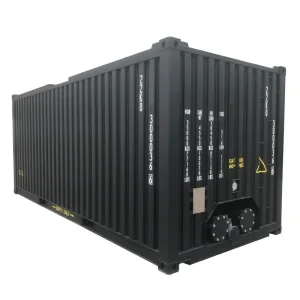
Meeting rigorous DNV GL 2.7-1 / EN 12079 offshore lifting requirements, our specialized containers feature heavy-gauge corner padeyes, Charpy impact-tested structural steels suitable for -20°C North Sea dynamics, and explosion-proof electrical conduits for hazardous zone deployment.
Rapid Modular Civil Enclosures
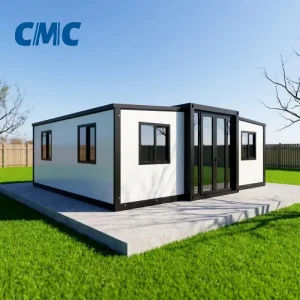
Engineered structural frames provide cost-effective shells for disaster response complexes, mobile field hospitals, mining camp accommodations, and telecom data centers. CSC-plated modifications allow them to ship via standard container line systems without breakbulk fees.
Macro Trends & Enterprise Procurement Methodology
Strategic purchasing managers navigate container fleet expansion through total cost of ownership (TCO), fleet tracking technology integrations, and decarbonized materials sourcing.
IoT Telematics & Smart Enclosures
Modern fleets are transitioning into intelligent assets. Integrated solar-powered GPS trackers, door-opening optical sensors, internal volumetric sonars, and remote reefer telemetry via satellite gateways are increasingly specified directly during OEM assembly, allowing automated fleet diagnostics.
Decarbonization & Green Materials
Global carbon tracking mandates are driving demand for green steel production in container manufacturing. Initiatives include replacing solvent-based paints with waterborne epoxy paints, switching tropical hardwood floors to sustainably harvested bamboo composites, and adopting energy-efficient Variable Frequency Drive (VFD) reefer compressors.
Strategic Bulk Sourcing Guidelines
To reduce freight volatility, leading global leasing firms and shipping carriers leverage multi-year procurement contracts with Tianjin manufacturers. Direct factory sourcing allows tailored paint schemes, pre-affixed prefix lettering (BIC code assignment), and SOC (Shipper Owned Container) one-way revenue deliveries.
Frequently Asked Questions on Standardized Containers
In-depth responses covering engineering requirements, testing standards, refrigeration brands, and procurement logistics.
What is the typical lifespan and maintenance cycle of an ISO standardized container?
Standard Corten-steel dry containers typically maintain a marine operational lifespan of 12 to 15 years under active ocean line service. Following their maritime retirement, they offer an additional 20+ years of structural life for secondary storage or modular architecture. Annual maintenance focuses on EPDM door gasket integrity, floor varnish coatings, and spot zinc priming against rust.
Which refrigeration machinery systems are available for OEM Reefer configurations?
We provide full system integration with tier-one marine refrigeration units, primarily Carrier Transicold (PrimeLINE series), Thermo King (Magnum Plus), and Daikin (LXE series). These units operate on 380V/460V 3-phase power, deliver precise temperature maintenance between -30°C and +30°C, and are available with controlled atmosphere (CA) options for perishables.
What documentation and test certificates accompany standard export shipments?
Every newly built container is supplied with an official CSC Safety Approval Plate, Bureau Veritas (BV) or China Classification Society (CCS) structural design appraisal, manufacturer's certificate of origin, and hydro-testing certificates for tank containers. Complete dimensional tolerance and mill-test reports for the structural Corten steel are archived for traceability.
Can customized industrial modifications be pre-certified for CSC ocean transit?
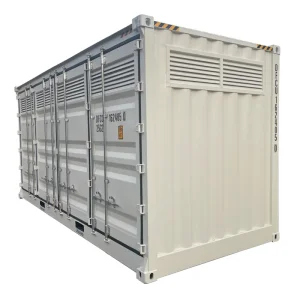
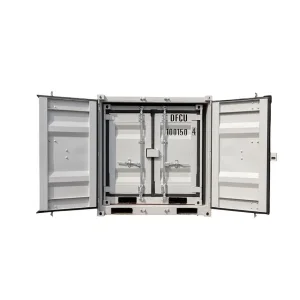
Yes. When engineering specialized enclosures (such as side-door access, generator housings, or mobile workshops), our engineers ensure structural perimeter crossmembers, corner castings, and header beams remain compliant with ISO boundary parameters. This allows modified containers to travel as standard freight, avoiding costly breakbulk charges.
Specialized Freight, Cryogenic Tanks & Modular Structural Units
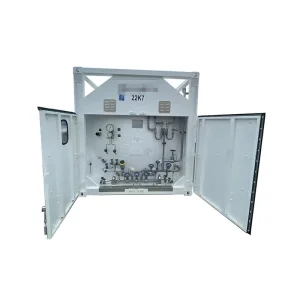
Explore heavy-duty transport modules, temperature-insulated units, and certified cryogenic equipment engineered to withstand demanding global logistical environments.