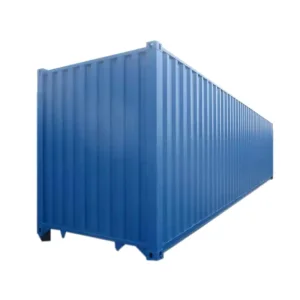
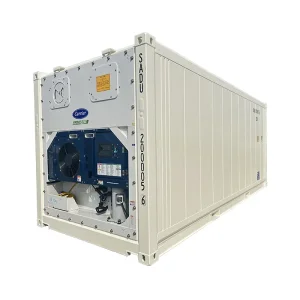
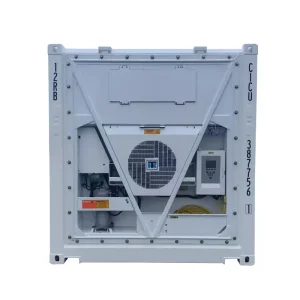
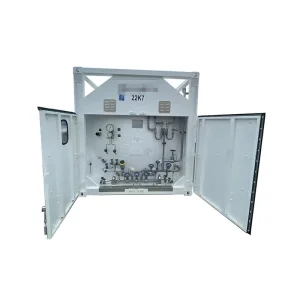
Featured Intermodal Fleet & Industrial Equipment
Verified structural configurations, multi-modal transport certifications, and standardized builds deployed across international trade corridors.


Global Industrial Landscape & Bulk Liquid Supply Chains
Comprehensive macro-level overview of global chemical distribution, food-grade liquid security, and low-carbon energy logistics.
Bulk Liquid Transition
Global supply chains are rapidly transitioning away from intermediate bulk containers (IBCs) and steel drums towards standardized ISO tank containers. Tank containers mitigate secondary spill hazards, maximize payload volume by up to 45% compared to cased drums, and drastically reduce carbon footprints over multimodal trade routes.
Strict Regulatory Compliance
Modern petrochemical, pharmaceutical, and hazardous reagent consignments mandate strict alignment with international conventions. Our manufacturing blueprints integrate structural margins conforming strictly to IMDG, ADR, RID, US DOT, and ASME Section VIII directives, assuring barrier-free transit across worldwide jurisdictions.
Cryogenic & Clean Energy
With global decarburization targets accelerating, the demand for T75 cryogenic tank containers is climbing exponentially. These vessels bridge the gap for liquefied natural gas (LNG), liquid nitrogen, liquid oxygen, and liquid argon handling in regions lacking fixed municipal pipeline grids or large-scale receiving infrastructure.
Types Of Tank Containers: Technical Taxonomy & Engineering Matrix
A deep engineering breakdown of industry-recognized UN Portable Tank codes, pressure envelopes, insulation layers, and specialized linings.
| Tank Classification | UN Portable Code | Design Pressure (Bar) | Shell Material & Treatment | Primary Industrial Media |
|---|---|---|---|---|
| General Chemical Tanks | T11 Standard ISO | 1.75 - 4.0 Bar | 316L Stainless Steel / Passivated | Solvents, non-corrosive chemicals, alcohols, refined bio-fuels |
| Food-Grade Clean Tanks | T11 Sanitary Grade | 2.65 Bar | Food-Grade 316L (Mirror Ra < 0.4µm) | Edible oils, fruit juices, spirits, liquid sweeteners, dairy |
| High-Hazard Corrosive | T14 / T20 Heavily Armored | 4.0 - 10.0 Bar | Carbon Steel + PTFE / PFA / Rubber Lined | Hydrochloric acid, sulfuric acid, chlorosilanes, toxic halides |
| Bitumen & Heated Tanks | T3 Special Purpose | 1.5 - 2.65 Bar | Corten Steel / Flame-Tube / Thermal Oil | Asphalt, coal tar, bitumen emulsions, heavy fuel oils (HFO) |
| Gas Pressure Containers | T50 Liquefied Gas | 10.0 - 34.5 Bar | High-Strength Fine Grain Steel | LPG, anhydrous ammonia, propylene, chemical refrigerants |
| Cryogenic Liquid Tanks | T75 Super-Insulated | 6.0 - 22.0 Bar | Austenitic Inner Shell + High Vacuum MLI | LNG, Liquid Nitrogen (LIN), Liquid Argon (LAR), Ethylene |
Localized Support, Regulatory Clearance & Safety Compliance
Ensuring risk-free intermodal routing through strict adherence to national and global transport authorities.
Maritime CSC Verification
Every tank container is tested and stamped in strict adherence to the International Convention for Safe Containers (CSC). Certified by global classification societies (Bureau Veritas, DNV, Lloyd's Register), assuring maximum stacking capability and torsional rigidity on container vessels.
Triple Valve Enclosures
Preventing dynamic transit leakage is vital when transporting dangerous chemicals. Our liquid containment vessels feature triple-closure discharge valve systems—foot valve, secondary butterfly/ball valve, and blind flange end-caps—eliminating mechanical failure risks.
Statutory Documentation
Smooth customs clearance requires comprehensive dossier transparency. We supply initial inspection certificates, 2.5-year and 5-year hydraulic pressure test records, ASME U-stamp documentation, non-destructive testing (NDT) reports, and precise material mill certificates.
Regional Depots & Spares
Our localized networks provide replacement Fort Vale or Perolo valves, burst discs, PTFE seal rings, electrical heating elements, and composite insulation panels at principal container terminals across Europe, North America, Southeast Asia, and Africa.
Tailored Use-Cases & Real-World Application Profiles
Engineered to conquer harsh climates, corrosive maritime atmospheres, and complex multimodal intermodal transfers.
Offshore Heavy Chemical Dosing
For exploration vessels and oil platforms, standard ISO frames are insufficient. We fabricate specialized offshore chemical tanks with integrated DNV 2.7-1 / EN 12079 lift lugs, padeyes, and crash frames capable of enduring turbulent open-sea dynamic crane operations.
High-Viscosity Asphalt Logistics
Paving materials and bitumen solidfy rapidly during intercontinental transit. Our heated asphalt containers utilize advanced internal flame-tube burners, direct electric heating grids, or thermal oil tracing to maintain liquid viscosity, enabling prompt discharge upon port arrival.
Aseptic Food & Beverage Distribution
Transporting edible cargo over weeks at sea requires strict isolation from airborne microbes. Our food-grade ISO tanks are fitted with micro-filtered air venting, integrated CIP (Clean-in-Place) rotating spray balls, and nitrogen blanket charging valves to prevent oxidation.
Engineering Roadmap & Next-Generation Outlook
Driving forward the next wave of intelligent, sensor-monitored, ultra-lightweight containment vessels.
ATEX-Certified Telematics
Digitalization in liquid cargo is paramount. Future-ready tank containers incorporate intrinsically safe, solar-rechargeable IoT sensors providing real-time telemetry on core internal pressure, temperature curves, ullage level, shock acceleration, and precise GPS tracking.
Advanced Composite Framing
By integrating lightweight high-yield structural steels with carbon-fiber reinforced secondary framework elements, our advanced manufacturing line targets tare-weight reductions of up to 12%. This directly enhances net payload capabilities while curtailing haulage fuel consumption.
Liquid Hydrogen Logistics
Anticipating the international clean energy economy, our R&D team is engineering next-generation liquid hydrogen (LH2) containers. Featuring multi-layer vacuum aerogel insulation and advanced thermodynamic boil-off gas reliquefaction technology, these tanks enable zero-loss long-haul transport.
Frequently Asked Questions (FAQ) for Container Procurement
Essential technical, legal, and operational guidance for procurement managers and logistics coordinators.
What differentiates a T11 tank container from a T14 tank container?
A T11 ISO tank is primarily designed for non-hazardous and moderately hazardous chemicals or edible liquids, utilizing bottom discharge outlets and working pressures up to 4 bar. A T14 tank is heavily reinforced for toxic, highly hazardous, or corrosive chemicals; it mandates top-only discharge with no bottom shell penetrations, thicker walls, and specialized anti-corrosive internal linings (such as PTFE or vulcanized rubber).
How frequently must ISO tank containers undergo mandatory testing?
In compliance with international CSC and IMDG regulations, tank containers must undergo an intermediate inspection and leak test every 2.5 years, followed by a comprehensive hydraulic pressure test, internal vessel inspection, and structural recertification every 5 years. All inspection marks must be clearly stamped on the manufacturer's data plate.
Can food products and chemical cargoes be alternated in the same vessel?
While high-pressure CIP systems and steam cleaning can fully sanitize stainless steel shells, strict international regulations forbid the transportation of foodstuffs in tanks that have previously contained toxic or hazardous industrial chemicals. Reputable fleet operators strictly segregate dedicated "Food Grade Only" tanks from industrial chemical fleets to avoid cross-contamination.
What insulation and heating configurations are available for temperature-critical cargo?
We supply containers insulated with polyurethane, high-density rockwool, or ceramic fiber panels wrapped in durable GRP or polished stainless steel cladding. For temperature control, options include external steam-heating channels, integrated electrical heating blankets, or advanced circulating glycol heating systems suited for wax, fatty acids, and sensitive chemicals.
Specialized Heavy-Duty & Cryogenic Fleet Catalog
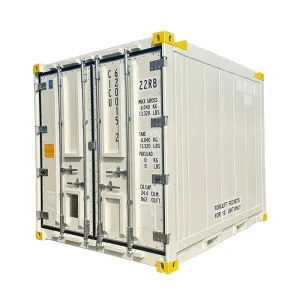
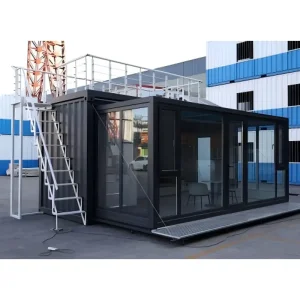
Explore our extended production lineup covering offshore frames, certified reefers, cryogenic gas containment, and modular solutions.