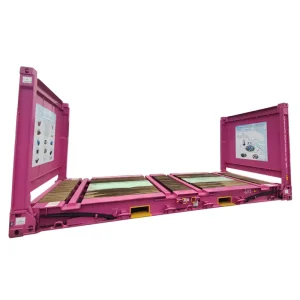
High-Spec Industrial & Offshore Container Portfolio
Explore heavy-duty DNV certified baskets, multi-temperature solar reefers, and high-cube intermodal dry cargo solutions engineered to strict ISO specifications.
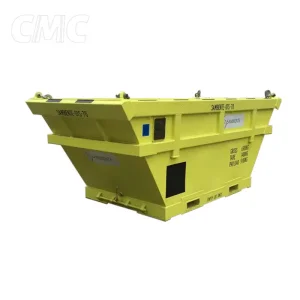
Famous DNV Certification Silt Basket Container Used in Offshore Operations Factories, Exporters
Examine Spec Sheet
ODM The Smart Chain Cold Storage 20ft/40ft Solar Refrigerated Container 220V With DC Inverter Unit Pricelist, Exporters
Examine Spec Sheet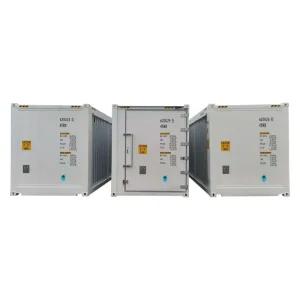
China OEM 40ft High-Cube Customized Three-in-One Combination Reefer Storage Container Manufacturer, Quotes
Examine Spec Sheet
High-Quality New Offshore Basket Container for Offshore Operations Exporter, Exporters
Examine Spec Sheet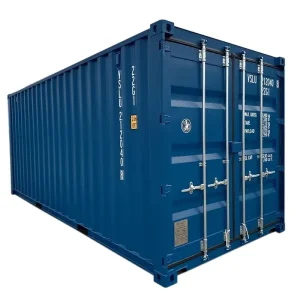
Buy New 20ft Double Door Dry Cargo Shipping Container Products, Manufacturers
Examine Spec Sheet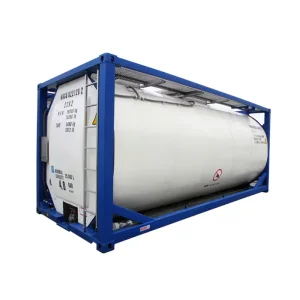
Buy ISO Standard 20ft Versatile Tank Container for Transport Chemicals Exporter, Product
Examine Spec Sheet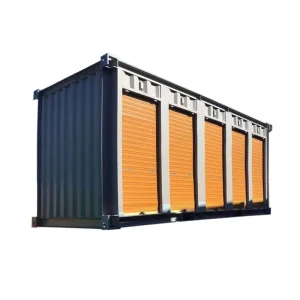
OEM New 20ft Storage Roll-Up Door Dry Cargo Container Pricelist, Product
Examine Spec Sheet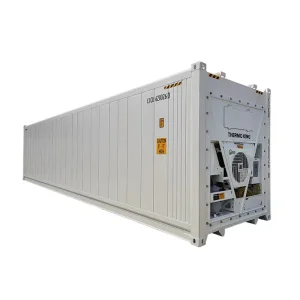
OEM New 40ft High-Cube Certified Reefer Shipping Cargo Container Pricelist, Product
Examine Spec SheetEnterprise Sourcing Dynamics: The Shift Toward Specialized Fleet Assets
Global supply chain networks face intensified operational friction: escalating fuel expenditures, tighter emissions mandates, and extreme climatic variances across multi-modal transit corridors.
Total Cost of Ownership (TCO)
Modern fleet managers prioritize asset durability over upfront unit costs. Sub-par container shells suffer from micro-fracturing along corner castings and thermal bridging in perimeter wall insulation, causing cargo damage and refrigeration cycle inefficiency.
- High-strength SPA-H atmospheric corrosion-resistant Corten steel frameworks.
- Polyurethane foaming with low thermal conductivity factors (λ ≤ 0.020 W/m·K).
- Extended paint preservation warranties exceeding 5-year marine deployment cycles.
Specialized Structural Footprints
While standard 20ft and 40ft units remain workhorses, enterprise procurement increasingly commands hybrid specifications, such as multi-door layouts, open-side configurations, roll-up shutter access, and specialized offshore silt/basket units.
- Side-open doors facilitating rapid forklift operations for oversized machinery pallets.
- DNV 2.7-1 and EN 12079 structural verification for dynamic offshore crane hoisting.
- Chemical-grade ISO tank containers for high-density hazardous liquid transport.
Supply Chain Decarbonization
Decarbonization benchmarks mandate container manufacturers integrate active and passive energy-saving technologies. In reefer logistics, hybrid DC inverter compressors combined with rooftop solar photovoltaic modules reduce reliance on diesel generator sets.
- Smart DC inverter units slashing dynamic electrical draw by up to 35%.
- Solar-assisted reefer buffer batteries preserving critical biological cargos.
- Reduced tare weight alloys lowering per-ton-kilometer intermodal rail emissions.
Advanced Metallurgy & Structural Architecture
Container engineering requires an uncompromising approach to metallurgical chemistry, robotic welding calibration, and multi-tier surface anti-corrosion treatments designed for harsh marine atmospheric salinity.
Corten-A (SPA-H) Structural Framework
The structural longevity of sea-going containers depends on the chemical composition of its steel framing. Leading container factories utilize SPA-H Corten steel conforming to JIS G3125 standards. The inclusion of alloying elements such as copper, chromium, and nickel forms a self-regenerating oxide passivation patina upon atmospheric contact, effectively retarding internal structural oxidation.
Corner castings are cast from high-yield normalized carbon-manganese steel (SCW480 or equivalent) to sustain static stacking loads of up to 216,000 kg (equivalent to nine fully loaded 40ft High-Cube units stacked vertically during ocean voyages in heavy swell conditions).
Offshore Marine Fabrication: DNV 2.7-1 Protocols
Offshore containers, including silt baskets and subsea tool bins, operate outside the static boundaries of standardized cellular container ships. Hoisted between offshore supply vessels (OSVs) and deepwater drilling rigs, these assets withstand extreme kinetic energy transfers, wave slamming, and negative-ambient-temperature impacts (-20°C to -40°C).
Fabrication requires full-penetration butt welds, charpy V-notch impact-tested structural tubing, and 100% Non-Destructive Testing (NDT) across pad eyes and load-bearing welds via Ultrasonic and Magnetic Particle Inspection (MPI).
| Specification Category | Standard ISO Dry Freight (20GP / 40HC) | Advanced Reefer / Cold Chain Unit | Offshore Basket / Tool Carrier (DNV 2.7-1) |
|---|---|---|---|
| Primary Steel Substrate | SPA-H / Corten-A High Yield Corrosion Resistant | Corten framing with SUS304 / MGSS stainless interior | EN 10025 S355NL / S355J2 with low-temp Charpy test |
| Corrosion Protection System | Zinc-rich epoxy primer (30μm) + Epoxy barrier + Polyurethane topcoat | Marine-grade epoxy multi-coat + Hydrophobic anti-microbial interior | Hot-dip galvanized (≥100μm) or offshore 3-tier epoxy (300μm DFT) |
| Thermal Core Insulation | Non-insulated (standard corrugation walls) | High-pressure cyclopentane/polyurethane foam (65-100mm) | Non-insulated or custom thermal blanket barrier options |
| Floor Structure & Payload | 28mm apitong hardwood plywood or steel anti-slip plate | Extruded aluminum T-bar floor for optimized airflow vectors | High-yield structural steel chequer plate with drain apertures |
| Standard Certification | ISO 1496-1, CSC (TIR), Bureau Veritas (BV), ABS | ISO 1496-2, ATP certification, CE, BV, Daikin/Carrier/Thermo King | DNVGL-ST-E271 (DNV 2.7-1), EN 12079, ISO 10855, IMO MSC/Circ.860 |
Next-Generation Intermodal Architectures & Future Outlook
The global shipping equipment manufacturing landscape is shifting from passive storage boxes to intelligent, connected intermodal assets integrated with predictive logistics infrastructure.
IoT Telematics & Predictive Maintenance
Factory-installed satellite and cellular IoT transceivers provide uninterrupted telemetry data streams back to fleet command centers. Integrated sensor arrays deliver:
- Continuous internal atmospheric monitoring: temperature, humidity, CO2, and ethylene gas tracking for perishable agriculture.
- Tri-axial impact sensors recording G-force shocks during rail shunting or rough marine handling.
- Real-time automated diagnostic trouble codes (DTC) for DC inverter compressor systems to avert critical mechanical failure en route.
Clean Energy & Thermal Storage Integration
Stringent IMO 2030 and 2050 decarbonization mandates necessitate a fundamental transformation in refrigerated transport. Innovative factory solutions include:
- Phase Change Material (PCM) wall cores capable of absorbing latent heat and maintaining chilled environments during 6-hour power disruptions.
- High-efficiency roof-integrated photovoltaic (PV) solar panels powering internal air recirculation fans and micro-controllers.
- Dual-voltage inverter drive electronics (220V/380V/460V) dynamically adapting to intermodal shore-power, rail gensets, and utility grids.
Modular Customization & Circular Architecture
Standardized manufacturing tolerances now allow containers to be repurposed directly from maritime service into industrial, commercial, and emergency infrastructure:
- Factory pre-engineered framing for energy storage system (BESS) battery enclosures with integrated fire suppression piping.
- Multi-compartment reefer solutions configured with removable insulated bulkheads for tripartite temperature zones (frozen, chilled, ambient).
- Roll-up door conversions engineered with structural header stiffeners to eliminate structural sag during heavy equipment storage.
Port-Proximate Manufacturing & Global Compliance Assurance
Operational agility in container exportation relies heavily on geographical proximity to major maritime container terminals and comprehensive classification society verification.
Tianjin & Suzhou Industrial Hub Advantages
Situated within approximately 100 kilometers of northern China's premier deep-water seaport (Tianjin Port), container manufacturing facilities maximize logistics efficiency for international vessel loadings. This strategic proximity translates into:
- Minimized Inland Drayage: Substantially lowered inland trucking emissions, freight tolls, and gate handling expenses prior to ocean clearance.
- Immediate Port Yard Staging: Rapid positioning of new-build and certified used fleets directly into vessel feeder schedules serving European, African, and American trade corridors.
- Integrated Steel & Component Ecosystem: Direct sourcing from national steel mills and localized refrigeration component vendors, mitigating macro supply chain interruptions.
International Classification Society Approvals
Container fleets cannot safely or legally transit international sea routes without rigorous third-party verification. Certified manufacturing incorporates standardized audit trails:
- Bureau Veritas (BV) Quality & Safety Approvals: Full compliance documentation validating container structural resistance under maximum static and dynamic load constraints.
- CSC & TIR Certification: International Convention for Safe Containers (CSC) data plates certifying container stackability, racked end-wall stiffness, and customs security sealing.
- IMDG & Hazardous Material Regulations: Specialized chemical tank containers and ventilation-equipped dangerous goods lockers meeting strict IMO Class 3, 6, and 8 chemical transit standards.
Authoritative Answers for Fleet Procurement Specialists
Direct technical responses addressing regulatory, operational, metallurgical, and cold-chain queries frequently raised by corporate logistics directors.
What metallurgical specifications differentiate standard ISO containers from DNV offshore units?
Standard ISO intermodal containers are engineered primarily with SPA-H (JIS G3125) Corten atmospheric corrosion-resistant steel, which relies on a protective copper-phosphorus oxide layer for rust prevention in maritime environments. However, DNV 2.7-1 / EN 12079 offshore cargo baskets and modules require higher mechanical impact toughness at sub-zero temperatures (Charpy V-notch impact tested at -20°C or -40°C) using specialized structural steel grades such as EN 10025 S355NL or S355J2. Offshore containers also feature thicker tubular hollow structural sections, certified pad eyes designed for 4-legged lifting slings, and complete Non-Destructive Testing (NDT) to absorb severe offshore crane lifting dynamics in heavy seas.
How do DC inverter refrigeration units outperform legacy single-speed reefer compressors?
Legacy reefer containers employ single-speed scroll or reciprocating compressors that operate in binary on/off cycles. This design generates substantial electrical in-rush currents, causes thermal overshoot (±1.5°C to ±2.0°C), and accelerates mechanical wear. In contrast, variable-speed DC inverter refrigeration units dynamically modulate compressor motor frequency based on real-time internal thermal load. This delivers exact temperature stability (±0.1°C), cuts baseline electrical power consumption by 25% to 35%, enables smooth soft-starting compatible with solar battery banks and micro-generators, and significantly extends the operational lifespan of the compressor assembly.
Can customized OEM/ODM shipping containers be built with specific door configurations and floor materials?
Yes. OEM and ODM container production lines provide extensive structural engineering adaptability. Standard end-opening swing doors can be replaced or augmented with full-length side-opening bifold doors, insulated rolling shutters, or dual-ended access portals. Flooring substrates can be tailored from standard 28mm marine-grade apitong plywood to anti-slip steel diamond plate, food-grade extruded aluminum T-bar profiles, or chemical-resistant polyurethane coating layers with integrated floor sump drains.
What international certifications must accompany new-build containers for global maritime deployment?
Every commercial container intended for international intermodal transport must carry a valid CSC (International Convention for Safe Containers) safety approval plate stamped by an authorized IACS classification society (such as Bureau Veritas, ABS, Lloyd's Register, or DNV). The technical dossier must certify compliance with ISO 668 (series 1 freight containers dimensions and ratings), ISO 1496 (specification and testing), TIR customs convention security approval, and UIC railway registration parameters. Reefer containers must also maintain ATP certification for perishable food transport across designated trans-continental boundaries.
What is the typical operational lifespan of industrial containers in harsh corrosive environments?
A certified high-quality ISO container manufactured with certified SPA-H Corten steel and coated with a three-layer marine-grade paint system (zinc-rich primer, epoxy intermediate, and polyurethane topcoat with a combined dry film thickness of 120-150 microns) exhibits an operational ocean-going lifespan of 12 to 15 years under regular survey cycles. When maintained and utilized for static site storage or inland logistics, these assets regularly exceed 25 years of service before requiring structural plate refurbishments.
How do factories near Tianjin Port optimize export turnaround and shipping schedules?
Manufacturing facilities located in the Tianjin and Suzhou regions sit approximately 100 km from terminal berths, streamlining the supply chain. New-build containers can be inspected, customs-sealed, and hauled directly to terminal container yards within two to three hours. This reduces drayage surcharges, eliminates secondary staging yard overheads, allows flexible booking against spot ocean vessel departures, and guarantees that export documentation (bills of lading, CSC certificates, phytosanitary plywood treatment manifests) clears port authorities without scheduling delays.
Precision Chemical Tanks, Cold Rooms & Transport Platforms
Complete your fleet deployment with dedicated chemical ISO tanks, portable diesel generator units, blast freezers, and hazardous goods containers built to stringent classification standards.
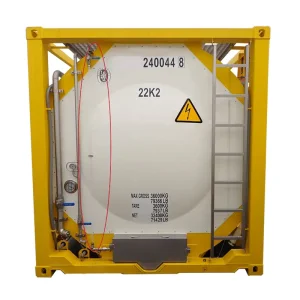
ODM 20ft Tank Container for Alcohol Manufacturer, Quotes
Examine Spec Sheet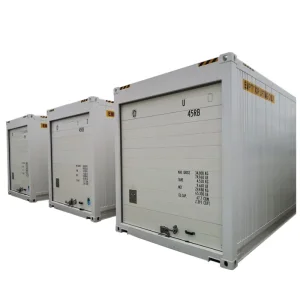
China 40ft High-Cube Roll Up Reefer Container Customized Shipping Containers Factory, Manufacturers
Examine Spec Sheet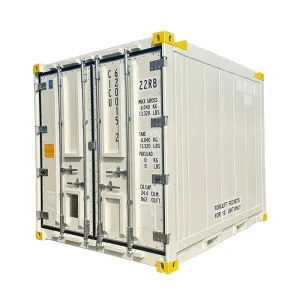
High-Quality New 10ft Certified Thermo King Freezer Container Exporter, Manufacturers
Examine Spec Sheet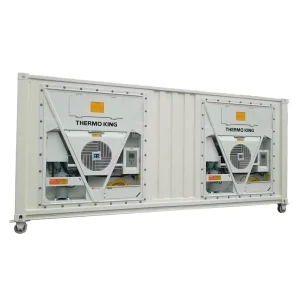
High-Quality The new blast reefer containers are certified by classification societies Manufacturers, Factories
Examine Spec Sheet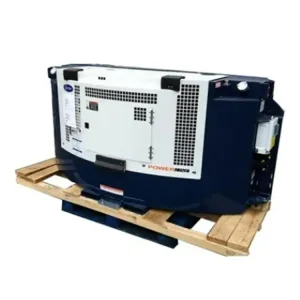
China Refrigerated container diesel generator Exporter, Quotes
Examine Spec Sheet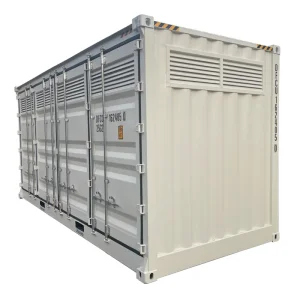
Famous 20FT High-cube Dangerous Goods Container Side Open Door with Ventilation Opening Manufacturer, Exporter
Examine Spec Sheet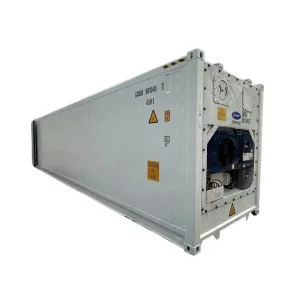
Buy Ninety Percent New Used 40ft HC Carrier Refrigerated Container Product, Quotes
Examine Spec Sheet