
Standard & Heavy-Payload Open / Specialized Unit Series
Engineered for multi-modal flexibility, over-dimensional lashing, high-payload bulk extraction, and certified cold-chain logistics.
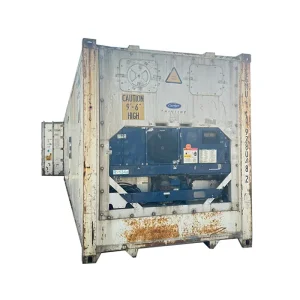
China Used 40ft High-Cube Certified Reefer Container Pricelist, Exporter
View Product Specs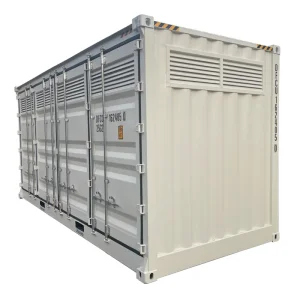
Famous 20FT High-cube Dangerous Goods Container Side Open Door with Ventilation Opening Manufacturer, Exporter
View Product Specs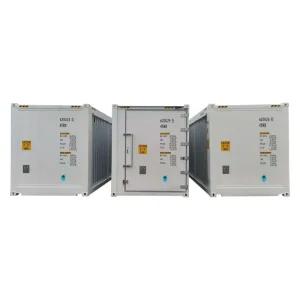
China OEM 40ft High-Cube Customized Three-in-One Combination Reefer Storage Container Manufacturer, Quotes
View Product Specs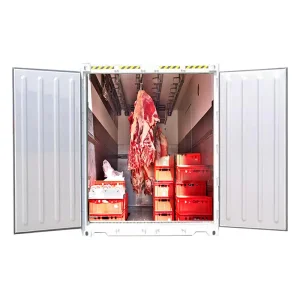
High-Quality Brand new hanging meat container for low temperature fresh transportation Pricelist, Products
View Product Specs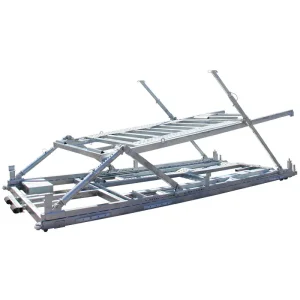
China vehicle transport rack Product, Exporters
View Product Specs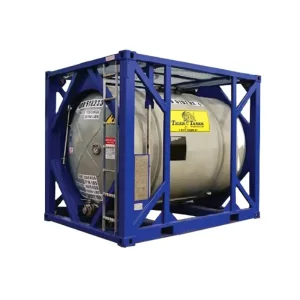
Buy New DNV Certification 10ft Offshore Tank Container Factory, Products
View Product Specs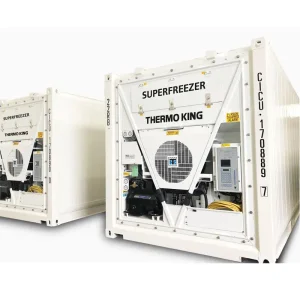
OEM New Deep Freezer Refrigerator Container For Sale Factory, Quotes
View Product Specs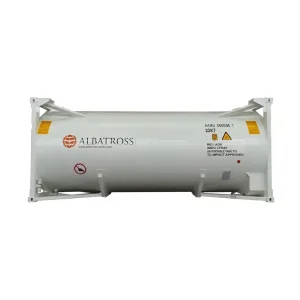
China 25000 Liters ISO 20ft Gas Tank Container for Sale Product, Factories
View Product SpecsOpen Shipping Containers: Structural Dynamics & Operational Paradigm
A rigorous examination of torsional integrity, roof-header mechanics, load distribution, and material science across global intermodal operations.
In modern intermodal freight operations, Open Shipping Containers—incorporating soft open-top tarpaulin units, hard removable open-tops, flatracks, and side-opening configurations—form the foundational backbone of breakbulk, over-dimensional machinery, and heavy industrial cargo transit. Unlike standardized six-sided dry freight cargo boxes (ISO 1496-1 GP), open container structures inherently forfeit the structural diaphragm action normally supplied by continuous corrugated roof paneling. Consequently, designing and manufacturing an open container demands sophisticated mechanical recalculation of corner post buckling limits, bottom side rail moment inertia, and transverse racking resistance.
Tianjin Cimic Container Group, established in 1983, engineers open and specialized cargo units calibrated to endure grueling international shipping corridors. Utilizing micro-alloyed SPA-H Corten atmospheric corrosion-resistant steel, our manufacturing lines integrate high-load lashing rings along bottom sills capable of handling 2,000 kg to 4,000 kg shear pull forces, paired with swing-out rear headers that permit overhead overhead crane loading without impeding cargo dimensions.
Corten-A Weathering Steel Chemistry
Forged with Cu-P-Cr-Ni alloyed metallurgy, creating a self-regenerating oxide passivation layer that halts environmental oxidation across ocean marine spray environments.
Articulated Swing-Out Door Headers
Patented detachable hinge pins enable crane-hoisted heavy goods to drop cleanly into place without snagging the rear upper transverse beam, speeding turnarounds by 40%.
TIR Heavy-Duty Tarpaulin Closures
UV-stabilized 650–900 g/m² PVC-coated polyester fabrics secured via steel roof bows, nylon-braided TIR lashing cords, and tamper-evident customs sealing eyes.
China Factory 4.0: Supply Chain Resilience & Robotic Automation
How intelligent fabrication, automated shot-blasting, and digital twin QC deliver unrivaled lead-time predictability and cost advantages.
Robotic Laser & Submerged Arc
CNC laser profiling down to ±0.2mm tolerance paired with automated continuous seam welding, eliminating porosity and micro-fractures in bottom rail assemblies.
Sa 2.5 Shot Blasting Line
Every steel substrate passes through automated centrifugal steel shot chambers, reaching pure metallic sheen (Sa 2.5) to secure 30-year marine-grade paint adhesion.
Integrated Paint Booth (VOC Controlled)
Equipped with zinc-rich epoxy primers, high-build epoxy intermediates, and aliphatic polyurethane topcoats, exceeding ISO 12944 C5-M extreme marine durability metrics.
Tianjin Hub Port Proximity
Positioned under 100km from Tianjin Seaport and Suzhou logistics nodes, eliminating transit backlogs, reducing drayage emissions, and slashing FOB dispatch costs.
Macro Industry Applications & Specialized Logistics Engineering
Custom-engineered containers solving high-mass payload, hazardous ventilation, and fragile project equipment transport.
| Sector Demand | Container Model Class | Key Engineering Modifications | Regulatory Standard | Procurement Advantage |
|---|---|---|---|---|
| Mining & Raw Mineral Slurry | Half-Height Hard Open-Top | Reinforced 6.0mm Corten floor, sloped internal corners, hydraulic tipper tippling pins | ISO 1496-4 / CSC Certified | Cuts discharge cycle times by 65%; avoids ore residue hang-up |
| Wind Turbine & Power Generation | 40ft / 45ft Flatrack & Open Top | Heavy-duty lashing d-rings (5,000kg proof load), detachable corner pillars, reinforced I-beams | EN 12079 / Lloyd's Register | Enables top-crane positioning of heavy nacelles and over-height stators |
| Chemical & Dangerous Goods | Side Open Hazardous Store | Lower perimeter spill sump (300L), dual spark-proof mechanical louvers, explosion-proof wiring | IMDG Code / BV Certified | Forklift direct access; fully compliant with multi-country EPA containment |
| Rail Corridors (Belt & Road) | 40ft HC Dual-Door Intermodal | Reinforced top-lift castings for reach stackers, low-temperature resistant steel (-40°C impact test) | UIC 592 / GOST / CSC | Uninterrupted Eurasian winter transit across standard/broad gauge bogies |
| Industrial Cold Chain & Meat | 40ft HC Hanging Meat Reefer | Overhead stainless steel beam rails, Daikin/Thermo King digital micro-processors, T-bar flooring | ATP Certification / ISO 1496-2 | Zero biological cold-chain degradation; supports 15,000kg hanging live load |
Global procurement directors require containers that address structural resilience, tare weight efficiency, and seamless customs interoperability. Standardizing your intermodal asset pool with Tianjin Cimic means deploying units verified by Bureau Veritas (BV), Det Norske Veritas (DNV), and China Classification Society (CCS). Every batch undergoes factory load simulations, including nine-high stacking tests sustaining 86,400 kg compressive weight per corner post, guaranteeing total safety in high-seas stacking.
Technical Roadmap & Future Outlook: The Smart Open Container (2025–2035)
Integrating edge computing, ultra-light carbon hybrid composites, and predictive maintenance sensors into container assets.
Satellite IoT Telematics & Tarpaulin Sensors
Solar-harvesting beacon transceivers monitor real-time G-force shocks, door-open telemetry, and tarpaulin tampering, relaying global GPS alerts via low-earth orbit constellations.
Carbon-Infused Lightweight Roof Bows
Transitioning from traditional galvanized steel roof bows to graphene-reinforced pultruded composites reduces tare weight by 180kg per unit while improving elastic recovery.
Automated AGV & Port Robotic Lashing
Standardized smart corner castings engineered with magnetic proximity markers, allowing automated guided vehicles and robotic twistlock cranes to handle open units safely.
Localized Engineering Support & Total Cost of Ownership (TCO) Framework
Eliminating lifecycle operational friction through stringent quality auditing, spare parts interchangeability, and direct factory technical assistance.
Procuring open containers from overseas factories often introduces hidden lifecycle expenses: accelerated weld-joint fatigue, substandard tarpaulins prone to tearing under wind loads, and inconsistent customs paperwork. Tianjin Cimic resolves these supply-chain vulnerabilities through our Zero-Defect Verification Protocol.
Every open container leaving our plant is tagged with a laser-etched stainless steel CSC approval plate confirming adherence to ISO 668 (Class dimensions), ISO 1161 (Corner castings), and ISO 1496-1 (Specification and testing of series 1 freight containers). Our engineering department assists fleet operators with customized FEA strain simulations, ensuring floor cross-member spacing is optimized for forklift axle weights up to 7,260 kg in accordance with ISO standards.
Full Classification Society Certifications
Independently inspected and documented by Bureau Veritas (BV), Lloyd's Register, ABS, or CCS. Comprehensive data dossiers accompany every container shipment.
Rapid Factory-Direct Spare Parts
Global dispatch of standardized swing headers, roof bows, TIR cables, replacement tarpaulin segments, and dual-lip door seals straight from factory inventory.
Dedicated OEM / ODM Design Team
Direct communication with structural engineers to adapt container height (8'6" to 9'6" High Cube), floor material (Apitong plywood, steel checker plate, or bamboo), and door configurations.
Intermodal, Specialized Rolling Stock & Liquid / Dry Bulk Assets
Engineered to handle automobile staging, bulk liquids, high-cube rail distribution, and temperature-isolated goods.
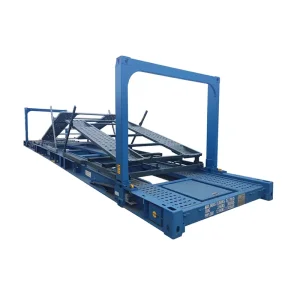
China New 20ft Car Carrier Container Special Container Exporter, Quotes
View Product Specs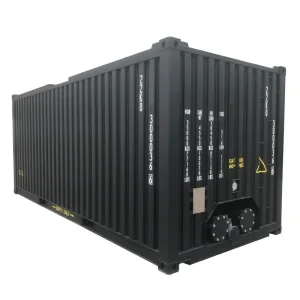
China 20 Feet Heated Shipping Asphalt Container Exporter, Manufacturers
View Product Specs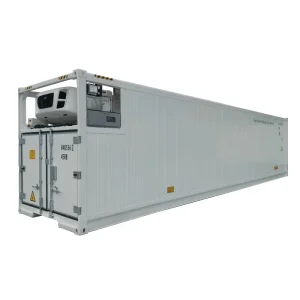
Famous New 40-foot high cube & 45-foot "Belt and Road" railway refrigerated container. Product, Products
View Product Specs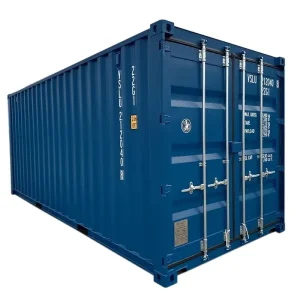
Buy New 20ft Double Door Dry Cargo Shipping Container Products, Manufacturers
View Product Specs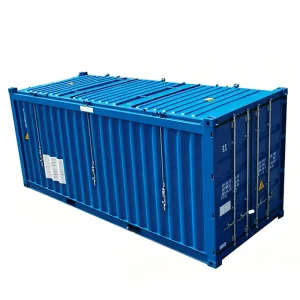
China 20ft New Hard Open Top Shipping Container Manufacturer, Factories
View Product Specs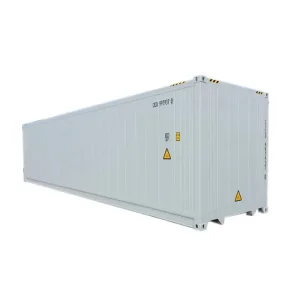
Buy New 40ft High Cube Thickened Foam Insulation Container Factory, Exporters
View Product Specs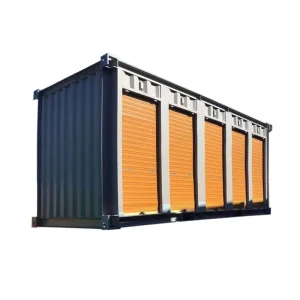
OEM New 20ft Storage Roll-Up Door Dry Cargo Container Pricelist, Product
View Product Specs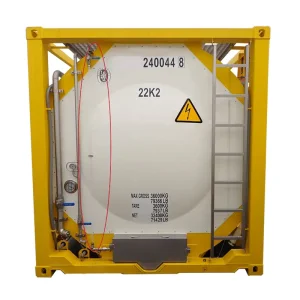
ODM 20ft Tank Container for Alcohol Manufacturer, Quotes
View Product SpecsFrequently Asked Questions for Fleet Specifiers & Procurement Directors
Comprehensive engineering insights addressing structural ratings, certification testing, and cargo safety standards.
To replace the diaphragm stiffness normally provided by a corrugated steel roof sheet, our factory integrates reinforced top side rails with heavier wall section profiles (such as 60x60x4.0mm rectangular hollow sections), heavy-duty corner post gussets, and high-tensile removable steel roof bows. These components work together with an articulated rear swing-out header to pass the full ISO 1496 transverse and longitudinal racking load tests (150 kN transverse force).
Soft open-top containers utilize removable arched tubular steel roof bows covered with heavy-duty, waterproof, PVC-coated polyester tarpaulins (650–900 g/m²) and secured with TIR wire cords. Hard open-top containers feature a completely removable rigid steel roof plate equipped with corner lift pockets. Hard open-tops offer superior weather shielding and mechanical security against theft, whereas soft open-tops provide higher vertical loading clearance for slightly over-height breakbulk cargo.
All structural structural frames are fabricated from genuine Corten-A / SPA-H weathering steel. Following full Sa 2.5 automatic shot-blasting to eliminate mill scale, the steel receives a three-tier paint application: an inorganic/organic zinc-rich epoxy primer (30μm), an epoxy intermediate barrier coat (40μm), and a weather-resistant polyurethane topcoat (40μm), providing a minimum dry film thickness (DFT) exceeding 110μm, compliant with ISO 12944 C5-M extreme marine ratings.
Yes. Operating as an advanced OEM/ODM manufacturing facility since 1983, our engineering department provides comprehensive technical drawing verification for bespoke configurations: including bi-fold full-side access doors, end-to-end roll-up doors, modified internal cargo anchor plates, and insulated thickened composite walls, all certified through FEA structural modeling prior to steel cutting.
Every container lot undergoes rigorous verification: dimensional tolerance auditing, six-direction corner casting dimension confirmation, weld ultrasonic/magnetic particle tests, door gasket seal pressure testing, and high-pressure water deluge spray testing (minimum 1.0 bar pressure from all nozzles). Factory certification is authenticated by third-party surveyors from Bureau Veritas (BV), Lloyd's Register (LR), or DNV.
Standard production runs of open and dry freight units typically ship within 3 to 5 weeks depending on custom design complexity. Situated less than 100 kilometers from Tianjin Seaport and near Suzhou shipping hubs, units are delivered directly to deep-water ocean berths as 'One-Way Shipped' freight loaded with customer cargo, or as empty repositioned stacks (SOC - Shipper Owned Containers) without costly drayage overheads.