
Featured Marine & Intermodal Product Lines
Explore certified specialized and ISO-grade containers built for harsh maritime logistics and modern multimodal supply networks.
The Evolution of Shipping Container Naming & Standardization
From simple freight units to sensor-integrated modular infrastructure: how intermodal nomenclature and manufacturing standards dictate worldwide logistics resilience.
ISO 6346 Decoding Mechanics
The standard naming format—incorporating Owner Code, Product Group Category, Serial Registration, and Check Digit—eliminates intermodal ambiguity across deep-sea terminal operations.
- Category 'U' for standard freight containers
- Category 'J' for detachable container equipment
- Category 'Z' for chassis and transport trailers
Telemetry & IoT Smart Fleets
Modern shipping container configurations are equipped with integrated sensors monitoring internal relative humidity, door breaches, mechanical impact, and precise coordinates in real time.
- Carrier DataCOLD & Daikin DEC5 telemetry integration
- Real-time automated venting control systems
- Remote satellite diagnostics for multi-leg transit
Structural Integrity & Alloys
Cort-A weathering steel, dual-layer polyurethane coatings, and automated seam-welding prevent marine oxidation while sustaining vertical stacking weights up to 216,000 kg.
- SPA-H grade metallurgical composition
- Zinc-rich epoxy primer coatings (>75 microns)
- Class-approved testing per CSC and TIR protocols
China Factory 4.0: Supply Chain Resilience & Export Advantage
Operating near major industrial ports like Tianjin and Suzhou provides significant cost and scheduling advantages for high-volume container buyers.
Automated Robotic Assembly
High-precision automated continuous submerged-arc welding stations and robotic side-wall corrugation lines minimize micro-fractures, improving frame alignment accuracy to within ±1.5 mm.
- Uniform structural welding under ISO 1496-1
- Robotic shot-blasting achieving SA 2.5 standards
- Consistent dimensional geometry across high batch runs
Port Proximity & Berth Access
Positioned within 100 kilometers of deep-water commercial terminals, our manufacturing hubs reduce drayage costs, minimize chassis wait-times, and simplify immediate shipboard loading.
- Direct rail corridors linking factory floors to berths
- Pre-cleared customs clearance documentation processing
- Minimized inland transit carbon footprint and drayage fees
Integrated Metallurgical Clusters
Direct supply lines with tier-one domestic steel manufacturing mills secure stable hot-rolled Cort-A coil access, insulating buyers from volatile raw material spot markets.
- Mill test certificates delivered with all batches
- Predictable production turnaround regardless of seasonal shifts
- Custom metallurgical modifications upon engineering review
Comprehensive Shipping Container Types, Specifications & Indicative Pricing
Verified commercial and structural parameters for maritime, industrial, and specialized operations. Contact our engineering desk for firm contract quotations.
| Container Nomenclature | Dimensions (L × W × H, Ext.) | Tare Weight | Max Payload | Primary Industrial Use-Case | Indicative Ex-Works Price |
|---|---|---|---|---|---|
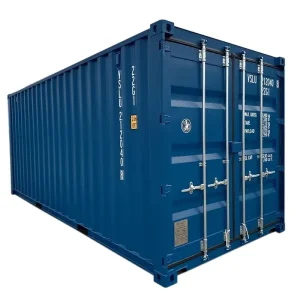
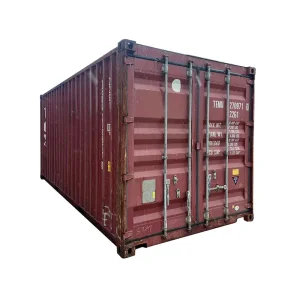
| 20ft General Purpose (Dry) | 6,058 × 2,438 × 2,591 mm | 2,200 kg | 28,280 kg | Dense minerals, industrial equipment, palletized retail | $1,850 - $2,350 |
| 40ft High-Cube Dry Cargo | 12,192 × 2,438 × 2,896 mm | 3,900 kg | 28,600 kg | High-volume lightweight products, furniture, consumer electronics | $3,200 - $3,950 |
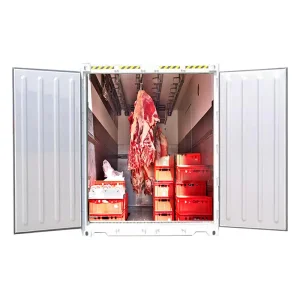
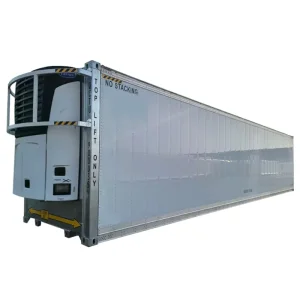
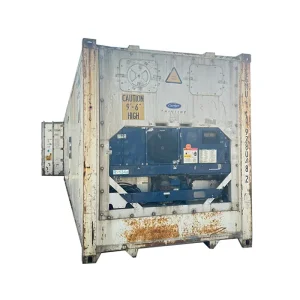
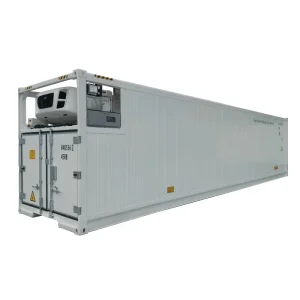
| 40ft High-Cube Reefer Unit | 12,192 × 2,438 × 2,896 mm | 4,600 kg | 29,400 kg | Perishable meat, pharmaceuticals, temperature-critical flora | $12,500 - $17,800 |
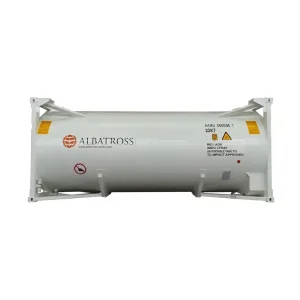
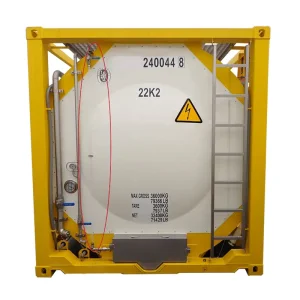
| 20ft ISO Intermodal Gas Tank (T50) | 6,058 × 2,438 × 2,591 mm | 5,100 kg | 30,900 kg | Pressurized LPG, ammonia, high-grade hazardous chemical agents | $19,500 - $26,000 |
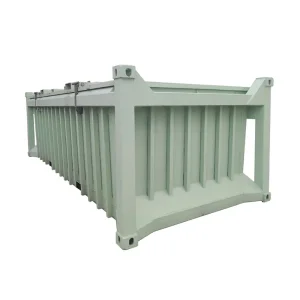
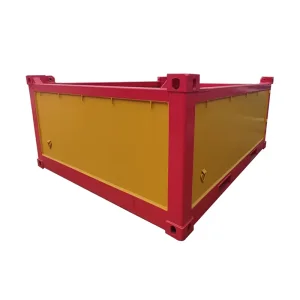
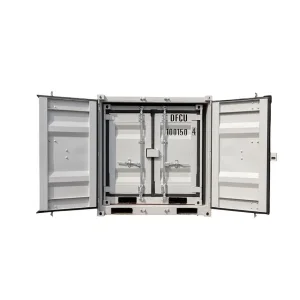
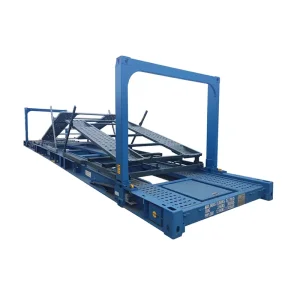
| DNV 2.7-1 Half-Height Offshore Basket | 6,058 × 2,438 × 1,280 mm | 2,800 kg | 15,000 kg | Offshore platform supply, subsea drill pipes, dense tools | $4,200 - $6,500 |
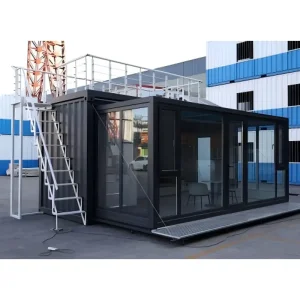
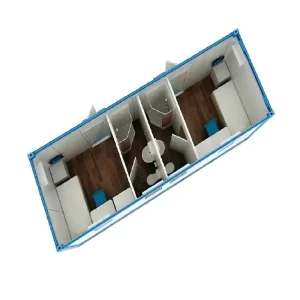
| 20ft Modular Expandable Housing Unit | 5,900 × 6,300 × 2,480 mm (Open) | 3,200 kg | N/A (Modular) | Remote mining camp offices, rapid disaster relief stations | $5,500 - $8,200 |
Tailored Engineering for Diverse Regional Operating Environments
Container configurations are tailored to withstand diverse operating demands, from sub-zero Arctic corridors to humid offshore platforms.
Deep Offshore Marine Logistics
Units designed to meet DNV-GL ST-E271 and EN 12079 certification. Fitted with certified 4-leg wire rope lifting slings, tested under dynamic conditions at -20°C for North Sea and Gulf operations.
- Pad-eye structural reinforcements tested to 2.5x gross weight
- Heavy-duty drainage grating preventing deck wash accumulation
- Resistant to prolonged salt-spray exposure (ISO 12944 C5-M)
Active Cold-Chain Distribution
High-density vacuum-injected polyurethane insulation paired with modern Carrier or Thermo King refrigeration machinery ensures temperature control within ±0.25°C across transcontinental shipping corridors.
- T-bar flooring engineered for uniform air circulation
- Integrated meat-hanging track systems with anti-drop lock pins
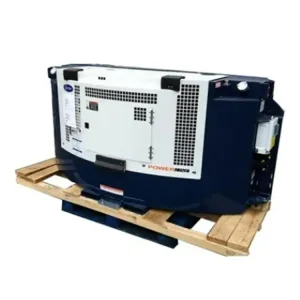
- Backup dual-generator power systems for cross-desert routes
Prefabricated Architectural Housing
High-cube container envelopes modified into expandable residential modules, work camps, and medical stations. Structural reinforcements are pre-engineered to preserve vertical stacking strength.
- Integrated rockwool sandwich insulation panels for Class-A fire ratings
- Pre-fitted plumbing and electrical conduits adhering to CE standards
- Structural window and door frame modifications verified by FEA analysis
Expanded Container Fleet & Factory Stock
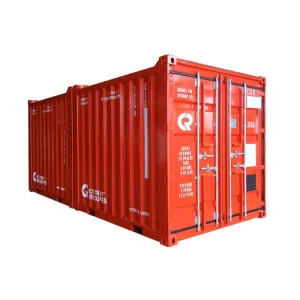
Direct availability on reefer equipment, railway units, high-grade tank containers, and used ISO inventory stored across major coastal ports.
Strategic Factory Audit Checklist for Enterprise Buyers
Key inspection criteria used by procurement professionals to verify structural integrity and compliance before sign-off.
CSC Plate Compliance
Verify International Convention for Safe Containers certification, design approval codes, timber treatment certificates, and maximum gross weight capacities stamped into the data plate.
Weld Joint Integrity
Ultrasonic non-destructive testing on critical corner casting connections, ensuring clean continuous welds free of slag inclusions or porosity along key structural joints.
Paint & Coating Dry Film
Magnetic dry-film thickness measurements targeting at least 30 microns of zinc-rich primer, 40 microns of epoxy intermediate, and 40 microns of polyurethane topcoat.
Weather-Tight Door Seals
EPDM double-lip gasket testing under high-pressure water spray (minimum 200 kPa) to confirm zero moisture ingress around perimeter locking hardware.
Frequently Asked Questions (FAQ)
Practical guidance addressing common procurement inquiries regarding container naming standards, pricing dynamics, logistics execution, and custom engineering.
What do the letters and digits in a container name designate?
Per ISO 6346, the first three letters represent the Owner Code (registered with the BIC), the fourth letter identifies the equipment category (U for standard intermodal, J for detachable gear, Z for chassis), followed by a 6-digit serial registration number and a final calculated check digit.
How do raw material costs impact the shipping container pricelist?
Cort-A/SPA-H weathering steel accounts for roughly 55% to 65% of the total base manufacturing cost for standard dry containers. Secondary variables include polyurethane insulation chemistry for reefer boxes, global floorboard timber supply (bamboo/hardwood), and automated paint coating specifications.
What is the typical production lead time for customized fleet builds?
Standard ISO configuration runs are completed within 15 to 25 business days. Custom engineering (side doors, high-density insulation, DNV offshore skids, automated internal venting) generally requires 30 to 45 business days, including third-party class witness testing and prototype FEA stress modeling.
Can you facilitate one-way export shipments to avoid empty repositioning fees?
Yes. We regularly work with international shipping lines and freight forwarders to arrange one-way "cabotage" loads. This allows new container builds to be loaded with commercial cargo from China ports directly to your destination hub, substantially offsetting repositioning costs.
What documentation accompanies an export order for customs compliance?
Each export container delivery includes an individual CSC Plate Certificate, classification societies approval (BV, ABS, CCS, or DNV), a Certificate of Conformity, paint DFT inspection reports, and treated timber phytosanitary certificates matching the importing country's biosecurity standards.