
Inventory & Engineering Matrix
Engineered Marine Freight Solutions (Batch 01)
Review our high-performance sea containers manufactured in compliance with BV, ISO 1496/1, and DNV maritime codes.
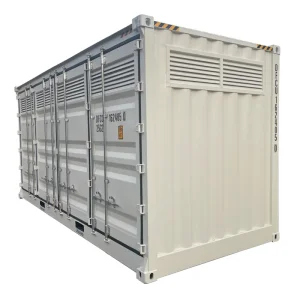
Famous 40ft High-Cube Side Open Door Reefer Container Manufacturer
Explore Specification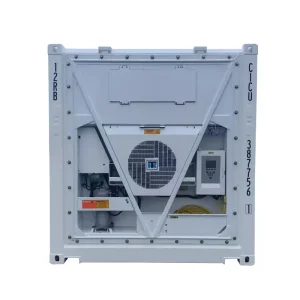
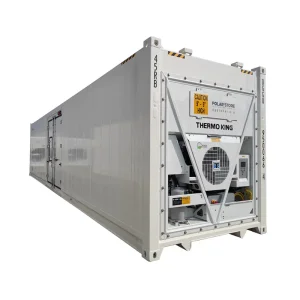
OEM 20ft Offshore Refrigerated Container DNV Certification Engineered Unit
Explore Specification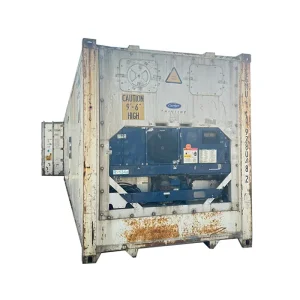
China Used 40ft High-Cube Certified Reefer Container Cargo Repurposed
Explore Specification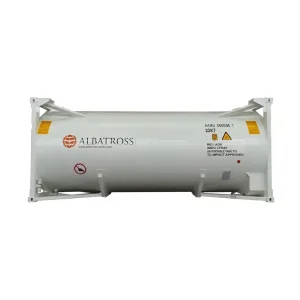
China 25000 Liters ISO 20ft Gas Tank Container for High-Pressure Logistics
Explore Specification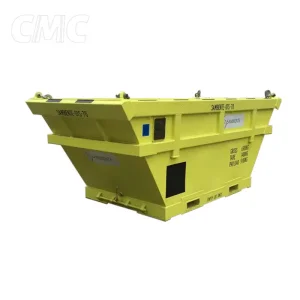
Famous DNV Certification Silt Basket Container for Marine Operations
Explore Specification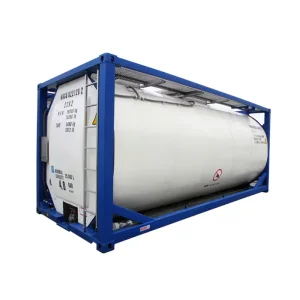
ISO Standard 20ft Versatile Tank Container for Bulk Liquid Chemicals
Explore Specification
High-Quality New 20ft Customized Side Door Dry Cargo Shipping Container
Explore Specification
Industry Economics & Trade Flows
Global Intermodal Status & Marine Logistics Dynamics
Analyzing global maritime structural demand, trade route rebalancing, and the transition toward advanced Original Design Manufacturing (ODM) sea freight hardware.
Fleet Renewal & Decarbonization Pressures
International Maritime Organization (IMO) regulations (such as CII and EEXI) are driving ocean liners to upgrade logistics assets. Transitioning from standard carbon-steel boxes to SPA-H Corten steel with low-VOC waterborne coatings directly curtails deadweight and lifecycle corrosion overhead.
Complex Energy & Chemical Corridors
The proliferation of specialty liquid, gas, and cryogenic chemicals requires standard 20ft and 40ft tank infrastructure (T11 to T50 certifications). Procurement channels demand factory integration of baffle plates, safety relief valves, and telemetry sensors certified under ASME VIII and IMDG Code.
Cold Chain Precision & Active Control
Post-harvest horticulture and biologic shipments necessitate modern high-cube reefer containers capable of holding internal temperatures within ±0.25°C. Deploying tier-one cooling architectures like Carrier, Thermo King, and Daikin ensures minimal shelf-life degradation over 45-day ocean transit cycles.
96%
Global Marine Container Output From China
1983
Founding Year of Manufacturing Lineage
34,000 KG
Maximum Permissible Gross Mass (40HC)
100 KM
Distance from Tianjin Plant to Seaport
Industrial Backbone & Scalability
Chinese Factory Supply Chain Resilience & Process Precision
How concentrated industrial ecosystems in Tianjin and Suzhou deliver rapid ODM development, rigorous quality assurance, and uncompromised cost efficiency.
Corten Steel Integration
Direct partnerships with high-tier domestic mills secure continuous supplies of ASTM A588 atmospheric corrosion-resistant steel. Mill-certified tensile strengths resist dynamic sea wave slap without wall buckling.
Automated Robotized Welding
Robotic submerged arc welding stations achieve deep penetration along longitudinal roof rails and bottom side rails, eliminating porosity, stress cracks, and saline water ingress across 100% of joints.
Sub-100km Port Cluster
Located in the Tianjin FTA Pilot Zone and Suzhou manufacturing corridor, plants reside within 100 km of international quays. This minimizes drayage logistics fees and prevents berth-loading scheduling delays.
Dual BV & ISO Audit Cadence
Continuous Bureau Veritas third-party testing protocols verify structural corner casting load distributions (up to 86,400 kg stack testing) and validate paint dry-film thickness (DFT) beyond 120 microns.
Contextual Deployment
Specialized Regional & Localized Use Scenarios
Container sea systems adapted to harsh, diverse climates—from sub-zero Arctic corridors to humid offshore oil installations and high-density intermodal terminals.
Offshore Platform Supply (North Sea & West Africa)
Conventional shipping containers crack under dynamic sea-lift impacts. CIMIC builds offshore dry freight boxes and silt baskets tested to EN 12079 / DNV 2.7-1, utilizing Charpy V-notch impact-tested steel and certified four-part lifting wire rope slings engineered for -20°C maritime seas.
Decentralized Cold Hubs in Emerging Economies
In regions across Latin America and Africa lacking cold-storage civil infrastructure, our customized three-in-one reefer units and multi-temperature insulated containers act as standalone, portable cold hubs, preserving fresh agricultural and seafood harvests right at portside.
Hazardous Chemical & Lithium Logistics
Standard boxes fail strict local HazMat transit mandates. We build custom dangerous goods containers fitted with non-sparking aluminum diamond plate flooring, side ventilation louvers, explosion-proof light kits, and internal secondary containment sumps to capture hazardous runoff.
Standardization & Engineering Thresholds
Standard Marine Container Dimension & Load Blueprint
Comprehensive baseline structural parameters for intermodal planning. All configurations customizable under OEM/ODM production agreements.
| Model Identifier | External Dimensions (L × W × H) | Internal Dimensions (L × W × H) | Cubic Volume | Max Gross Mass | Typical Payload | Core Structural Application |
|---|---|---|---|---|---|---|
| 20ft Standard Dry (20GP) | 6.058 × 2.438 × 2.591 m | 5.898 × 2.352 × 2.393 m | 33.2 m³ | 30,480 kg | 28,230 kg | High-density industrial dry bulk, minerals, engine blocks |
| 40ft High Cube Dry (40HC) | 12.192 × 2.438 × 2.896 m | 12.032 × 2.352 × 2.698 m | 76.4 m³ | 32,500 kg | 28,600 kg | Volumetric consumer goods, packaged cargo, intermodal rail |
| 20ft High Cube Reefer (20RH) | 6.058 × 2.438 × 2.896 m | 5.444 × 2.290 × 2.550 m | 31.7 m³ | 30,480 kg | 27,100 kg | Pharmaceutical consignments, fresh specialty produce |
| 40ft High Cube Reefer (40RH) | 12.192 × 2.438 × 2.896 m | 11.583 × 2.290 × 2.550 m | 67.6 m³ | 34,000 kg | 29,400 kg | Deep-frozen fish, poultry, seasonal trans-oceanic fruits |
| 20ft ISO Chemical Tank (T11) | 6.058 × 2.438 × 2.591 m | Cylindrical Shell (316L SS) | 25,000 Liters | 36,000 kg | 32,300 kg | Hazardous liquids, petrochemical solvents, food-grade oils |
| 10ft DNV Offshore Container | 2.991 × 2.438 × 2.591 m | 2.831 × 2.278 × 2.260 m | 14.5 m³ | 10,000 kg | 7,850 kg | Drilling rig tools, subsea exploration machinery |
Innovation Trajectory
Technology Roadmap: Next-Gen Container Systems
How CIMIC advances marine cargo design over the next five years through telematics, zero-emission thermal units, and advanced structural alloys.
Phase 1: Present
Satellite IoT Integration
Equipping reefer and tank inventories with real-time telematics. Monitoring GPS coordinates, door-open alerts, shock events, ambient humidity, and interior thermal stability via hybrid 5G/satellite transceivers.
Phase 2: 2026-2027
Phase-Change Insulation
Integrating vacuum insulation panels (VIP) and proprietary phase-change materials (PCM) into container walls to deliver 40% higher insulation efficiency, cutting compressor run-time and carbon emissions.
Phase 3: 2027-2028
Ultra-High Strength Lightweighting
Adopting advanced micro-alloyed weathering steels and carbon-composite floor matrices to lower tare weight by 15%, increasing cargo carrying capacity without sacrificing structural stack integrity.
Phase 4: 2029+
Autonomous Closed-Loop Reefers
Deploying AI-driven predictive cooling routines that calculate sea voyage weather forecasts, dynamically modulating compressor speeds to eliminate food spoilage risks while running on integrated rooftop solar arrays.
Customs, Safety & Legal Framework
Regulatory Compliance & Local Port Support
Navigating cross-border maritime regulations with third-party verified documentation, safety certifications, and localized spare parts ecosystems.
CSC Safety Approval Plates
Every single ocean container carries a high-grade stainless steel CSC plate (International Convention for Safe Containers) detailing stack capacity, maximum gross weight, and Bureau Veritas certification stamp for seamless global port customs clearance.
TIR & UIC Intermodal Harmonization
Manufactured under customs seals for international road and rail freight transit (TIR Convention). Units adhere to UIC 592 specifications for Euro-Asian rail corridors, preventing delay penalties during bogie switches and border gauge transfers.
Worldwide Cold Machinery Warranties
By partnering with global refrigeration manufacturers (Carrier Transicold, Thermo King, Daikin), CIMIC reefer containers carry direct international manufacturer warranties supported by over 1,000 certified marine repair depots worldwide.
Extended Catalog Matrix
Specialty Modular, Offshore & Repurposed Sea Freight Hardware (Batch 02)
Explore our specialized flat racks, side-access modules, soft open-tops, and secondary certified units engineered to exact operational drawings.
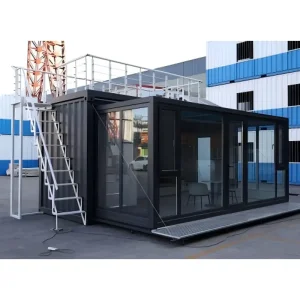
Famous 20ft Foldable Prefab Modular Mobile Expandable Container Unit
Explore Specification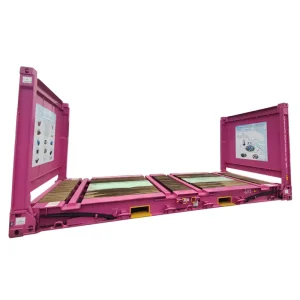
ODM New 20ft Platform Frame Heavy Machinery Cargo Container
Explore Specification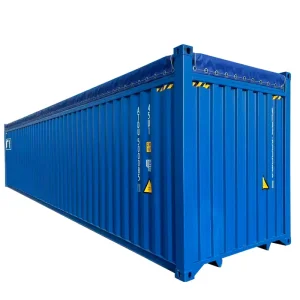
Buy 40ft High-Cube New Soft Open Top Container with Tarpaulin Cover
Explore Specification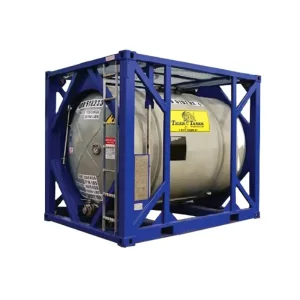
Buy New DNV Certification 10ft Offshore Tank Container for Hazardous Logistics
Explore Specification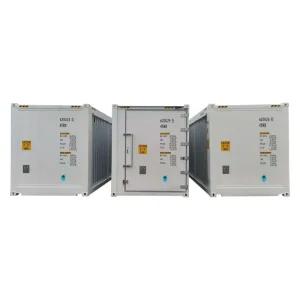
China OEM 40ft High-Cube Three-in-One Combination Reefer Storage Unit
Explore Specification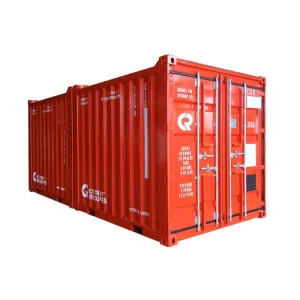
New DNV Certification Offshore Dry Cargo Container Built for Sea Lifting
Explore Specification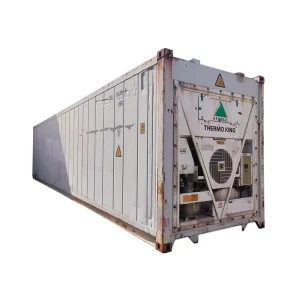
ODM New 40ft Refrigerated Freezer Container for Deep-Freeze Distribution
Explore Specification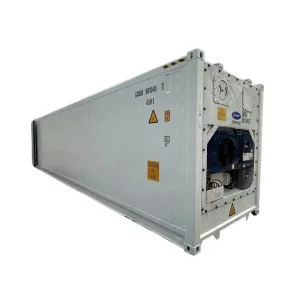
Ninety Percent New Used 40ft HC Carrier Unit Refrigerated Container
Explore Specification
Technical Clarifications
Frequently Asked Technical & Sourcing Inquiries
Direct answers to the critical engineering, shipping, and production questions corporate procurement officers ask when commissioning container fleets.
What is the distinction between OEM and ODM container manufacturing at CIMIC?
OEM (Original Equipment Manufacturing) involves fabricating standard container structures using buyer-provided CAD specifications, logos, and external fittings. ODM (Original Design Manufacturing) means CIMIC’s marine architects engineer the container from scratch based on functional requirements—such as custom ventilation systems for hazardous cargo, modified structural cutouts, specialized insulation cores, or customized heavy-duty flat racks—producing certified drawings, FEA stress simulations, and class society verification before production.
How does CIMIC guarantee quality and corrosion resistance for long ocean voyages?
We exclusively utilize SPA-H Corten steel known for atmospheric corrosion resistance. Surface preparation involves SA 2.5 standard automatic shot blasting to remove mill scale, followed immediately by an advanced zinc-rich epoxy primer, intermediate epoxy barrier, and durable polyurethane exterior finish coat (DFT ≥ 120 microns). Every batch undergoes rigorous water tightness spray testing at 2 bar pressure, weld non-destructive testing (NDT), and structural load audits under Bureau Veritas supervision.
Can your reefer containers operate seamlessly across varied global grid voltages?
Yes. Our reefer units, powered by Daikin, Carrier, or Thermo King, are configured to operate on standard 380V/460V 3-phase power at 50/60 Hz. For intermodal transport involving road chassis without electrical connection, we can integrate dual-voltage transformers and clip-on diesel generator sets (gensets) with integrated 200-liter fuel tanks to ensure unbroken cold chain integrity for over 120 continuous transit hours.
What documentation is supplied with offshore containers to confirm DNV compliance?
Each offshore container built to DNV 2.7-1 / EN 12079 standards is accompanied by a comprehensive Class Society Dossier. This includes the BV/DNV design appraisal certificate, raw material mill test reports (MTRs) with Charpy impact test values at -20°C, welding procedure specifications (WPS) and welder performance qualification records (WPQR), NDT ultrasonic/magnetic particle reports, and load test certificates for both 2.5x gross mass dynamic lifting and tilt tests.
What are the lead times and minimum order quantities (MOQ) for custom ODM builds?
Standard ISO container dimensions (dry boxes) generally require an MOQ of 10–25 TEU depending on tooling adjustments, with standard lead times between 20 to 35 calendar days. Complex ODM designs—such as specialized hazardous chemical modules, expandable houses, or side-opening refrigerated units—can be prototyped in single-unit quantities for initial class inspection and dynamic testing prior to mass production runs.
Where are second-hand and certified refurbished containers sourced from?
Our certified used shipping containers and repurposed reefers are maintained at major Chinese intermodal hub depots, including Tianjin, Qingdao, and Shanghai. Prior to sale, each container passes a rigorous seaworthiness survey (IICL-5 standard), guaranteeing zero light infiltration, watertight door gaskets, structurally sound floorboards, and verified refrigeration circuitry. Pre-shipment photographic surveys and CSC re-inspection certificates are provided to buyers prior to release.