
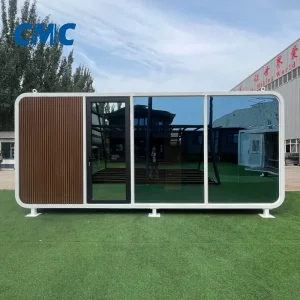
Priority Fleet Deployments
Engineered Containment Products (Batch Alpha)
Direct factory configurations featuring modular architectures, cryogenic thermal control, and hazardous cargo integrity verified for heavy industrial operations.
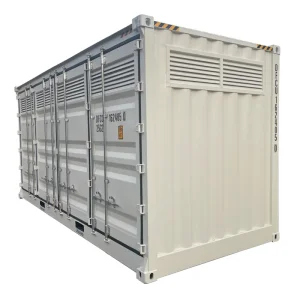
Famous 20FT High-cube Dangerous Goods Container Side Open Door with Ventilation Opening Manufacturer, Exporter
View Technical Specs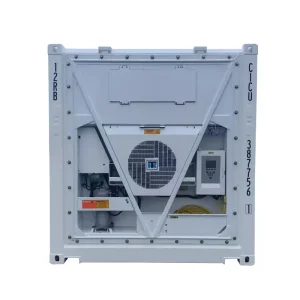
OEM 20ft Offshore Refrigerated Container DNV Certification Is More Durable Exporter, Exporters
View Technical Specs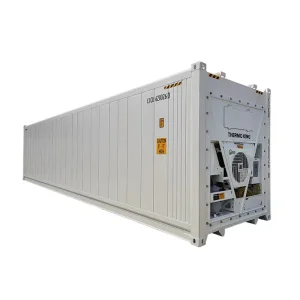
OEM New 40ft High-Cube Certified Reefer Shipping Cargo Container Pricelist, Product
View Technical Specs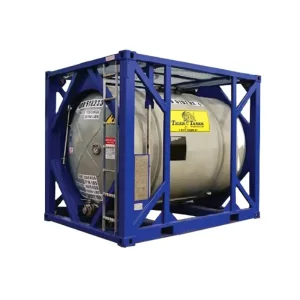
Buy New DNV Certification 10ft Offshore Tank Container Factory, Products
View Technical Specs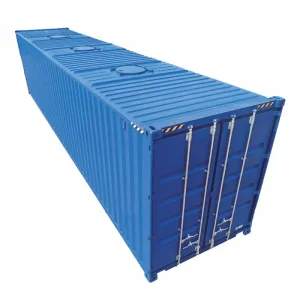
Buy 20 Feet Shipping Bulk Container Manufacturer, Exporters
View Technical Specs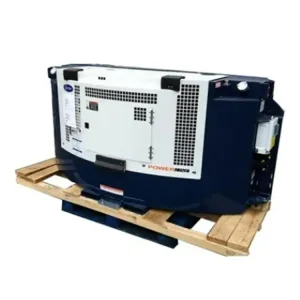
China Refrigerated container diesel generator Exporter, Quotes
View Technical Specs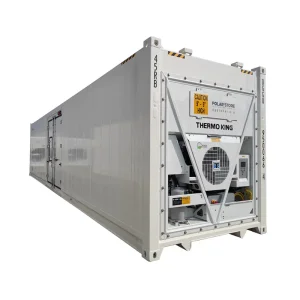
Famous 40ft High-Cube Side Open Door Reefer Container Manufacturer, Factories
View Technical Specs
Global Macro Perspective
Macro-Industry Solutions & Commercial Landscape
How intermodal freight dynamics, structural steel metallurgy, and maritime environmental mandates are reshaping containerized engineering across global trade lanes.
Corten-A (SPA-H) Structural Metallurgy
Standard dry freight and heavy-duty offshore containers utilize high-grade atmospheric corrosion-resistant SPA-H Corten steel. This metallurgical formulation forms a passivating oxide patina when exposed to maritime salt fog, drastically reducing structural degradation and extending continuous marine service life beyond 20 years under aggressive C5-M marine exposure conditions.
IMO 2030 Decarbonization Mandates
Maritime transport faces stringent regulatory frameworks under the International Maritime Organization (IMO) GHG reduction strategy. Modern ODM maritime containers address energy efficiency through optimized payload-to-tare ratios, aerodynamic corner beveling, and eco-formulated polyolefin/waterborne zero-VOC anti-corrosion barrier coatings that curb cross-ocean environmental toxicity.
Supply Chain Imbalance & Specialized Logistics
Global container imbalances require fleet adaptability. Rather than generic boxes, logistics conglomerates demand specialized ODM platforms—such as open-top ore haulers, dangerous goods side-access containers, and containerized battery energy storage systems (BESS)—capable of transitioning seamlessly between deep-sea vessels, class-1 rail corridors, and remote industrial hubs.
Naval Architecture & Engineering
Engineering Structural Matrix & ISO Compliance
Comparative dimensional tolerances, structural deflection ceilings, and thermodynamic parameters calibrated for international cross-border operations.
| Classification Code | Structural Substrate | Internal Dimensions (L×W×H) | Max Gross Mass (RTM) | Floor System Rating | Thermal / K-Value | Certification Authority |
|---|---|---|---|---|---|---|
| 20FT Standard Dry (20GP) | SPA-H Corten Steel (1.6-2.0mm) | 5,898 × 2,352 × 2,393 mm | 30,480 kg (67,200 lbs) | 28mm Hardwood / Bamboo (7,260kg axle) | Ambient / Non-Insulated | BV / ABS / CCS (ISO 1496-1) |
| 40FT High-Cube Reefer (40RH) | SUS304 Stainless / MGX-Alloy | 11,583 × 2,290 × 2,557 mm | 34,000 kg (74,950 lbs) | Heavy-Duty T-Bar Aluminum Ducting | 0.33 W/(m²·K) High-Density PU | BV / DNV / TIR / ATP Certified |
| 20FT Offshore Reefer (DNV) | Impact Structural Steel (CHARPY @ -20°C) | 5,720 × 2,240 × 2,310 mm | 15,000 - 20,000 kg | Anti-Skid Chequered Stainless Plate | Cyclopentane Eco-Foam Core | DNV 2.7-1 / EN 12079 / IMO 860 |
| T11 / T50 ISO Tank Container | 316L Stainless / Titanium Clad | 6,058 × 2,438 × 2,591 mm (Frame) | 36,000 kg | Full Walkway & Spill Box Assembly | Rockwool / Aerogel Insulation | ASME 'U' Stamp / IMDG / RID / ADR |
| 20FT Dangerous Goods (Side-Open) | Reinforced Corten Framing + Bund Wall | 5,898 × 2,280 × 2,500 mm | 24,000 kg | Integral Secondary Retention Sump | Flame-Retardant Mineral Core | IMDG Class 1-9 / BV Safe Containers |
Deployment Scenarios
Localized Application Scenarios & Custom Integration
Real-world operational engineering designed to withstand dynamic high-seas kinetic stress, deep arctic mining, and hazardous petrochemical corridors.
North Sea & Gulf Offshore Extraction
Offshore logistics demands units certified under DNV 2.7-1/EN 12079. Unlike standard ISO boxes, offshore baskets and reefers feature four-point lifting pad eyes angled for dynamic crane transfers during rough open ocean swells (Sea State 6), backed by Charpy V-Notch impact-tested steel plate down to -20°C to eliminate brittle structural fracture risks.
Perishable Cold Chain & Biopharma
Reefer containers equipped with Daikin, Carrier, or Thermo King machinery maintain precise interior envelopes from -35°C to +30°C. For specialized vaccine or high-value seafood transport, deep-freeze cascade cooling preserves ultra-low settings (-60°C) with continuous datalogging, micro-air duct distribution, and automated atmospheric modified control (CA).
Chemical Bulk Logistics & Cryogenics
ISO tank containers (IMO 1, IMO 2, T11 through T75) engineered with 316L stainless steel vessels inside insulated steel cage architectures guarantee absolute seal integrity for hazardous solvents, liquified industrial gases, and potable foodstuffs under IMDG, RID, and ADR overland and deep-sea transit protocols.
Civil Defense & Modular Outposts
Factory-built modular expandable and flat-pack container pods deliver rapid infrastructure deployments for remote engineering hubs, arctic field offices, and emergency field hospitals. Featuring fire-rated rockwool partitions, double-glazed low-E fenestrations, and pre-integrated electrical circuits meeting localized CE/UL building standards.
Dense Mineral & Bulk Commodity Rail
Half-height open-top containers and reinforced bulkers feature bottom-discharge gates and high-yield side corrugations built to withstand extreme dynamic kinetic shifts during high-speed heavy-haul intermodal railway transfers across Central Eurasian and Trans-African freight transit belts.
Utility-Scale Containerized BESS Shelters
Modern renewable energy deployments utilize customized ODM maritime enclosures configured specifically for Lithium Iron Phosphate (LiFePO4) Battery Energy Storage Systems. Engineered with specialized floor structural load-bearing paths exceeding 15 metric tons, automated Novec 1230 fire-suppression manifolds, and IP55 environmental venting baffles.
Regulatory Authority & Quality
Localized Support & Global Compliance Assurance
International maritime logistics allows no margin for structural failure. Every ODM build is certified by world-leading classification societies.
Multi-Tier Classification Audits
All production facilities maintain direct third-party survey oversight from Bureau Veritas (BV), Det Norske Veritas (DNV), Lloyd’s Register (LR), and China Classification Society (CCS). Every single unit is affixed with a valid International Convention for Safe Containers (CSC) Safety Approval Plate certifying transverse racking tests up to 150 kN, longitudinal restraint up to 2g, and end-wall deflection boundaries under ISO 1496-1.
- CSC Data Plate with maximal gross weight, stacking weight (typically 192,000 kg), and racking test values.
- Customs Convention on Containers (TIR) compliance with tamper-evident seal brackets and concealed rivet layouts.
- UIC 592 Intermodal Rail coding verification for European and transcontinental railway network clearance.
Port-Proximate Engineering Hubs
Our primary manufacturing plants are strategically situated in Tianjin and Suzhou, located less than 100 kilometers from China’s largest deep-water international shipping terminals. This proximity provides acute logistical advantages for overseas purchasers: minimized inland positioning costs, immediate quayside loading onto first-available container vessels, and rapid customs clearance through pilot FTA integration.
- Direct container gate-in at Port of Tianjin & Port of Shanghai/Taicang for expedited booking turns.
- On-site dry and reefer storage depots allowing comprehensive pre-shipment inspections (PSI).
- OEM/ODM prototype verification with Full Finite Element Analysis (FEA) completed before physical tooling.
1983
Manufacturing Heritage
40+
Years Fabrication Experience
<100 KM
Distance to Seaport Terminals
100%
BV & DNV Verified Testing
Future-Ready Engineering
Technology Roadmap & Next-Gen Smart Intermodalism
Integration of satellite IoT telemetry, low-carbon circular composites, and hydrogen fuel containment modules transforming maritime freight equipment.
Phase 01 · Present
IoT Satellite Telemetry
Embedded low-power BLE mesh and 5G-NB/satellite uplinks in reefer machinery. Delivers real-time core pulp temperature, supply/return air delta, humidity, and door-tamper geofencing data to centralized freight ERP systems.
Phase 02 · 2025-2026
Circular Eco-Composites
Replacing virgin wood floors with recycled PET thermoplastic composite planks and bio-based resin wall cores, boosting shear strength by 24% while eliminating quarantine methyl bromide fumigation treatments.
Phase 03 · 2026-2027
Zero-Carbon Steel Forging
Transitioning primary structural corner posts, top rails, and crossmembers to electric arc furnace (EAF) green steel forged with hydrogen reduction, lowering the embodied carbon footprint per TEU by over 55%.
Phase 04 · 2028+
Modular Energy Swapping
Developing intermodal standard-footprint hydrogen and liquid ammonia bunkering modules equipped with high-pressure type-IV carbon-fiber tanks, empowering next-generation zero-emission marine freight carriers.
Technical Clarifications
Frequently Asked Technical & Sourcing Questions
Direct engineering clarity addressing payload calculations, structural approvals, custom door modifications, and delivery protocols.
What is the structural difference between ISO standard maritime containers and DNV 2.7-1 offshore containers?
While standard ISO shipping containers (governed by ISO 1496/668) are engineered primarily for stackability on cellular container ships and handling via dedicated corner-casting spreaders, DNV 2.7-1 / EN 12079 offshore containers are constructed for hazardous open-ocean dynamic transfers via multi-leg slings and marine cranes. DNV containers feature Charpy V-notch impact-tested structural steel to avoid brittle catastrophic failure at -20°C, permanently integrated certified pad eyes, no corner-casting reliance during primary offshore lifts, and significantly higher safety factors against dynamic wave shock loading (Sea State 6).
How does full side-door access impact the racking resistance and structural payload capacity of high-cube containers?
Removing standard corrugated side walls removes longitudinal and shear rigidity. Our ODM side-opening containers compensate for this through heavily reinforced box-section bottom side sills, fabricated tubular top header rails, and multi-point heavy-cam locking bars on every hinge point. This proprietary framework prevents diagonal racking during transit and ensures the full 30,480 kg gross rating is preserved without permanent structural frame deflection under severe marine pitching and rolling motions.
Which refrigeration machinery is recommended for high-ambient tropical transits versus ultra-low deep-freeze storage?
For standard chilled and frozen food cold chains operating in high-ambient tropical environments (up to +50°C), Carrier Transicold PrimeLINE or Daikin LXE series deliver exceptional energy efficiency and precise temperature holding (+/- 0.25°C). For biopharmaceutical storage or ultra-low cold applications requiring temperatures down to -60°C or -70°C, we specify Thermo King SuperFreezer cascade refrigeration units built with high-density polyurethane vacuum insulated paneling (VIP).
What documentation and test certificates accompany custom ODM hazardous goods containment units?
Every dangerous goods container leaves our factory with a Bureau Veritas (BV) or CCS inspection release, full Non-Destructive Testing (NDT) weld reports (Ultrasonic/Magnetic Particle testing), CSC Safety Approval Plate, IMDG Code compliance certification, and Mill Test Certificates (MTC) for all Corten-A steel plates and cast corner fittings. Units equipped with secondary containment sumps are certified for liquid tightness under hydrostatic testing benchmarks.
Can modular container housings and Apple cabins be shipped inside standard container ship slots?
Yes. Our prefabricated Apple cabins and flat-pack modular offices are engineered within strict ISO envelope tolerances and feature standardized ISO 1161 cast corner corners. This allows them to be declared as standard intermodal shipping cargo, lifted using generic port spreader equipment, and stacked safely on container vessels, substantially reducing project logistics costs compared to breakbulk maritime transport.
Specialized Heavy-Duty Assets
Engineered Containment Products (Batch Beta)
Specialized open-rack platforms, cryogenic pressure vessels, and high-capacity roll-up access units engineered to exact overseas client specifications.
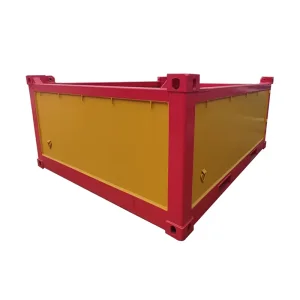
High-Quality New Offshore Basket Container for Offshore Operations Exporter, Exporters
View Technical Specs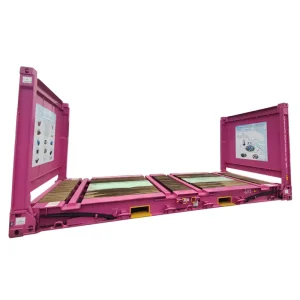
ODM New 20ft Platform Frame Container Pricelist, Exporters
View Technical Specs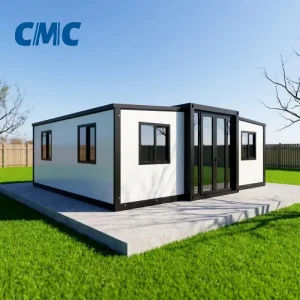
OEM 20ft Modular Container Houses Expandable Steel Container House Excellent Thermal Insulation and Sealing Performance Manufacturer, Manufacturers
View Technical Specs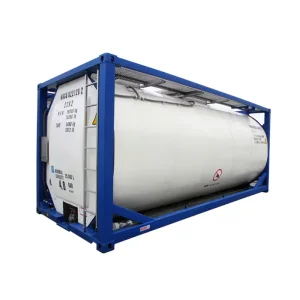
Buy ISO Standard 20ft Versatile Tank Container for Transport Chemicals Exporter, Product
View Technical Specs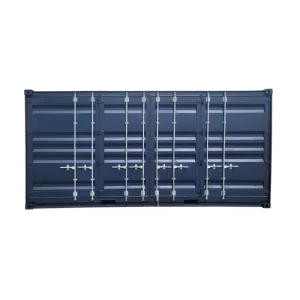
High-Quality New 20ft Customized Side Door Dry Cargo Shipping Container Factory, Product
View Technical Specs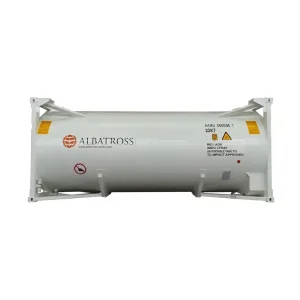
China 25000 Liters ISO 20ft Gas Tank Container for Sale Product, Factories
View Technical Specs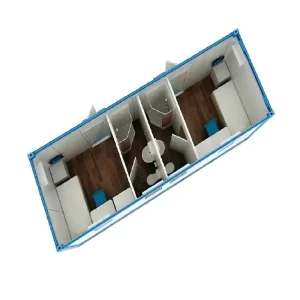
Famous 20ft 40ft Standard Size Accommodation Modular House Container Exporter, Products
View Technical Specs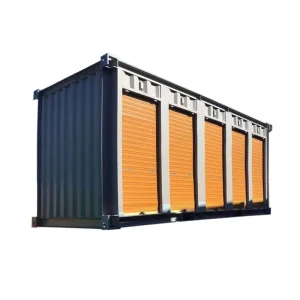
OEM New 20ft Storage Roll-Up Door Dry Cargo Container Pricelist, Product
View Technical Specs
Direct Mill Engineering Engagement
Commission Your Custom Maritime Containment Fleet
Engage directly with our naval architects and structural welding specialists. From custom dimensional envelopes and dangerous goods ventilation to complete ISO tank manifold design, our engineering team delivers CAD/FEA drawings within 48 hours for classification approval.