Primary Catalog
Standard & Heavy-Duty Structural Equipment
Explore precision-fabricated ISO platforms, dry cargo units, and specialty liquid transports engineered for extreme maritime and intermodal environments.
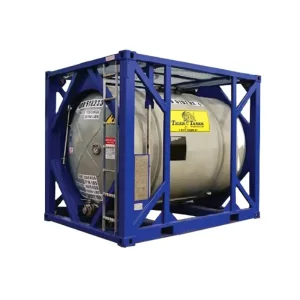
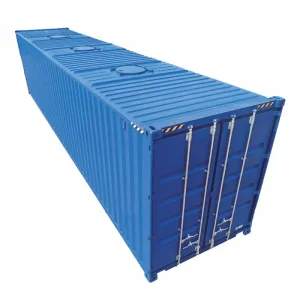
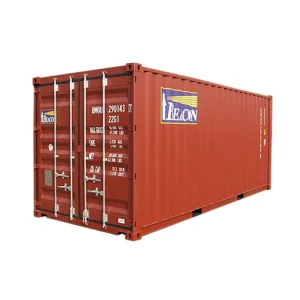
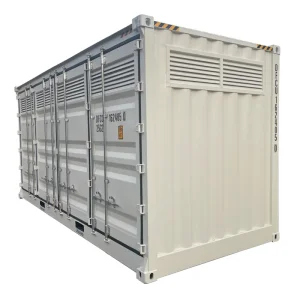
Supply Chain Excellence
The Chinese Factory Ecosystem: High-Precision OEM Scalability
Strategic aggregation of metallurgic manufacturing, robotic line automation, and coastal logistics gives Chinese OEM producers unparalleled velocity and economic yield.
Corten-A Steel Supply Dominance
Direct integration with domestic steel mills ensures instantaneous access to high-grade SPA-H atmospheric corrosion-resistant steel. This metallurgic resilience forms the core foundation for structural containers capable of withstanding heavy sea spray, extreme weather, and mechanical stress across multi-decade service lifecycles.
SPA-H Weathering Steel
Tensile Yield ≥345 MPa
Automated Precision Fabrication
By leveraging CNC laser profiling, robotic seam-welding arrays, and continuous automated shot-blasting, factory lines achieve micron-level joint accuracy. This rigid tolerance control minimizes thermal bridging, ensures air-tight assembly for modular housing integration, and guarantees strict compliance with CSC dimensional tolerances.
Robotic MAG Welding
SA 2.5 Shot Blasting
Port-Proximity Lead Time Compression
Manufacturing clusters strategically situated within a 100 km radius of primary coastal maritime terminals (Tianjin, Qingdao, Shanghai) bypass congested overland transit routes. This spatial integration allows expedited vessel loading, lower drayage costs, and direct-to-berth export workflows for intermodal and offshore clients.
Direct Berth Dispatch
Low-Carbon Drayage
Regulatory Engineering
Localized Support & Worldwide Compliance Guarantees
Navigating global building codes and international shipping mandates demands strict adherence to engineering standards across different operational territories.
North American Compliance (IBC & Title 24)
Engineered to align directly with the International Building Code (IBC) and California Title 24 energy mandates. Structural calculations accommodate localized seismic drift factors (Seismic Zone 4) and snow loading limits up to 50 PSF through reinforced corner castings, composite SIP interior thermal breaks, and UL-certified electrical conduits.
IBC 2021 Approved
UL-Listed Electrical
European Union Directives & CE Marking
Units destined for European territories fulfill the Construction Products Regulation (CPR 305/2011/EU) and EN 1090-1 execution standards for steel structures. Insulation configurations utilize non-combustible Class A1 rock mineral wool and low-GWP closed-cell PUR matrices to meet Eurocode 3 fire safety and acoustic attenuation thresholds.
EN 1090 Execution Class 2
Eurocode 3 & CE Verified
Australasia Standards (NCC & AS/NZS)
Fabricated in conformance with the National Construction Code (NCC) and AS/NZS 1170 wind-action categories (Regions C & D for cyclonic resilience). Sub-floor steel frames receive hot-dip zinc galvanization exceeding 85 microns to guarantee corrosion protection in high-salinity Australian and Pacific coastal territories.
AS/NZS 1170.2 Cyclonic
HDG Zinc >85μm
Procurement Reference
Engineering Specifications & Structural Class Matrix
A rigorous comparative breakdown of primary containerized envelopes, load capacities, thermal resistance capabilities, and primary multi-industry applications.
| Container Classification | Structural Metallurgy | Thermal Envelope (U-Value) | Payload / Max Gross (kg) | Target Operational Deployment |
|---|---|---|---|---|
| 20FT High-Cube Modular Unit | Corten SPA-H Corrugated Steel | 0.22 W/m²·K (PIR / Aerogel) | Payload: 28,200 / Max: 30,480 | Workforce Camps, Emergency Shelters, Urban Micro-apartments |
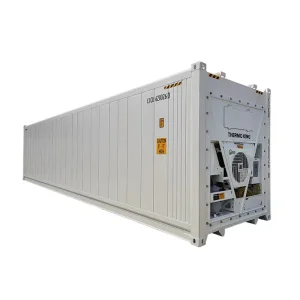
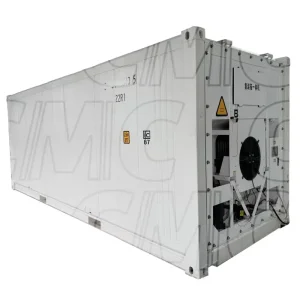
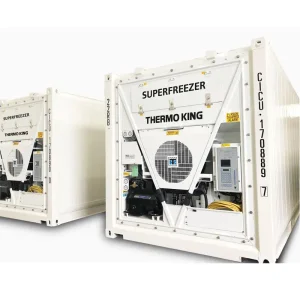
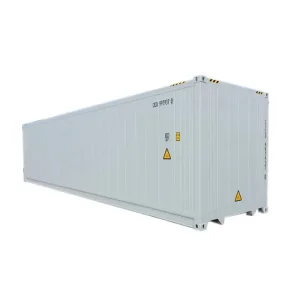
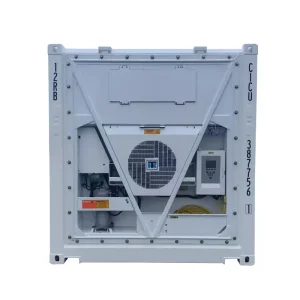
| 40FT HC Cold Storage / Reefer | Stainless Outer / Food-grade Lining | 0.18 W/m²·K (PU Vacuum Matrix) | Payload: 29,400 / Max: 34,000 | Pharma Logistics, Deep Freeze, Static Perishable Cold Rooms |
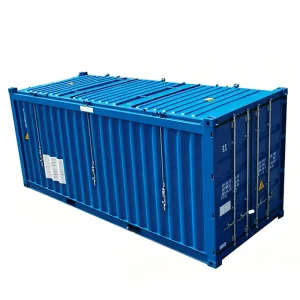
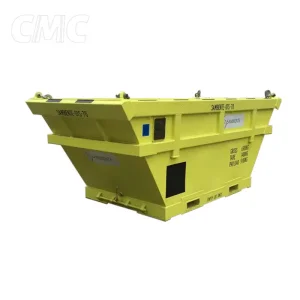
| DNV 2.7-1 Offshore Unit | Fine Grain Structural Steel (Q345E) | Optional Modular Liner | Payload: 10,000 / Max: 15,000 | Subsea Operations, Rig Utility Cabins, High-dynamic Cargo Lift |
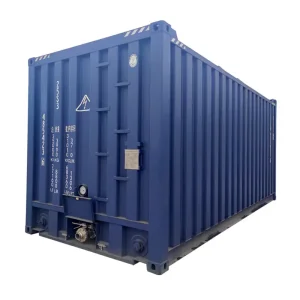
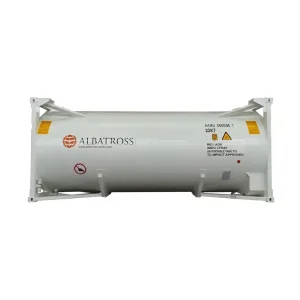
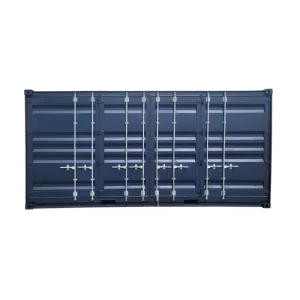
| Dangerous Goods ISO Container | Double-welded Bunded Floor Basin | Class A Fire Resistance (Rockwool) | Payload: 26,000 / Max: 30,480 | Chemical Storage, BESS Battery Energy Parks, Hazardous Transit |
Future Vectors
Emerging Trends Reshaping the Container House Industry
Advanced engineering transforms traditional freight modules into ultra-resilient architectural systems, distributed data nodes, and green-energy storage hubs.
Net-Zero Microgrid Integration
Modern OEM container homes combine integrated rooftop photovoltaic films, DC-inverter thermal control units, and small-footprint LFP energy storage systems. These self-sustaining pods operate completely off-grid in remote infrastructure developments or mining concessions.
Integrated Solar Film
LFP Energy Density
Smart IoT Telemetry & Building Automation
Factory-integrated IoT sensor arrays actively monitor ambient humidity, atmospheric boundary shifts, structural stress, and HVAC energy utilization. Clients manage modular fleet deployments via centralized AI telemetry dashboards for predictive lifecycle maintenance.
Real-Time Sensor Bus
Predictive Diagnostics
Hybrid Volumetric Prefabrication
The convergence of standardized ISO corner castings with modular flat-pack internal framing cuts overseas ocean freight expenses by 75%. On-site assembly crews erect, insulate, and commission a multi-level workforce facility in a fraction of traditional construction timelines.
75% Drayage Savings
Intermodal Lock System
Deployment Scenarios
Mission-Critical Use Cases for Global Enterprises
From remote resource extraction camps to rapid disaster recovery commands, containerized structures deliver immediate, robust spatial capability.
Resource Concessions & Mining Camps
Turnkey, stackable dormitory containers, industrial kitchens, and field hospital modules capable of resisting sub-zero Arctic freeze or extreme desert conditions. Heavy structural payload capacities support repeated redeployments across successive mining claim locations.
Battery Energy Storage Enclosures (BESS)
Custom-engineered containers integrated with internal liquid-cooling loops, gas suppression piping, explosion relief panels, and thermal barriers designed explicitly for grid-scale lithium iron phosphate storage projects worldwide.
Rapid Humanitarian Relief & Tactical Command
Intermodal air-droppable and chassis-transportable medical quarantine units, water desalination shelters, and modular communications command pods pre-wired for plug-and-play field operation within hours of site delivery.
Procurement Intelligence
Frequently Asked OEM Sourcing & Engineering Questions
Clear, direct technical answers regarding load tolerances, certifications, structural conversions, and custom factory manufacturing workflows.
How do customized openings affect structural integrity?
Cutting large apertures for side doors, panoramic glass, or HVAC louvers compromises the original corrugated shear wall load paths. Our OEM engineering recalculates bending moments and integrates hot-formed structural hollow sections (HSS) and welded perimeter lintels to preserve CSC stacking safety margins up to 9 high.
What is the standard production timeline for bespoke OEM fleets?
Initial CAD approval and FEA stress modeling require 7–10 days. Once structural drawings are validated, prototype fabrication takes roughly 15 days. Full production runs deliver at an average volume of 50 to 120 container modules every 30 working days directly from our coastal factory lines.
How is interstitial condensation prevented in modular houses?
We deploy closed-cell polyurethane spray foam or vacuum PIR boards applied directly to the sandblasted interior steel skin. By eliminating air cavities between the steel surface and insulation envelope, the internal temperature never crosses the dew point, effectively mitigating rust and hidden mould development.
Which third-party certifications validate your industrial manufacturing?
Our structural production lines are verified by Bureau Veritas (BV), ABS, and DNV GL for maritime and offshore operations. Modular residential products are certified according to ISO 9001 quality management processes, with electrical, fire, and plumbing fittings selected to match target CE, UL, or WaterMark regional directives.
Specialized Platforms
Precision Cold Chain, Transport Racks & Pressure Units
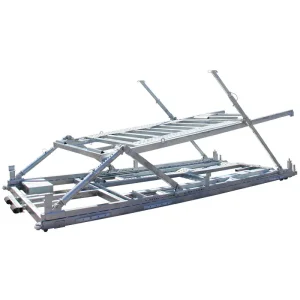
High-efficiency temperature-controlled reefers, automotive transport frameworks, and hazardous liquid container hardware engineered to exact tolerances.