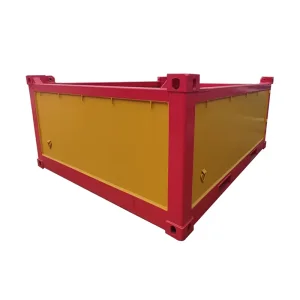
High-Priority Logistics & Specialized Hardware
Pre-engineered structural chassis, cryogenic tanks, and purpose-built intermodal units available for custom OEM production batches and direct seaport release.
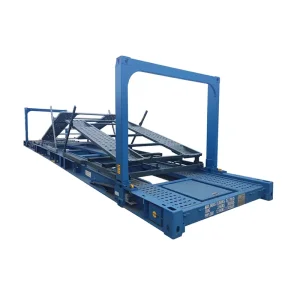
China New 20ft Car Carrier Container Special Container Exporter, Quotes
Configure & Request Quote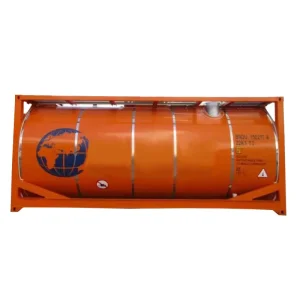
China 20 Foot ISO Liquid Tank Container for Water Manufacturer, Product
Configure & Request Quote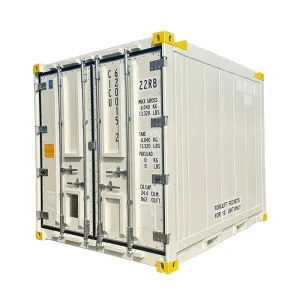
High-Quality New 10ft Certified Thermo King Freezer Container Exporter, Manufacturers
Configure & Request Quote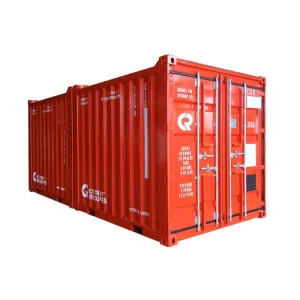
Buy New DNV Certification Offshore Dry Cargo Container Factory, Product
Configure & Request Quote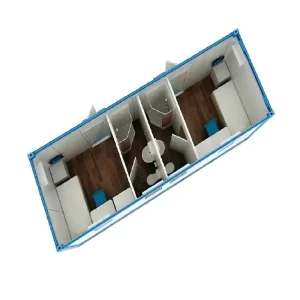
Famous 20ft 40ft Standard Size Accommodation Modular House Container Exporter, Products
Configure & Request Quote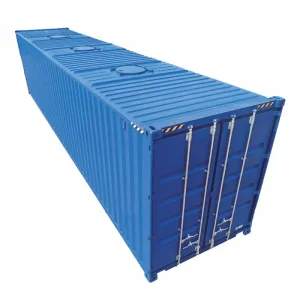
Buy 20 Feet Shipping Bulk Container Manufacturer, Exporters
Configure & Request Quote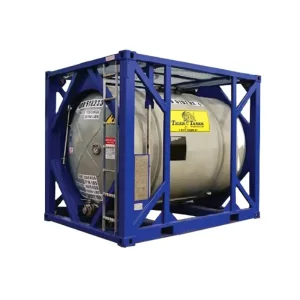
Buy New DNV Certification 10ft Offshore Tank Container Factory, Products
Configure & Request Quote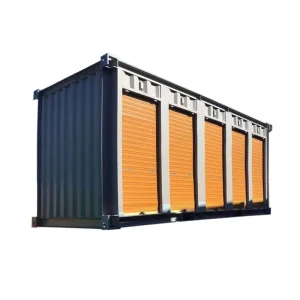
OEM New 20ft Storage Roll-Up Door Dry Cargo Container Pricelist, Product
Configure & Request QuoteMacro Dynamics Driving Modern Shipping Container Sourcing
The transition from standardized dry boxes to highly specialized, sensor-enabled intermodal solutions reflects critical transformations across supply chain safety, sustainability mandates, and trade route resilience.
Cold Chain Integrity & Active Monitoring
Global pharmaceutical validation protocols and perishables transport necessitate reefer enclosures with automated micro-climate modulations. Precision cooling machinery like Carrier, Daikin, and Thermo King ensures zero thermal excursion over multi-week ocean corridors.
Specialized Industrial & DNV Compliance
Offshore exploration and heavy mineral hauling enforce stringent structural thresholds. DNV 2.7-1 / EN 12079 certifications guarantee structural viability under extreme dynamic impact forces, dynamic oceanic rolling, and corrosive marine conditions.
Modular Industrial Decarbonization
Procurement teams are aggressively evaluating life-cycle embodied emissions. High-cube Corten steel shells engineered for structural modular housing, edge data centers, and battery energy storage systems (BESS) represent the fastest growing sub-sectors in intermodal reuse.
China Industry 4.0: Precision Fabrication & Engineering Prowess
Combining heavy metallurgic supply chains with automated robotics to maintain tight dimensional tolerances, automated continuous robotic welds, and Bureau Veritas-certified consistency.
Robotic Seam Welding
Automated multi-axis submerged arc welding eliminates human variance across side-panel corrugations, floor bearer crossmembers, and corner casting joins, preserving high fatigue thresholds.
CORTEN-A Anti-Corrosion
Full-spec weathering SPA-H/Corten steel substrates undergo automated shot blasting to Sa 2.5 profile standards, bonded with zinc-rich epoxy primers designed for C5-M extreme marine life spans.
Tianjin & Suzhou Hub Proximity
Strategically situated within 100 km of deep-water port gates (Tianjin Xingang & Shanghai/Taicang), mitigating overland drayage costs and unlocking swift berthing schedules.
Quality System Auditing
Independent Bureau Veritas (BV), ISO 9001, and DNV witness tests perform hydrostatic containment verification, vertical drop testing, rack-load shearing, and air-leakage validation.
Manufacturing Precision & Operational Scale
Decades of industrial scaling deliver tangible efficiency benchmarks for global supply chains.
Standard ISO & Specialized Equipment Specifications
Comprehensive comparative reference across volumetric boundaries, structural capacity, tare metrics, and design use applications.
| Equipment Category | Dimensions L × W × H (External) | Internal Cube (m³) | Max Gross Mass (kg) | Payload Capacity (kg) | Key Engineering Characteristics |
|---|---|---|---|---|---|
| 20ft Standard Dry (20GP) | 6,058 × 2,438 × 2,591 mm | 33.2 m³ | 30,480 kg | 28,300 kg | High payload density, Corten corrugated paneling, 28mm marine plywood flooring. |
| 40ft High Cube Dry (40HC) | 12,192 × 2,438 × 2,896 mm | 76.3 m³ | 30,480 kg | 26,580 kg | Expanded internal clearance, optimized for high-volume palletized FMCG routes. |
| 20ft ISO Liquid Tank | 6,058 × 2,438 × 2,591 mm | 14,000 – 26,000 L | 36,000 kg | 32,300 kg | 316L stainless steel shell, steam/glycol heating, insulation, IMDG / ADR certified. |
| 40ft HC Reefer Container | 12,192 × 2,438 × 2,896 mm | 67.6 m³ | 34,000 kg | 29,400 kg | Integrated Thermo King / Carrier unit, stainless steel inner lining, T-bar airflow decking. |
| 10ft DNV Offshore Box | 2,991 × 2,438 × 2,591 mm | 15.8 m³ | 10,000 kg | 7,850 kg | Certified DNV 2.7-1 / EN 12079, padeyes, dynamic rigging sling sets for open-sea crane hoisting. |
| 20ft Open Top / Soft Top | 6,058 × 2,438 × 2,591 mm | 32.5 m³ | 30,480 kg | 27,850 kg | Movable swing-out header, heavy-duty PVC tarpaulin cover, top-loading crane access. |
Localized Engineering Use Cases & Project Deployments
Intermodal containers engineered by CIMIC serve mission-critical operations under demanding geological and climatic conditions.
Intercontinental Cargo Freight
Built strictly to CSC and ISO 1496/1 specifications, our dry freight containers withstand seven-high stacking loads (up to 192,000 kg racking stress) on long voyages across the Atlantic and Pacific.
Pharma & Perishables Cold Rooms
High-cube reefers fitted with dual refrigeration circuits and digital data-logging function as static, modular cold rooms in remote agricultural and distribution zones throughout Africa and Latin America.
North Sea & Gulf Operations
Supplying DNV 2.7-1 offshore cargo containers and silt baskets to withstand harsh offshore platforms, low-temperature steel impacts (-20°C charpy notch impact), and cyclic salt-mist environments.
Frequently Answered Technical & Commercial Questions
Comprehensive engineering clarity for international procurement teams, supply managers, and logistics contractors.
What international design certifications accompany your OEM containers?
What is the technical life cycle difference between Corten steel and mild steel?
How are OEM/ODM custom specifications processed prior to production?
What reefer power choices and cooling machinery are supported?
How does proximity to Tianjin and Suzhou ports affect delivery schedules?
Can used shipping and reefer containers be surveyed prior to purchase?
Future-Proofing Intermodal Logistics: Material Science & Global Sourcing
The modern global supply chain operates under unprecedented structural, climatic, and geopolitical imperatives. The ISO container is no longer merely a static steel box; it functions as a highly engineered, stress-analyzed envelope designed to optimize space utilization, structural safety, and life-cycle carbon footprints. As intermodal operations continue to expand across complex multi-modal rail-sea routes, container performance under dynamic torsional stress has become a paramount design priority.
Metallurgical Advancements in Weathering Steels: Traditional structural failures in intermodal equipment often originate from localized galvanic corrosion at corner castings and crossmember junctions. By specifying advanced SPA-H Corten alloy compositions containing precisely balanced copper, nickel, and chromium ratios, our OEM manufacturing maintains high yield strengths (up to 345 MPa) while resisting atmospheric chloride attacks. This metallurgical advantage significantly reduces maintenance expenditures for global container leasing corporations and ocean carrier fleets.
Thermal Insulation & Dynamic Refrigeration Efficiency: In the reefer sector, thermal isolation performance determines not only product safety but operational energy footprints. Utilizing cyclopentane-blown polyurethane foam insulation in automated high-pressure injection cycles ensures high structural density and minimal thermal conductivity (low U-factors). Combined with digital inverter-driven compressor mechanics, modern reefers consume up to 35% less electrical power during transoceanic transit, aligning with corporate ESG decarbonization frameworks.
Agile Production & Supply Chain Geographies: The concentration of core metallurgy, automated robotics, and deep-water terminal infrastructure along China’s coastline provides unmatched production responsiveness. Operating within the industrial ecosystems of Tianjin and Suzhou allows for rapid prototyping, agile tool changeovers, and verified Bureau Veritas third-party testing within days of project sign-off. As enterprises face evolving global logistics demands, direct-from-factory OEM integration delivers consistent equipment quality, on-time project execution, and sustainable operational advantages.
Explore Additional Equipment Solutions
Access high-capacity modular storage units, certified offshore baskets, temperature-controlled enclosures, and heavy-cargo configurations.
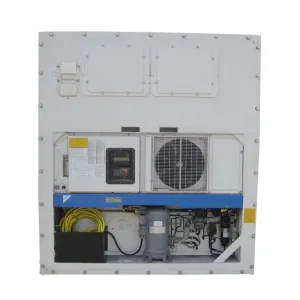
Buy Refrigeration Equipment /Cooling Unit For Refrigerated Containers Products, Exporters
Configure & Request Quote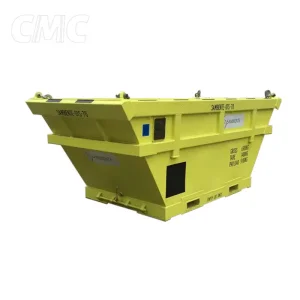
Famous DNV Certification Silt Basket Container Used in Offshore Operations Factories, Exporters
Configure & Request Quote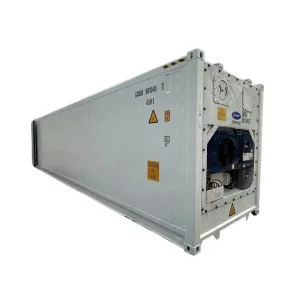
Buy Ninety Percent New Used 40ft HC Carrier Refrigerated Container Product, Quotes
Configure & Request Quote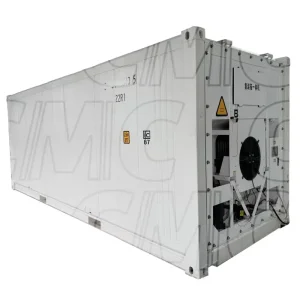
ODM The Smart Chain Cold Storage 20ft/40ft Solar Refrigerated Container 220V With DC Inverter Unit Pricelist, Exporters
Configure & Request Quote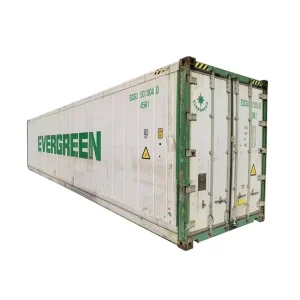
Buy Used 40ft HC Shipping Reefer Container Manufacturers, Exporters
Configure & Request Quote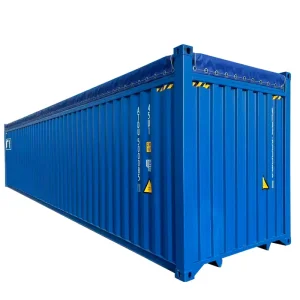
Buy 40ft High-Cube New Soft Open Top Shipping Container with Tarpaulin Cover Manufacturer, Product
Configure & Request Quote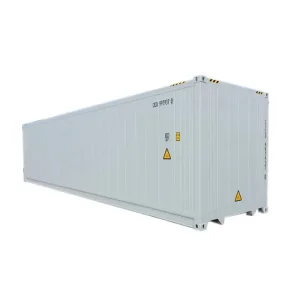
Buy New 40ft High Cube Thickened Foam Insulation Container Factory, Exporters
Configure & Request Quote