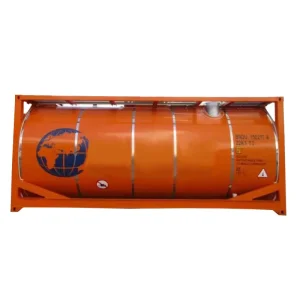
China 20 Foot ISO Liquid Tank Container for Water Manufacturer, Product
View Technical Specs & Quote
Standard and specialized ISO High Cube, reefer, and multi-modal container fleets certified by BV and ISO for demanding oceanic transit.
How 9.5-Foot High Cube (HC) units transformed global macro-logistics from simple ocean freight enclosures into specialized industrial modules.
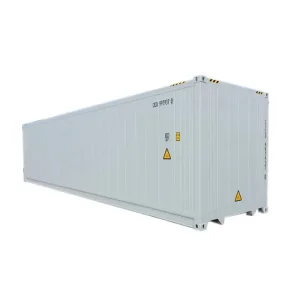
Standard 8.6-foot standard containers are rapidly being superseded by 9.5-foot High Cube enclosures on international maritime corridors. The additional 1 foot (305 mm) in vertical height unlocks roughly 76.3 m³ of internal capacity in a 40-foot frame—a ~12% volumetric surge. This surplus eliminates empty headspace constraints for palletized retail, white goods, and lightweight, high-cube e-commerce shipments.
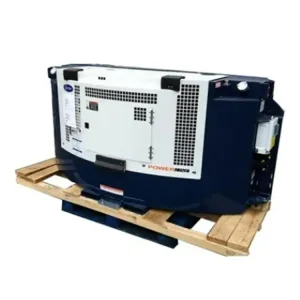
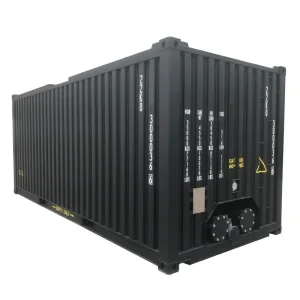
Modern engineering sectors no longer treat high cubes purely as dry freight carriers. Heavy industry relies on modified OEM High Cube shells for containerized battery energy storage systems (BESS), mobile water treatment skids, hyperscale data center nodes, and mobile diesel power units. The 2,690 mm internal headroom provides the baseline clearance required for top-mounted HVAC and thermal insulation layers.
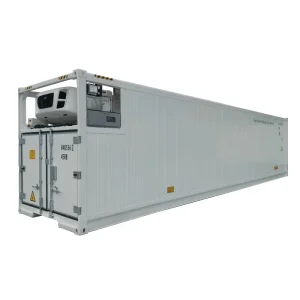
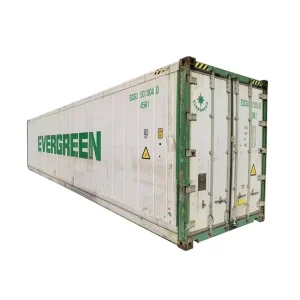
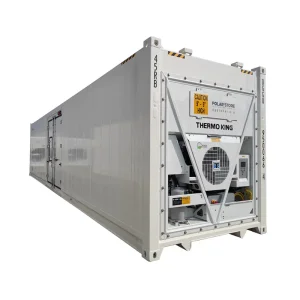
In perishable food, protein, and bio-pharmaceutical logistics, 40ft HC Reefer configurations engineered with high-density polyurethane injection walls allow seamless floor-to-ceiling T-bar airflow. By deploying integrated refrigeration units (Thermo King, Carrier, or Daikin), global supply chains achieve sub-zero stability even during cross-equatorial intermodal journeys.
Decades of continuous manufacturing scaling provide global procurement officers with unmatched lead times, structural precision, and logistical advantages.
Our manufacturing lines leverage automated continuous submerged-arc welding machines to build corrugated panels out of genuine Corten SPA-H corrosion-resistant steel. This metallurgic consistency ensures extreme resistance against ocean saline atmospheres, sulfur emissions, and harsh cyclic dynamic stresses during voyage rocking.
Operating modern production facilities across Tianjin and Suzhou places our assembly lines less than 100 km from key container vessel terminals. This geographic integration minimizes domestic drayage fees, lowers pre-carriage carbon footprint, and permits immediate empty-run export repositioning or "one-way laden" logistics routes.
From roll-up roller shutters, specialized heavy-duty marine locking gears, to zinc-rich primer and polyurethane top-coat applications, 98% of components are sourced within an 80-kilometer factory radius. This tight ecosystem prevents supply chain bottlenecks and allows scalable volume delivery across strict seasonal deadlines.
Tailored structural configurations delivering high-load performance across extreme geographical conditions.
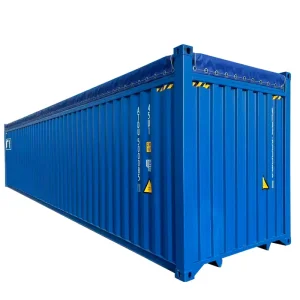
45-foot and 40-foot High Cube dry containers engineered with reinforced corner castings and floor joists specifically built to survive intercontinental rail humping, gauge change transshipments, and extreme temperature variations from Central Asia to Western Europe.
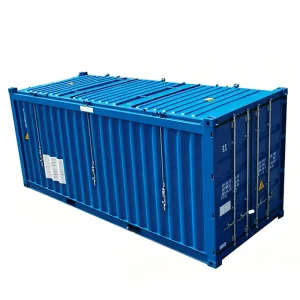
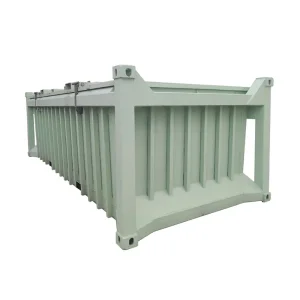
Specialized half-height ore carrier containers and DNV 2.7-1/EN 12079 certified offshore dry containers. Designed with integrated heavy sling pad-eyes, reinforced side walls, and specialized gravity-discharge mechanisms to transport iron ore, bauxite, and drill site gear.
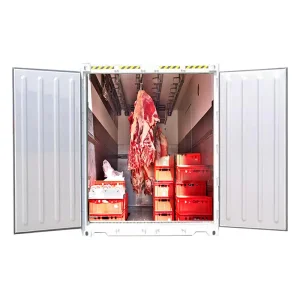
40-foot high-cube side open-door reefers and suspended meat-rail container platforms. Facilitates fast forklift loading of pharmaceutical vaccines, chilled beef, and tropical fruits, paired with integrated digital micro-temperature loggers.
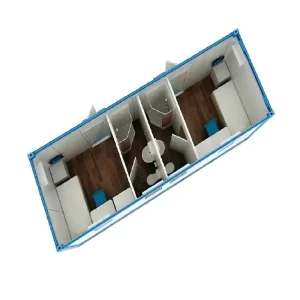
20ft and 40ft standard and high-cube units adapted as standardized structural chassis for turn-key accommodation camps, offshore living quarters, electrical control rooms, and mobile pop-up commercial facilities.
Comprehensive engineering reference for shipping container volume, dimensional tolerances, and maximum gross weights.
| ISO Configuration Profile | External Dims (L × W × H) | Internal Dims (L × W × H) | Cubic Volume | Max Gross Mass | Core Industrial Suitability |
|---|---|---|---|---|---|
| 20ft Standard Dry (20GP) | 6.058 × 2.438 × 2.591 m | 5.900 × 2.352 × 2.393 m | 33.2 m³ | 30,480 kg | High-density commodities (minerals, machinery, metal coils) |
| 40ft High Cube Dry (40HC) | 12.192 × 2.438 × 2.896 m | 12.032 × 2.352 × 2.698 m | 76.3 m³ | 30,480 kg | Voluminous freight, furniture, automotive components, BESS |
| 40ft Standard Dry (40GP) | 12.192 × 2.438 × 2.591 m | 12.032 × 2.352 × 2.393 m | 67.7 m³ | 30,480 kg | Standard palletized ocean trade, general manufactured cargo |
| 40ft High Cube Reefer (40RH) | 12.192 × 2.438 × 2.896 m | 11.583 × 2.290 × 2.555 m | 67.6 m³ | 34,000 kg | Global perishable cold chain, pharmaceuticals, seafood logistics |
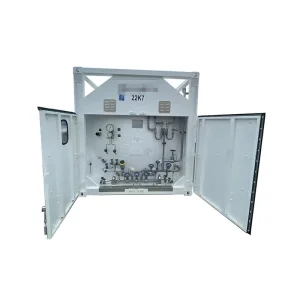
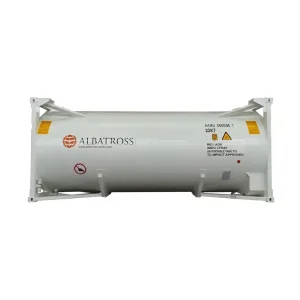
| 20ft ISO Tank / Liquid | 6.058 × 2.438 × 2.591 m | Cylindrical Vessel (316L) | 25,000 L | 36,000 kg | Hazardous chemicals, potable water, food-grade syrups, fuel |
Next-generation engineering shifts defining the next 10 years of ocean and rail container infrastructure.
Modern fleets are systematically adopting integrated low-power satellite and cellular tracking systems. These devices relay real-time internal door-breach alerts, GPS spatial mapping, humidity thresholds, and live shock/vibration analysis to central logistics dashboards, turning static metal containers into intelligent data nodes.
Environmental standards have transitioned Chinese production plants away from volatile organic solvent paints to eco-compliant, waterborne zinc and polyurethane multi-layer finishes. This coating technology offers salt-fog barrier performance exceeding 1,500 hours under ASTM B117 salt spray tests while significantly reducing plant emissions.
The rapid expansion of global utility-scale solar and wind projects has positioned specialized High Cube containers as the de facto worldwide standard for modular energy storage. Manufacturers are embedding automated fire-suppression manifolds, blast-relief panels, and fluid cooling loops directly into the ISO frame during factory fabrication.
A rigorous five-stage engineering engagement ensuring that structural drawings match physical deliveries flawlessly.
Technical evaluation of density, chemical status, stacking requirements (up to 9-high ocean stack testing), and intermodal transit parameters.
Finite Element Analysis (FEA) testing for customized chassis load vectors, roller shutter stress allowances, and roof panel load limits.
Jig assembly, sample production, corner casting metallurgical validation, and precision welding inspections by certified QC inspectors.
Bureau Veritas water tightness test, dynamic floor load test (7,260 kg test axle), and CSC (Convention for Safe Containers) safety plate sign-off.
100 km transit to Tianjin Port terminal, offering both "one-way laden" logistics integration or container vessel stack loading.
Answers to common structural, regulatory, and procurement questions from logistics directors and supply chain managers.
Specialty cold-chain, modular housing, intermodal rail, and specialized vehicle handling systems available for immediate factory order.