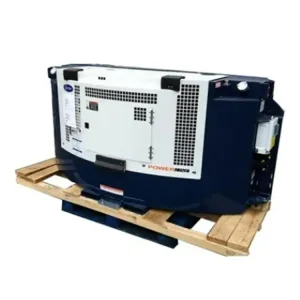
High-Spec Marine & Refrigerated Product Portfolio
Explore precision-fabricated ISO, DNV-offshore, and cold-chain units directly deployed from our manufacturing hubs in Tianjin and Suzhou.
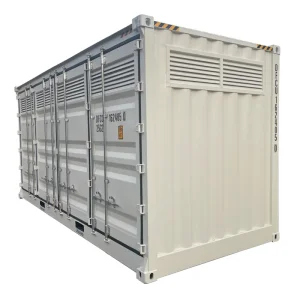
Famous 20FT High-cube Dangerous Goods Container Side Open Door with Ventilation Opening Manufacturer, Exporter
View Specifications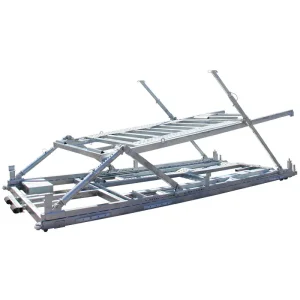
China vehicle transport rack Product, Exporters
View Specifications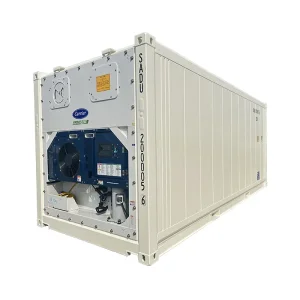
High-Quality New 40ft High Cube Carrier Refrigerator Freezer Cold Room Product, Exporters
View Specifications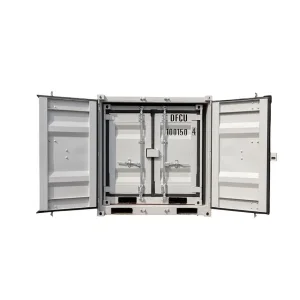
High-Quality Durable Cargo Shipping Container 4Ft/5Ft/6Ft/7Ft/8Ft/9Ft/10Ft/11Ft/12Ft Mini Storage Container Nested Shipping Container Manufacturers, Factories
View Specifications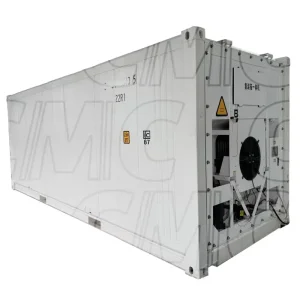
ODM The Smart Chain Cold Storage 20ft/40ft Solar Refrigerated Container 220V With DC Inverter Unit Pricelist, Exporters
View Specifications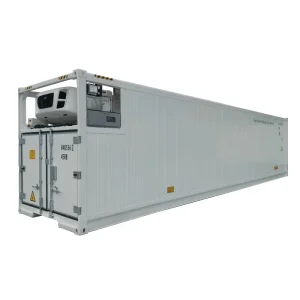
Famous New 40-foot high cube & 45-foot "Belt and Road" railway refrigerated container. Product, Products
View Specifications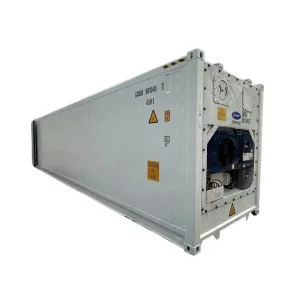
Buy Ninety Percent New Used 40ft HC Carrier Refrigerated Container Product, Quotes
View Specifications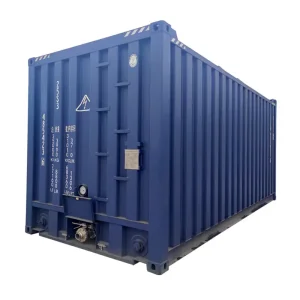
Buy New 20ft Square Liquid Container Factory, Product
View SpecificationsMacro Dynamics in Global Over Sea Container Manufacturing
Strategic shift toward sustainable materials, advanced telematics, and cross-border structural resilience.
Transitioning from Standard Boxes to Intelligent Logistics Nodes
The global shipping container manufacturing ecosystem is experiencing a profound paradigm shift. Historically regarded as passive steel commodities, modern over sea containers have transformed into high-performance logistics assets engineered to withstand complex multimodal transit profiles. Driven by increasing demand across intercontinental freight routes, manufacturing methodologies now emphasize structural integrity via high-tensile Corten steel (SPA-H), anti-corrosion zinc-rich primer matrices, and automated robotic sub-arc welding.
Modern fleet owners, freight forwarders, and institutional leasing enterprises are operating in a climate of fluctuating fuel costs and aggressive decarbonization imperatives. Consequently, lightweight container design without structural compromise is paramount. By deploying finite element analysis (FEA) during the OEM phase, factories can reduce tare weight by up to 8% while upholding full ISO 1496-1 stacking capabilities—supporting up to 216,000 kg gross stacked loads on lower corner castings.
Supply Chain Diversification
Global procurement teams prioritize dual-sourcing and proximity to major shipping terminals. Facilities positioned within 100 km of deepwater ports mitigate domestic drayage risks and optimize container dispatch cycles.
Stringent Maritime Compliance
Beyond standard CSC plates, maritime bodies enforce stringent verification through Bureau Veritas (BV), ABS, and DNV standards to guarantee survival in extreme sea states, offshore lifting dynamics, and sub-zero corridors.
Integrated Sensor Telematics
OEM factories now incorporate native IoT mounting cavities, ambient temperature probes, and smart telematics for live telemetry—ensuring end-to-end cargo traceability across intermodal ocean-rail routes.
Macro Industry Solutions & Custom OEM Architectures
Tailored manufacturing programs resolving cold-chain loss, hazardous substance transport, and intermodal compatibility.
Controlled Atmosphere Cold Chains
Specialized reefer containers designed with high-density polyurethane injection insulation and Daikin, Carrier, or Thermo King machinery, maintaining precision tolerances from -30°C to +30°C for perishable export logistics.
Hazardous Cargo & Chemical Storage
Dangerous goods units equipped with spark-proof side-open doors, integrated spill-containment subflooring, flame-retardant wall linings, and continuous natural louvre ventilation meeting global IMDG codes.
Offshore & High-Density Ore Transit
Low-profile, half-height open-top units engineered for bulk mineral ores and drilling equipment, tested in strict accordance with DNV GL-ST-E271 certification for dynamic maritime crane hoisting under sea states.
End-to-End Compliance & Localized Supply Assurance
Combining four decades of manufacturing heritage with strict factory-level QA gates to safeguard cross-border capital investments.
BV & ISO Quality Control
Bureau Veritas audited lines and ISO 9001:2015 certified manufacturing facilities. Mill certificates (3.1/3.2) accompany all Corten plate supplies, coupled with ultrasonic weld crack detection and salt-spray testing.
Decades of Production Heritage
Established manufacturing foundations dating back to 1983. Over 40 years of continuous iteration provide structural wisdom against corner post deformation, door hinge freeze, and water-ingress vulnerabilities.
Strategic Coastal Positioning
Located in Tianjin and Suzhou, mere 100 km from major seaports. This ensures accelerated drayage, swift port marshalling, real-time container yard handovers, and reliable FOB/CIF export dispatch schedules.
Technical Roadmap: Next-Generation Intermodal Containers
Architecting smarter, circular, and low-emission shipping hardware for sustainable 2026-2035 international logistics.
Phase 1: Solar-Assisted Hybrid Cooling
Integrating flexible thin-film photovoltaic (PV) arrays onto reefer roofs coupled with brushless DC inverter refrigeration, reducing diesel gen-set fuel consumption by up to 35% on intermodal rail corridors.
Phase 2: Composite & Bio-Based Flooring
Phasing out traditional tropical hardwood plywood in favor of closed-cell recycled thermoplastic (PET) honeycombs and bamboo composite flooring, enhancing chemical resistance while eliminating environmental deforestation.
Phase 3: Digital Twin & Edge Analytics
Embedding multi-axial shock sensors and automated humidity control modules that transmit status telemetry via satellite IoT, enabling predictive maintenance and dynamic insurance claims verification.
Frequently Asked OEM & Sourcing Questions
Comprehensive operational guidance for engineering leads, supply chain directors, and logistics procurement teams.
What specific manufacturing certifications and maritime approvals do your containers carry?
Can customized container dimensions and multi-door access configurations be manufactured?
Which refrigeration machineries and refrigerants are integrated into reefer fleets?
What is the standard production lead time and FOB delivery cycle?
Do you supply second-hand and certified refurbished containers?
Advanced Freight, Offshore & Specialized Equipment
Reliable logistics infrastructure ready for international deployment across maritime, road, and industrial projects.
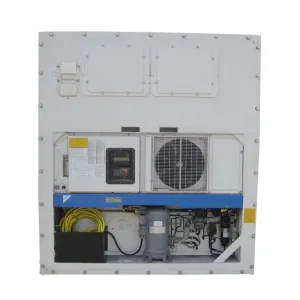
Buy Refrigeration Equipment /Cooling Unit For Refrigerated Containers Products, Exporters
View Specifications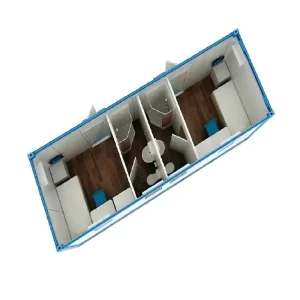
Famous 20ft 40ft Standard Size Accommodation Modular House Container Exporter, Products
View Specifications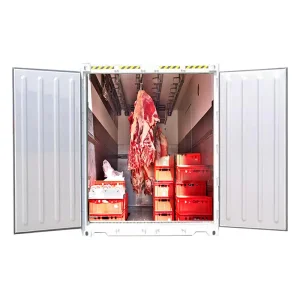
High-Quality Brand new hanging meat container for low temperature fresh transportation Pricelist, Products
View Specifications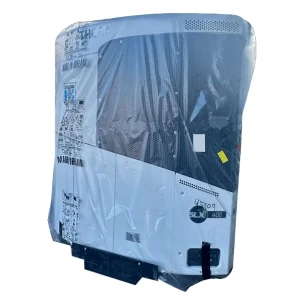
Famous TK SLXI Mobile power generation trailer cooling unit Product, Manufacturers
View Specifications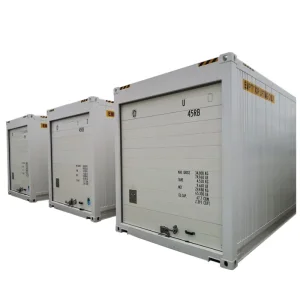
China 40ft High-Cube Roll Up Reefer Container Customized Shipping Containers Factory, Manufacturers
View Specifications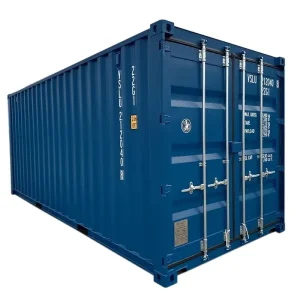
Buy New 20ft Double Door Dry Cargo Shipping Container Products, Manufacturers
View Specifications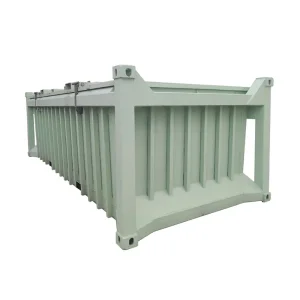
Buy New Half Height Ore Carrier Container Offshore Container Manufacturers, Quotes
View Specifications