Portfolio Selection
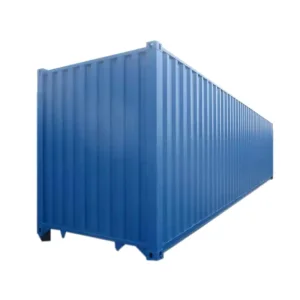
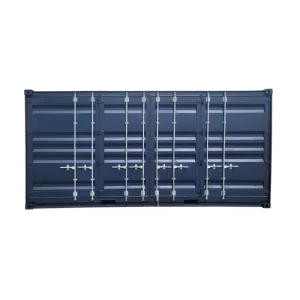
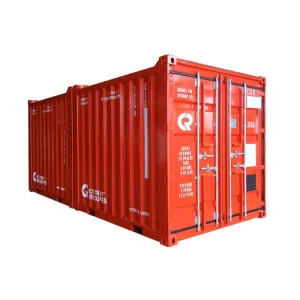
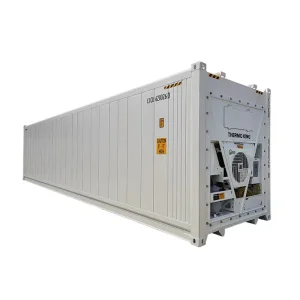
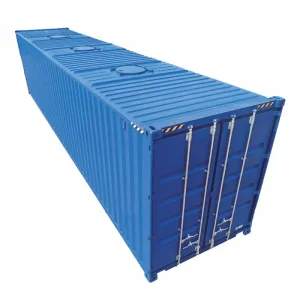
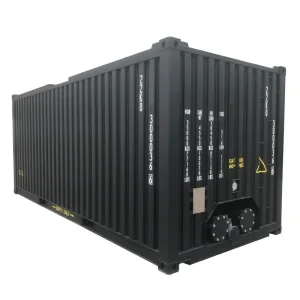
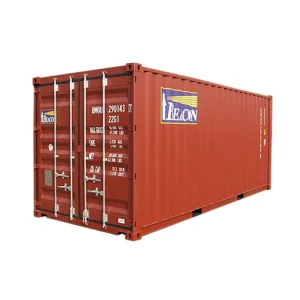
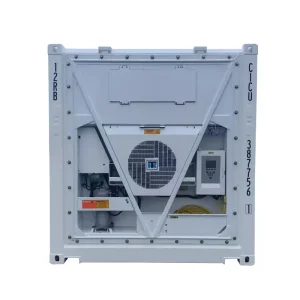
Featured Multimodal Rail & Special Container Systems
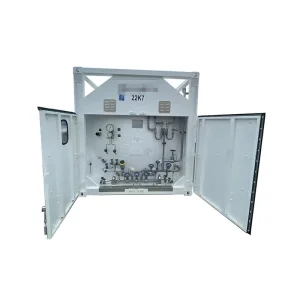
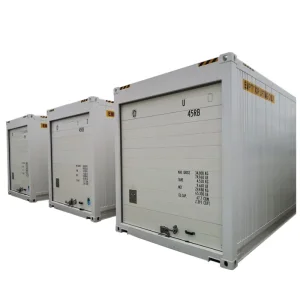
Engineered to comply with ISO 1496/3, UIC 592, and AAR standards for rugged railway haulage, transshipment durability, and optimal payload capacity.
40+
Years Production Engineering Experience
100 km
Factory Direct Distance to Port Hubs
100%
BV & ISO Certified Traceability
35,000+
TEU Annual Intermodal Supply Capacity
Intermodal Engineering Insights
Engineering OEM Railway Containers for Severe Operational Stresses
Railway logistics subject freight equipment to unique, extreme mechanical dynamics that differ drastically from ocean transit. While maritime vessels impose low-frequency harmonic rolling and pitching, transcontinental rail lines—such as the Eurasian Land Bridge, North American Class I rail grids, and African mining links—exert continuous longitudinal shock, shunting impact forces, and cyclical high-frequency rail vibrations.
As a seasoned China container manufacturing group, our engineering focuses on structural reinforcements including Corten-A high-tensile steel corrugations, reinforced bottom side rails, and custom 45-foot or 40-foot pallet-wide footprints designed to maximize European, North American, and Australian standard pallet layouts.
- Longitudinal Dynamic Resistance: Engineered underframes designed to absorb heavy buffer forces during humping operations without micro-buckling.
- Thermal Stability in Extreme Continental Climates: Insulated and reefer rail containers equipped to maintain internal integrity in climates ranging from -40°C Siberian winters to +50°C desert crossings.
- Multimodal Transition Adaptability: Corner fittings and intermediate twist-lock points verified for swift gantry handling, top-pick spreaders, and reach-stacker pin engagement.
| Railway Container Parameter | Standard Rail Spec | OEM Custom Capability |
|---|---|---|
| Base Steel Substrate | SPA-H / Corten-A | Q345D / Q355ND High-Toughness Alloys |
| Longitudinal Racking Resistance | UIC 592-2 (150 kN) | Heavy-Haul Reinforced (>250 kN) |
| Floor Construction | 28mm Hardwood / Bamboo | 4.5mm Checker Steel / Insulated T-Floor |
| Operating Temperature Span | -20°C to +50°C | -50°C Arctic Grade to +70°C Desert Spec |
| Paint & Corrosion Protection | Zinc-rich primer + Polyurethane | C5-M Marine/Rail High Durability System |
Supply Chain Excellence
China Factory Supply Chain Advantages for Global Railway Equipment
Leveraging an unmatched upstream industrial cluster, robotic tooling precision, and deep coastal intermodal connections.
Direct Specialized Steel Ecosystem
Direct procurement from domestic top-tier steel mills allows our facilities in Tianjin and Jiangsu to source genuine Corten atmospheric corrosion-resistant steel and cryogenic nickel-alloy plates with full metallurgical mill test certificates (MTC) at baseline industrial costs.
Robotic Welding & Precision Jigs
Our high-capacity production lines utilize automated submerged arc welding, robotic side-panel positioning, and modular assembly fixtures. This guarantees geometric tolerance controls that prevent diagonal distortion over lengthy 40ft, 45ft, and 53ft rail spans.
Low-Carbon Maritime & Rail Gateways
Situated within 100 km of major international maritime terminals in Tianjin and close to principal Eurasian rail terminals, our manufacturing hubs facilitate low-cost empty-dispatch routing and One-Way leasing handovers straight into international transit networks.
Quality Assurance
Localized Support & Stringent International Compliance
Mitigating cross-border operational risk with documented, accredited regulatory certifications.
CSC & BV Certification
Every unit leaves our manufacturing lines with a full Bureau Veritas or classification society inspection badge, satisfying the International Convention for Safe Containers (CSC).
UIC 592 & TIR Customs
Built to conform strictly with UIC codes for European intermodal rail transport and TIR customs requirements, ensuring uninterrupted transit through borders without break-bulk procedures.
Cryogenic & ADR/RID Tanks
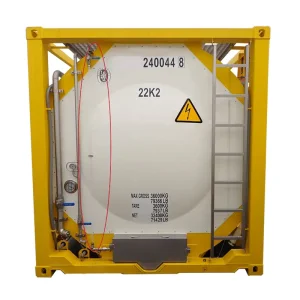
Our specialized T75 and liquid chemical containers are designed under IMDG, ASME Section VIII, and European RID directives for the safe movement of dangerous liquids across rail routes.
On-Site Technical Depots
Offering localized warranty coverage, technical drawings, and spare-parts partnerships spanning dry-box panels, refrigeration components, and specialized gasket assemblies.
Market Evolution
Localized Application Scenarios & Intermodal Trends
Addressing modern industrial requirements with tailored, mission-specific containerized freight solutions.
Green Corridors & ESG Procurement
As rail freight cuts CO2 emissions by up to 75% compared to road transport, corporate shippers prioritize ultra-lightweight high-tensile railway containers. Our engineering decreases empty tare weights while maintaining stackability, maximizing cargo volume per rail axle.
Autonomous IoT & Telematics Integration
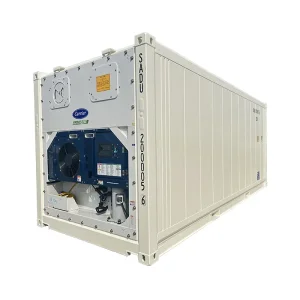
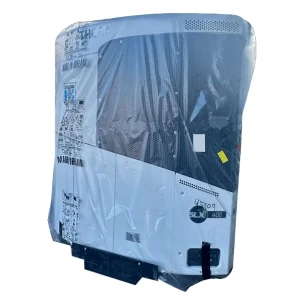
Our smart reefer and dry railway boxes are pre-fitted with solar-powered GPS trackers, doorway sensors, and cold-chain temperature telemetry (Carrier / Thermo King integrated) delivering real-time status reporting through obscure railway hinterlands without cellular interruption.
Dry Bulk & Liquid Industrial Transit
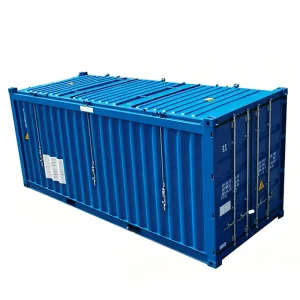
Transitioning from conventional hopper and tank rail cars to containerized intermodal equipment. Standardized open-top containers, roll-up units, and T75 ISO tanks allow chemical producers and grain operators to bypass costly manual transloading between sea, road, and rail.
Expert Inquiries
Frequently Asked Questions for Railway Container Buyers
Technical clarifications covering design standards, structural tolerances, certifications, and procurement logistics.
What is the structural difference between a standard maritime ISO container and a railway container?
While both comply with ISO corner casting geometry, specialized railway containers feature reinforced underframes, heavier side sills, and enhanced end-wall strength to absorb sudden shunting buffer impacts (up to 2g-3g longitudinal deceleration). Standard sea boxes may develop door racked alignment issues under extended rail transit.
Can you provide custom pallet-wide dimensions for European and regional railway gauges?
Yes. We specialize in OEM configurations including 2.50m and 2.55m pallet-wide designs that allow side-by-side loading of standard Euro-pallets (1200x800mm) without lost floor space, fully compliant with UIC 592/596 regulations.
How are reefer containers powered during transcontinental railway travel?
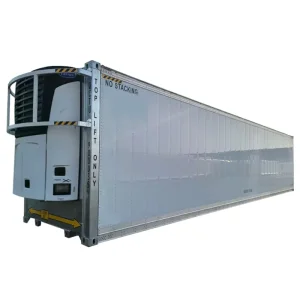
Our railway reefer containers can be coupled with integrated diesel clip-on generator sets (gensets) or self-contained underside undermount units. For long block trains, central power wagons can feed electric power buses directly into Carrier or Thermo King refrigeration units.
What certifications are supplied with bulk and cryogenic rail tank containers?
Our ISO tank containers, such as the T75 cryogenic liquid units and chemical tanks, are certified under ASME, RID (Regulations Concerning the International Carriage of Dangerous Goods by Rail), ADR, IMDG, and CSC by Bureau Veritas, Lloyd's Register, or DNV.
What is the typical production lead time and minimum order quantity (MOQ) for custom builds?
Standard production lead time is typically 4 to 6 weeks from structural drawing sign-off. MOQ ranges from 1 to 5 units for highly specialized units (cryogenic T75, integrated generator cars) and 10 to 50 units for custom dry-cargo or open-top fleets.
Can you provide One-Way freight positioning to optimize equipment delivery costs?
Yes. Leveraging China's immense export trade balance, we coordinate with major shipping carriers and Eurasian railway operators to offer 'One-Way Free Use' freight programs, positioning brand-new containers directly into European, North American, or Central Asian distribution hubs at minimal mobilization expense.
Complete Equipment Range
Industrial Shipping, Offshore & Specialty Rail Containers
Explore additional standard, reefer, bulk transport, and certified industrial modules available for direct global export.