
Precision-Manufactured OEM Marine & Intermodal Units
Factory-direct ISO shipping, refrigerated, side-access, and nested mini storage containers custom engineered to international CSC and BV standards.
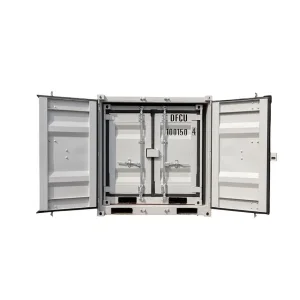
High-Quality Durable Cargo Shipping Container 4Ft/5Ft/6Ft/7Ft/8Ft/9Ft/10Ft/11Ft/12Ft Mini Storage Container Nested Shipping Container Manufacturers, Factories
View Product Specs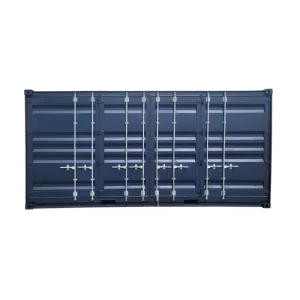
High-Quality New 20ft Customized Side Door Dry Cargo Shipping Container Factory, Product
View Product Specs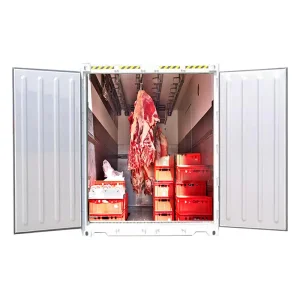
High-Quality Brand new hanging meat container for low temperature fresh transportation Pricelist, Products
View Product Specs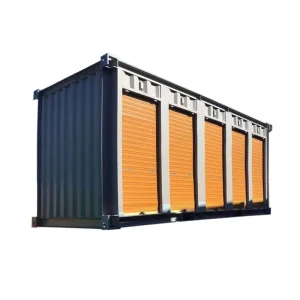
OEM New 20ft Storage Roll-Up Door Dry Cargo Container Pricelist, Product
View Product Specs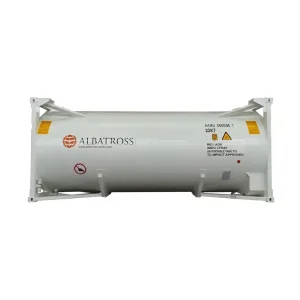
China 25000 Liters ISO 20ft Gas Tank Container for Sale Product, Factories
View Product Specs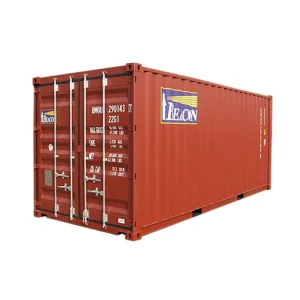
ODM 40ft New Certified Dry Shipping Container Pricelist, Exporters
View Product Specs
Famous TK SLXI Mobile power generation trailer cooling unit Product, Manufacturers
View Product Specs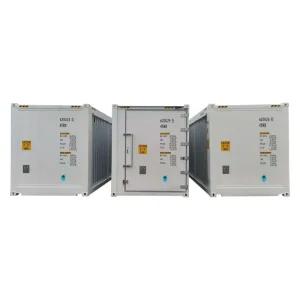
China OEM 40ft High-Cube Customized Three-in-One Combination Reefer Storage Container Manufacturer, Quotes
View Product SpecsMacroeconomic Cost Determinants in Global Containerized Trade
The global intermodal logistics sector operates on high capital discipline where marine container procurement costs dictate fleet deployment margins for shipping lines, container leasing companies, energy conglomerates, and specialized mining operators. Navigating the sea container cost pricelist requires a nuanced understanding of metallurgical cost inputs, exchange rate indices, environmental paint formulation mandates, and shipyard manufacturing throughput.
Raw Material Volatility: The Metallurgy of Corten-A Steel
Every standard dry cargo container, open top, or offshore transport basket relies primarily on SPA-H atmospheric corrosion-resistant steel. Unlike mild carbon steel (Q235), Corten-A alloys incorporate trace amounts of copper, chromium, and nickel. When exposed to maritime atmospheres, these elements form a dense, adherent amorphous patina layer that drastically inhibits cathodic oxygen reduction, preventing deep pitting.
Because an empty standard 20ft dry container (20GP) utilizes approximately 2,180 kg to 2,300 kg of pure steel—and a 40ft High Cube (40HC) demands upwards of 3,750 kg to 3,950 kg—fluctuations in iron ore and domestic Chinese hot-rolled coil (HRC) spot prices trigger immediate recalibrations in global FOB factory quotations. Corporate asset directors must monitor Chinese domestic plate indices to time multi-TEU order executions.
Environmental Surface Engineering & VOC Elimination Mandates
Since the universal adoption of the "Convention on Environmental Protection and Green Manufacturing in the Container Industry," traditional solvent-based zinc coatings have been systematically phased out. Modern Chinese manufacturing hubs utilize waterborne zinc-rich primers, waterborne epoxy intermediate coats, and polyurethane topcoats.
This environmental shift transformed factory baking ovens into micro-controlled dehumidification curing chambers, maintaining dry film thickness (DFT) between 100 to 120 microns. While waterborne coating chemistries increased upfront factory capital expenditure, they drastically reduce marine peeling, extending recoat intervals to 12 years and lifting secondary-market residual asset values across major European and North American depot hubs.
2025 OEM Sea Container Cost Pricelist & Technical Index
Standardized FOB Tianjin / Qingdao benchmark matrix reflecting factory-floor pricing, tare weights, payload limits, and structural classifications.
| Equipment Model & ISO Code | Dimensions (L × W × H) | Tare Weight (kg) | Max Payload (kg) | Target Industries | Indicative OEM Price Range (USD) | Certification |
|---|---|---|---|---|---|---|
| 20ft General Purpose (20GP) | 6,058 × 2,438 × 2,591 mm | 2,180 - 2,250 kg | 28,230 kg | Dense minerals, machinery, general cargo | $1,850 – $2,300 | ISO / BV / CSC |
| 40ft High Cube (40HC) | 12,192 × 2,438 × 2,896 mm | 3,800 - 3,950 kg | 26,530 kg | Volumetric consumer freight, e-commerce | $2,850 – $3,600 | ISO / BV / CSC |
| 20ft Customized Side-Door Unit | 6,058 × 2,438 × 2,591 mm | 2,950 - 3,150 kg | 27,330 kg | Intermodal palletizing, rapid logistics | $3,200 – $4,100 | ISO / CSC / OEM |
| 40ft High Cube Cold Chain Reefer | 12,192 × 2,438 × 2,896 mm | 4,480 - 4,700 kg | 29,520 kg | Pharma, perishable fruits, seafood | $14,500 – $18,900 | Carrier / TK / BV |
| 20ft ISO Intermodal Gas Tank (T11/T50) | 6,058 × 2,438 × 2,591 mm | 3,400 - 4,200 kg | 32,000 kg | Cryogenic gases, bulk chemicals, fuel | $18,500 – $26,000 | ASME / IMDG / ADR |
| DNV 2.7-1 Offshore Basket / Half-Height | Custom / Standard lengths | 2,400 - 5,100 kg | 15,000 - 25,000 kg | Subsea drilling rigs, offshore energy | $6,800 – $11,500 | DNVGL-ST-E271 / EN12079 |
| Mini Storage Nested Units (4ft–12ft) | Modular nested dimensions | 450 - 1,200 kg | 3,000 - 7,000 kg | Self-storage hubs, construction tool cribs | $950 – $1,750 | Factory QC / CE |
Global Enterprise Procurement: Navigating Total Cost of Ownership (TCO)
For multinational freight forwarders, rail network integrators, and leasing consortia, purchasing sea containers is an exercise in asset lifecycle management. Analyzing the initial acquisition price without modelling maintenance overhead, handling fatigue, structural tare weight, and residual scrap salvage leads to severe capital erosion over a typical 15- to 25-year operational lifecycle.
Direct OEM vs. Long-Term Master Lease
Leasing provides balance sheet flexibility during short freight rate spikes. However, corporate fleet operators investing in sustained corridors achieve 34% lower cumulative expenditures over 7 years by contracting direct factory OEM runs, amortizing engineering setup costs across custom fleet batches.
Flooring Substrates & Insect Treatment
Flooring selections dictate maintenance costs. Genuine 28mm Apitong/Keruing plywood offers superior modulus of rupture (MOR) but incurs ecological surcharges. 19-ply engineered bamboo composites provide equivalent 7,260 kg axle loads while meeting stringent Australian Department of Agriculture quarantine biosecurity regulations.
Residual Depreciation & Scrap Salvage
High-grade SPA-H alloy retains premium scrap and secondary modular-conversion value. After 15 years of tier-one maritime service, structurally sound containers command 40–55% of original purchase price when remarketed into domestic self-storage or site accommodation fabrication sectors.
Reefer Container Efficiency: Carrier vs. Thermo King vs. Daikin
When calculating cold-chain sea container costs, the refrigeration machinery accounts for up to 75% of the total unit price. Modern procurement tenders balance capital cost with operational power consumption:
- Carrier Transicold (PrimeLINE Series): Industry benchmark for energy efficiency, utilizing digital scroll compressors and eco-conscious R-513A/R-134a refrigerants, delivering low deep-frozen pull-down power draw.
- Thermo King (Magnum Plus): Renowned for extreme low-temperature capabilities (-40°C down to -70°C for specialized pharma-grade bio-transport), critical for ultra-low temperature seafood and clinical vaccine shipments.
- Daikin (Zestia Series): Employs proprietary DC inverter scroll technology, optimizing part-load cooling capacity and reducing auxiliary diesel generator loading during rail and road transport.
China Factory 4.0: Engineering Precision & Supply Chain Resilience
How advanced robotics, high-speed automated stamping, and deep coastal logistics clusters deliver unbeatable lead times and structural integrity.
China manufactures more than 90% of the world’s ISO sea shipping containers. This market leadership is not merely a matter of labor availability; it represents a technologically sophisticated industrial cluster where raw Corten coils, corner castings, locking bars, EPDM gaskets, and specialized marine paints converge within a tightly synchronized 50-kilometer industrial perimeter.
Robotic Submerged Arc & Laser Seam Welding
Automated gantry welding systems ensure uniform penetration across critical stress areas, including corner post-to-casting junctions and top side rails. This eliminates micro-porosities, guaranteeing complete waterproof sealing under dynamic torsional twisting in heavy sea states.
Integrated Shot Blasting to SA 2.5 Standard
Prior to coating, complete container shells pass through high-velocity steel grit blasting turbines. Achieving a near-white metal finish (ISO 8501-1 Sa 2.5) generates a precise anchor surface profile of 25–45 microns, guaranteeing chemical adhesion of zinc primers and preventing subsurface corrosion creep.
Tianjin & Suzhou Port Proximity Advantage
Positioned within 100 kilometers of the Xingang Port (Tianjin) and Taicang/Shanghai maritime gateways, factory production lines interface directly with daily deep-sea container vessel feeder departures. This eliminates costly overland deadheads, shortens FOB staging cycles, and secures immediate one-way export loading opportunities.
Specialized Industry Applications & Engineering Modifications
Modern shipping containers have expanded far beyond the hold of generic container ships. Standardized ISO dimensions, integrated twist-lock castings, and heavy load ratings make them the structural envelope of choice across demanding industrial sectors.
Cold Chain: Meat Hanging & Multi-Temp Zoning
Modified with interior stainless-steel (SUS 304) food-grade ceiling tracks and specialized roof load distribution frames, hanging meat reefer containers facilitate the direct transport of fresh beef and mutton carcasses under continuous, micro-managed air circulations without crushing bottom layers.
Offshore Energy & DNV 2.7-1 / EN 12079 Units
Offshore exploration rigs and subsea construction projects operate in violent dynamic marine environments. Offshore baskets and half-height open-tops feature charpy V-notch impact-tested steel at -20°C, internal tie-down lugs, pad eyes, and certified four-leg wire rope slings.
Battery Energy Storage Systems (BESS)
The energy transition has transformed sea containers into modular battery enclosures. Customized OEM structures integrate thermal insulation rockwool cores, explosion-relief roof hatches, integrated liquid cooling pipe manifolds, and NFPA 855 fire suppression layouts.
Automotive Intermodal Transport
Custom 20ft and 40ft car-carrier containers outfitted with internal hydraulic lifting cassettes and adjustable wheel-chock racking allow the secure, enclosed intermodal transit of 2 to 4 completed electric vehicles, protecting luxury automobiles from environmental exposure.
High-Spec OEM/ODM Intermodal & Energy Solutions
Explore vehicle transport systems, certified DNV offshore units, modular building units, and verified cost-saving second-hand containers.
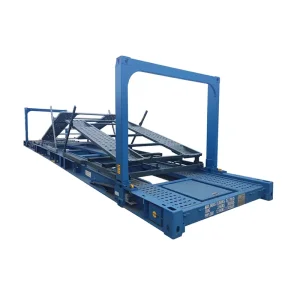
China New 20ft Car Carrier Container Special Container Exporter, Quotes
View Product Specs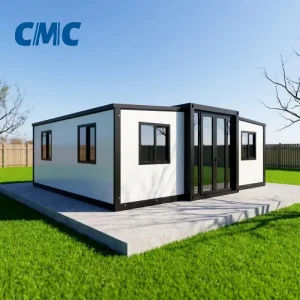
OEM 20ft Modular Container Houses Expandable Steel Container House Excellent Thermal Insulation and Sealing Performance Manufacturer, Manufacturers
View Product Specs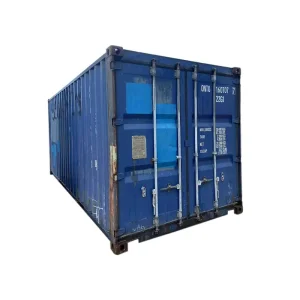
ODM 40ft Used Dry Cargo Shipping Container Manufacturers, Quotes
View Product Specs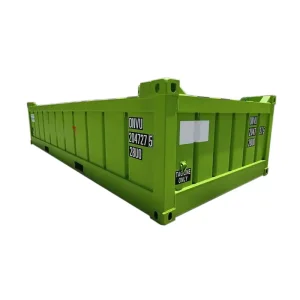
ODM New DNV Certification Offshore Half-Height Open Top Container Products, Exporters
View Product Specs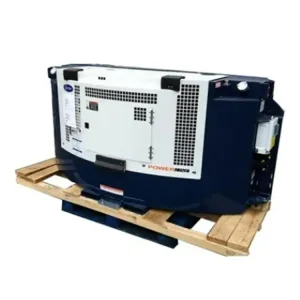
China Refrigerated container diesel generator Exporter, Quotes
View Product Specs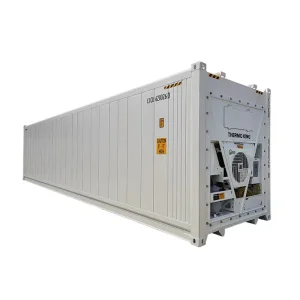
OEM New 40ft High-Cube Certified Reefer Shipping Cargo Container Pricelist, Product
View Product Specs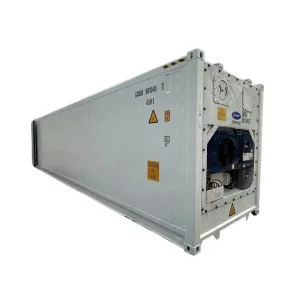
Buy Ninety Percent New Used 40ft HC Carrier Refrigerated Container Product, Quotes
View Product Specs
High-Quality New Offshore Basket Container for Offshore Operations Exporter, Exporters
View Product SpecsFrequently Asked Technical & Cost Questions
Detailed answers addressing engineering feasibility, certification compliance, raw material auditing, and international delivery protocols.
What primary variables determine factory FOB quotes on custom OEM sea containers?
OEM container factory quotations are calculated using a transparent engineering bill of materials (BOM). The dominant cost variables include:
- Steel Mass and Metallurgy: Total weight of Corten-A (SPA-H) steel utilized. Standard dry containers use between 2.1 and 3.9 metric tons. Heavier corrugation (2.0mm vs 1.6mm) or reinforced floor crossmembers increases base steel costs linearly.
- Floor Specifications: Standard certified 28mm Apitong hardwood plywood from certified sustainable origins versus pressed bamboo composite boards or heavy checker-plate steel floors.
- Custom Tooling & Door Geometry: Standard double-wing rear end doors require standard production line clamping. Adding full side-opening doors, interior roll-up shutters, or multi-compartment dividers requires custom jig fixtures, structural headers, and finite element analysis (FEA) testing.
- Coating System: Multi-layer waterborne coatings applied at 100–120 microns DFT versus extreme-duty C5-M offshore marine zinc-silicate coatings.
What is the difference between standard ISO marine certification and DNV 2.7-1 / EN 12079 offshore certification?
While standard ISO containers conform to ISO 1496-1 and carry a CSC (International Convention for Safe Containers) safety approval plate, they are strictly rated for vertical multi-stack container ship cell guides and flat quayside handling. Standard ISO corner castings cannot handle the dynamic snatch loads experienced when offshore supply vessels (OSVs) operate crane transfers in heavy swells.
In contrast, DNV 2.7-1 / EN 12079 offshore baskets and cargo carrying units (CCUs) require primary structural steel with guaranteed Charpy V-Notch impact toughness down to -20°C (or -40°C for Arctic operations). The frames feature welded pad eyes, primary corner posts designed for dynamic multi-point sling lifting, and undergo 2.5x gross weight dynamic drop and tilt testing observed by classification surveyors (such as DNV, Bureau Veritas, or Lloyd's Register).
How are newly manufactured OEM containers repositioned from Chinese factories to overseas destination ports?
Overseas buyers have two primary options for international positioning from our Tianjin or Suzhou manufacturing bases:
- One-Way Free Repositioning (SOC - Shipper Owned Container): We coordinate with international ocean carriers and freight forwarders to load commercial cargo into your new containers for their maiden voyage. In most cases, ocean shipping lines pay a small per-diem or move the container freight-free to your target discharge hub (Rotterdam, Hamburg, Los Angeles, Melbourne, Durban), effectively eliminating dead-freight positioning costs.
- Empty Dedicated Vessel Booking / Flat-Rack Stacking: For specialized custom units (mini containers nested together, offshore half-height baskets, or insulated houses) that cannot carry standard commercial freight, units are nested inside 40HC dry containers or banded as certified ISO bundles (e.g., 4 nested mini units shipped as 1 standard TEU).
What quality control inspections take place prior to factory release?
Every production batch follows an ISO 9001 and IICL (Institute of International Container Lessors) quality assurance protocol before issuance of the CSC safety approval plate. The process comprises:
- Mill Sheet Verification: Chemical composition and yield strength testing of raw Corten steel coils.
- Weld Integrity Testing: Ultrasonic and magnetic particle inspection across high-stress corner castings and rail splices.
- High-Pressure Weatherproof Light & Water Test: Each finished container undergoes an enclosed high-intensity light inspection, followed by a continuous 2-bar water spray test across all door seals and seams to verify IP56 weatherproofing.
- Reefer Pre-Trip Inspection (PTI): Refrigerated containers undergo automated 6-hour diagnostic cycles testing compressor pressures, defrost cycle integrity, temperature pulldown rates (-20°C verification), and airflow sensor calibration.
Can buyers procure certified used containers, and how are their conditions categorized?
Yes. In addition to brand-new OEM/ODM builds, we maintain standing depots of second-hand containers at major coastal hubs across China (Tianjin, Qingdao, Shanghai, Ningbo). Used inventory is categorized into three strict commercial grades:
- IICL-5 Condition (approx. 90% new): Light cosmetic use, minor surface marks, no structural rust, doors seal tightly, structural square verified. Recommended for long-term ocean shipping and corporate asset leasing.
- Cargo Worthy (CW): Structurally sound, wind and watertight (WWT), valid CSC plate suitable for international ocean transport, with cosmetic blemishes, minor surface rust patches, and typical handling dents.
- As-Is / WWT (Wind & Watertight): Retired from active deep-sea container ship stacking; fully watertight with functional doors. Highly cost-effective for static ground storage, farm tool storage, or low-cost architectural conversion.