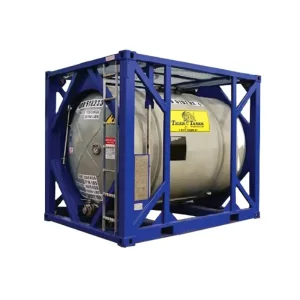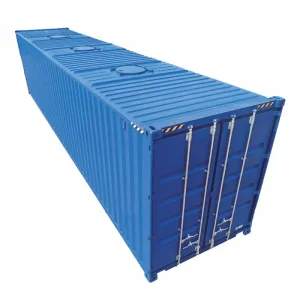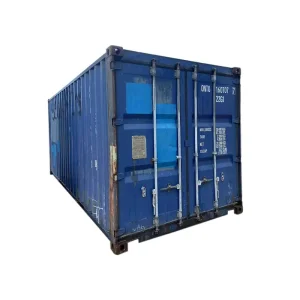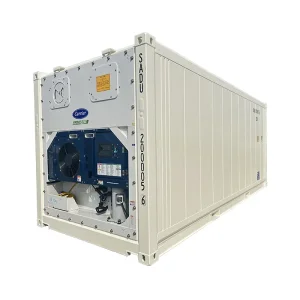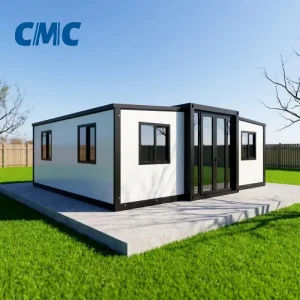
OEM 20ft Modular Container Houses Expandable Steel Container House Excellent Thermal Insulation and Sealing Performance Manufacturer, Manufacturers
View Product Specs
Explore heavy-duty modular units, ISO liquid tanks, and commercial mobile cold chain trailers fabricated to strict intermodal transport standards.
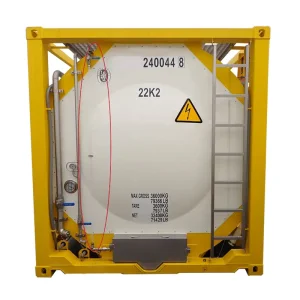
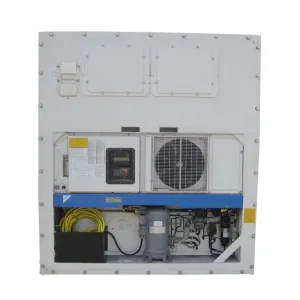
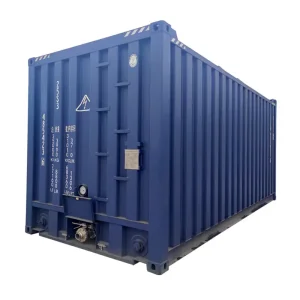
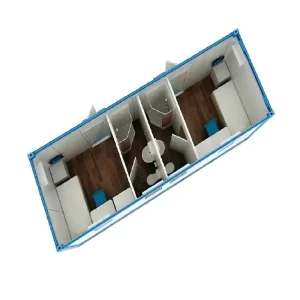
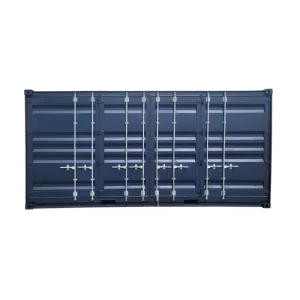
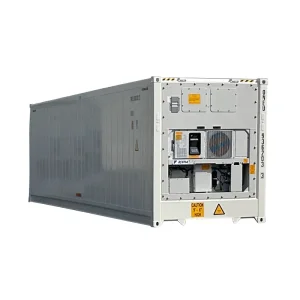
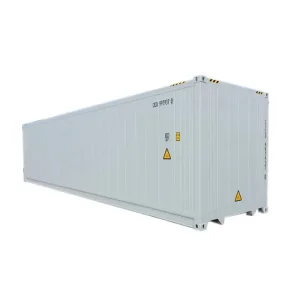
A macroeconomic overview of freight containerization, off-grid mobile storage demands, and the rapid evolution of OEM trailer engineering.
The global container chassis and storage trailer market is experiencing an unprecedented structural transition driven by seamless intermodal logistics. Freight transport networks demand unified interchangeability where standard 20ft, 40ft, and 45ft high-cube containers can instantly convert between ocean-borne freight, rail spine-car transport, and rugged terminal container chassis without restowing payload.
Global supply chain volatility has pushed logistics operators from "Just-in-Time" to "Just-in-Case" inventories. OEM container chassis trailers double as dynamic yard storage assets, providing flexible staging buffers for e-commerce fulfillment hubs, critical agricultural harvests, and emergency relief distribution zones without permanent real estate footprint commitments.
Industrial procurement managers prioritize optimized tare-to-payload ratios. Modern high-tensile steel trailers (such as Q355ND and T700) reduce empty chassis weight by up to 18%, directly decreasing diesel and electric tractor battery consumption while maximizing net cargo tonnage under strict regional gross vehicle weight ratings (GVWR).
Engineered to withstand severe torsional bending moments, dynamic impact loading, and corrosive atmospheric salinity across maritime and inland routes.
Fabricated using automated submerged arc welding systems, the longitudinal main beams feature high-tensile structural steel flanges (hot-rolled Q345B/Q355ND or HG785D for specialized ultra-light configurations). Deep penetration robotic seams eliminate residual stress concentration points. The chassis frame is designed with a graduated camber curve to neutralize elastic deflection when loaded with dense 30,480 kg ISO dry or refrigerated containers.
Cast steel ISO 1161-compliant twist locks allow rapid pin engagement and positive mechanical clamping of standard corner castings. Running gear packages are fully customizable, including FUWA, BPW, or SAF-HOLLAND axle sets with mechanical multi-leaf spring suspensions or heavy-duty air suspensions with electronic height control (EHC) and Wabco/Knorr-Bremse dual-circuit EBS pneumatic braking systems.
| Chassis & Trailer Configuration | Applicable Container Size | Tare Weight (Approx.) | Rated Payload Capacity | Primary Industrial Application |
|---|---|---|---|---|
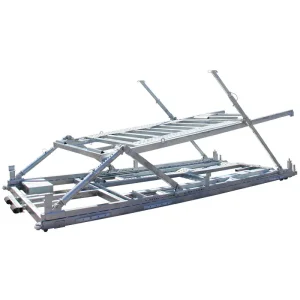
| 20ft Skeletal Container Chassis | 1 × 20ft ISO Dry / Tank | 3,800 kg – 4,200 kg | 30,500 kg | Dense mineral ore, ISO tank liquids, industrial machinery |
| 40ft Gooseneck High-Cube Trailer | 1 × 40ft or 2 × 20ft ISO | 5,200 kg – 5,800 kg | 35,000 kg | Intermodal FMCG, high-cube reefer distribution, general cargo |
| 45ft Tri-Axle Terminal Yard Chassis | 40ft / 45ft High Cube | 6,100 kg – 6,500 kg | 45,000 kg | Deep-water port terminal shuttle, dynamic buffer storage staging |
| Mobile Reefer Storage Chassis Platform | 20ft / 40ft Cold Storage | 5,400 kg (with Genset mount) | 32,000 kg | Cold-chain staging, perishable export storage, field pharmaceutical cold room |
| Heavy Low-Bed Multi-Axle Intermodal Dolly | Specialized modular units | 7,200 kg – 9,800 kg | 60,000 kg+ | Offshore platform equipment, heavy generator enclosures, power banks |
Vertical cluster integration, port-adjacent logistics, and rigid quality verification frameworks ensure high-throughput execution for international fleet buyers.
Operating near heavy metallurgical hubs in Northern China grants immediate direct-from-mill access to premium Corten steel (SPA-H), weather-resistant carbon alloys, and certified marine-grade plate. By eliminating middleman steel brokerage, raw material traceability is guaranteed from heat batch numbers to final cutting nests, shielding buyers from volatile global price shifts.
Corrosion failure on trailers operating in coastal or salty environments is eliminated via automated shot-blasting (SA 2.5 standard) followed by cathodic dip painting (CED/KTL) and electrostatic zinc-rich powder coating. This delivers salt-spray test endurance exceeding 1,200 hours, keeping your trailer chassis structurally sound and rust-free over decades of harsh highway service.
Factory bases situated in Tianjin and Suzhou lie within a direct 100 km transit corridor to major deep-water international sea terminals. This geographic proximity minimizes inland transportation expenses, avoids severe pre-shipment axle wear, and allows flexible rolling stock or break-bulk vessel load-outs with expedited customs clearance.
From extreme sub-zero permafrost haulage to rapid modular municipal deployment, examine how container trailers perform in real-world industrial environments.
For fresh produce growers and seafood exporters, seasonal harvest volumes overwhelm fixed warehouse facilities. Integrating 40ft High Cube Daikin or Carrier refrigerated containers with dedicated gen-set-equipped gooseneck trailers turns transport assets into instantly deployable pre-cooling field stations. Units run off grid shore-power or integrated diesel generators, maintaining precise -25°C to +15°C cold chain integrity right at the farm gate.
The rapid global acceleration of renewable energy microgrids demands reinforced trailer platforms capable of bearing the immense localized mass of lithium-ion container batteries and inverter electronics. Specialized low-profile chassis provide reinforced underfloor thermal dissipators, integrated fire suppression plumbing access, and heavy-duty load distribution crossmembers certified for public road transit.
In harsh remote locations across Western Australia, the North Sea, and Latin America, standard road trailers warp under rugged unpaved haul roads. DNV-certified offshore container modules paired with heavy-duty multi-axle chassis feature reinforced Kingpin assemblies, severe-service mechanical bogie suspensions, and hermetically sealed hubs to ensure structural continuity under heavy unpaved conditions.
During natural disasters or emergency infrastructure projects, expanding modular container accommodations and mobile surgical cleanrooms must be relocated without heavy construction cranes. Container chassis with integrated hydraulic landing gear and side-loading cranes allow a single operator to drop off, level, and redeploy tactical habitat pods in under 20 minutes.
A strategic overview of upcoming design innovations across lightweighting, IoT telematics, structural composites, and electric power integration.
Real-time CAN-bus sensor networks monitoring hub bearing temperatures, brake lining wear, tire pressure monitoring systems (TPMS), and cargo load cell strain measurements with worldwide satellite & 5G uplink.
Transitioning to Thermo-Mechanically Rolled Steels (TMCP) and lightweight carbon-fiber composite crossmembers to achieve a further 12% tare weight reduction while maintaining full ISO 1496 dynamic stacking capability.
Electrified trailer bogies equipped with kinetic energy recovery systems (KERS) to recharge battery packs, supplying auxiliary power directly to all-electric reefer cooling units without tractor fuel burn.
Drive-by-wire pneumatic braking, automated fifth-wheel pin locking, and computerized ultrasonic positioning collars engineered for unmanned automated guided terminal tractors (AGVs).
Every chassis trailer and container manufactured in our production facilities complies with international safety, transport, and structural maritime conventions.
Units are fully stamped with Convention for Safe Containers (CSC) plates, inspected and certified by Bureau Veritas (BV), ABS, or Lloyd’s Register. Certified to withstand 9-high fully loaded stacking tests (192,000 kg top load) under ISO 1496-1 design requirements.
Container trailers destined for North America conform strictly with US DOT FMVSS standards, including dual-circuit anti-lock brake systems and certified underride rear guards. European export configurations comply with ADR requirements for dangerous goods and whole-vehicle type approvals (WVTA).
Offshore container structures and offshore transport dollies satisfy DNV 2.7-1 / EN 12079 and ISO 10855 rules, with full non-destructive testing (NDT), charpy impact notch tests at -20°C, and certified four-point lifting sling bridles for dynamic open-sea supply vessel cranes.
In-depth responses covering custom design engineering, lead times, tare weight optimization, and international delivery workflows.
Complete your fleet with DNV-certified offshore tank enclosures, bulk carriers, vehicle shipping racks, and hazardous goods storage solutions.