
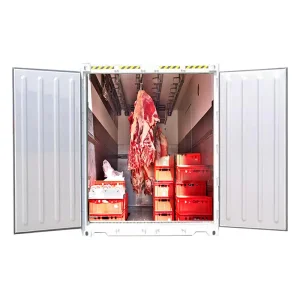
Hanging Meat System
Engineered for dynamic overland transport through Bajío, Sonora, and Veracruz, meeting rigorous USMCA cross-border veterinary controls.
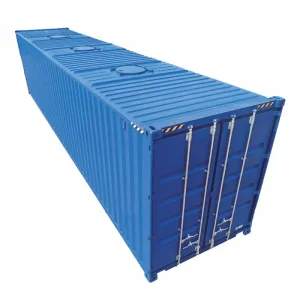
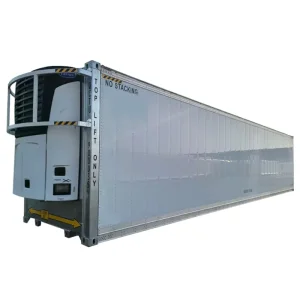
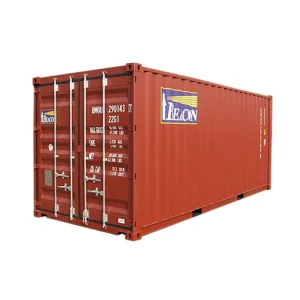
Evaluating structural demands across Mexican livestock regions, export-processing hubs, and cross-border cold chain infrastructure.
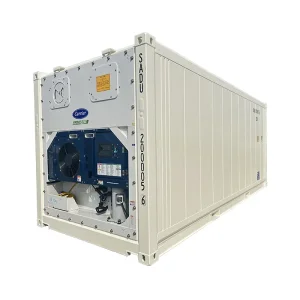
Federal Inspection Type (TIF) slaughterhouses across Jalisco, Sonora, and Nuevo León require strict pathogen containment. Hanging beef carcasses in customized reefer units eliminates floor contact, optimizing natural air circulation and minimizing microbial growth during post-slaughter transit.
With the consolidation of USMCA corridors (Laredo, Otay Mesa, Ciudad Juárez), Mexican beef and pork processors face zero-tolerance cold chain inspections. Intermodal meat-hanging units provide uninterrupted temperature consistency from northern packing houses straight to international markets.
Mexico experiences regional cold storage deficits outside primary hubs like Mexico City, Guadalajara, and Monterrey. Meat-hanging reefers function as flexible micro-hubs, providing temporary cold-room storage directly at municipal abattoirs and transshipment rail yards.
International meat packers demand structural resilience against dynamic braking loads alongside low-GWP refrigerants and deep telematics integration.
Traditional reefer containers are designed for floor-stacked loads. Suspending up to 25 tons of beef carcasses from the roof generates immense kinetic sway and top-heavy center-of-gravity shifts during road transit across rugged topography. Modern ODM designs incorporate reinforced Corten steel overhead I-beams, longitudinal gussets, and high-tensile wall-to-roof tie plates to prevent catastrophic ceiling deflection.
Hanging red meat releases blood, moisture, and fats. Global buyers reject standard flooring in favor of fully welded, marine-grade aluminum extruded T-floors with high-flow perimeter scuppers. Stainless steel interior wall panels (SUS304) and food-grade rail coatings guarantee resistance to harsh chlorinated wash-downs and sanitize-in-place chemical procedures.
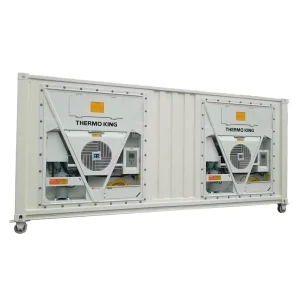
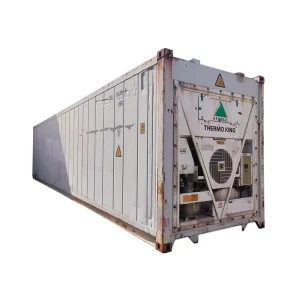
Cross-border freight crossing the Sonoran desert can experience external ambient temperatures exceeding 45°C. Buyers specify units with dual Carrier or Thermo King digital microprocessor controllers featuring wireless GPS/GSM monitoring, logging supply-air, return-air, USDA core-probe pulp temperatures, and door opening telemetry in real time.
Slaughterhouses operate diverse internal overhead monorail systems (round tubular, flat bar, bi-rail). Our ODM designs engineer bi-directional transfer bridges matching local facility rail dimensions, enabling continuous roll-on hook transfer without requiring manual lifting by dock personnel.
Engineered around SENASICA sanitary requirements, Mexican NOM vehicular regulations, and intermodal marine standards.
All container interior surfaces use inert, non-porous materials compliant with SENASICA guidelines. Thermal insulation utilizes cyclopente-blown polyurethane foam free of CFCs, delivering a thermal conductivity under 0.020 W/m·K to eliminate sweating and bacterial condensation.
Mexican highway standards (NOM-012-SCT-2-2017) enforce rigorous weight distribution on dual-trailer (fulles) configurations. Our custom lightweight chassis integration and aluminum roof hook-rails optimize payload margins while maintaining low roll-risk dynamics on federal highways.
Units are issued valid CSC (International Convention for Safe Containers) safety plates inspected by Bureau Veritas (BV). They feature 9-high stacking strength, meeting severe rail shunting forces on Ferromex and Kansas City Southern de México (CPKC) corridors.
Anticipating emissions mandates, solar-diesel hybrid gensets, and automated pneumatic transfer rails for the next decade of transport.
Adapting machinery compressors to drop-in non-ozone-depleting refrigerants, mitigating carbon footprints and preparing operators for North American F-gas mandates.
Integrating low-profile flexible roof solar arrays providing auxiliary power to secondary air handlers and controller units, reducing continuous diesel burn on Mexican highways.
Developing motorized, pneumatically buffered track switchers inside the container roof structure, reducing operator exposure to sub-zero environments during loading.
Pioneering natural R-744 (CO2) transcritical reefer systems in industrial meat container bodies, achieving ultra-deep freezing (-35°C) with negligible environmental impact.
Detailed technical and logistical considerations for commercial buyers, plant managers, and fleet procurement teams.
ISO, DNV-certified, and special refrigeration products manufactured for global supply chains and cross-border logistics.
Connect with our senior engineering team to receive customized meat-hanging rail CAD layouts, thermodynamic performance specifications, and competitive export quotations.
Send Inquiry Now