
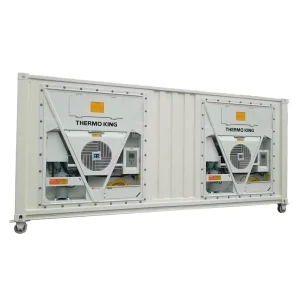
High-Quality The new blast reefer containers are certified by classification societies Manufacturers, Factories
Request Factory Quote
Comprehensive B2B Enterprise Sourcing Architecture, Factory-Direct Matrix & Technical Procurement Guide for ISO Intermodal, Reefer, and Offshore Units.
Factory-calibrated container solutions engineered for harsh marine corridors, rigorous ISO load limits, and specialized cold chain operations.
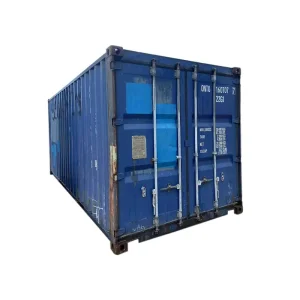
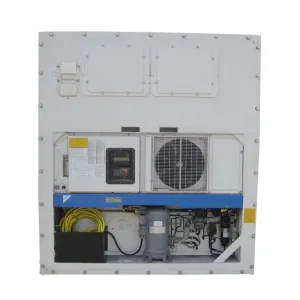
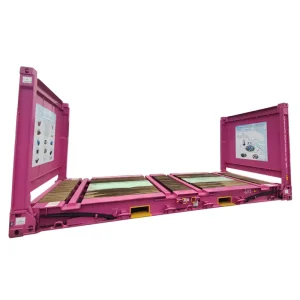
A granular analysis of Corten steel metallurgical properties, protective zinc-rich coatings, and the global macroeconomic landscape of ISO shipping equipment.
Ocean maritime logistics demand high-tensile structural integrity. Units are forged with genuine SPA-H atmospheric corrosion-resistant steel. This micro-alloyed metallurgy builds an adherent protective rust patina under continuous saline exposure, ensuring extreme resistance to buckling, cyclic thermal expansion, and hydrostatic forces experienced in 9-high vessel deck stacking configurations.
Surface finishing incorporates automated shot-blasting to Swedish SA 2.5 cleanliness, followed immediately by an inorganic zinc-rich epoxy primer, an intermediate epoxy barrier, and a polyurethane topcoat. This achieves compliance with ISO 12944 C5-M marine exposure parameters, resisting corrosion caused by chloride ions, salt spray, and extreme UV degradation across transpacific and transatlantic routes.
Every production batch undergoes structural proof-testing under the strict monitoring of independent classification societies, including Bureau Veritas (BV), Det Norske Veritas (DNV), and ABS. From CSC safety plate issuance to ISO 1496/1 load deflection trials, units deliver unquestionable regulatory clearance across global maritime transshipment hubs.
How clustered industrial hubs and port proximity optimize capital expenditure and deliver compressed lead times for institutional fleet acquisitions.
With strategic dual manufacturing centers in Tianjin and Suzhou, completed equipment sits within 100 km of primary container terminals. This eliminates redundant drayage fees, mitigates empty positioning surcharges, and guarantees seamless integration with major transoceanic line-haul schedules.
Direct procurement of domestic high-grade steel, marine-grade bamboo/hardwood flooring, and industrialized chemical sealants ensures absolute raw material traceability while shielding global buyers from acute international commodity price spikes.
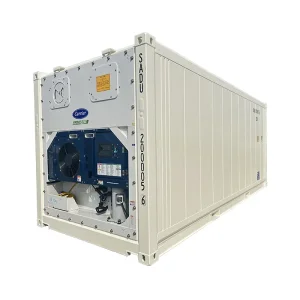
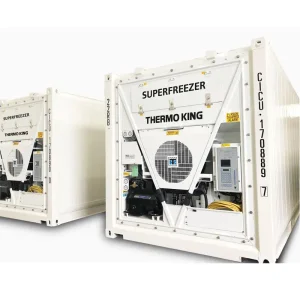
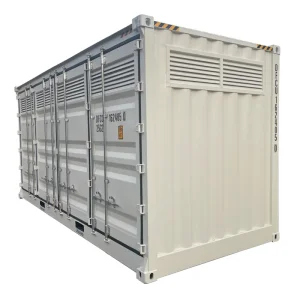
Beyond standard dry boxes, in-house technical teams execute bespoke designs including multi-temperature reefer configurations, blast freezers, open-top side-access hatches, dangerous goods containment, and platform-grade offshore skids with full CAD/FEA verification.
Continuous automated assembly, robotic seam welding, and computerized baking chambers enable seamless transitions between small-batch specialized engineering runs and multi-thousand-TEU commercial carrier deployment contracts.
Baseline engineering parameters and volume procurement price brackets. Actual rates adjust based on steel index benchmarks and tier-one refrigeration unit configurations.
| Equipment Classification | External Dimensions (L × W × H) | Tare Weight | Max Payload | Internal Volume | Indicative Price Bracket (FOB China) |
|---|---|---|---|---|---|
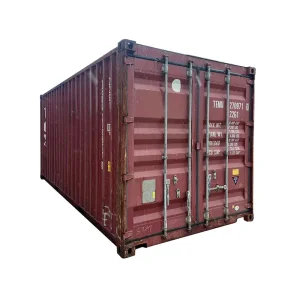
| 20ft General Purpose Dry (20GP) | 6,058 × 2,438 × 2,591 mm | 2,180 kg | 28,300 kg | 33.2 m³ | $1,650 – $2,300 (New) / $950 – $1,400 (Used) |
| 40ft General Purpose Dry (40GP) | 12,192 × 2,438 × 2,591 mm | 3,700 kg | 26,780 kg | 67.7 m³ | $2,700 – $3,400 (New) / $1,450 – $1,950 (Used) |
| 40ft High Cube Dry (40HC) | 12,192 × 2,438 × 2,896 mm | 3,900 kg | 26,580 kg | 76.3 m³ | $2,900 – $3,750 (New) / $1,600 – $2,250 (Used) |
| 20ft Refrigerated Container (20RF) | 6,058 × 2,438 × 2,591 mm | 2,980 kg | 27,500 kg | 28.3 m³ | $8,500 – $12,500 (Daikin/Carrier) |
| 40ft High Cube Reefer (40HR) | 12,192 × 2,438 × 2,896 mm | 4,480 kg | 29,520 kg | 67.6 m³ | $11,800 – $17,500 (Thermo King/Carrier) |
| 20ft DNV Offshore Cargo Unit | 6,058 × 2,438 × 2,591 mm | 4,100 kg | 15,900 kg | 29.5 m³ | $4,800 – $7,200 (Includes Slings & Shackles) |
| 20ft Platform / Flat Rack | 6,058 × 2,438 × 2,591 mm | 2,750 kg | 31,250 kg | Open Frame | $3,200 – $4,600 (Fixed/Collapsible End) |
*Note: Pricing scales dynamically according to raw steel market indices (Corten), machinery brand selection, and multi-unit shipping volume tiers.
From digitalized cold chain visibility to modular energy storage systems (BESS), modern maritime containers extend far beyond conventional cargo movement.
Surging renewable deployment has accelerated the integration of customized 20ft and 40ft ISO shells into Battery Energy Storage Systems (BESS). Specialized structural framing, internal fire-suppression insulation, explosion vents, and liquid-cooling piping convert standard containers into transportable microgrid sub-stations.
Modern pharmaceutical and high-value perishables logistics require microclimate stability. Advanced reefer production integrates multi-sensor IoT telematics providing real-time GPS tracking, internal temperature recording, controlled atmosphere (CA) gas equilibrium regulation, and proactive machinery fault diagnosis.
Chemical distribution logistics demand stringent environmental protection. Chemical containment modifications feature spark-proof electrical units, forced ventilation vents, leak-trapping grated drip pans, and explosion-resistant side-opening door systems compliant with IMDG hazardous transport classifications.
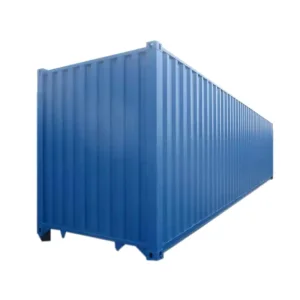
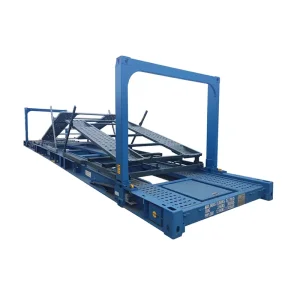
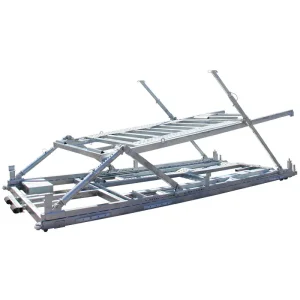
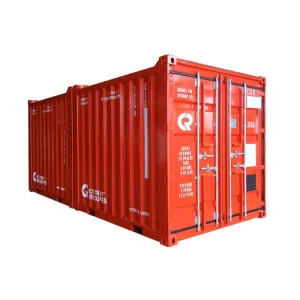
Heavy structural frames, offshore certified modules, vehicle transport units, and liquid container solutions ready for global distribution.
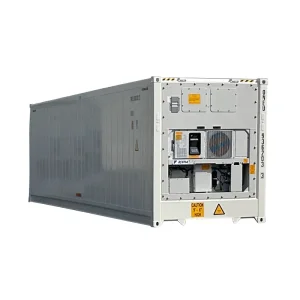
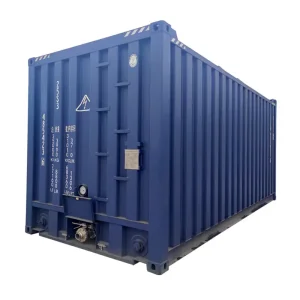
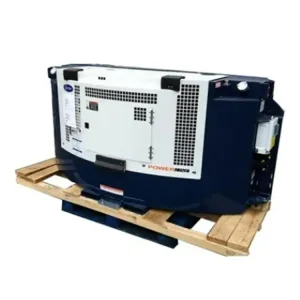
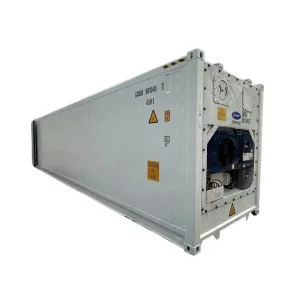
Clear, authoritative guidance on technical validation, certification, cross-border shipping logistics, and lifecycle asset management.
Every intermodal container manufactured for ocean carriage must bear a valid CSC (International Convention for Safe Containers) safety approval plate. This plate contains verified testing data including maximum gross weight, stacking capability (typically 216,000 kg for 9-high stacks), racking test forces, and certifying classification authority marks (e.g., BV, ABS, DNV, or LR).
Unlike standard ISO shipping units, DNV 2.7-1 certified offshore containers are engineered for dynamic marine lifting under high-sea-state conditions. They feature thicker primary structural steel, Charpy V-notch impact-tested materials capable of withstanding -20°C brittle fractures, permanently integrated lifting pad eyes, and specialized 4-point wire rope sling assemblies.
The selection among Thermo King, Carrier, or Daikin depends on the cargo profile, voyage duration, and regional port maintenance access. Thermo King units deliver superior pull-down speeds ideal for volatile agricultural produce, Carrier Transicold offers unmatched universal parts availability globally, and Daikin provides precise scroll-compressor temperature stability suited for pharmaceuticals.
Clients can procure containers under standard FOB/CIF ocean terms, or utilize "One-Way Shipper Owned Container (SOC)" freighting. Under SOC arrangements, the newly manufactured container carries commercial dry cargo on its maiden export voyage to the buyer's destination port, eliminating empty ocean positioning costs and saving significant capital.