
Primary Intermodal Fleet & Cold-Chain Inventory
Explore high-demand ISO, reefer, cryogenic, and modular container configurations manufactured in our ISO/BV-certified Tianjin and Suzhou production centers.

Famous TK SLXI Mobile power generation trailer cooling unit Product, Manufacturers
View Factory Specs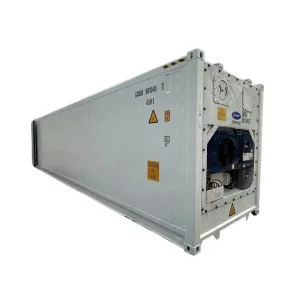
Buy Ninety Percent New Used 40ft HC Carrier Refrigerated Container Product, Quotes
Get Instant Quote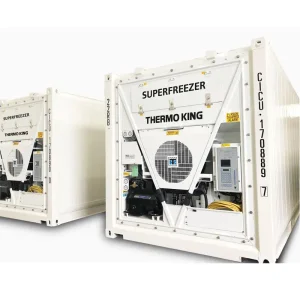
OEM New Deep Freezer Refrigerator Container For Sale Factory, Quotes
Request Custom Drawing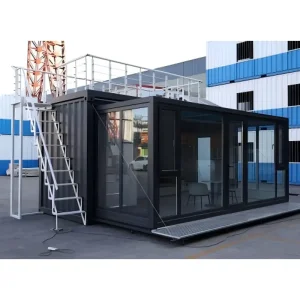
Famous 20ft Foldable Prefab Modular Homes Mobile Expandable Container House Prefabricated House with Bathroom Manufacturer, Exporters
Download Floorplans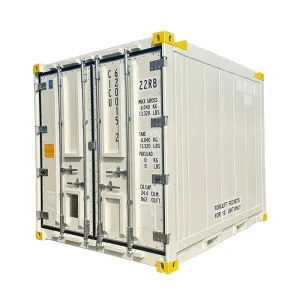
High-Quality New 10ft Certified Thermo King Freezer Container Exporter, Manufacturers
Inspect Certificate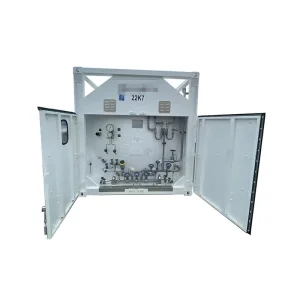
Famous T75 20ft Cryogenic Liquid Tank Container Products, Exporters
ASME & IMDG Specs
ODM The Smart Chain Cold Storage 20ft40ft Solar Refrigerated Container 220V With DC Inverter Unit Pricelist, Exporters
Solar Inverter Pricelist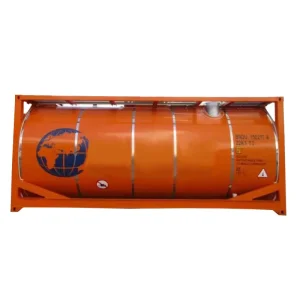
China 20 Foot ISO Liquid Tank Container for Water Manufacturer, Product
Food Grade StandardsThe Mechanics of China's Container Manufacturing Dominance
Over 90% of global intermodal cargo containers originate from Chinese industrial manufacturing clusters. Understanding this supply ecosystem unlocks direct cost and engineering leverage for global procurement directors.
Since the industrialization boom in 1983, China’s container manufacturing infrastructure has matured from basic assembly workshops into highly integrated cyber-physical manufacturing clusters. With headquarters and advanced manufacturing hubs located in Tianjin and Suzhou, our manufacturing operations capitalize on unprecedented metallurgical proximity. Tianjin serves as the northern maritime hub directly linked to Bohai Rim steel foundries (supplying high-tensile Corten-A weathering steel), while Suzhou anchors our Eastern Yangtze River Delta R&D corridor, offering precision thermal, cryogenic, and automation components.
For international supply chain directors, procurement through direct Chinese factories is no longer just an arbitrage on labor costs—it is a strategic alignment with an unbroken manufacturing chain. Raw raw-ore smelting, automated roll-forming, robotic continuous-seam gas metal arc welding (GMAW), high-pressure polyurethane (PU) insulation injection, and shot-blasting surface pre-treatments take place within a concentrated 100-kilometer industrial corridor. This hyper-dense industrial fabric completely eliminates cross-border component latency and insulates buyers from sub-tier supply chain disruptions.
Corten-A Metallurgical Superiority
Structural framework panels leverage SPA-H Corten atmospheric corrosion-resistant steel. Exposure to atmospheric elements creates a self-regenerating micro-oxide passivation layer, mitigating oceanic salt-spray degradation and providing a 15–20 year operational service envelope.
Integrated Robotics & Tooling
Fully automated roll-forming and robotic multi-axis welding guarantee corner casting tolerances to within ±1.5mm across all 40ft/20ft vertices, complying strictly with ISO 668 and ISO 1161 structural deflection and twistlock locking metrics.
Direct Port-Side Marshalling
Manufacturing facilities located under 100km from Tianjin Port and Shanghai Port drastically curtail deadhead drayage costs, granting container buyers seamless FOB, CIF, or DDP vessel stowage with real-time port-terminal gate-in synchronization.
China 24 Container Pricelist & Technical Benchmark
Comprehensive benchmark pricing for standard ISO, specialized cold-chain, hazardous liquid, and offshore units. Dynamic rates reflect current Corten-A indices, insulation foaming costs, and marine machinery options.
| Container Classification | Dimension & Footprint | Material / Power Architecture | Regulatory Standard | FOB China Factory Price (USD) | Target Industry / Application |
|---|---|---|---|---|---|
| 20ft Standard Dry Cargo (20GP) | 20' x 8' x 8'6" (33.2 m³) | Corten SPA-H / 28mm Marine Plywood | ISO 1496-1 / BV / CSC | $1,750 – $2,300 | Dense minerals, machinery, general breakbulk cargo |
| 40ft High-Cube Dry Cargo (40HC) | 40' x 8' x 9'6" (76.3 m³) | Corten SPA-H / Anti-corrosion coating | ISO 1496-1 / ABS / CCS | $2,850 – $3,650 | Volumetric consumer goods, e-commerce, modular builds |
| 40ft HC Certified Reefer Container | 40' x 8' x 9'6" (67.6 m³) | SUS304 Stainless / Thermo King or Carrier | ATP / BV / ISO 1496-2 | $12,800 – $17,500 | Perishable agriculture, pharmaceuticals, meat/seafood |
| 40ft Daikin Deep-Freezer Cold Room | 40' x 8' x 9'6" (Ultra-Low) | Cyclopentane PU Foam / Daikin Scroll | TIR / CE / CSC | $14,200 – $18,900 | Deep-frozen tuna, biological vaccines (-35°C to -60°C) |
| T75 20ft Cryogenic Tank Container | 20' x 8' x 8'6" (20,000–22,000L) | Inner S30408 / Outer Q345R Vacuum Multi-layer | ASME U / IMDG / ADR | $28,500 – $42,000 | LNG, Liquid Nitrogen, Argon, Liquid CO2 transport |
| DNV 2.7-1 Offshore Dry Cargo Unit | 10ft / 20ft Ruggedized | Charpy V-Notch Impact Steel (-20°C Test) | DNV GL 2.7-1 / EN 12079 | $6,800 – $10,500 | Offshore exploration, subsea drilling platform supplies |
| 20ft ISO Stainless Liquid Tank (T11) | 20' Frame (24,000–26,000L) | 316L Stainless Steel / PTFE Gaskets | IMDG Type T11 / RID / US DOT | $14,500 – $19,200 | Food-grade liquids, spirits, specialty industrial chemicals |
| 20ft Foldable Expandable Modular Home | 20ft Expandable to 37 m² | Galvanized Tube Frame / PIR Sandwich Walls | CE / Australian AS3000 | $5,200 – $8,900 | Rapid-deploy remote housing, mining camps, disaster aid |
| Used 40ft HC Cargo-Worthy (CW) Units | 40' x 8' x 9'6" (Inspected) | Original OEM Steel / Minor Scuffs / CSC Valid | IICL-5 / Cargo-Worthy | $1,350 – $1,950 | Secondary land storage, one-way international export |
Underlying Cost Drivers & Index Volatility Analysis
Industrial container pricing in China is strictly indexed to four primary cost drivers: Raw Corten-A Coil Index (accounting for ~52% of standard dry box manufacturing outlays), Refrigeration Machinery Brand (Carrier Transicold, Thermo King Magnum Plus, or Daikin LXE series driving up to 60% of cold chain Capex), Marine-Grade Floor Substrates (28mm Apitong hardwood vs. high-density composite bamboo), and Environmental Volatile Organic Compound (VOC) Coatings (waterborne zinc-rich primers mandated by Chinese environmental safety regulators).
Global procurement teams can lock in batch pricelists through forward metallurgical hedging agreements or by ordering during Q1/Q4 capacity rebalancing cycles when Chinese fabrication yards normalize production schedules.
Enterprise Procurement Matrix: Mitigating Total Cost of Ownership (TCO)
Purchasing commercial shipping containers requires cross-functional technical scrutiny. Discover the key audit protocols verified by leading ocean shipping lines, mining conglomerates, and cold-chain operators.
Structural Load-Bearing & Stacking Stress Verification
ISO 1496 mandates that standard intermodal boxes withstand an 86,400 kg corner post compression test, allowing nine-high fully loaded stacking on 24,000 TEU mega-container vessels. During OEM factory line trials, our QA inspectors verify elastic yield parameters and ensure underfloor crossmember thickness never falls below 4.0mm to eliminate chassis sag during heavy axle forklift maneuvers.
CSC Safety Approval & Classification Society Surveying
Every commercial container intended for interchange must hold a valid International Convention for Safe Containers (CSC) data plate certified by Bureau Veritas (BV), ABS, Lloyd’s Register (LR), or China Classification Society (CCS). Inspections evaluate door locking-bar engagement, EPDM weather gasket seals, floorboard shear strengths, and floor watertightness via high-pressure light-leakage and water jet tests.
Reefer Thermal Heat Leakage (K-Factor) Performance
When procuring refrigerated equipment, energy consumption accounts for over 70% of lifecycle cost. Our cold storage reefers feature zero-ozone-depletion cyclopentane-blown polyurethane foam insulation injected at a density of 42–45 kg/m³. By maintaining a verified overall heat transfer coefficient (K-value) below 0.38 W/(m²·K), our units substantially reduce compressor runtime on Thermo King, Daikin, and Carrier cooling plants, shielding fleet operators from skyrocketing maritime and shoreside electricity tariffs.
International Regulatory Assurances & Testing Protocols
Navigating global border customs, transport regulations, and environmental directives requires multi-jurisdictional compliance stamped directly at our factory floor.
DNV 2.7-1 / EN 12079
Mandatory for offshore oil and gas lifting. Units feature reinforced pad eyes, structural non-destructive testing (NDT), and Charpy impact resilience at -20°C or -40°C to withstand extreme North Sea drop dynamics.
Customs Convention (TIR)
Customs-sealed doors engineered with tamper-proof rivet fastenings, ensuring zero unauthorized access across international highway frontiers throughout Eurasia, Africa, and the Middle East.
ATP Certified Sanitation
Food hygiene compliance utilizing laser-welded food-grade stainless interiors (SUS304/SUS316L) and aluminum T-bar airflow decking that withstand aggressive CIP chemical steam cleaning without pitting.
ASME Section VIII & IMDG
Cryogenic T75 and liquid T11 tanks undergo hydrostatic pressure tests, helium mass-spectrometer vacuum leak screening, and ASME stamp endorsements for hazardous chemical compliance.
Container Engineering Horizons: IoT, Decarbonization & Modularization
The industrial shipping container is shifting from a passive steel envelope to an intelligent, climate-aware, energy-positive logistics terminal.
Autonomous IoT Telematics
Edge-computing sensor arrays monitor internal temperature, relative humidity, oxygen/CO2 concentrations, shock loading (G-force), and geographic coordinates via 5G and L-band satellite constellations.
Solar-Assisted Hybrid Energy Storage
Roof-integrated flexible monocrystalline solar cells coupled with LiFePO4 battery buffers provide standalone cold storage power, extending holding times by up to 72 hours without external diesel gensets.
Prefabricated Modular Expansion
High-cube architectural shells engineered to pass strict Western residential and commercial building codes, integrating hydronic heating, pre-wired smart building automation, and certified R-30 fire-resistant thermal barriers.
Specialized Field Deployments Across Global Environments
From sub-zero mining extraction corridors to extreme equatorial humidity, explore engineered container modifications across mission-critical industries.
Sub-Arctic Oil & Gas Camps
Equipped with thermal-break double wall construction, arctic-grade lubricants in locking hinges, and high-wattage floor heating systems engineered to operate down to -50°C in Northern Canada and Siberia.
Equatorial Perishable Cold Chains
Dual-redundant refrigeration compressors combined with heavy-duty dehumidification loops protect pharmaceutical and tropical agricultural shipments across West Africa, Southeast Asia, and Central America.
Remote Defense & Emergency Hubs
Hydraulically expanding 20ft and 40ft units that triple in floor area within 15 minutes, serving as field hospitals, tactical control rooms, or cleanrooms complete with HEPA filtration arrays.
Special Purpose, Liquid Transport & Modular Living Catalog
Engineered configurations including soft-open tops, high-yield food-grade alcohol tanks, offshore DNV equipment, and second-life certified cargo boxes.
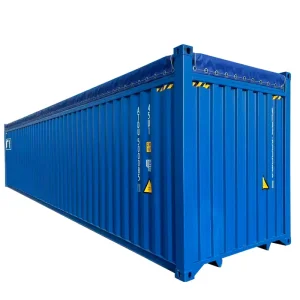
Buy 40ft High-Cube New Soft Open Top Shipping Container with Tarpaulin Cover Manufacturer, Product
View Tarpaulin Specs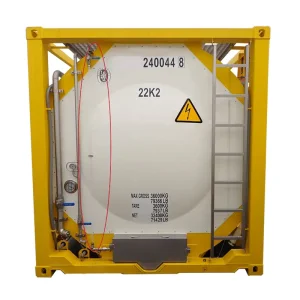
ODM 20ft Tank Container for Alcohol Manufacturer, Quotes
Inquire Chemical Grade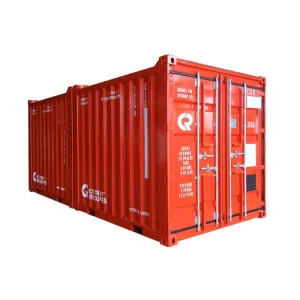
Buy New DNV Certification Offshore Dry Cargo Container Factory, Product
Verify DNV Slings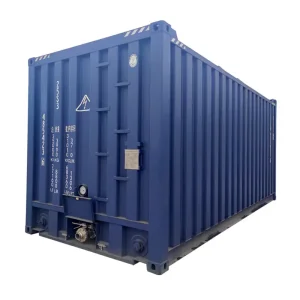
Buy New 20ft Square Liquid Container Factory, Product
Check Capacity (L)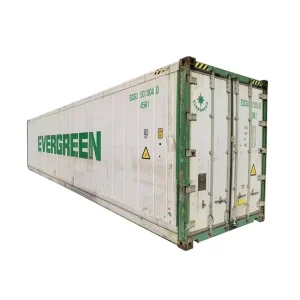
Buy Used 40ft HC Shipping Reefer Container Manufacturers, Exporters
Port Yard Stock List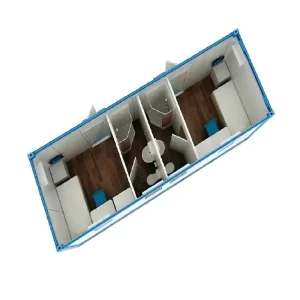
Famous 20ft 40ft Standard Size Accommodation Modular House Container Exporter, Products
Modular Plan PDF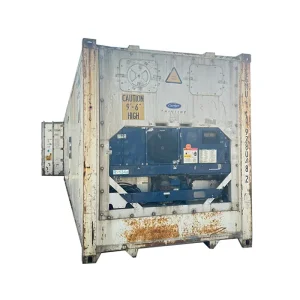
China Used 40ft High-Cube Certified Reefer Container Pricelist, Exporter
Pre-Trip Inspection (PTI)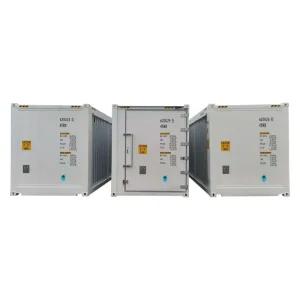
China OEM 40ft High-Cube Customized Three-in-One Combination Reefer Storage Container Manufacturer, Quotes
Custom Multi-Zone QuoteFrequently Asked Questions: Global Sourcing & Engineering
Authoritative answers directly from our factory production engineers and export logistics team in Tianjin and Suzhou.
What is the typical production lead time for bulk ISO and custom containers from China?
For standard dry freight containers (20GP, 40GP, 40HC), standard manufacturing cycle times run between 14 to 21 calendar days for batches up to 100 TEUs, leveraged by automated welding production lines. Specialized orders—such as DNV 2.7-1 offshore boxes, T75 cryogenic tanks, or multi-compartment refrigerated containers—typically require 30 to 45 calendar days. This timeframe includes CAD drawing sign-off, structural pre-fabrication, third-party classification surveying (BV, ABS, or CCS), and full Pre-Trip Inspections (PTI).
How do factory-direct warranties operate for overseas container buyers?
New dry cargo containers carry a standard 5-year structural warranty covering all Corten-A seam welds, structural crossmembers, and corner castings against metallurgical failure and rust perforation. Specialized refrigeration units (Thermo King, Carrier Transicold, and Daikin) feature their respective global OEM manufacturer warranties spanning 3 to 5 years, supported by global service networks across major seaports worldwide. Refurbished and used cargo-worthy (CW) containers undergo strict IICL-5 structural inspections and are backed by a certified watertight guarantee upon vessel departure.
Can containers be loaded with export cargo (One-Way Shipper-Owned Container / SOC)?
Yes. Over 75% of our international fleet buyers procure units under Shipper-Owned Container (SOC) terms. Instead of repositioning empty containers, our export team coordinates with your Chinese freight forwarders or export suppliers to deliver the newly built or inspected containers to their domestic consolidation warehouses. The containers are then loaded with your commercial goods and shipped to your destination port, effectively reducing your ocean freight positioning cost to zero.
What third-party quality certifications accompany each container shipment?
Every individual container leaving our Tianjin or Suzhou yard is accompanied by an original CSC Safety Approval Certificate, a Bureau Veritas (BV) or China Classification Society (CCS) Manufacturer's Certificate, a Customs TIR Approval, and an authentic serialized data plate stamped onto the container door. For food-grade reefers, an ATP certificate is provided; for hazardous tanks, ASME code stamps, IMDG approvals, and 2.5/5-year hydro-test documentation are supplied directly with the customs clearance dossier.
What is the difference between Used Cargo Worthy (CW) and IICL-5 container grades?
Cargo Worthy (CW) containers guarantee that the container structure meets minimum maritime safety standards: wind-and-watertight, functional door gaskets, and structurally sound corner posts capable of ocean transit. IICL-5 (Institute of International Container Lessors) is a far more stringent standard that enforces tight tolerances on dent depths (under 25mm), floor gouging, and frame straightness. IICL-5 containers offer superior cosmetic condition and a considerably longer remaining service life for demanding lease-fleet operations or high-end architectural conversion projects.
How can customized OEM/ODM modifications be initiated with CIMIC?
Our engineering design department accepts custom inquiries based on initial 3D STEP files, 2D architectural drawings, or technical specification briefs. Within 48 hours, our engineers issue a comprehensive General Arrangement (GA) drawing outlining structural framework gauges, load distributions, thermal insulation layers, and door cut-outs. Following digital sign-off and prototype approval, full fabrication tooling commences with strict stage-gate quality milestones.