Featured Equipment: Modular, Special & Intermodal Units (Batch 01)
Direct manufacturer deployment of specialized modular builds, automotive racks, liquid transports, and ISO-dimensioned equipment.
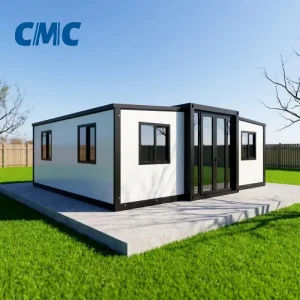
OEM 20ft Modular Container Houses Expandable Steel Container House Excellent Thermal Insulation and Sealing Performance
Inquire Specifications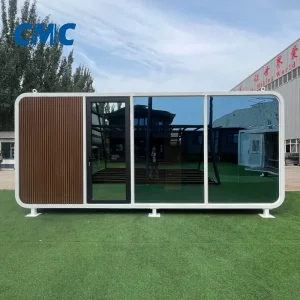
Famous 20ft Prefab Container House Flat Pack Modular House Office Tiny House Outdoor Apple Cabin Pod
Inquire Specifications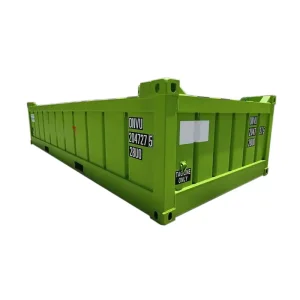
ODM New DNV Certification Offshore Half-Height Open Top Container Products, Offshore Grade
Inquire Specifications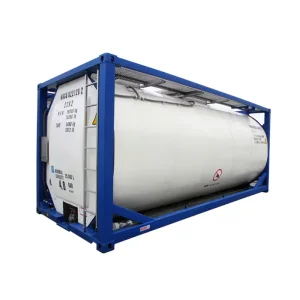
Buy ISO Standard 20ft Versatile Tank Container for Transport Chemicals Exporter, Certified Pressure Vessel
Inquire Specifications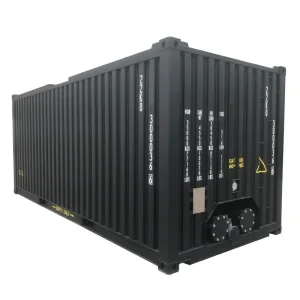
China 20 Feet Heated Shipping Asphalt Container Exporter, Integrated Heating Coils
Inquire Specifications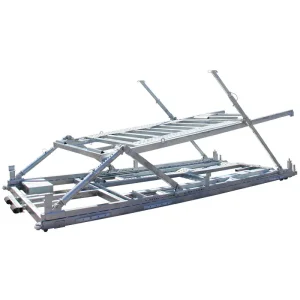
China Vehicle Transport Rack Product, High-Density Multi-Tier Automotive Loading Cassette
Inquire Specifications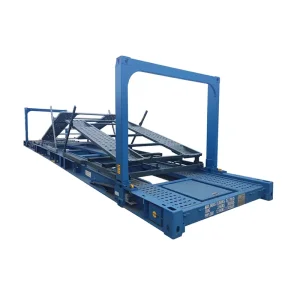
China New 20ft Car Carrier Container Special Container Exporter Quotes, Roll-on Internal Ramps
Inquire Specifications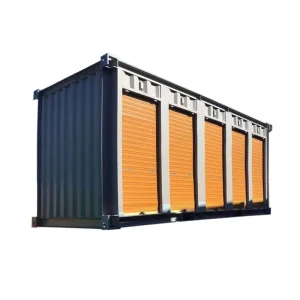
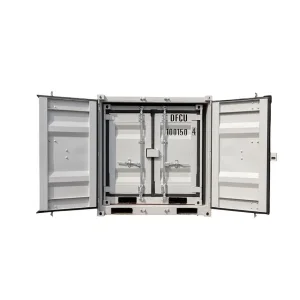
OEM New 20ft Storage Roll-Up Door Dry Cargo Container Pricelist, Easy Urban Ingress Access
Inquire SpecificationsGlobal Commercial & Industrial Landscape
Analyzing macroeconomic shifts, fleet renewal patterns, and why Chinese manufacturing ecosystems remain the linchpin of global shipping capacity.
Intermodal Fleet Structural Dynamics
The standard 40 Ft Sea Container (40GP and 40HC) represents over 72% of total maritime containerized capacity by TEU. Global carrier alliances and leasing conglomerates demand precise dimensional tolerances and structural longevity capable of withstanding 9-high fully loaded stacking on Ultra Large Container Vessels (ULCVs).
- Shift toward 40ft High Cube dominance for retail and FMCG
- Accelerated decommissioning cycles for pre-2010 ISO steel boxes
- Stringent TIR and CSC plating audit requirements across border terminals
Geopolitical Supply Chain Diversification
While emerging assembly hubs attempt intermodal fabrication, China controls over 90% of global dry container output. This position is supported by deep vertical integration—from domestic blast-furnace weathering Corten steel production to high-speed automated robotic welding lines in coastal hubs like Tianjin and Suzhou.
- Tianjin port integration eliminates multi-stage feeder delays
- Integrated local supply loops for cast corner castings and locking gears
- Scalable line switching between standard dry boxes and reefer conversions
Energy Transition & Special Cargo Surges
The demand for intermodal containers has moved well beyond dry retail cargo. Containerized Battery Energy Storage Systems (BESS), mobile hydrogen electrolysis skids, and agricultural cold-chain expansion require factory-level reinforced base channels, thermal bridging barriers, and specialized side openings directly from the manufacturing line.
- Structural pre-engineering for megawatt-hour energy integration
- Specialized cold-chain insulated panels reducing HVAC thermal cycles
- Multi-modal ISO interoperability across rail, barge, and road corridors
Localized Application Engineering & Conversions
Translating standard marine steel structures into targeted infrastructure solutions for challenging geographical environments.
Sub-Saharan Agricultural Cold Chains
In developing agro-logistics across East and West Africa, 40-foot sea containers fitted with integrated solar PV arrays and hybrid inverter generators serve as stationary farmgate packhouses. Minimizing post-harvest spoilage for avocado, mango, and cut-flower exporters, these modular deployments eliminate the need for costly brick-and-mortar refrigeration infrastructure.
Nordic Off-Grid Data & BESS Enclosures
Equipped with thermal-break rockwool cladding, passive ventilation baffles, and internal fire-suppression raceways, custom 40HC shells operate as modular edge data hubs and battery stabilization cells in Northern Europe and Canada, resisting ambient sub-zero temperatures down to -40°C without core structural brittleness.
Middle Eastern High-Ambient Mining Skids
Heavy-duty, floor-reinforced offshore and land-based conversions built with sand-trap ventilation dampers, zinc-rich epoxy primers, and UV-reflective polyurethane topcoats. Operating reliably in GCC desert zones where direct surface heat exceeds 60°C, these units house remote chemical dosing skids and site workshops.
Technical Specifications & Structural Matrix
Comprehensive engineering dimensional chart across general cargo, high cube, and cold-chain refrigerated variations.
| Dimensional Metric | 40 Ft Standard Dry (40GP) | 40 Ft High Cube (40HC) | 40 Ft High Cube Reefer (40RH) | 40 Ft Open Top / Special |
|---|---|---|---|---|
| External Dimensions (L × W × H) | 12,192 × 2,438 × 2,591 mm 40'0" × 8'0" × 8'6" |
12,192 × 2,438 × 2,896 mm 40'0" × 8'0" × 9'6" |
12,192 × 2,438 × 2,896 mm 40'0" × 8'0" × 9'6" |
12,192 × 2,438 × 2,591 mm (Removable Soft/Hard Top) |
| Internal Dimensions (L × W × H) | 12,032 × 2,352 × 2,393 mm | 12,032 × 2,352 × 2,698 mm | 11,583 × 2,290 × 2,544 mm | 12,020 × 2,342 × 2,380 mm |
| Internal Usable Volume | 67.7 m³ (2,390 cu.ft) | 76.4 m³ (2,698 cu.ft) | 67.3 m³ (2,376 cu.ft) | 65.8 m³ (2,323 cu.ft) |
| Max Gross Weight (Rating) | 30,480 kg (67,200 lbs) / 32,500 kg | 30,480 kg / 32,500 kg opt. | 34,000 kg (74,950 lbs) | 30,480 kg |
| Average Tare Weight | 3,740 kg (8,245 lbs) | 3,900 kg (8,598 lbs) | 4,600 kg (10,140 lbs) | 3,950 kg (8,708 lbs) |
| Primary Steel Metallurgy | SPA-H Corten Anti-Corrosion | SPA-H Corten High Yield | Corten Outer / SS304 Inner | Heavy-Duty Corten + Tarpaulin |
| Flooring Configuration | 28mm Marine Hardwood Plywood | 28mm Marine Plywood / Steel opt. | Extruded Aluminum T-Floor | Treated Keruing / Bamboo Plywood |
Chinese Supply Chain Resilience & Production Advantages
Why Tier-1 Chinese container exporters maintain decisive leadership in delivery speed, metallurgy, and cost management.
Port-Co-Located Fabrication Hubs
Tianjin Cimic operations sit inside primary coastal logistics perimeters—under 100 km from Tianjin Xingang Port. This operational footprint removes deep-inland drayage costs, prevents chassis repositioning delays, and allows rapid vessel staging.
Raw Material Security & Steel Parity
Direct allocation partnerships with major domestic mills guarantee continuous runs of high-tensile SPA-H atmospheric corrosion-resistant steel. This insulates procurement contracts from sudden raw material price shocks and avoids low-grade substitution risks.
Automated Surface Passivation
Modern production facilities run multi-nozzle shot-blasting machines achieving Swedish Standard Sa 2.5 cleanliness. Automated paint booths apply zinc-rich shop primers, waterborne epoxy mid-coats, and polyurethane top-coats without human overspray error.
Integrated Engineering Support
Every OEM and ODM conversion request receives dedicated engineering support. Structural calculations, FEA corner stress analyses, and CAD/BIM dimensional prints are finalized before production lines start tooling, eliminating costly on-site assembly adjustments.
Technology Roadmap & Future Material Evolution
The strategic innovation vector shaping container production toward 2030 and beyond.
Waterborne Eco-Coating
Industry-wide transition from traditional solvent systems to zero-VOC waterborne paint coats. Lowers industrial carbon footprints while exceeding 1,000-hour ASTM B117 salt spray anti-corrosion tests for offshore applications.
Smart IoT Telemetry Integration
Embedded structural health and micro-climate sensors directly integrated into top-side structural rails. Provides continuous tracking of internal humidity, reefer compressor currents, door open-close cycles, and multi-axis G-force impact shocks.
Composite Hybrid Architectures
Floor pan and side post optimization using carbon-fiber-reinforced polymers (CFRP) and recycled PET core insulation boards. Reduces container tare weight by up to 14%, increasing vessel cargo payloads under gross weight caps.
End-to-End Robotic Production
Fully automated smart factories with machine-vision weld inspection, adaptive laser beveling, and automated guided vehicles (AGVs) transporting modules through drying tunnels for consistent quality control.
Global Compliance, Certification & Buyer Protections
Navigating international maritime registries, class approvals, and verified import documentation workflows.
Classification Society Approvals
Every newly built series carries individual type-test certifications verified on-site by class surveyors. CIMIC containers meet Bureau Veritas (BV), American Bureau of Shipping (ABS), Lloyd's Register (LR), or Det Norske Veritas (DNV) standards according to deployment requirements.
CSC & Customs TIR Compliance
Stainless steel CSC (International Convention for Safe Containers) data plates are riveted directly to left door skins. They clearly display approved gross weights, stacking capabilities (up to 216,000 kg), transverse racking values, and timber treatment compliance markings (Australia quarantine compliant).
Pre-Shipment Factory Audits
International buyers or designated third-party agencies (SGS, TÜV) have access to full light-leak inspections, dimensional checks with calibrated lasers, weld non-destructive testing (NDT), and reefer temperature pulldown verifications before port transfer.
Frequently Asked Questions (FAQ)
Expert answers addressing technical configurations, order minimums, warranty structures, and customs documentation.
What types of shipping containers does CIMIC supply?
We manufacture and export reefer (refrigerated) containers, dry cargo containers, offshore containers, insulated containers, tank containers, modular containers, and special containers such as side-open-door, roll-up-door, and open-top units. Used reefer and used dry containers are also available across multiple coastal China container yards.
Can you build customized OEM/ODM containers?
Yes. We accept tailor-made OEM and ODM orders. Our engineers review your cargo, route, and operating environment, then confirm a drawing covering size, door configuration, insulation, refrigeration unit, and finish before production begins.
Which certifications and standards do your containers meet?
CIMIC holds a BV (Bureau Veritas) shipping certificate and an ISO quality certificate. Standard units follow ISO container dimensions, and our offshore dry cargo containers are manufactured in line with DNV certification requirements for offshore service.
Which refrigeration unit brands are available for reefer containers?
Our reefer range includes models fitted with Thermo King, Daikin, and Carrier refrigeration units, offered in 10ft, 20ft, 20ft high-cube, 40ft, and 40ft high-cube sizes depending on the model.
Where are your used containers located?
Our second-hand containers are stored at various ports in China. We share condition details and photos of the specific units on request so you can approve them before shipment.
Where is CIMIC located and which markets do you serve?
We operate from Tianjin and Suzhou, China, about 100 km from the seaport. Our containers are exported worldwide, with Africa, Europe, and the Americas as our main markets.
What is the typical production lead time for bulk 40ft sea container orders?
Standard dry ISO units run on automated cycles and can ship in 2 to 3 weeks for batches of 50 to 500 TEU. Specialized conversions, custom-engineered side doors, or specific DNV offshore structural units require 4 to 6 weeks for material staging, tool configuration, and Class surveyor sign-off.
How are 40ft units delivered internationally to minimize deadhead freight costs?
We work directly with major ocean carriers using One-Way Lease (Cabotage/Shipper Owned Container - SOC) frameworks. In this setup, newly built 40ft containers carry clean export cargo to your destination port, significantly lowering repositioning costs compared to moving empty boxes.
Featured Equipment: Reefer, Dry Bulk & Heavy Offshore (Batch 02)
Specialized reefer variants, bulk equipment, hanging meat systems, and modular units available directly from production runs.
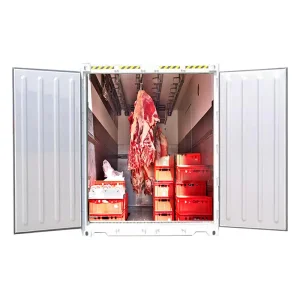
High-Quality Brand New Hanging Meat Container for Low Temperature Fresh Transportation Pricelist
Inquire Specifications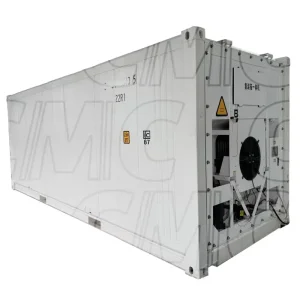
ODM The Smart Chain Cold Storage 20ft/40ft Solar Refrigerated Container 220V With DC Inverter Unit Pricelist
Inquire Specifications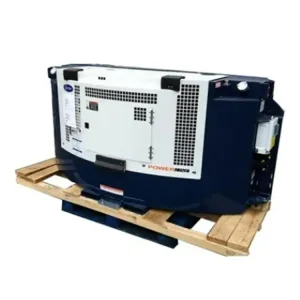
China Refrigerated Container Clip-On Diesel Generator Exporter Quotes, Autonomous Power Skid
Inquire Specifications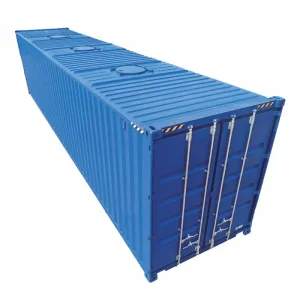
Buy 20 Feet Shipping Bulk Container Manufacturer, Gravity Discharge Roof Hatches
Inquire Specifications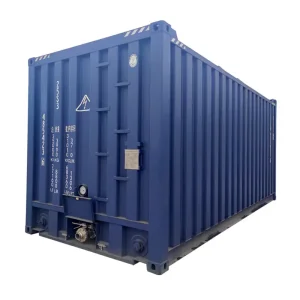
Buy New 20ft Square Liquid Container Factory Product, ISO Multi-Trip Liquid Logistics
Inquire Specifications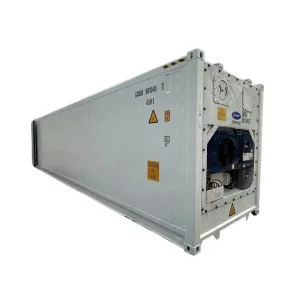
Buy Ninety Percent New Used 40ft HC Carrier Refrigerated Container Product, PTI Certified
Inquire Specifications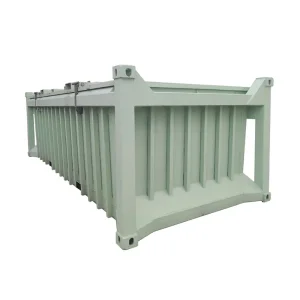
Buy New Half Height Ore Carrier Container Offshore Container Manufacturers, Heavy Payload Structural Rails
Inquire Specifications