
Featured Precision Container Series
Engineered for extreme operating envelopes, maritime salt spray resilience, and demanding rail transit loads across global logistics vectors.
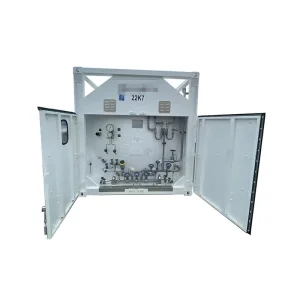
Famous T75 20ft Cryogenic Liquid Tank Container Products, Exporters
View Specifications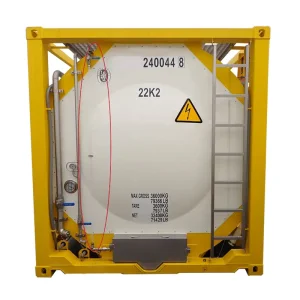
ODM 20ft Tank Container for Alcohol Manufacturer, Quotes
View Specifications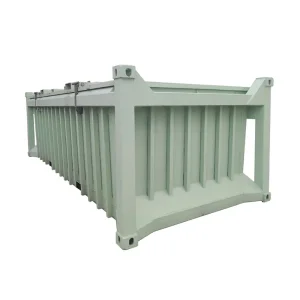
Buy New Half Height Ore Carrier Container Offshore Container Manufacturers, Quotes
View Specifications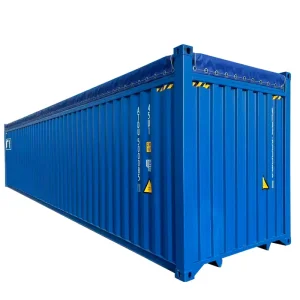
Buy 40ft High-Cube New Soft Open Top Shipping Container with Tarpaulin Cover Manufacturer, Product
View Specifications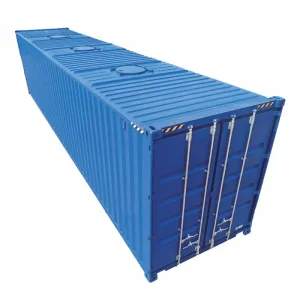
Buy 20 Feet Shipping Bulk Container Manufacturer, Exporters
View Specifications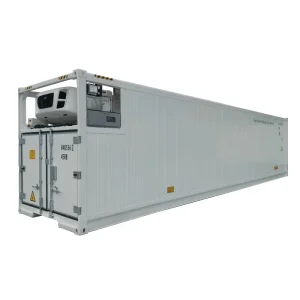
Famous New 40-foot high cube & 45-foot "Belt and Road" railway refrigerated container. Product, Products
View Specifications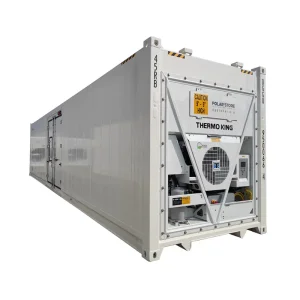
Famous 40ft High-Cube Side Open Door Reefer Container Manufacturer, Factories
View Specifications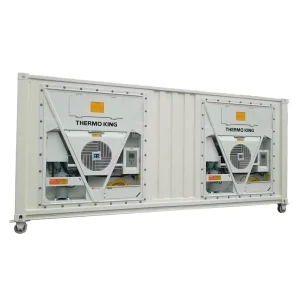
High-Quality The new blast reefer containers are certified by classification societies Manufacturers, Factories
View SpecificationsStrategic Advantages of China Logistics Container Manufacturing
Analyzing the metallurgical, structural, and coastal supply-chain strengths that position Chinese specialized container fabrication at the forefront of global trade infrastructure.
Corten Steel & Metallurgy
Direct backward vertical integration with premium domestic steel works provides continuous access to SPA-H weather-resistant atmospheric corrosion steel. This metallurgy forms a dense protective patina, guaranteeing mechanical resilience under continuous marine salt fog and heavy cargo vibration.
Automated Robotic Lines
State-of-the-art manufacturing hubs utilize multi-axis robotic submerged arc welding and fiber laser cutting stations. This produces micron-level tolerances across all corner castings, high-stress side sill points, and corrugated sidewall junctions to prevent micro-fissures during transoceanic stack loads.
Maritime Port Proximity
Our strategic manufacturing assets in Tianjin and Suzhou are positioned within 100 km of Class-A deepwater terminals. Direct dry port corridors remove thousands of transit hours, minimize secondary positioning drayage, and allow direct "One-Way Leased" export routing right from the paint line.
Dual Regulatory Compliance
Production cycles natively adhere to ISO 668, ISO 1496, TIR, UIC, and CSC safety conventions, backed by dual factory quality inspections from international classification societies including Bureau Veritas (BV), Lloyd's Register (LR), and Det Norske Veritas (DNV).
Containerization Logistics Trends: Smart, Cold, & Intermodal
How next-generation telemetry, low-GWP refrigerants, and multimodal standardization are reshaping the equipment procurement strategies of international shipping consortia.
IoT Telematics & Remote Tracking
Modern fleets are moving toward native sensor integration. Real-time factory installation of solar-powered satellite gateways delivers precise GPS coordinates, door-ajar alerts, shock/impact telemetry, and thermal chamber monitoring directly to enterprise ERP and logistics software.
Ultra-Low GWP Refrigeration
Global environmental mandates (such as the F-Gas regulation) are accelerating the migration of reefer equipment to R-452A and natural CO2 (R-744) units. Factory-optimized insulation uses high-density cyclopentane-blown polyurethane foam to maintain thermal integrity with minimal system runtime.
Specialized Intermodal Swapping
Supply chains demand flexible cargo shifts between coastal feeders, transcontinental railways (such as the China-Europe Railway Express), and heavy truck chassis. Specialized open-tops, wide-body pallet units, and half-height bins eliminate expensive intermediate transshipment unloading.
Macro Solutions Across Core Economic Vectors
Standard and custom container geometries engineered around specific payload densities, dangerous goods classifications, and specialized operating environments.
Cold Chain Perishables & Pharma
Tailored 20ft and 40ft High-Cube reefer systems featuring Carrier, Thermo King, or Daikin chiller packages. Maintains temperature precision within ±0.25°C, ensuring compliance with strict Good Distribution Practice (GDP) pharma logistics and deep-freeze seafood shipping lines.
Liquid Chemicals & Potable Bulk
UN T11, T14, and T75 cryogenic ISO tank units fitted with 316L stainless steel pressure vessels, steam or electric heating jackets, and thick polyurethane insulation. Suitable for hazardous chemicals, high-purity alcohols, and liquefied gases including LNG, liquid oxygen, and argon.
Mining, Heavy Aggregates & Ores
Reinforced half-height ore carrier boxes featuring high-strength Hardox-grade steel flooring and integrated dumper pockets. Handles dense mineral consignments, bauxite, copper concentrates, and heavy foundry materials without structural deflection or floor failure.
Offshore Platforms & DNV Service
Specially built dry and refrigerated units rated under DNV 2.7-1 / EN 12079 standards for offshore oil rigs and marine platforms. Built to absorb high-impact wave slap, lateral platform motion, and extreme multi-point crane hook lifts in rough open-sea conditions.
Energy Storage & Data Centers
Custom ODM engineering transforms ISO structural envelopes into utility-scale Battery Energy Storage Systems (BESS) and mobile edge data centers. Outfitted with structural louvers, fire suppression mounts, and heavy floor loading reinforcements up to 45 tons.
Standard ISO Dimensional & Load Capacities
Engineering reference figures for fleet managers and logistics planners. Actual metrics may vary based on chosen interior linings, floor configurations, and OEM wall thicknesses.
| Profile Specification | Internal Dimensions (L × W × H) | Cubic Volume | Tare Weight (Avg) | Max Gross Mass (MGM) | Primary Industrial Use |
|---|---|---|---|---|---|
| 20ft Standard Dry (20GP) | 5,898 × 2,352 × 2,393 mm | 33.2 m³ | 2,230 kg | 30,480 kg | Dense industrial goods, machinery, coiled metals |
| 40ft High Cube (40HC) | 12,032 × 2,352 × 2,698 mm | 76.4 m³ | 3,880 kg | 32,500 kg | Voluminous manufactured items, e-commerce cargo |
| 40ft High Cube Reefer (40RH) | 11,583 × 2,290 × 2,544 mm | 67.6 m³ | 4,480 kg | 34,000 kg | Fresh fruits, frozen proteins, specialized pharmaceuticals |
| 20ft ISO Tank (T11 / T75) | Frame: 6,058 × 2,438 × 2,591 mm | 17,500 - 26,000 L | 3,450 - 5,200 kg | 36,000 kg | Food grade oils, flammable chemicals, liquid gases |
| Half-Height Offshore Bin | 6,058 × 2,438 × 1,280 mm | 12.5 m³ | 2,850 kg | 25,000 kg | Raw minerals, drill stems, heavy engineering tools |
What Global Fleet Operators Require from Chinese Factories
International logistics firms, box-leasing conglomerates, and mining operations balance four key factors when placing high-volume production orders.
OEM/ODM Dimensional Versatility
Standard boxes do not always suit specialized projects. Buyers frequently require custom side-opening doors for pallet access, custom roll-up gates for fast local parcel drop-offs, internal lashing tracks, and customized floor coatings ranging from treated bamboo to spark-proof aluminum.
Classification Society Verification
Traceable material certificates are essential. Buyers demand mill certs for all steel lots, along with witnessed burst tests, rain-tightness checks under 100 kPa water jets, and destructive structural stack testing witnessed by independent BV or DNV survey engineers.
Customs & Export Documentation
Exporting industrial freight units requires precise compliance: CSC certification plates, TIR customs seals, customs clearance packing declarations, and accurate fumigation certificates for non-manufactured wood flooring to prevent port delays on arrival.
Frequently Asked Questions for Container Sourcing
Direct answers addressing technical configurations, classification standards, refrigeration brands, and international dispatch options.
What specific types of shipping and logistics containers are manufactured in your facilities?
Can containers be custom-engineered to bespoke OEM/ODM drawings and specifications?
Which classification society certifications and structural standards apply to the units?
Which refrigeration systems and cooling units can be integrated into your reefer containers?
How are new containers positioned and shipped internationally to lower landed freight costs?
What steel alloys and anti-corrosion treatments are standard in factory production?
Specialized Heavy Equipment & Marine Dry Units
Expandable fleet assets engineered for bulk mining transit, rolling vehicle transport, cryogenic fuels, and remote cold room storage.
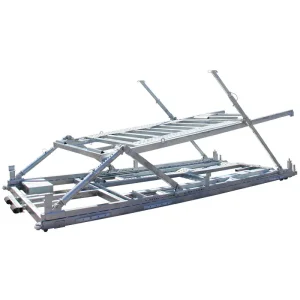
China vehicle transport rack Product, Exporters
View Specifications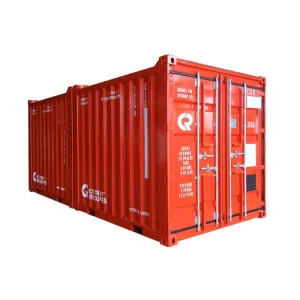
Buy New DNV Certification Offshore Dry Cargo Container Factory, Product
View Specifications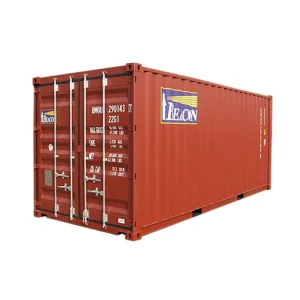
ODM 40ft New Certified Dry Shipping Container Pricelist, Exporters
View Specifications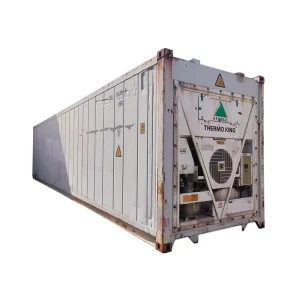
ODM New 40ft Refrigerated Freezer Container for Sale Factory, Exporter
View Specifications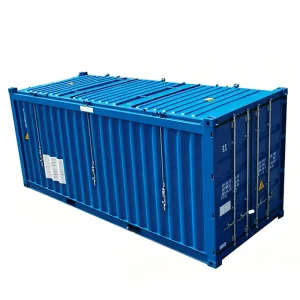
China 20ft New Hard Open Top Shipping Container Manufacturer, Factories
View Specifications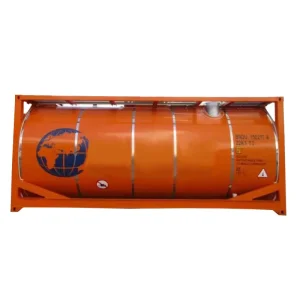
China 20 Foot ISO Liquid Tank Container for Water Manufacturer, Product
View Specifications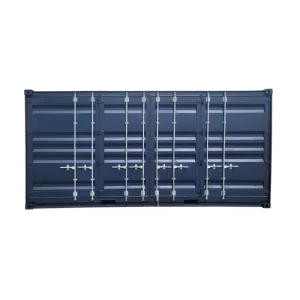
High-Quality New 20ft Customized Side Door Dry Cargo Shipping Container Factory, Product
View Specifications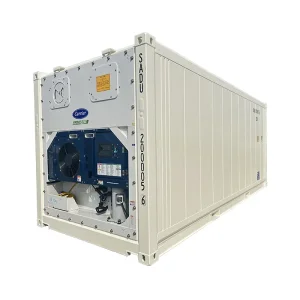
High-Quality New 40ft High Cube Carrier Refrigerator Freezer Cold Room Product, Exporters
View SpecificationsPlan Your Custom Container Order
Speak directly with our engineering department in Tianjin. We confirm structural loads, create CAD drawings, and establish fixed production runs that meet your exact logistics schedule.