
Featured Reefer & Intermodal Equipment Portfolio (Part I)
Factory-certified marine refrigerated units, structural modular frames, and certified pressure containers manufactured to international classification society standards.
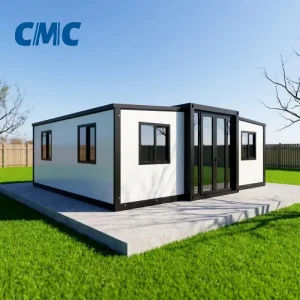
OEM 20ft Modular Container Houses Expandable Steel Container House Excellent Thermal Insulation and Sealing Performance Manufacturer, Manufacturers
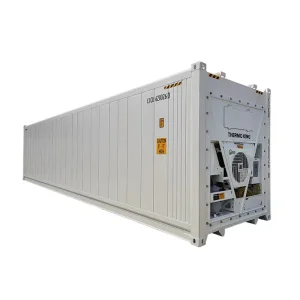
OEM New 40ft High-Cube Certified Reefer Shipping Cargo Container Pricelist, Product
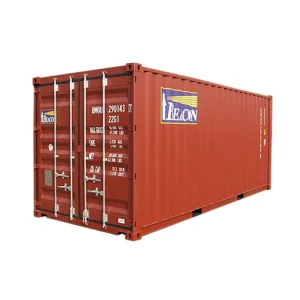
ODM 40ft New Certified Dry Shipping Container Pricelist, Exporters
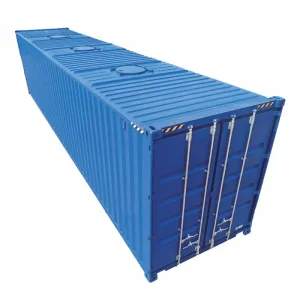
Buy 20 Feet Shipping Bulk Container Manufacturer, Exporters
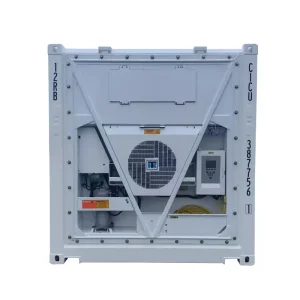
OEM 20ft Offshore Refrigerated Container DNV Certification Is More Durable Exporter, Exporters
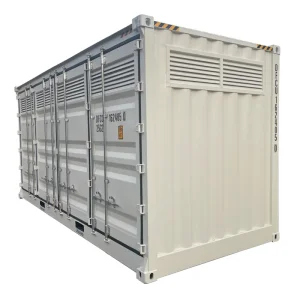
Famous 20FT High-cube Dangerous Goods Container Side Open Door with Ventilation Opening Manufacturer, Exporter
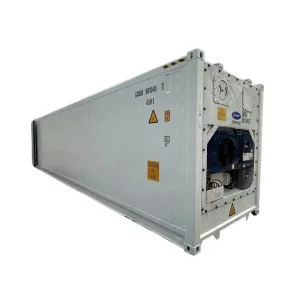
Buy Ninety Percent New Used 40ft HC Carrier Refrigerated Container Product, Quotes
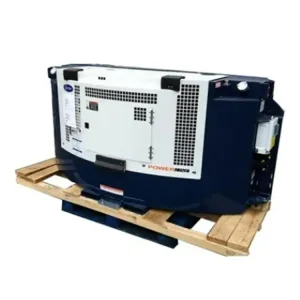
China Refrigerated container diesel generator Exporter, Quotes
The Strategic Evolution of China High Cube Reefer Container Manufacturing
Bridging intercontinental supply chain disruptions through high-precision thermodynamic engineering, expanded cubic capacities, and low-GWP industrial refrigeration.
The 9ft 6in High-Cube Shift
Over 82% of all refrigerated maritime cargo volume has transitioned from standard 8ft 6in containers to 9ft 6in High Cube (HC) configurations. In high-density global trades—ranging from Chilean cherries to Norwegian salmon and biologics—the additional 30 cm vertical headroom yields an informational gain of roughly 10.4 m³ usable volume per unit, dropping unit freight expenses across transatlantic and transpacific shipping routes.
- Internal Volume: Up to 67.6 m³ in a 40RH vs 58.0 m³ in a standard 40RF.
- Pallet Optimization: Accommodates taller European EUR (1200×800) and ISO standard industrial pallets.
China's Manufacturing Hegemony
China accounts for over 95% of world reefer container assembly. Backed by coastal proximity in hubs like Tianjin and Suzhou, manufacturers achieve complete backward integration: raw Corten-A weathering steel coils, robotized sandwich panel injection foaming, deep robotic laser welding, and automated thermodynamic vacuum testing halls.
- Production Scale: Over four decades of engineering legacy since 1983.
- Port Proximate: Strategically situated within 100 km of leading seaport departure hubs.
Decarbonization & F-Gas Directives
International environmental accords, including the Kigali Amendment and European EU 517/2014 F-Gas regulations, necessitate rapid technological shifts. Chinese manufacturers have upgraded from legacy high-GWP refrigerants (R-134a, R-404A) toward ultra-efficient R-513A drops, R-452A blends, and natural CO₂ (R-744) trans-critical machinery.
- Thermal Conductivity: State-of-the-art Polyurethane (PU) foaming achieving <0.020 W/m·K.
- TCO Minimization: Up to 38% reduction in aggregate kWh consumption per TEU-nautical mile.
Structural Architecture & Thermodynamic Anatomy of High Cube Reefers
Precision metallurgy meets advanced cryogenic insulation. How China's top container factories build boxes that survive 15+ years in harsh saline marine conditions.
Aerospace-Grade Foaming & Thermal Bridge Elimination
The interior insulation core utilizes high-pressure cyclopentane-blown rigid polyurethane (PUR/PIR) foam injected between Corten steel outer panels and food-grade 304/304L stainless steel inner skins. Special nylon and composite thermal break spacers disconnect the structural ribbing, dropping overall container heat leakage (U-factor) down below 0.35 W/(m²·K), fully exceeding ATP Class FRC specifications.
| Parameter / Metric | 20ft Standard Reefer (20RF) | 40ft Standard Reefer (40RF) | 40ft High Cube Reefer (40RH) | Industrial Advantage |
|---|---|---|---|---|
| External Dimensions (L × W × H) | 6,058 × 2,438 × 2,591 mm | 12,192 × 2,438 × 2,591 mm | 12,192 × 2,438 × 2,896 mm | 9ft 6in vertical dimension maximises overhead air plenum |
| Internal Dimensions (L × W × H) | 5,444 × 2,290 × 2,275 mm | 11,583 × 2,290 × 2,275 mm | 11,583 × 2,290 × 2,557 mm | Adds +282 mm internal load height over 40RF standard |
| Cubic Capacity | 28.3 m³ (1,000 cu.ft) | 58.0 m³ (2,048 cu.ft) | 67.6 m³ (2,387 cu.ft) | +16.5% volumetric capacity increase compared to 40GP |
| Max Gross Weight (MGW) | 30,480 kg (67,200 lbs) | 34,000 kg (74,950 lbs) | 34,000 kg (74,950 lbs) | Tested for heavy consolidated seafood, meat, and pharma |
| Tare Weight (inc. Cooling Unit) | ~2,980 kg | ~4,320 kg | ~4,480 kg | High payload-to-tare ratio using lightweight alloys |
| Temperature Spectrum | -30°C to +30°C | -30°C to +30°C | -35°C to +30°C (Ultra: -65°C) | Versatile dual-mode chiller/freezer with deep-freeze capability |
| Air Circulation & Flooring | Extruded Aluminum T-Bar (50 mm) | Extruded Aluminum T-Bar (50 mm) | Heavy-Duty Al-Alloy T-Floor (75 mm) | High-pressure bottom-air delivery ensures uniform core chilling |
| Refrigeration Machinery Partners | Carrier Transicold (ThinLINE / PrimeLINE) · Thermo King (Magnum Plus) · Daikin (Zestia) | Worldwide warranty, global spare parts depots in 120+ ports | ||
Mission-Critical Deployment Scenarios for High Cube Reefers
From deep-sea blue water shipping routes to extreme land-locked desert installations, discover where industrial High Cube reefers excel.
Cold-Chain Agribusiness & CA Systems
Perishable fruits like bananas, avocados, berries, and stone fruits demand precise atmospheric management. Modern China High Cube Reefers incorporate Controlled Atmosphere (CA) technology (TransFRESH, eAutoFresh, or AV+ ventilation), dynamically calibrating O₂ and CO₂ concentrations to decelerate post-harvest respiration, extending shelf-life across 35-day ocean voyages.
- Prevents prematurely triggered ethylene gas ripening cycles.
- Precision electronic fresh-air dampers (0 to 285 m³/h variable flow).
Pharmaceutical Biologics & Good Distribution Practice (GDP)
Vaccines, blood plasma, biological reagents, and active pharmaceutical ingredients (APIs) cannot tolerate temperature deviations exceeding ±0.5°C. Outfitted with calibrated dual-sensor PT100 probes, continuous digital datalogging, and redundant genset power, our High Cube pharmaceutical reefers meet stringent WHO GDP and US FDA 21 CFR Part 11 auditing standards.
- Secure automated electronic door-access monitoring with audit trails.
- Cold spot mitigation through balanced floor-to-ceiling laminar airflow.
On-Site Modular Cold Storage & Blast Freezing
Mining camps, remote marine fisheries, logistics hubs, and disaster relief zones deploy High Cube reefers as turnkey on-site cold storage warehouses. Offering easy plug-and-play 380V/460V 3-phase connection, optional butcher doors, anti-slip flat flooring, interior LED lighting, and internal escape safety releases, these units replace costly brick-and-mortar refrigeration buildings.
- Immediate capacity scaling without construction municipal permits.
- Optional ultra-low blast-freezer package down to -60°C for sashimi tuna.
Global Compliance Safeguards & Statutory Testing Verification
Every production run undergoes strict quality audits backed by third-party international classification societies.
Bureau Veritas (BV) & CSC Stamping
All shipping containers carry a valid CSC (International Convention for Safe Containers) safety approval plate. Under Bureau Veritas or ABS supervision, test units endure transverse racking loads of 150 kN, longitudinal restraint stresses, and 9-high container corner-post stacking load tests up to 86,400 kg per corner pillar.
ATP Certification (FRC Standard)
For European overland intermodal transit, reefers must satisfy the ATP agreement (Agreement on the Transport of Perishable Foodstuffs). Our High Cube insulated bodies achieve an exceptional overall heat transfer coefficient (K-value) below 0.40 W/(m²·°C), classified under the prestigious FRC standard (Heavily Insulated Mechanically Refrigerated Appliance).
DNV 2.7-1 / EN 12079 for Offshore
For offshore oil platforms, North Sea supply routes, and severe maritime exploration, standard ISO shipping boxes are structurally insufficient. Our dedicated offshore high-cube cold storage line is manufactured in strict compliance with DNV 2.7-1 and ISO 10855 certification, incorporating offshore lifting pad eyes and Charpy impact tested steel grades.
Technological Roadmap: AI Telematics, Smart Grid & Low-Carbon Reefers
How intelligent connectivity, predictive maintenance algorithms, and low-GWP refrigerants are redefining modern cold-chain reliability.
Satellite & Cellular IoT Telemetry
Every modern unit features dual-mode LEO satellite and 4G/5G cellular modems. Fleet controllers monitor return-air temperatures, compressor discharge pressure, relative humidity levels, power phase balances, and door-opening alerts remotely via cloud-based API architectures.
Predictive AI Diagnostics & Pre-Trip Inspection (PTI)
Edge-computing controllers perform automated pre-trip inspections (Auto-PTI) in under 30 minutes, analyzing motor amperage spikes and heat-exchanger efficiency to flag potential compressor failures or refrigerant micro-leaks days before catastrophic transit failure occurs.
Solar-Augmented Auxiliary Hybrid Gensets
Integrating ultra-thin, marine-grade monocrystalline PV solar panels onto the external High Cube roof corrugations provides continuous trickling power to IoT transmitters, controller microprocessors, and battery banks, minimizing parasitic diesel fuel draw during rail transit.
Featured Specialized & Heavy Logistics Equipment (Part II)
Explore open-top units, cryogenic ISO tank containers, blast freezers, and certified offshore logistics boxes built in China.
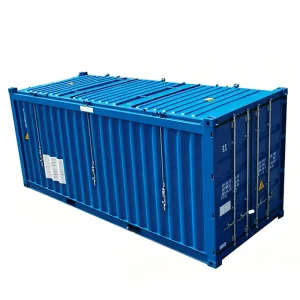
China 20ft New Hard Open Top Shipping Container Manufacturer, Factories
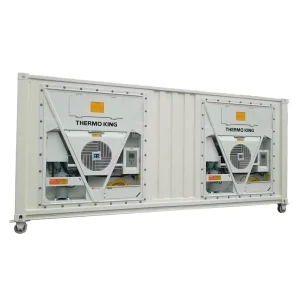
High-Quality The new blast reefer containers are certified by classification societies Manufacturers, Factories
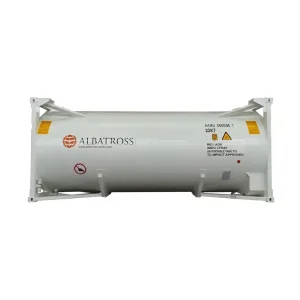
China 25000 Liters ISO 20ft Gas Tank Container for Sale Product, Factories
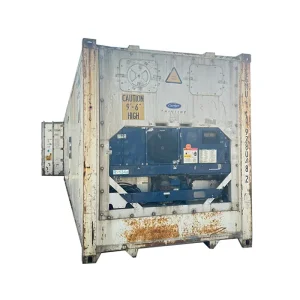
China Used 40ft High-Cube Certified Reefer Container Pricelist, Exporter
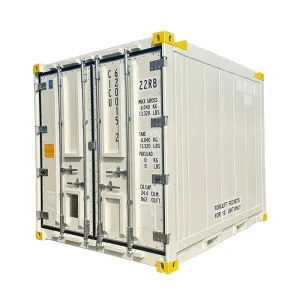
High-Quality New 10ft Certified Thermo King Freezer Container Exporter, Manufacturers
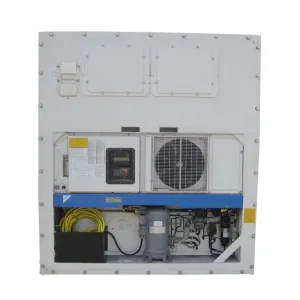
Buy Refrigeration Equipment /Cooling Unit For Refrigerated Containers Products, Exporters
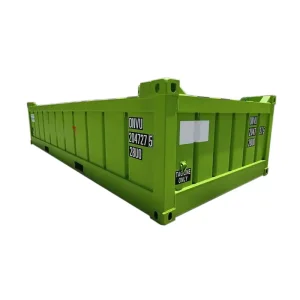
ODM New DNV Certification Offshore Half-Height Open Top Container Products, Exporters
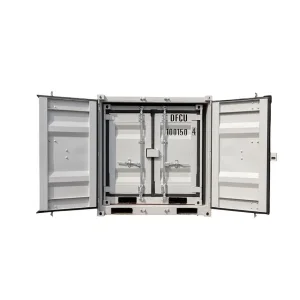
High-Quality Durable Cargo Shipping Container 4Ft/5Ft/6Ft/7Ft/8Ft/9Ft/10Ft/11Ft/12Ft Mini Storage Container Nested Shipping Container Manufacturers, Factories
Total Cost of Ownership (TCO) & Sourcing Optimization Advisory
Navigating the procurement decision between brand-new custom builds and certified refurbished fleet inventory.
New Builds: Long-Term Fleets
For shipping lines, cold-storage asset leaseholders, and pharmaceutical supply chains requiring a 12-to-15 year lifecycle, purchasing new builds from Chinese factories provides pristine thermal insulation with zero foam aging (no moisture ingress), custom corporate livery paint systems (zinc-rich epoxy primers with polyurethane topcoats), and direct multi-year warranty protection from Carrier, Thermo King, or Daikin.
Refurbished & 90% New Units
Buyers looking for immediate stationary cold storage or low-capex regional shipping can acquire surveyed, off-lease second-hand reefers staged across major Chinese container ports (Tianjin, Qingdao, Shanghai, Ningbo). Each certified unit undergoes a strict 70-point Pre-Trip Inspection (PTI), fresh gas-charging, structural vacuum sealing tests, and load runs to guarantee pull-down performance.
Preventive Maintenance Lifecycle
Proper operational maintenance extends reefer operating life beyond 18 years. Recommended maintenance routines mandate monthly cleaning of condenser coils using low-pressure alkaline rinses, inspecting silicone rubber door gasket elasticity to prevent air bypassing, and validating calibration offsets on USDA cold-treatment pulp temperature sensors.
Frequently Asked Technical & Commercial Questions (FAQ)
Authoritative guidance addressing core procurement concerns, power infrastructure, cooling performance, and global delivery logistics.