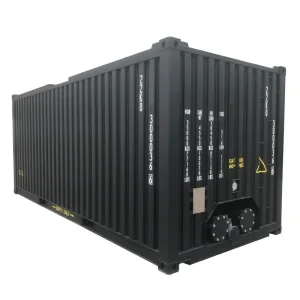
China 20 Feet Heated Shipping Asphalt Container Exporter, Manufacturers
Get Technical Quote
Engineering Whitepaper: Technical Architecture, Intermodal Logistics Standards, Dynamic Pricing Metrics, and Industrial Applications from Tier-1 Certified Manufacturing Ecosystems.
Explore heavy-duty, ISO-certified storage systems, asphalt heaters, cryogenic bulk units, and modular conversions engineered for global trade routes.
A macroeconomic review of steel fabrication capacity, trade lane velocity, supply chain resilience, and the strategic positioning of Chinese manufacturing hubs.
Over 90% of global ISO intermodal dry containers, specialized reefers, and ISO tanks originate from specialized fabrication clusters located around Tianjin, the Yangtze River Delta, and Guangdong. This industrial concentration enables unmatched economies of scale, strict metallurgical quality control (SPA-H Corten steel), and immediate integration with deep-water berths.
Procurement teams navigating container fleet acquisition evaluate Total Cost of Ownership (TCO) across cycle life (15-20 years), corrosion resistance, coating longevity, and residual resale indices. Sourcing direct from China provides a 22-38% capital cost reduction relative to regional distributors while offering custom drawing confirmations.
Global logistics entities are modernizing container inventories to satisfy IMO 2030/2050 benchmarks. High-efficiency foam insulation systems, eco-friendly waterborne coatings, lightweight high-tensile framing, and integrated IoT telematics are transforming passive steel boxes into intelligent carbon-auditable logistics assets.
A deep engineering breakdown of container geometries, structural steel alloys, and thermal insulation ratings for procurement validation.
| Classification | Structural Metallurgy | Internal Dimensions (L × W × H) | Cubic Vol / Payload | Thermal & Hazard Ratings | Primary Industrial Use-Case |
|---|---|---|---|---|---|
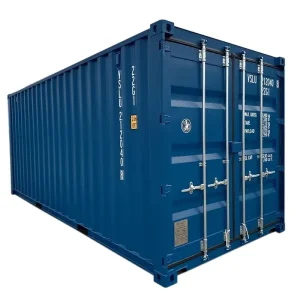
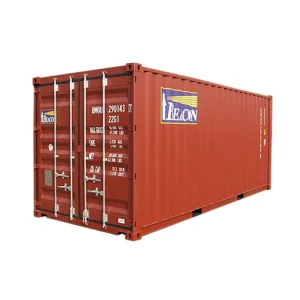
| 20ft Dry Cargo (20GP) | SPA-H Corten Anti-Corrosive Steel | 5.898 × 2.352 × 2.393 m | 33.2 m³ / 28,200 kg | Passive Vented, Weatherproof | High-density commodities, heavy machinery, raw minerals |
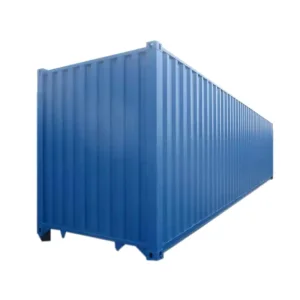
| 40ft High Cube (40HC) | Heavy-Duty Corrugated Corten Panels | 12.032 × 2.352 × 2.698 m | 76.4 m³ / 28,600 kg | CSC Safety Approved Plate | Volumetric FMCG, e-commerce cargo, modular architecture conversion |
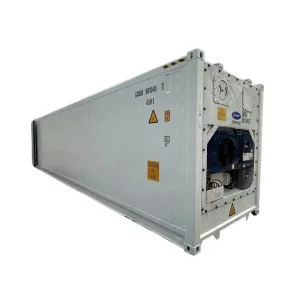
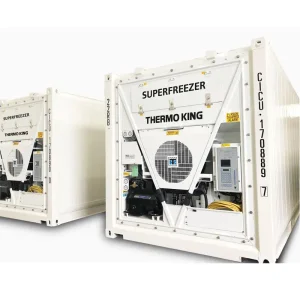
| 40ft High Cube Reefer | Stainless Outer / Food-Grade SS/AL Inner | 11.583 × 2.290 × 2.555 m | 67.6 m³ / 29,400 kg | -35°C to +30°C Precise PID; PU Foam | Fresh agricultural produce, pharmaceuticals, meat/poultry exports |
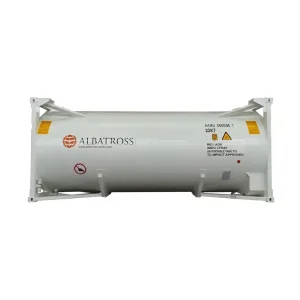
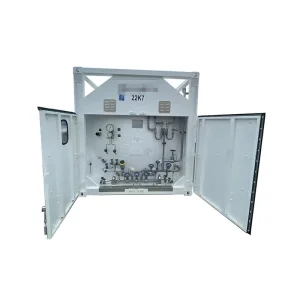
| T75 Cryogenic ISO Tank | Austenitic SS Inner Vessel / Vacuum Insulation | 6.058 × 2.438 × 2.591 m (20ft) | 20,000 - 22,000 L | ADR, RID, IMDG, ASME VIII, Class 2.1 | Bulk distribution of LNG, liquid nitrogen, oxygen, argon |
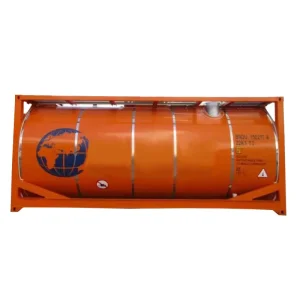
| 20ft Heated Bitumen/Asphalt | Insulated Rockwool with Thermal Fluid Tube | 6.058 × 2.438 × 2.591 m | 23,000 - 27,000 L | Heating to 180°C; High Temp Valves | Liquid asphalt, heavy fuel oils, paraffin wax transport |
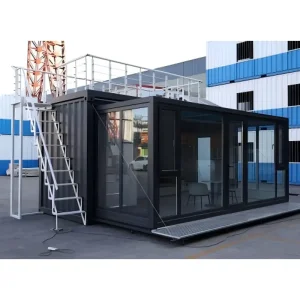
| Expandable Modular Unit | Galvanized Light Gauge Structural Steel | 5.900 × 6.300 × 2.480 m (Expanded) | Approx. 36 m² Floor Space | Fire-retardant EPS / Rockwool / Glasswool | Rapid-deployment disaster shelters, field offices, remote housing |
How modern container engineering solves operational hurdles across offshore energy, cold-chain transport, municipal housing, and bulk liquid chemical logistics.
Offshore container designs require strict compliance with DNV GL 2.7-1 / EN 12079 standards. Reinforced corner pads, certified sling sets, structural weld inspections via non-destructive testing (NDT), and specialized zinc-rich primers ensure zero structural failure under North Sea dynamic shock loads and sub-zero offshore marine atmospheres.
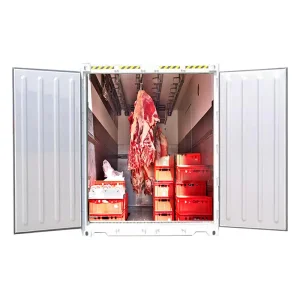
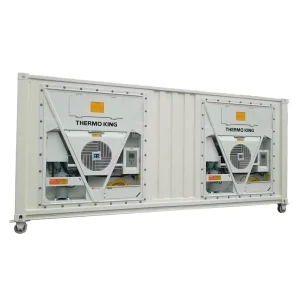
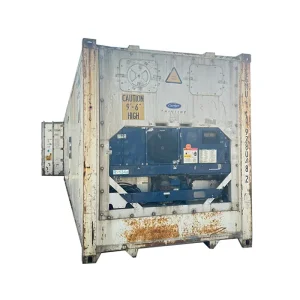
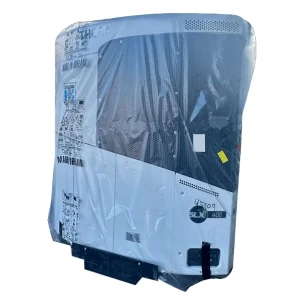
Integrated with Carrier, Thermo King, or Daikin digital control scroll compressors, reefer units maintain +/-0.25°C stability across cross-equatorial voyages. Dual-zone partitioning, controlled atmosphere (CA) nitrogen injection, and hanging-meat I-beam rails provide tailored interior profiles for beef exporters and active vaccine transit.
Expandable and flat-pack containers serve as plug-and-play building envelopes. Utilizing thermal breaks, pre-installed MEP (Mechanical, Electrical, Plumbing) conduits, acoustic rockwool barriers, and integrated sanitary modules, these units reduce on-site construction timelines by up to 75% for emergency housing and remote mining compounds.
A four-phase evolution mapping structural metallurgy, integrated sensor grids, autonomous telemetry, and sustainable material circularity.
Implementation of solar-harvesting satellite/cellular tracker modules reporting GPS location, door open/close events, impact G-forces, and internal relative humidity in real time.
Gradual transition toward high-strength fiber-reinforced polymers (FRP) and hybrid honeycomb cores, shaving tare weight by 18% to maximize payload efficiency and reduce vessel fuel burn.
Adoption of ultra-low global warming potential refrigerants (e.g., R-1234yf and CO2 R-744) across reefer lines, pairing variable-speed inverter drives with thermal predictive logic.
Integration of passive RFID structural micro-chips and blockchain ledger tracking to enable automatic smart-contract billing upon port discharge and automated structural inspection.
In-depth responses covering custom manufacturing, testing standards, international certifications, and cross-border commercial transactions.
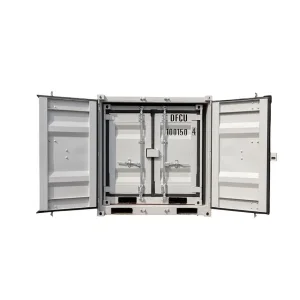
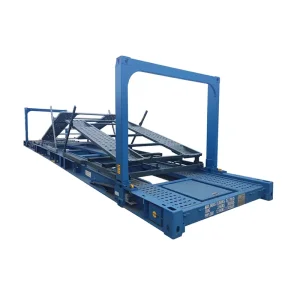
Review additional refrigerated cold rooms, mini storage nested modules, cryogenic liquid ISO tanks, and vehicle carrier assemblies ready for immediate freight quotation.