Current Factory Lineup · Batch 01
Featured Standard & Specialized Container Production
Direct-from-factory ISO certified shipping containers, reefer cold rooms, and Belt & Road intermodal units built to strict Bureau Veritas (BV) and ISO standards.
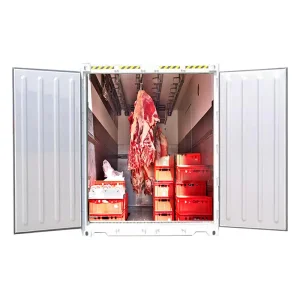
High-Quality Brand new hanging meat container for low temperature fresh transportation Pricelist, Products
View Product Specs
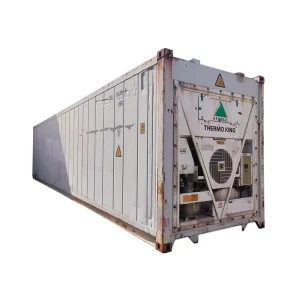
China Used 40ft High-Cube Certified Reefer Container Pricelist, Exporter
View Product Specs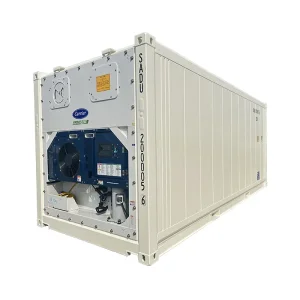
High-Quality New 40ft High Cube Carrier Refrigerator Freezer Cold Room Product, Exporters
View Product Specs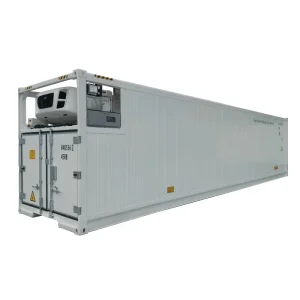
Famous New 40-foot high cube & 45-foot "Belt and Road" railway refrigerated container. Product, Products
View Product Specs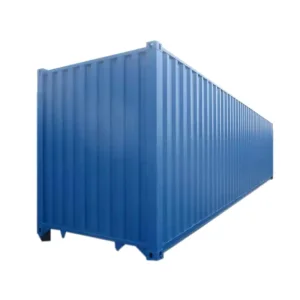
China 40ft High Cube Certified Dry Cargo Shipping Container contaoner Factory, Product
View Product Specs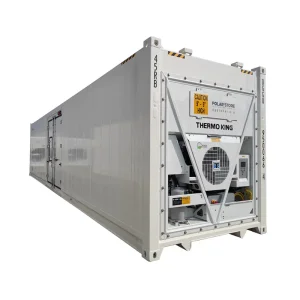
Famous 40ft High-Cube Side Open Door Reefer Container Manufacturer, Factories
View Product Specs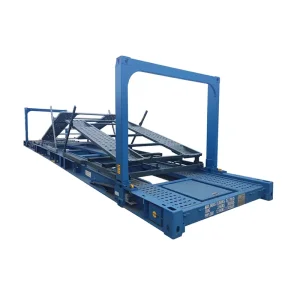
China New 20ft Car Carrier Container Special Container Exporter, Quotes
View Product Specs
Chapter 01 · Historical Foundations
The Epic History of the Shipping Container & Industrial Factories
How a standardized rectangular steel box revolutionized maritime commerce, crushed transshipment costs by 90%, and created the modern globalized manufacturing network.
Before the mid-1950s, global marine cargo transport was shackled to archaic "break-bulk" methodologies. Barrels, wooden crates, hemp sacks, and unbundled machinery were loaded piece-by-piece into ship cargo holds by legions of dockworkers. Vessels spent up to two-thirds of their operational lifespan idle in dock, vulnerable to massive cargo theft, structural weather damage, and catastrophic labor bottlenecks. The freight rate for general merchandise was unpredictable, heavily inflated by terminal drayage and manual stowing costs.
In April 1956, American trucking entrepreneur Malcom P. McLean, collaborating with engineer Keith Tantlinger, altered world economic history. McLean retrofitted an oil tanker named the Ideal X to transport 58 reinforced 33-foot aluminum truck bodies from Newark, New Jersey, to Houston, Texas. Tantlinger engineered the corner casting and twist-lock mechanism—the universal securing system that remains unchanged in principle today. Loading costs plunged from roughly $5.86 per ton to mere cents per ton. The intermodal revolution was born: goods could now move seamlessly between highways, rail yards, and ocean-going cellular container vessels without ever being unpacked.
1956–1968
ISO Standardization
The International Organization for Standardization established ISO 668 and ISO 1496, setting the 20-foot and 40-foot TEU/FEU standard footprint, corner fittings, and gross rating benchmarks worldwide.
1970–1983
Material Shift & CIMIC
Lightweight aluminum gave way to weather-resistant high-tensile SPA-H Corten steel. Container manufacturing migrated to Asia. In 1983, CIMIC launched production in China, pioneering export-grade containers.
1985–2005
Reefer & High-Cube Boom
Global perishables surged, spurring the adoption of 40ft High Cube insulated units equipped with Carrier Transicold, Thermo King, and Daikin scroll compressor machinery with integrated digital sensors.
2010–Present
IoT & Intermodal Era
Specialized Belt and Road 45ft rail reefers, offshore DNV 2.7-1 baskets, smart GPS/telematics tracking, and automated robotic factory lines dominate international fleet supply chains.
Chapter 02 · Factory Engineering
Modern Container Factory Architecture & Robotic Automation
Inside modern ISO/BV-compliant production plants: High-tensile steel roll forming, multi-axis robotic arc welding, eco-friendly waterborne coating, and rigorous quality testing.
Corten-A Precision Roll Forming
Fabrication starts with coiled SPA-H Corten atmospheric corrosion-resistant steel. Giant uncoilers, levelers, and 1,000-ton hydraulic press brakes stamp corrugations into side walls and roofs, maximizing load-to-weight structural ratios.
Robotic Seam & Submerged Arc Welding
Automated gantry welding fixtures weld side panels, front walls, and door assemblies. Computerized robotic arms lay continuous, slag-free, water-tight CO2 gas-shielded beads, eliminating human welding inconsistencies across 40ft lengths.
Automated Shot Blasting & Eco-Coatings
Pre-assembled boxes enter enclosed centrifugal blast cabinets shooting steel grit to achieve SA 2.5 white-metal finish. Immediately after, automated multi-stage robotic spray arms apply zinc-rich primers and eco-friendly waterborne epoxy topcoats.
High-Density Polyurethane Foaming
For refrigerated containers, inner stainless steel (SUS304 food grade) or aluminum liners are installed. Automated high-pressure injection machinery injects 100% CFC-free polyurethane foam at 40-45 kg/m³ density, eliminating thermal bridges.
Non-Destructive Testing & CSC Inspection
Every batch undergoes stringent CSC (Convention for Safe Containers) type-testing: 9-high container stacking tests (up to 216,000 kg total column load), roof transverse rigidity tests, floor timber deflection testing, and high-pressure water nozzle leak tests.
Cleanroom Assembly of Machinery
Reefer units from Carrier Transicold, Thermo King, or Daikin undergo cleanroom installation with digital microprocessors, followed by an automated 24-hour pre-trip inspection (PTI) run to verify temperature pull-down down to -30°C or -60°C.
Chapter 03 · Macro Logistics Solutions
Macro-Industry Solutions: Multi-Modal Fleet Deployment
Engineering purpose-built containerized hardware for complex intercontinental supply chain corridors across maritime, rail, offshore, and modular construction sectors.
Maritime Ocean Transport
Standard 20GP, 40GP, and 40HC dry cargo boxes engineered for high-salinity marine environments. Designed to stack 9-high on ultra-large container vessels (ULCVs) exceeding 24,000 TEU capacity.
Belt & Road Railway Corridors
Specially developed 45ft high-cube diesel-electric hybrid reefer containers designed for the China-Europe Railway Express (CRE). Features dual 800L fuel reservoirs to maintain steady sub-zero cold chains across 11,000 km journeys through Siberian winter extremes (-40°C).
Automotive Export Logistics
Custom 20ft and 40ft containers equipped with articulated internal multi-tier vehicle transport racks. Allows safe roll-on stowage of up to four complete electric vehicles (EVs) per container, slashing RO-RO shipping bottlenecks.
Offshore Oil & Gas Rig Support
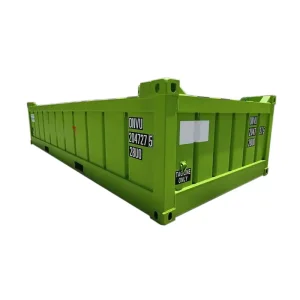
Extreme duty DNV 2.7-1 and EN 12079 certified offshore cargo baskets and half-height containers. Built with impact-resistant low-temperature normalized steel plates, integrated 4-leg wire rope lifting slings, and certified pad eyes.
Cold Chain Hanging Meat Logistics
Reinforced ceiling structures carrying stainless steel overhead glide rails with anti-sway meat hooks. Designed for pharmaceutical-grade hygienic transport of chilled carcass beef and pork with automated temperature logging.
Modular Prefab Architecture
Foldable, expandable, and modular container architectural units equipped with thermal insulation, integrated plumbing, electrical circuitry, and luxury interior finishing for rapid-deployment housing and offices.
1983
Year Factory Founded
40+
Years Production Mastery
100 KM
Distance to Major Seaports
100%
BV & ISO Quality Audited
Chapter 04 · Procurement Intelligence
Global Enterprise Sourcing Criteria & Total Cost of Ownership (TCO)
Key technical decision frameworks for fleet directors, container leasing giants, and global freight forwarders seeking optimal durability, certification, and capital expenditure efficiency.
Procuring shipping containers at scale requires evaluating beyond initial ex-factory FOB unit pricing. Enterprise procurement directors balance lifecycle depreciation, payload optimization, thermal efficiency (for reefer fleets), and structural repair cycles over an expected 15-to-25-year service life.
Key procurement decision vectors include: Metallurgical Grade (insisting on authentic Corten-A/SPA-H weathering steel rather than commercial carbon steel Q235 to prevent micro-fissuring and rust bloom under marine atmospheric conditions); Floor Integrity (specifying certified 28mm Apitong/Keruing 19-ply hardwood or bamboo-composite flooring capable of withstanding 7,260 kg axle loads per ISO 1496); and Refrigeration Lifecycle Performance (calculating kWh consumption per TEU/day across Carrier PrimeLINE, Thermo King Magnum Plus, or Daikin LXE series).
| Container Classification | Typical External Dimensions (L×W×H) | Internal Volume | Max Gross Weight | Primary Industrial Cargo Applications |
|---|---|---|---|---|
| 20ft Standard Dry (20GP) | 6.058 × 2.438 × 2.591 m (20' × 8' × 8'6") | 33.2 m³ (1,172 cu.ft) | 30,480 kg (67,200 lbs) | Dense, heavy cargo: Metals, minerals, tiles, chemicals, grain sacks. |
| 40ft High Cube Dry (40HC) | 12.192 × 2.438 × 2.896 m (40' × 8' × 9'6") | 76.4 m³ (2,698 cu.ft) | 32,500 kg (71,650 lbs) | Voluminous manufactured freight, electronics, furniture, textiles, e-commerce. |
| 40ft High Cube Reefer (40RH) | 12.192 × 2.438 × 2.896 m (40' × 8' × 9'6") | 67.5 m³ (2,385 cu.ft) | 34,000 kg (74,950 lbs) | Fresh fruits, frozen meat/poultry, seafood, biologics, pharmaceuticals. |
| 45ft Belt & Road Rail Reefer | 13.716 × 2.438 × 2.896 m (45' × 8' × 9'6") | 86.0 m³ (3,037 cu.ft) | 34,000 kg (74,950 lbs) | Cross-Eurasia railway cold chains, pallet-wide perishable consumer logistics. |
| DNV Offshore Basket / Cargo Unit | Custom lengths (10ft, 20ft, 40ft) | Variable basket/skid | Up to 25,000 kg | Subsea drilling tools, casing pipes, offshore platform supply vessels (PSVs). |
Chapter 05 · Regulatory & Supply Chain Guarantee
Localized Support, Seaport Proximity & International Compliance
How strategically located manufacturing facilities in Tianjin and Suzhou streamline international shipping logistics, customs processing, and certification assurance.
100 km Strategic Seaport Radius
Situated within 100 km of Tianjin Port (Northern China's maritime gateway) and Shanghai/Taicang waterways via Suzhou. This delivers immediate access to empty repositioning loops, eliminates inland transport delays, and reduces drayage expenses.
CSC & Classification Society Badging
All containers roll off the production line stamped with stainless steel CSC safety approval plates, authenticated by classification societies including Bureau Veritas (BV), ABS, CCS, or DNV. Guaranteed customs clearance at all global ports of entry.
One-Way SOC & Global Repositioning
Flexible procurement models supporting Shipper Owned Containers (SOC). Containers can be paired with one-way outbound export cargo to destination ports across Europe, Africa, North America, and Australia, virtually eliminating repositioning freight fees.
Chapter 06 · Technological Horizon
Technology Roadmap & Industry Outlook (2025–2035)
Anticipating the next decade of intermodal breakthroughs: Satellite IoT telemetry, carbon-neutral circular steel, composite lightweighting, and containerized battery energy storage systems (BESS).
2025–2027
Autonomous IoT & Telematics
Universal deployment of low-power 5G/satellite IoT transmitters inside reefer and dry containers. Continuous cloud synchronization of temperature, humidity, door openings, structural shocks, and atmospheric gases (O2/CO2 levels for Controlled Atmosphere reefer perishables).
2027–2030
Green Steel & Zero-VOC Coatings
Widespread integration of Electric Arc Furnace (EAF) scrap-recycled green steel and bio-resin based insulation foams. Complete obsolescence of solvent-based paints across Asian factories in favor of zero-emission electrostatic powder coatings.
2030–2033
Containerized Energy Systems (BESS)
Repurposing standard ISO 20ft and 40ft container envelopes into grid-scale Battery Energy Storage Systems (BESS) equipped with liquid immersion cooling, automated aerosol fire suppression, and bidirectional inverter modules for renewable solar/wind plants.
2033–2035+
Lightweight Carbon Hybrids
Development of carbon-fiber and basalt-composite reinforced corner posts and door headers, achieving 25% tare weight reductions. This breakthrough unlocks greater net payload capacity per container while dramatically trimming oceanic bunker fuel burn.
Chapter 07 · Technical Knowledge Base
Executive Buyer's Technical & Operational FAQ
Direct technical answers for supply chain managers, naval architects, and commercial equipment buyers.
What is the standard lifespan of an ISO shipping container in maritime service?
A standard ISO Corten steel shipping container operating in active deep-sea ocean routes has an economic service life of 12 to 15 years under CSC survey cycles. When retired from ocean service, these units serve reliably for another 20+ years as on-site storage facilities, modular buildings, or intermodal inland storage containers when properly coated.
Why is Corten steel (SPA-H) specified instead of standard structural carbon steel?
Corten-A (JIS G3125 SPA-H) is an atmospheric corrosion-resistant copper-chromium alloyed weathering steel. Upon exposure to ambient air and saltwater mist, it forms an impervious, self-healing oxide patina that arrests sub-surface rust penetration. Standard carbon steel rusts progressively, flaking apart under harsh oceanic cycles.
How do Carrier Transicold, Thermo King, and Daikin reefer units compare?
Carrier Transicold PrimeLINE units offer high energy efficiency and widespread global parts availability. Thermo King Magnum Plus delivers deep freezing capabilities down to -40°C with rapid temperature pulldown. Daikin LXE series uses proprietary scroll compressor technology with fewer moving parts, providing low failure rates for frozen transit.
What is the primary difference between ISO standard containers and DNV offshore units?
ISO containers are built for cellular ship stacking and dockside gantry crane spreaders under ISO 1496. DNV 2.7-1 / EN 12079 units are built for open-sea dynamic lifting to offshore drilling rigs. They require higher impact-resistant steel rated to -20°C, certified permanent lifting lugs, and non-destructive weld testing (MPI/UT) to withstand rough sea motions.
Can CIMIC customize non-standard sizes and internal configurations?
Yes. We deliver turnkey OEM/ODM engineering solutions. Our design team creates tailored structural 3D CAD drawings covering side-opening bi-fold doors, roll-up shutter access, reinforced floor configurations (steel checkered plate vs wood), electrical cable pass-throughs, internal hanging rails, and special heights from 4ft half-heights to 10ft high-cubes.
What is the typical Minimum Order Quantity (MOQ) and production lead time?
For standard dry cargo ISO containers (20GP, 40HC), production MOQ starts at 1 to 5 units, with large batch deliveries scheduled across rolling 15-day cycles. Highly customized OEM/ODM units or offshore certified containers typically require a 1 to 2 unit prototype review, followed by volume production delivered within 25 to 35 calendar days.
Current Factory Lineup · Batch 02
Specialized, Offshore, Liquid & Modular Fleet Catalog
Explore specialized offshore cargo units, soft open-tops, ISO liquid tanks, vehicle racks, and turnkey modular container homes available for global dispatch.
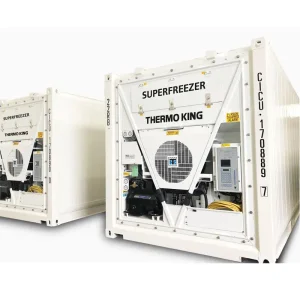
OEM New Deep Freezer Refrigerator Container For Sale Factory, Quotes
View Product Specs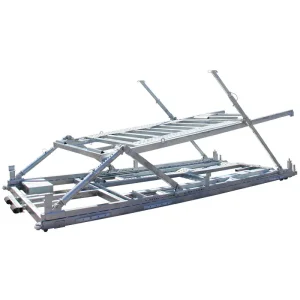
China vehicle transport rack Product, Exporters
View Product Specs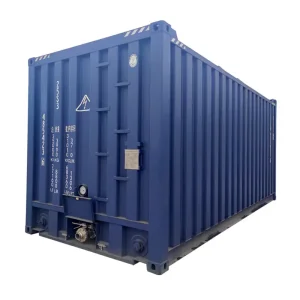
Buy New 20ft Square Liquid Container Factory, Product
View Product Specs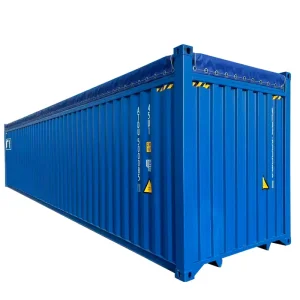
Buy 40ft High-Cube New Soft Open Top Shipping Container with Tarpaulin Cover Manufacturer, Product
View Product Specs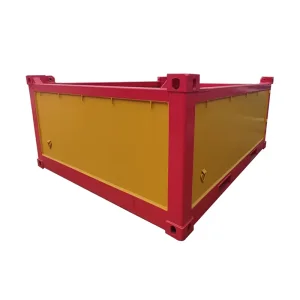
High-Quality New Offshore Basket Container for Offshore Operations Exporter, Exporters
View Product Specs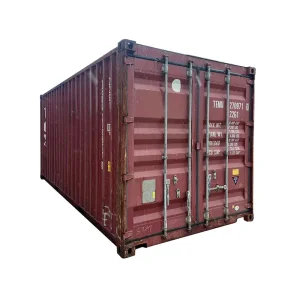
Buy 20ft Used Shipping or Storage Container Manufacturer, Products
View Product Specs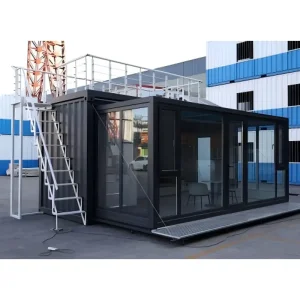
Famous 20ft Foldable Prefab Modular Homes Mobile Expandable Container House Prefabricated House with Bathroom Manufacturer, Exporters
View Product Specs