Heavy-Duty Multimodal Hardware
Featured Reefer & Special Railway Containers
Engineered to UIC 592, ISO 1496/2, and CSC standards, our first-tier rail container fleet delivers continuous climate stability and extreme racking rigidity across rough switchback networks.
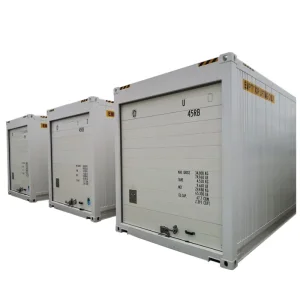
China 40ft High-Cube Roll Up Reefer Container Customized Shipping Containers Factory, Manufacturers
Explore Unit Specifications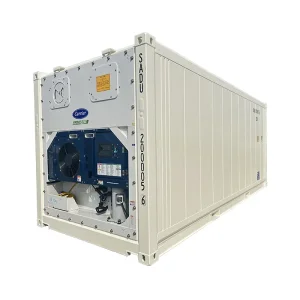
High-Quality New 40ft High Cube Carrier Refrigerator Freezer Cold Room Product, Exporters
Explore Unit Specifications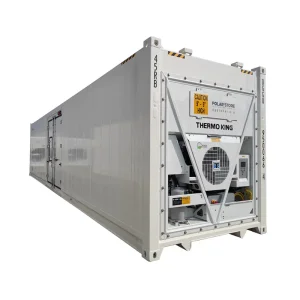
Famous 40ft High-Cube Side Open Door Reefer Container Manufacturer, Factories
Explore Unit Specifications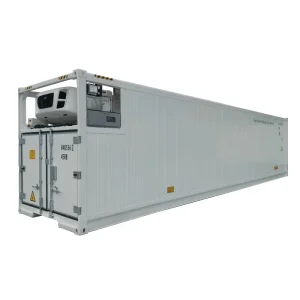
Famous New 40-foot high cube & 45-foot "Belt and Road" railway refrigerated container. Product, Products
Explore Unit Specifications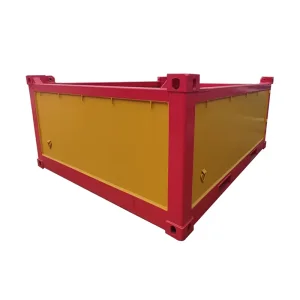
High-Quality New Offshore Basket Container for Offshore Operations Exporter, Exporters
Explore Unit Specifications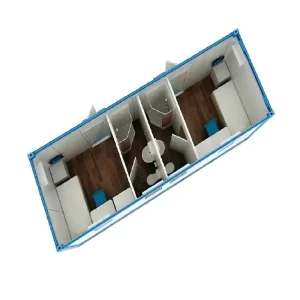
Famous 20ft 40ft Standard Size Accommodation Modular House Container Exporter, Products
Explore Unit Specifications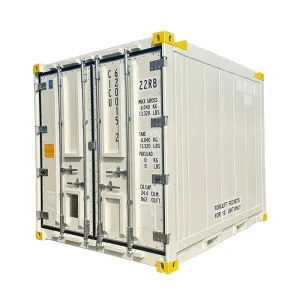
High-Quality New 10ft Certified Thermo King Freezer Container Exporter, Manufacturers
Explore Unit SpecificationsGlobal Intermodal Logistics: The Geopolitical & Commercial Imperative of Rail Freight
In modern multimodal transportation, the global industrial economy is re-evaluating supply chain resilience through the lens of multimodal speed, energy transition, and operational predictability. Railway container shipping occupies the critical sweet spot between exorbitant air cargo rates and the extended lead times of maritime transit. Over the past decade, transcontinental railway networks—most prominently exemplified by the "New Silk Road" and the China-Europe Railway Express (CRE), alongside North American class-one intermodal railways and pan-African arterial corridors—have transformed from experimental routes into high-throughput economic lifelines.
Unlike maritime shipping, which remains susceptible to chokepoints such as the Suez Canal, Bab-el-Mandeb Strait, and port berth congestion, railway freight systems offer fixed timetables, reduced door-to-door transit cycles (averaging 12 to 18 days between East Asian production centers and Central European distribution hubs), and a significantly lower carbon footprint per ton-kilometer. Rail containers represent an environmentally sustainable logistics vector, generating up to 75% fewer greenhouse gas emissions compared to long-haul road transport.
Information Gain Insight: The modern railway container is no longer merely a dry steel enclosure. Railway dynamics impose severe continuous lateral accelerations, longitudinal shunting impact forces (up to 2G or 3G during marshalling yard operations), and radical temperature swings ranging from sub-zero Siberian permafrost (-40°C) to scorching Central Asian deserts (+50°C). Consequently, Tier-1 manufacturers engineered bespoke structural reinforcement, specialized high-damping twist-locks, and telematics-enabled thermal envelopes.
Procurement directors and infrastructure asset managers now require equipment that complies with strict cross-border interchange standards. Railway containers must endure continuous vibration frequencies that would compromise the structural joints and thermal seals of lower-grade maritime boxes. Our container engineering integrates full-penetration robotic welding on front corner posts, thickened Corten steel bottom side rails, and high-density, closed-cell polyisocyanurate (PIR) insulation designed to survive mechanical torsion without micro-fracturing.
Operational Case Scenarios
Localized Application Scenarios & Route Dynamics
From extreme permafrost cold-chain transit to heavy dry-bulk mineral rail corridors, our equipment is tailored to regional operational demands.
Trans-Eurasian Cold Chain (CRE)
Navigating through Kazakhstan, Russia, Belarus, and Poland requires autonomous, non-interrupted climate control. Our 40ft and 45ft high-cube diesel-electric railway reefer containers operate with oversized 800L to 1,200L under-chassis fuel reservoirs and satellite dual-SIM telematics, safeguarding high-value pharmaceuticals, semiconductor components, and fresh agricultural produce across 15+ days of unmanned railway movement.
Diesel-Gen Integration
Dual SIM / GPS Tracking
Sub-Zero Reliability
Heavy-Haul Bulk & Ore Logistics
In high-tonnage mining hubs across Australia, Central Africa, and Western China, our 20ft half-height ore containers and open-top tarpaulin units maximize density without exceeding axle load limitations. Built with hard-wearing NM400/Hardox abrasion-resistant bottom plates and reinforced corner posts, these units facilitate automated tipplers and 360-degree container turnover discharging without structural fatigue.
Rotator Discharging
NM400 Wear Plates
38,000 KG Heavy Payload
Automotive Finished Vehicle Racks
With electric vehicle (EV) exports booming globally, specialized vehicle-carrying railway containers utilize built-in adjustable hydraulic or manual car racks. A single 40ft HC or 45ft container securely locks 3 to 4 passenger sedans or SUVs. This approach eliminates the paint damage, wheel tether fatigue, and atmospheric weathering inherent to open bi-level autorack railcars.
EV Anti-Corrosion Protection
Adjustable Stacking
Fast Load Securing
Industrial Ecosystem Superiority
Chinese Factory Supply Chain Resilience & Manufacturing Depth
Over 90% of global container production originates from China’s integrated industrial clusters. Our operations in Tianjin and Suzhou leverage this massive vertical integration.
Unrivaled Material Upstream Integration & Automated Production Lines
The manufacturing supremacy of Chinese container manufacturing rests upon immediate physical access to complete metallurgical and chemical supply loops. Our manufacturing lines connect directly with premier domestic steel mills (such as Baosteel and Ansteel) for high-grade SPA-H atmospheric corrosion-resistant Corten steel coils. This guarantees exact tensile yield strength (minimum 345 MPa), optimal chemical composition, and superior weldability that prevents cold cracking during freezing rail runs.
In our automated manufacturing halls, robotic laser cutters, automated corrugated wall panel stamping presses, and multi-axis gantry seam-welding cells execute structural joins with micron-grade repeatability. Every railway container frame undergoes 100% radiographic or non-destructive ultrasonic testing on critical load-bearing corner castings and floor crossmembers.
Raw Material Speed
Direct coil-to-line integration eliminates intermediate storage rust and raw material delays.
Eco-Friendly Coating
Zero-VOC waterborne epoxy zinc-rich priming with polyaspartic topcoats designed for 15+ years C5-M rail durability.
Multimodal Outlets
Located within 100 km of Tianjin Port and integrated inland rail terminals for rapid rolling stock mobilization.
Cost & Scale Efficiency
High amortized tooling capacity allows fully bespoke custom modifications without astronomical tooling premiums.
Next-Generation Engineering
Technical Roadmap & Future Railway Equipment Outlook
The intermodal industry is shifting toward smart, lightweight, and aerodynamically optimized container systems that actively communicate with dispatch grids.
IoT Telematics & Autonomous Sensors
Future railway containers feature built-in ultra-low-power NB-IoT and satellite transceivers embedded into the composite wall core. Real-time accelerometers measure 3D shunting G-forces, door seal ultrasonic tampering, interior humidity, VOC accumulation, and precise reefer temperature. Energy-harvesting kinetic bogie vibration dampers and solar roof laminates eliminate dead batteries along 20-day transit routes.
Kinetic Harvesters
Shock G-Force Logging
Cloud Yard Management
Ultra-Lightweight High-Tensile Metallurgy
By migrating from conventional Corten-A steel to next-generation high-strength micro-alloyed steels (such as 700MC grades) and structural carbon-fiber roof beams, tare weight can drop by up to 18%. In long-distance railway logistics, every 500 kilograms shaved off container tare translates directly into increased freight payload capacity or massive fuel and electric power savings across locomotive fleets.
700MC High-Strength Alloys
-18% Tare Weight
Lower Axle Pressure
Dual-Temperature & Green Refrigerants
Environmental regulations (such as EU F-Gas regulations) are accelerating the phase-out of traditional high-GWP refrigerants. Our engineering roadmap implements CO2 (R-744) natural refrigerant compressors with zero ODP and a GWP of 1. Paired with movable internal thermal bulkheads, single railway containers can simultaneously convey frozen meats at -25°C and fresh produce at +4°C.
R-744 (CO2) Eco-Refrigerant
Dual Thermal Compartments
EU F-Gas Fully Compliant
| Container Specification | Structural Tare Weight | Internal Cube (Volume) | Maximum Gross Weight (MGW) | Core Railway Transport Application |
|---|---|---|---|---|
| 20ft ISO Heavy-Haul Rail Box | 2,240 kg | 33.1 m³ | 32,500 kg | Heavy industrial castings, metal ingots, dense mining products |
| 40ft High-Cube Intermodal Rail Box | 3,850 kg | 76.4 m³ | 32,500 - 34,000 kg | High-tech consumer electronics, auto parts, e-commerce retail |
| 45ft European Pallet-Wide (PW) | 4,480 kg | 89.2 m³ | 34,000 kg | Optimized for 33 Euro pallets; standard modal swap-body substitute |
| 40ft High-Cube Railway Cold-Chain Reefer | 4,620 kg (inc. reefer) | 67.2 m³ | 34,000 kg | Fresh fruits, pharmaceuticals, sensitive high-end chemicals, lithium batteries |
| 20ft ISO Intermodal Liquid Tank (T11/T14) | 3,650 kg | 24,000 - 26,000 L | 36,000 kg | Hazardous liquids, food-grade oils, raw industrial chemicals |
Audited Compliance & Certifications
Localized Regulatory Compliance & Global Support Guarantees
Navigating international railway jurisdictions requires full compliance with global technical classification societies and cross-border customs covenants.
Comprehensive Global Railway Certification Portfolio
A shipping container cannot seamlessly move across international rail tracks without stringent mechanical validation. Every railway unit leaving our manufacturing facility comes backed by comprehensive international homologation:
1. UIC 592 & EN 283 / EN 12663 Testing: Validates swap-bodies and railway containers under aggressive longitudinal impact stresses, dynamic vertical track bounce, and transverse roll angles during switchings and curves.
2. CSC (Convention for Safe Containers): Certified by globally renowned classification societies including Bureau Veritas (BV), DNV, Lloyd's Register (LR), or China Classification Society (CCS). High-tonnage 9-high stacking tests (up to 216,000 kg total gross stack loading) ensure exceptional depot safety.
3. TIR & Unified Railway Customs Compliance (CIM / SMGS): Equipped with tamper-proof security hasps, high-tensile locking bars, and customs-certified seal rivets that prevent cargo manipulation across borders without breaking legal seals.
4. Localized Field Support Network: CIMIC maintains depot reserves, OEM replacement parts, and structural service technicians situated throughout principal transshipment hubs. Whether an operator requires cold-chain compressor overhaul in Kazakhstan or door seal refitting along the European standard-gauge transition yards, technical support is rapidly deployed.
Technical & Procurement Insights
Frequently Asked Questions for Fleet Operators
Critical considerations regarding gauges, thermal insulation, shunting stresses, and customs clearance addressed by our chief intermodal engineers.
What makes a railway container structurally different from a standard maritime shipping container?
While standard maritime containers primarily prioritize stacking capacity (up to 9-high on container vessels) and sea-spray corrosion resistance, railway containers must also withstand significant longitudinal dynamic impact forces caused by train acceleration, emergency braking, and marshalling humps. Our railway units feature heavy-duty front/rear corner post reinforcements, thicker bottom side rails, and high-frequency anti-fatigue floor crossmembers that exceed standard ISO 1496 testing parameters, preventing floor deflection and weld seam shear fatigue.
How do railway reefer containers maintain temperatures during cross-border transit across Siberian permafrost?
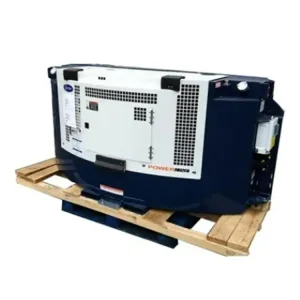
Standard marine reefers rely on shore power or vessel electric grids. Railway reefer containers for continental routes are equipped with integrated diesel generator sets (clip-on or underslung belly-mount units) fitted with 800L to 1,200L cold-resistant diesel tanks. We also apply thickened vacuum-injected high-density polyisocyanurate (PIR) foam insulation and dual-circuit electrical heaters inside the evaporator coil, preventing evaporator freeze-ups and keeping temperatures rock-solid even when ambient outdoor temperatures plunge to -40°C.
Can 45ft pallet-wide containers clear standard European and Asian railway tunnel gauges?
Yes, provided they comply with specific loading gauge profiles. While 45ft Pallet-Wide (PW) containers feature an external width of 2,500 mm (optimizing Euro-pallet side-by-side fit), their corner castings are engineered to 40ft ISO standard footprint widths (2,438 mm) via specialized chamfered corner post castings. This allows universal locking onto standard rail flatcars (wagon chassis) while clearing UIC GC and G1 railway tunnel envelopes across major corridors.
What documentation and inspection protocols are mandatory for international rail interchange?
Every export container must possess a valid CSC safety plate issued by an accredited international classification society (such as BV, DNV, or CCS) and pass UIC 592 dynamic testing certifications. Furthermore, containers must feature an approved TIR customs plate with continuous seal wire provisions to prevent physical border inspection delays when shifting between standard gauge (1,435 mm) and Russian broad gauge (1,520 mm) bogie bogies at international frontier stations.
What is the typical production lead time and minimum order quantity (MOQ) for custom-engineered railway containers?
For bespoke OEM/ODM orders (such as roll-up doors, multi-side open panels, or built-in generator housings), our standard engineering drawing confirmation takes approximately 5 to 7 working days. Once full prototypes pass classification society witnessing, standard production runs typically yield 50 to 100 TEU per week. We accommodate flexible initial sample batches (down to 2–5 units for specialized designs) to validate physical track compatibility.
Expanded Rail & Specialized Portfolio
Liquid Bulk, Open-Top, Modular & Auxiliary Units
Complete your freight rolling stock infrastructure with ISO liquid tank containers, heated asphalt solutions, bulk mineral hoppers, and autonomous power generation.
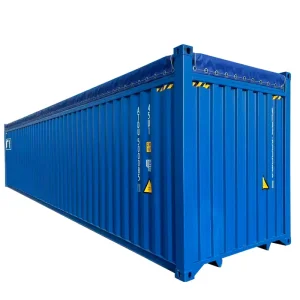
Buy 40ft High-Cube New Soft Open Top Shipping Container with Tarpaulin Cover Manufacturer, Product
Explore Unit Specifications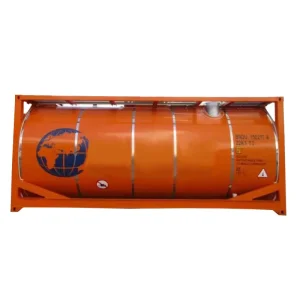
China 20 Foot ISO Liquid Tank Container for Water Manufacturer, Product
Explore Unit Specifications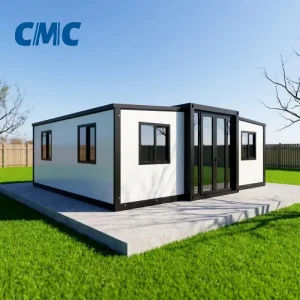
OEM 20ft Modular Container Houses Expandable Steel Container House Excellent Thermal Insulation and Sealing Performance Manufacturer, Manufacturers
Explore Unit Specifications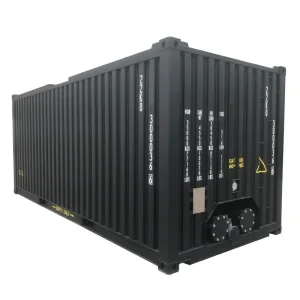
China 20 Feet Heated Shipping Asphalt Container Exporter, Manufacturers
Explore Unit Specifications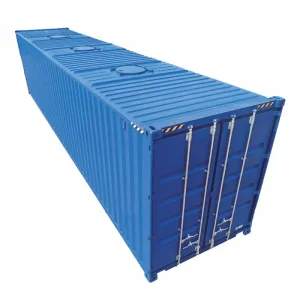
Buy 20 Feet Shipping Bulk Container Manufacturer, Exporters
Explore Unit Specifications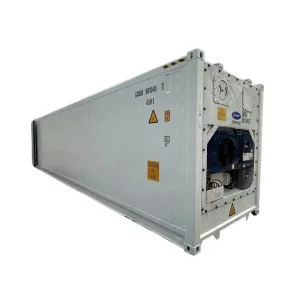
Buy Ninety Percent New Used 40ft HC Carrier Refrigerated Container Product, Quotes
Explore Unit Specifications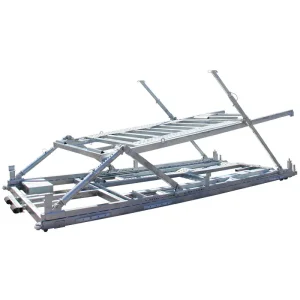
China vehicle transport rack Product, Exporters
Explore Unit Specifications