
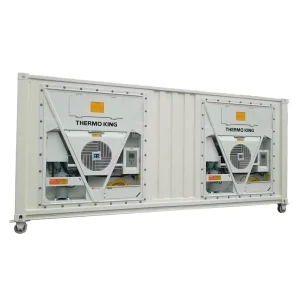
Phase 01 Production Run
Factory Direct Equipment: Industrial Batch Alpha
Standardized intermodal machinery, cold-chain blast units, ISO storage, and offshore heavy equipment rolling off Tianjin production lines.
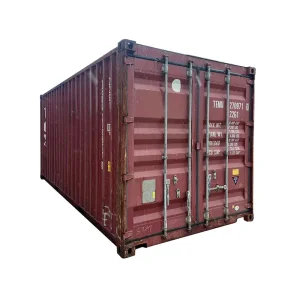
Buy 20ft Used Shipping or Storage Container Manufacturer, Products
Request Condition Report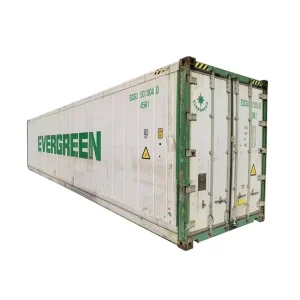
Buy Used 40ft HC Shipping Reefer Container Manufacturers, Exporters
Inspect Inventory & Quote
Famous TK SLXI Mobile power generation trailer cooling unit Product, Manufacturers
Analyze Power Curves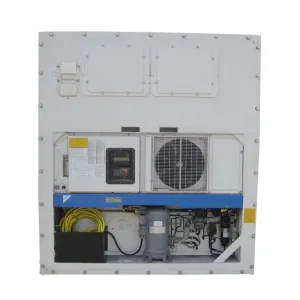
Buy Refrigeration Equipment /Cooling Unit For Refrigerated Containers Products, Exporters
Download Machinery Manual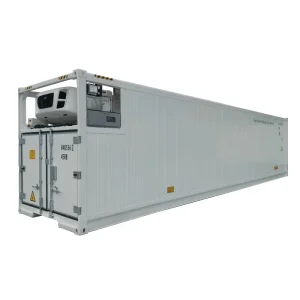
Famous New 40-foot high cube & 45-foot "Belt and Road" railway refrigerated container. Product, Products
Intermodal Route Specs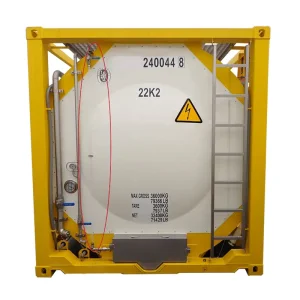
ODM 20ft Tank Container for Alcohol Manufacturer, Quotes
View Pressure vessel QC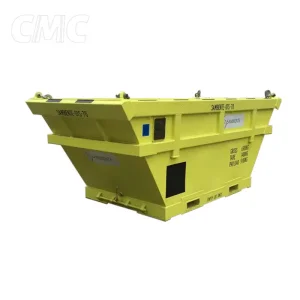
Famous DNV Certification Silt Basket Container Used in Offshore Operations Factories, Exporters
DNV 2.7-1 Certification
Engineering Whitepaper
Macro Industry Dynamics & The 10ft Footprint Revolution
Why precision engineering, high-density modular footprints, and Duocon coupling mechanisms are dominating industrial storage procurement.
42+
Years Engineering (Est. 1983)
SPA-H
Atmospheric Corten Steel
10,160 KG
Rated Max Gross Mass
< 100 KM
Factory to Deepwater Seaport
The Spatial Economics of 10ft ISO & Non-ISO Modular Storage Enclosures
In global industrial logistics, commercial construction, and remote resource extraction, large intermodal formats (such as 40ft and 45ft containers) often impose severe spatial and operational penalties. When navigating congested urban infrastructure, tight inner-city civil construction sites, substations, or remote offshore helidecks, full-length containers create unmanageable footprint footprints and structural dead zones. This bottleneck led engineering teams to develop the 10ft storage container format—a standardized, structurally fortified solution capable of delivering 15.9 cubic meters (standard height) to 18.0 cubic meters (high-cube variant) of secure, weather-sealed, and point-load-optimized interior volume.
Historically, logistics coordinators struggled with shipping 10ft units overseas due to gantry crane spreader beams configured solely for 20ft and 40ft ISO footprints. Modern heavy-manufacturing plants resolved this through the Duocon coupling innovation: two 10ft units engineered with mirrored corner castings, linked via heavy-gauge horizontal connector pins and structural bridge clamps. This allows dual 10ft units to clear international maritime slots as a unified 20ft ISO footprint, dramatically reducing flat-rack surcharges and simplifying transoceanic delivery.
SPA-H Corten-A Metallurgy
Fabricated exclusively from high-tensile SPA-H alloy weathering steel (minimum yield strength of 345 MPa). Upon exposure to atmospheric conditions, copper, chromium, and nickel inclusions trigger a dense, regenerative oxide passivation layer, halting electrochemical rust ingress even in harsh C5-M marine environments.
Structural Rigidity & Tolerances
Precision cold-roll formed corrugation panels (1.6mm thickness on sidewalls, 2.0mm on front end, and 2.0mm die-stamped roof profiles). Corner posts utilize 6.0mm structural high-strength steel tubes designed to resist severe racking, twist, and dynamic g-force loading during sea, rail, and heavy truck transit.
Anti-Vandal Security Enclosures
Equipped with factory-installed structural lock boxes encasing heavy-duty monoblock padlocks. Dual forged steel cam-action locking rods with grease-packed sintered bronze bushings and EPDM compression gaskets guarantee complete hermetic resistance against water, dust, and forced entry.
Engineering Blueprints & Benchmarks
Comprehensive 10ft Technical Specifications & Dimension Matrix
Direct factory engineering parameters comparing Standard Dry, High-Cube Dry, Dangerous Goods, Reefer, and DNV Offshore configurations.
| Technical Metric | 10ft Standard ISO Dry | 10ft High-Cube (HC) Dry | 10ft Offshore DNV 2.7-1 | 10ft Cold-Chain Reefer |
|---|---|---|---|---|
| External Dimensions (L × W × H) | 2,991 × 2,438 × 2,591 mm | 2,991 × 2,438 × 2,896 mm | 2,991 × 2,438 × 2,600 mm | 2,991 × 2,438 × 2,591 mm |
| Internal Dimensions (L × W × H) | 2,831 × 2,350 × 2,390 mm | 2,831 × 2,350 × 2,695 mm | 2,750 × 2,240 × 2,270 mm | 2,390 × 2,280 × 2,160 mm |
| Tare Weight (Nominal) | 1,300 kg (2,866 lbs) | 1,420 kg (3,130 lbs) | 2,150 kg (4,740 lbs) | 2,100 kg (4,630 lbs) |
| Max Gross Mass (R) | 10,160 kg (22,400 lbs) | 10,160 kg (22,400 lbs) | 10,000 kg (22,046 lbs) | 10,160 kg (22,400 lbs) |
| Internal Cubic Volume | 15.9 m³ (561 cu.ft) | 17.9 m³ (632 cu.ft) | 14.0 m³ (494 cu.ft) | 11.8 m³ (416 cu.ft) |
| Floor System Type | 28mm Keruing / Apitong Marine Plywood | 28mm Marine Plywood or Chequered Steel | 4.5mm Heavy Steel Skid / Diamond Plate | Extruded Aluminium T-Floor Profile |
| Primary Classification / Rules | ISO 668, ISO 1496-1, CSC Plated | ISO 668, ISO 1496-1, CSC Plated | DNV GL-ST-E271, EN 12079, IMO MSC | ISO 1496-2, ATP Certified, BV Class |
| Machinery / Thermal Unit | Passive Passive Venting (Labrinth) | Standard Passive Venting Louvers | Explosion-proof ATEX Certified Venting | Thermo King / Carrier / Daikin Scroll |
Direct Metallurgical Specification Notice: All raw sheets undergo automatic centrifugal wheel shot-blasting to Swedish Standard Sa 2.5, clearing all mill scale and surface oxides. The primer layer consists of a high-solids zinc-rich epoxy primer (dry film thickness 30μm), followed by a high-build epoxy polyamide intermediate barrier coat (40μm), and sealed with a heavy-duty polyurethane/acrylic topcoat (40μm) providing superior resistance to salt spray, UV degradation, and chemical etching.
Direct Factory Cost Architecture
Factory Quotation Dynamics: Unpacking Component Pricing
Gain full transparency into raw material weighting, labor, surface protection systems, and container pricing dynamics across Chinese export hubs.
10ft Container Cost Breakdown (Typical Factory Baseline)
Procuring containers directly from manufacturing facilities in Tianjin and Suzhou requires understanding how factory cost structures are assembled. Unlike consumer commodities, shipping container cost structures fluctuate directly with international raw steel and shipping line metrics:
- SPA-H Corten Steel Plate & Structural Profiles: 61% - 64%
- Apitong Floorboards & Heavy Fasteners: 8% - 10%
- Surface Blasting & 3-Coat Paint Treatment (DFT 110μm): 9% - 11%
- Robotic Welding, Cold Stamping & Manual Fit-Out: 11% - 13%
- Bureau Veritas / DNV Testing & CSC Plating: 4% - 6%
Procurement Lead Times & Freight Optimization
Single 10ft units shipped alone incur high ocean freight rates because shipping lines calculate slot occupancy by standard 20ft slots. To circumvent this, industrial buyers utilize two major freight structures:
1. Factory Duocon Coupling (Recommended):
Two 10ft units are physically assembled back-to-back at the plant using certified Duocon hardware, tested as a single 20ft ISO container under CSC certification. They ship at standard 20ft container freight rates.
2. Shipper Owned Container (SOC) One-Way Cargo:
Factory-fresh 10ft containers can be loaded with clean, dry export cargo from nearby industrial centers in Tianjin or Suzhou, subsidizing or completely offsetting ocean transport expenses.
Strategic Location Advantage: Operating heavy manufacturing facilities in Tianjin and Suzhou, located approximately 100 km from major northern and eastern deepwater container terminals, cuts domestic drayage costs, guarantees scheduled feeder vessel connections, and eliminates unexpected port congestion surcharges for global fleet buyers.
Quality Assurance & Certification
Global Compliance Architecture: Verified Structural Integrity
Every production run undergoes strict third-party non-destructive testing (NDT), load-bearing verification, and environmental resistance validation.
Bureau Veritas (BV) Type Approval
Certified in accordance with the International Convention for Safe Containers (CSC 1972). Testing protocols include end-wall strength testing (0.4P), side-wall dynamic load testing (0.6P), transverse racking tests (150 kN), and floor strength tests utilizing 7,260 kg test axle rigs simulating heavy forklift entry.
DNV GL-ST-E271 & EN 12079
For offshore exploration and subsea drilling applications, 10ft offshore units are manufactured with Charpy V-notch impact-tested structural steel at -20°C or -40°C. Padeyes, top handling lifting points, and four-leg certified wire rope slings meet strict North Sea offshore safety criteria.
Apitong Hardwood & Phytosanitary
Floor systems are built from 28mm dense multi-ply Apitong or Keruing hardwood treated in full compliance with Australian Department of Agriculture, Fisheries and Forestry (DAFF) timber quarantine regulations, certified pest-free and rot-resistant for transcontinental trade.
01
Requirement Scoping
Clarify volumetric requirements, flooring loads, hazardous ratings, and coupling preferences.
02
CAD Engineering
Issue structural 3D blueprints, weld details, and finite element analysis (FEA) models.
03
Precision Build
Robotic corrugation lines, shot blasting Sa 2.5, automatic submerged arc welding, and painting.
04
Testing & Plating
2.0 bar pressurized rain spray testing, weld seam ultrasonic NDT, and CSC classification stamping.
05
Seaport Dispatch
Direct low-bed transfer to Tianjin / Shanghai terminals for prompt sea freight release.
Industrial Deployments
Localized Applications & Modern Modular Use Cases
How specialized industries leverage 10ft container footprints to engineer high-reliability, weather-sealed field solutions.
Micro-BESS & Energy Pods
Engineered with non-combustible rockwool lining, fire suppression ports, and reinforced base channels to house lithium-ion Battery Energy Storage Systems (BESS) and high-voltage inverters for decentralized microgrids.
Urban Jobsite Tool Cribs
Compact enough to fit onto standard truck beds or maneuver through restricted urban streetscapes, providing secure, crane-liftable tool cribs that prevent expensive theft on commercial builds.
Hazardous Chemical Safes
Integrated with bunded drip containment reservoirs, non-sparking aluminium safety floors, and pressure-relief explosion louvers for storing paints, solvents, fuels, and hazardous chemicals.
Remote Cold-Chain Buffers
Equipped with Thermo King or Carrier machinery, serving agricultural hubs, fishing vessels, and remote medical dispensaries that require deep-chill storage in harsh tropical and arctic climates.
Industry 4.0 Transformation
Technical Roadmap & Future Container Innovations (2025–2035)
Discover how metallurgy, telemetry, decarbonization, and smart automation are redefining intermodal storage assets.
Phase 1: 2025 - 2027
Connected Telematics & Digital Twin Enclosures
Factory-integrated passive satellite trackers, door opening sensors, internal load pressure transducers, and solar-recharged IoT transceivers. Owners receive automated geo-fencing, internal humidity reports, and structural deformation telemetry directly via cloud APIs.
Phase 2: 2028 - 2030
Circular Metallurgy & Zero-Carbon Steel
Transition toward 100% Electric Arc Furnace (EAF) recycled green steel combined with low-VOC, waterborne polyurethane finishes. Life Cycle Assessments (LCA) demonstrate up to a 68% reduction in embedded carbon per TEU manufactured, meeting evolving EU CBAM guidelines.
Phase 3: 2031 - 2035
Autonomous Robotic Duocon Interlocking
Development of electro-mechanical quick-connect corner castings allowing unmanned gantry cranes and terminal tractor units to link and decouple 10ft units into 20ft/40ft virtual intermodal frames without manual pin insertion, cutting terminal dwell times significantly.
Phase 02 Production Run
Specialized Freight, Modular Housing & Tank Equipment
Explore high-cube deep freezers, specialized vehicle carriers, expandable modular units, and dry cargo shipping containers.
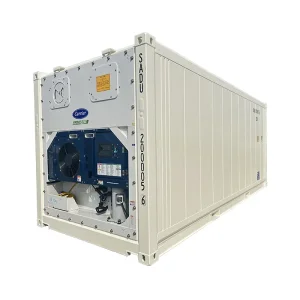
High-Quality New 40ft High Cube Carrier Refrigerator Freezer Cold Room Product, Exporters
View Refrigeration Specs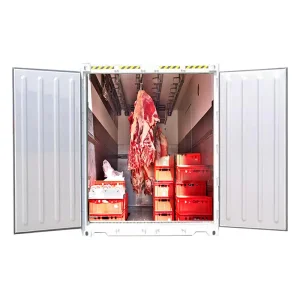
High-Quality Brand new hanging meat container for low temperature fresh transportation Pricelist, Products
Get Meat Rail Pricelist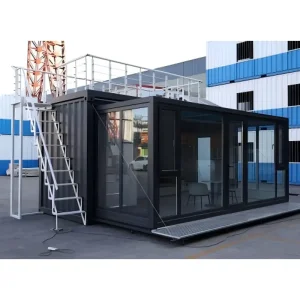
Famous 20ft Foldable Prefab Modular Homes Mobile Expandable Container House Prefabricated House with Bathroom Manufacturer, Exporters
Explore Modular Layouts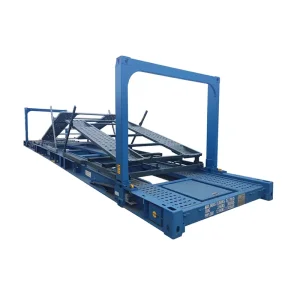
China New 20ft Car Carrier Container Special Container Exporter, Quotes
Request Racking Blueprint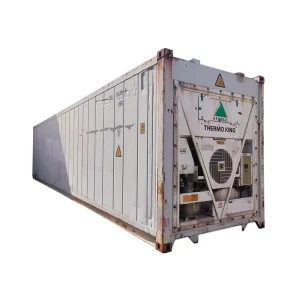
ODM New 40ft Refrigerated Freezer Container for Sale Factory, Exporter
ODM Factory Direct Pricing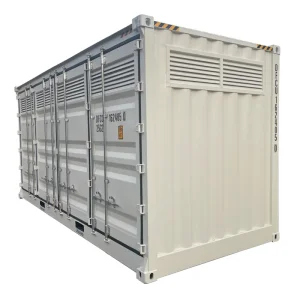
Famous 20FT High-cube Dangerous Goods Container Side Open Door with Ventilation Opening Manufacturer, Exporter
DG Compliance Pack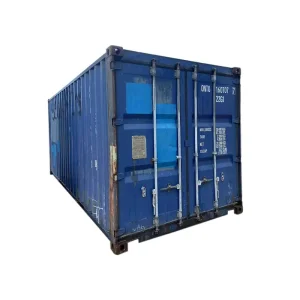
ODM 40ft Used Dry Cargo Shipping Container Manufacturers, Quotes
Download Port Stocklist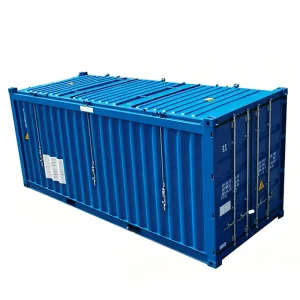
China 20ft New Hard Open Top Shipping Container Manufacturer, Factories
View Roof Mechanism
Procurement Knowledge Base
Frequently Asked Questions: 10ft Storage Container Engineering & Quotes
Detailed answers directly from manufacturing engineers, covering logistics, coatings, certifications, and customization.
How do 10ft storage containers ship internationally without incurring flat-rack surcharges?
10ft storage containers are typically paired back-to-back at our manufacturing plant using certified Duocon coupling brackets and high-tensile connection pins. Once joined, the two 10ft units share the identical outer footprint and corner casting centerlines of a standard 20ft ISO container (6,058 mm length). This enables them to be issued a combined 20ft CSC safety approval plate and handled by commercial container ships and harbor gantry cranes as a regular 20ft slot, eliminating high non-standard lifting and shipping fees.
What steel grade is used in 10ft container fabrication, and how does it prevent corrosion?
We use exclusively SPA-H atmospheric corrosion-resistant Corten steel (complying with JIS G3125 / ASTM A588 standards). SPA-H features alloy additions including copper, chromium, and nickel. When exposed to outdoor environments, it forms a tight, adherent oxide patina over the substrate metal. Unlike standard carbon steel, which continuously flakes and rusts through, this passive protective layer seals the core steel from moisture and salt air, ensuring a useful design life exceeding 25 years.
Can 10ft containers be customized for Battery Energy Storage (BESS) or equipment enclosures?
Yes. OEM/ODM customization is an integral part of our manufacturing operations. We regularly engineer 10ft BESS enclosures fitted with interior structural steel mounting rails, precision laser-cut cable entry gland plates, heavy roof ventilation collars, A60 fire-rated thermal insulation, explosion-relief panels, and reinforced floor channels capable of supporting concentrated heavy battery racks exceeding 8,000 kg.
What is the difference between a 10ft Standard Dry and a 10ft High-Cube container?
The primary difference lies in the vertical clearance. A 10ft Standard Dry container has an external height of 2,591 mm (8ft 6in) providing an internal cubic capacity of roughly 15.9 m³. A 10ft High-Cube container has an external height of 2,896 mm (9ft 6in), delivering 305 mm of extra internal height and approximately 17.9 m³ of volume. High-cube variants are preferred for modular housing, walk-in cold rooms, and electrical integration requiring overhead cable trays and HVAC ducting.
What paint coating systems are applied to protect against marine atmospheric salt exposure?
Following centrifugal shot-blasting to clean bare metal (Swedish Standard Sa 2.5), the container receives a three-coat industrial paint system: a zinc-rich epoxy primer (30μm DFT), an epoxy polyamide intermediate barrier coat (40μm DFT), and a high-durability acrylic/polyurethane topcoat (40μm DFT). This total Dry Film Thickness (DFT) of 110μm provides exceptional protection against UV degradation and C5-M extreme marine corrosive atmospheres.
What third-party classification certificates accompany your 10ft containers?
Our standard intermodal 10ft units are certified under Bureau Veritas (BV) and issued CSC safety approval plates for international maritime logistics. For offshore operations in energy and subsea applications, units are engineered and certified to DNV GL-ST-E271 (DNV 2.7-1) and EN 12079 criteria, with Charpy V-notch material test certificates, weld NDT records, and complete proof-load testing reports.
What is the Minimum Order Quantity (MOQ) and production lead time for factory-direct quotes?
Standard production runs for customized 10ft containers typically require a minimum batch of 2 to 4 units (paired as 1 or 2 Duocons for freight handling). Standard RAL custom paint colors, basic lock box welding, and standard plywood options can be delivered within 18 to 25 calendar days from drawing confirmation. For large fleet runs (>50 units), dedicated automated lines can output up to 20 units per day at our Tianjin manufacturing hub.