
Primary 20ft & Specialized Logistics Inventory
Precision-fabricated units meeting ISO, CSC, and DNV requirements. Inspect top-tier models currently in stock or customized to customer technical briefs.
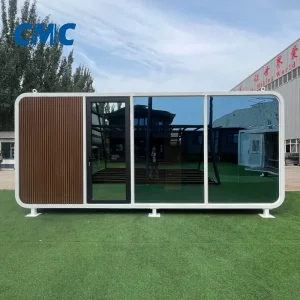
Famous 20ft Prefab Container House Flat Pack Modular House Office Tiny House Outdoor apple Cabin Office Pod Garden Office Pod Manufacturer, Product
Configure & Quote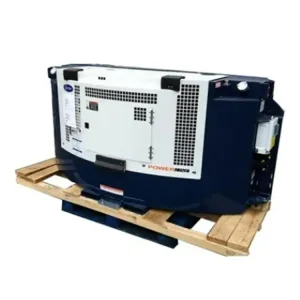
China Refrigerated container diesel generator Exporter, Quotes
Configure & Quote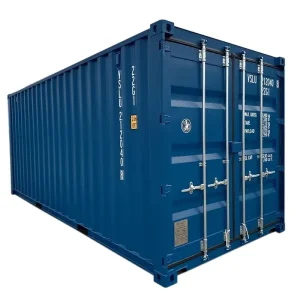
Buy New 20ft Double Door Dry Cargo Shipping Container Products, Manufacturers
Configure & Quote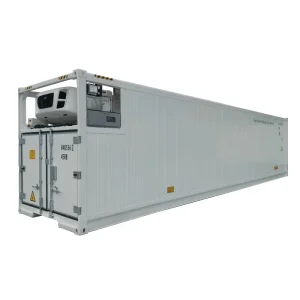
Famous New 40-foot high cube & 45-foot "Belt and Road" railway refrigerated container. Product, Products
Configure & Quote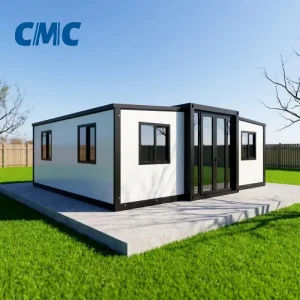
OEM 20ft Modular Container Houses Expandable Steel Container House Excellent Thermal Insulation and Sealing Performance Manufacturer, Manufacturers
Configure & Quote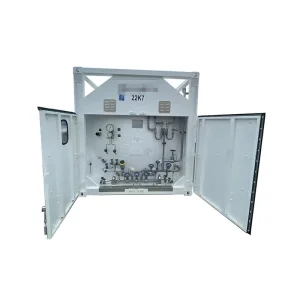
Famous T75 20ft Cryogenic Liquid Tank Container Products, Exporters
Configure & Quote
Buy New Half Height Ore Carrier Container Offshore Container Manufacturers, Quotes
Configure & Quote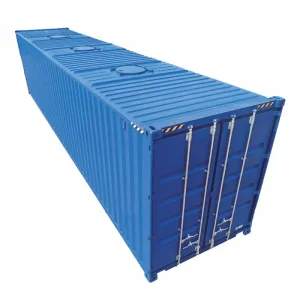
Buy 20 Feet Shipping Bulk Container Manufacturer, Exporters
Configure & QuoteThe Strategic Rise of 20 Ft High-Capacity & High-Cube Systems
Examining structural volume expansion, multimodal freight consolidation, and the worldwide evolution beyond standard 8ft 6in general-purpose enclosures.
In modern international trade, the 20 ft container architecture has experienced a major technical shift. While standard 20 ft General Purpose (GP) containers measuring 8ft 6in high remain common for high-density goods like minerals, industrial metals, and grains, the demand for 20 Ft High Cube (9ft 6in height) and specialized high-capacity variants has grown steadily. Global freight handlers face mixed cargo profiles: palletized goods, automated machinery, lithium-ion battery modules, and modular process systems that need vertical overhead clearance without the 40-foot chassis weight penalty.
A standard 20ft container yields roughly 33.2 cubic meters of internal space. Expanding that footprint to a 9ft 6in High Cube configuration expands interior volume to approximately 37.4 cubic meters—an instant 12.6% increase in cubic capacity within an identical highway, rail, and ship footprint. For intermodal operators throughout Europe, the Americas, and Australasia, this difference directly improves gross logistics margins by packing light but voluminous freight, double-stacked industrial drums, or thick thermal insulation barriers required in harsh sub-zero transport routes.
Overcoming Volumetric and Payload Inefficiencies
Logistics engineers regularly face the "cube out vs. weigh out" dilemma. Dense industrial materials hit gross limits (30,480 kg) well before standard volumes are filled. Conversely, high-value components—ranging from electronics packaging to automated switchgear and pharmaceutical supplies—fill standard internal height before chassis axle weight limits are reached. A 20ft High Cube bridges this operational gap, enabling optimized cubic capacity without forcing shippers to charter 40ft units that attract higher line-haul empty repositioning charges.
Rigid Stacking Tolerances
Built using Corten-A (SPA-H) structural weathering steel, our 20ft high configurations withstand international stacking tests up to 192,000 kg (representing 8 to 9 tiers of fully loaded units). Our corner posts and corner castings handle excessive torsional vibration during high-sea passages.
Chinese Industrial Depth & Port-Centric Supply Chains
How four decades of fabrication heritage, vertical raw material supply, and 100-kilometer seaport proximity reduce total procurement cost and production lead times.
Automated Robotic Weld Lines
Our Tianjin facility uses submerged arc welding (SAW) and robotic continuous seam welders. Automated manufacturing lines eliminate human fatigue in corner casting integration, side panel wave corrugations, and floor cross-member joins, delivering structural tolerances within ±1.5mm.
Corten Steel Supply Proximity
Direct supply ties with national steel mills provide certified SPA-H weathering steel, eliminating inland handling costs. Corten-A forms an adherent oxide patina that resists atmospheric marine corrosion, giving equipment an operational life over 15 to 25 years.
100 km to Tianjin Seaport
Located inside the Tianjin Airport Economic Zone (Tianjin Pilot Free Trade Zone), our production yards sit roughly 100 kilometers from the Port of Tianjin. Containers are driven directly onto container berths, avoiding the interior transit delays and line-haul drayage fees common in inland provinces.
Procurement teams should verify factory capabilities directly. CIMIC Group maintains valid Bureau Veritas (BV) Type Approvals, ISO 9001/ISO 14001 factory operational certifications, and direct manufacturer inspection logs. We confirm steel gauge thicknesses (2.0mm side corrugations, 4.0–4.5mm bottom side rails), weld ultrasonic testing (UT), paint wet-film thickness (WFT), and door gasket seal compression tests before bill of lading releases.
Engineering Specifications: 20 Ft Series Matrix
Compare internal clearances, payload limits, tare masses, and structural ratings across standard, high-cube, side-access, and heavy-duty offshore container classes.
| Equipment Designation | External Dimensions (L × W × H) | Internal Dimensions (L × W × H) | Internal Volume | Max Gross Mass | Tare Mass (±2%) | Payload Capacity | Primary Use Case |
|---|---|---|---|---|---|---|---|
| 20ft Standard Dry (20GP) | 6,058 × 2,438 × 2,591 mm (20' × 8' × 8'6") |
5,898 × 2,352 × 2,393 mm | 33.2 m³ | 30,480 kg | 2,230 kg | 28,250 kg | Heavy General Freight |
| 20ft High Cube (20HC) | 6,058 × 2,438 × 2,896 mm (20' × 8' × 9'6") |
5,898 × 2,352 × 2,698 mm | 37.4 m³ | 30,480 kg | 2,380 kg | 28,100 kg | BESS / Volumetric Cargo |
| 20ft Double Door High | 6,058 × 2,438 × 2,896 mm | 5,840 × 2,352 × 2,690 mm | 37.0 m³ | 30,480 kg | 2,520 kg | 27,960 kg | Drive-Through Warehousing |
| 20ft Full Side Access | 6,058 × 2,438 × 2,896 mm | 5,850 × 2,280 × 2,600 mm | 34.7 m³ | 30,480 kg | 3,180 kg | 27,300 kg | Long Machinery / Forklifts |
| 20ft T75 Cryogenic Tank | 6,058 × 2,438 × 2,591 mm | Vessel Capacity: ~20,000 L | 20.0 m³ | 36,000 kg | 7,850 kg | 28,150 kg | LNG / Liquid Argon / LOX |
| 20ft Offshore DNV 2.7-1 | 6,058 × 2,438 × 2,896 mm | 5,850 × 2,290 × 2,610 mm | 35.0 m³ | 20,000–25,000 kg | 4,100 kg | 15,900–20,900 kg | North Sea Marine Rigs |
Engineering Note: All units feature standardized 28mm Apitong marine-grade plywood flooring or optional 4.5mm checkered steel anti-slip plates. Flooring passes the ISO wheel-contact point test of 7,260 kg per axle (IICL-6 standard). Corten-A corner posts use SCW480 cast steel blocks, heat-treated to resist impact fractures down to -40°C.
Specialized Applications Across Modern Industry
Beyond containerized freight: discover how our 20ft high structures provide physical infrastructure for utility-scale green energy, offshore logistics, modular housing, and hazardous fluid transport.
Battery Energy Storage (BESS)
Utility-scale renewable energy storage requires 20ft High Cube containers configured as containerized battery enclosures. The added foot of ceiling clearance provides space for overhead HVAC ducted cooling, aerosol fire-suppression systems, and top-tier cable trays above lithium iron phosphate (LiFePO4) racks. Structural wall openings support liquid cooling manifolds while maintaining structural integrity.
Modular Prefab & Apple Cabins
Modern modular architecture utilizes 20ft High Cube frames for eco-cabins, remote site command offices, and high-spec garden workspaces. The 2,698mm internal height allows for multi-layer rockwool insulation, acoustic ceiling baffles, floor-level ducting, and standard human doorways without structural framing compromises.
DNV 2.7-1 / EN 12079 Offshore Units
Offshore exploration platforms face heavy wave-impact dynamics and sub-zero salt spray. Our 20ft offshore units and half-height ore bins use Charpy V-notch tested steel plates, reinforced pad eyes, welded overhead roof trusses, and BV/DNV certified lifting sling sets for dynamic marine deck hoisting.
T75 Cryogenic & Liquid Tanks
For liquefied natural gas (LNG), liquid nitrogen, and high-purity industrial alcohol logistics, specialized 20ft ISO tank containers utilize an inner austenitic stainless steel vessel (e.g., 304/316L) protected by multi-layer vacuum super-insulation and an outer carbon steel frame for long-distance international voyages.
Container Technology Trends: 2025–2030
How telemetry, ecological coatings, automated welding systems, and structural innovations are reshaping the next generation of 20ft container logistics.
Active IoT & Telematics Integration
Fleet operators require real-time visibility into internal cargo environments. Modern 20ft high units feature satellite and 5G cellular sensors that monitor structural shock, door-seal security, temperature gradients, and interior humidity. In reefer and generator configurations, telemetry allows cold-chain specialists to adjust setpoints over the air.
Low-VOC Waterborne Surface Coatings
Environmental standards require reductions in volatile organic compound emissions during painting. CIMIC uses multi-layer waterborne zinc-rich primers, epoxy intermediate coatings, and polyurethane finish coats. This coating approach cuts VOC emissions by up to 70% while maintaining 1,500-hour neutral salt-spray test resistance (ASTM B117).
High-Strength Lightweighting
By optimizing corrugated profiles and integrating high-yield structural steels (up to 700 MPa yield strength in non-critical components), engineers are lowering container tare weights by 4% to 7%. This reduced tare allows operators to carry more payload per trip while maintaining full ISO corner-load capability.
Buyer's Protocol: Engineering an Actionable Container RFQ
How international purchasing managers, EPC contractors, and fleet leasing directors minimize project risk, verify testing certifications, and manage import clearances.
Procuring 20ft container equipment from China involves multiple technical and commercial parameters. Sourcing standard dry boxes requires checking CSC approval validity, while custom modifications (such as side-opening doors, custom penetrations for lithium battery storage, or cryogenic tank integration) demand a verified technical process before contract execution.
Step-by-Step Technical Procurement Protocol
- Structural General Arrangement (GA) Drawing Sign-Off: Never purchase customized units based solely on basic sales descriptions. Require detailed CAD/SolidWorks engineering drawings that confirm wall corrugation thickness, floor joist spacing (typically 300mm or 250mm centers for heavy equipment), roof bow curves, and exact interior clearances.
- CSC Safety Approval Certification: For units intended for deep-sea or international rail transport, verify that the CSC safety plate includes an approved Classification Society stamp (such as Bureau Veritas, ABS, CCS, or Lloyd's Register). The plate must indicate the allowable stacking weight (typically 192,000 kg) and transverse racking test force.
- Paint System & Thickness Specifications: Salt-air marine corridors accelerate corrosion on lower-grade paints. Specify nominal Dry Film Thickness (DFT)—standard marine requirements call for a minimum 30μm zinc primer, 40μm epoxy barrier coat, and 40μm polyurethane topcoat (total minimum 110μm to 140μm DFT).
- Inland Logistics & Port FOB Terms: Confirm the FOB port terminal point. Facilities situated within 100 km of the Port of Tianjin avoid trans-provincial road haulage risks, keep customs documentation within a single export zone, and lower overall container delivery costs.
If sourcing second-hand 20ft or 40ft containers for temporary jobsite storage or conversion projects, request real-time photo and video verification of the actual unit's CW (Cargo Worthy) or IICL status. Ensure door locking bars operate smoothly, rubber door seals are continuous and light-tight, and understructure cross-members remain free of significant deformation.
Frequently Asked Questions: Technical Engineering & Global Procurement
Key technical and commercial answers regarding 20ft high containers, factory customizations, third-party inspections, and international shipping protocols.
What is the exact dimensional difference between a 20ft GP and 20ft HC?
Can customized container structures retain valid CSC certification?
What steel grade is used in standard manufacturing?
Which refrigeration compressor brands can be fitted to reefer units?
What floor options are available for customized industrial applications?
How are containers handled for overseas ocean delivery?
What are the differences between offshore DNV 2.7-1 and standard ISO containers?
What is typical factory production turnaround for bespoke orders?
Specialty, Insulated, Tank & Custom Equipment
Browse additional modular container homes, high-cube refrigerated units, ISO tank containers, and open-top carrier platforms for global export.
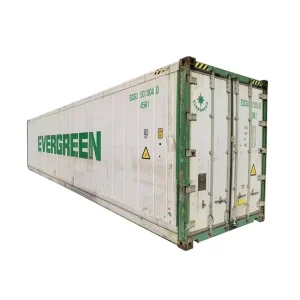
Buy Used 40ft HC Shipping Reefer Container Manufacturers, Exporters
Configure & Quote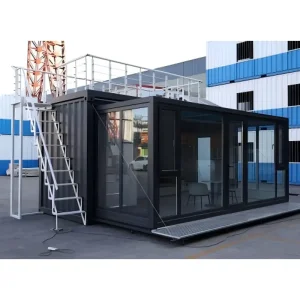
Famous 20ft Foldable Prefab Modular Homes Mobile Expandable Container House Prefabricated House with Bathroom Manufacturer, Exporters
Configure & Quote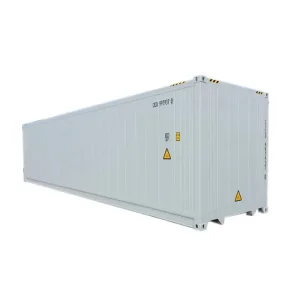
Buy New 40ft High Cube Thickened Foam Insulation Container Factory, Exporters
Configure & Quote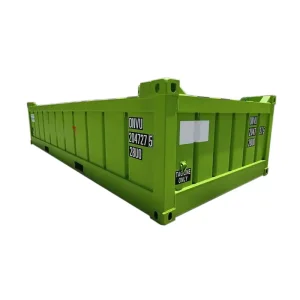
ODM New DNV Certification Offshore Half-Height Open Top Container Products, Exporters
Configure & Quote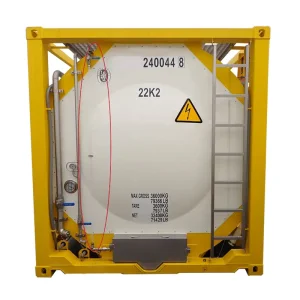
ODM 20ft Tank Container for Alcohol Manufacturer, Quotes
Configure & Quote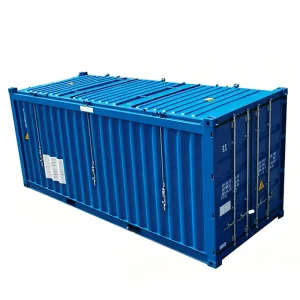
China 20ft New Hard Open Top Shipping Container Manufacturer, Factories
Configure & Quote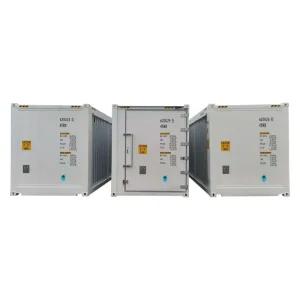
China OEM 40ft High-Cube Customized Three-in-One Combination Reefer Storage Container Manufacturer, Quotes
Configure & Quote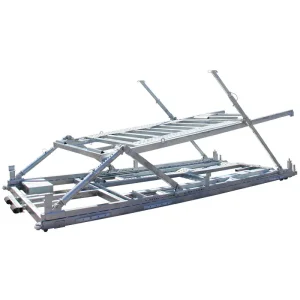
China vehicle transport rack Product, Exporters
Configure & QuoteEngineer Your Custom 20ft & High-Capacity Container Fleet
Connect with our engineering office in Tianjin. Share your freight parameters, operating environment, and volume targets to receive complete CAD drawings, CSC classification paperwork, and competitive FOB/CIF quotation schedules.