
High-Spec Equipment & Reefer Container Portfolio
Explore specialized equipment containers engineered for heavy industry, temperature-controlled cold chains, high-cube volume loading, and extreme offshore environments.
Engineering Superiority of Chinese Equipment Container Manufacturing
China produces over 90% of the world's intermodal and specialized equipment containers. Our facilities integrate advanced metallurgy, automated welding, robotics, and port logistics into a singular cost-effective ecosystem.
SPA-H Corten-A Weathering Metallurgy
Our container shells utilize certified SPA-H atmospheric corrosion-resistant steel. This high-yield structural material generates a dense, protective copper-phosphorus rust patina that halts sub-surface oxidation, ensuring over 25 years of structural integrity across harsh marine trade lanes.
Automated Submerged Arc & Robotic Welding
Manufacturing employs CNC laser cutting and robotic submerged arc welding (SAW) stations. Continuous longitudinal robotic seams guarantee 100% penetration on top and bottom side rails, fully eliminating pinhole defects and ensuring compliance with stringent Bureau Veritas (BV) structural fatigue standards.
Multi-Tier C5M Marine Coating Systems
Standard marine primers fail in oceanic transit. Our multi-stage grit-blasting achieves SA 2.5 cleanliness, followed immediately by zinc-rich epoxy primers, high-build micaceous iron oxide barrier layers, and tough aliphatic polyurethane topcoats tested to exceed 3,000 hours of continuous neutral salt spray resistance.
Proximity to Mega-Port Corridors
Located in the core industrial zones of Tianjin and Suzhou, our manufacturing plants sit within 100 kilometers of the world's highest-throughput container berths. This proximity dramatically cuts inland drayage expenses, mitigates transfer bottlenecks, and optimizes rapid vessel turnaround for breakbulk and containerized exports.
Integrated Vertical Component Supply Ecosystem
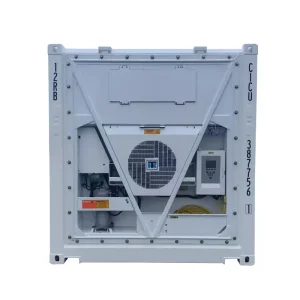
From corner castings forged to ISO 1161 standards and self-lubricating bronze door hinge pins, to high-density polyurethane (PU) foaming lines and Daikin, Carrier, and Thermo King mechanical linkages, all key components are sourced within a tight 50-kilometer industrial cluster for unprecedented supply chain resilience.
High-Precision OEM/ODM Engineering Flexibility
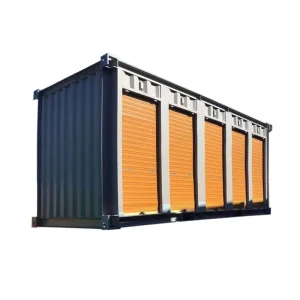
Whether re-engineering an ISO box into a roll-up side-door logistics unit, adding high-yield vehicle racking assemblies, or developing modular battery energy storage enclosures (BESS), our dedicated R&D engineering department translates CAD/SolidWorks models into physical prototypes in under 15 working days.
Macro Trends Transforming Global Equipment Container Engineering
The specialized shipping container sector is transitioning from basic hollow steel freight boxes to sophisticated, active, IoT-driven industrial micro-enclosures.
IoT-Enabled Autonomous Cold Telematics
Modern reefer and equipment containers integrate real-time satellite telemetry, BLE sensor networks, and edge microcontrollers. Logistics operators continuously monitor interior ambient temperatures, relative humidity, oxygen/CO2 balance, compressor head pressures, and power status in real time across intercontinental routes.
Solar-Hybrid & DC-Inverter Electrification
Fossil-fueled clip-on diesel generators are progressively replaced by roof-integrated monocrystalline solar PV arrays paired with brushless DC-inverter refrigeration compressors. These hybrid systems slash operating diesel consumption by up to 65% during maritime layovers and long-haul intermodal railway transit.
BESS & Modular Micro-Grid Enclosures
Equipment container architecture is expanding into high-capacity utility-scale Battery Energy Storage Systems (BESS). Specialized units feature integrated fire suppression (Novec 1230), liquid cooling manifolds, structural thermal barrier partitions, and explosion-relief venting certified to NFPA 855 standards.
Intermodal 45ft Pallet-Wide Standardization
Driven by the expansion of Eurasian "Belt and Road" rail freight, 45ft high-cube pallet-wide containers are seeing surging demand. Designed to hold 33 Euro pallets without lateral voids, these specialized intermodal boxes optimize volumetric capacity while retaining structural ISO twistlock corner compatibility.
Mission-Critical Applications & Macro Industry Solutions
Engineered for high stress, extreme temperatures, and complex operating environments, our equipment containers deliver turn-key structural resilience worldwide.
Offshore Exploration & DNV 2.7-1 Extreme Maritime
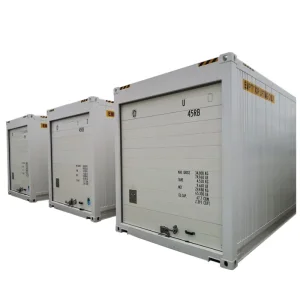
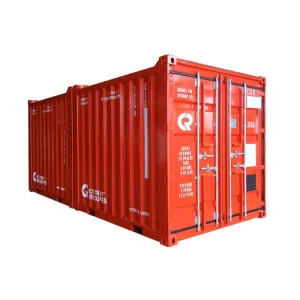
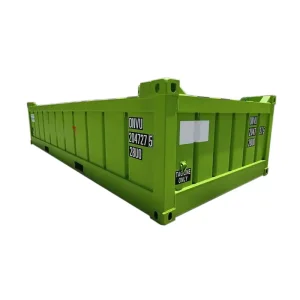
Standard marine containers fail dynamic sea-lift criteria. Our DNV 2.7-1 / EN 12079 certified offshore cargo baskets, half-height open-tops, and offshore refrigerated boxes feature specialized pad eyes, certified lifting slings, and Charpy impact-tested steels rated for -20°C North Sea dynamic wave-impact handling.
Belt and Road Eurasian Intermodal Corridors
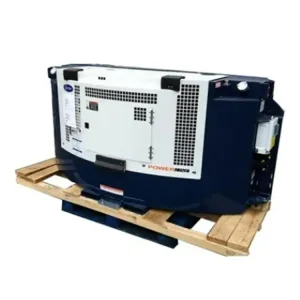
Navigating cross-border rail links between China, Central Asia, and Europe demands containers engineered for extreme seasonal temperature differentials ranging from -45°C Siberian winters to +45°C desert summers. Our insulated and diesel-powered reefer units maintain stable temperatures across continuous 10,000 km journeys.
Automotive Export Racking & High-Density Stacking
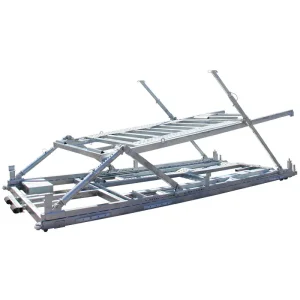
Global vehicle exports require maximum volumetric packaging density. Our custom internal vehicle transport racks secure up to four passenger sedans or SUVs within a single 40ft High-Cube container, utilizing heavy-duty ratcheting wheel chocks, pneumatic tie-down loops, and dual-tier hydraulic lift platforms.
Cold Chain Cold-Storage Food & Pharmaceutical Hubs
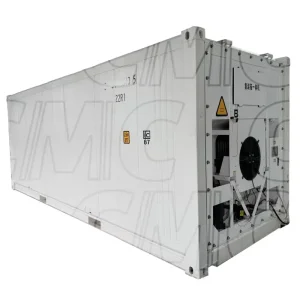
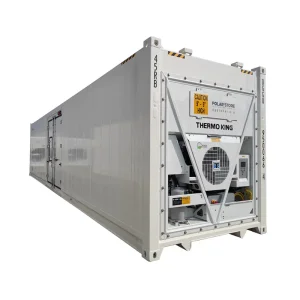
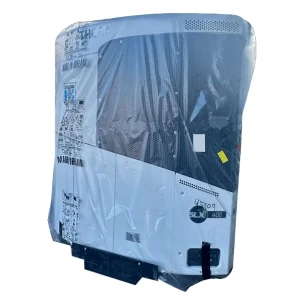
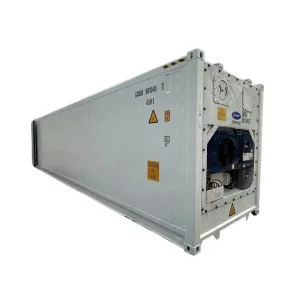
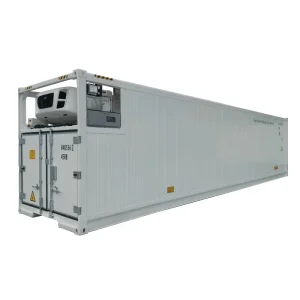
Remote agricultural packing houses and pharmaceutical distribution corridors require modular, instant cold room infrastructure. Our 40ft High Cube roll-up and side-open refrigerated containers deliver rapid, forklift-friendly staging with temperature setpoint control from -30°C to +30°C within ±0.5°C tolerances.
Heavy Mining Machinery & Soft Open-Top Solutions
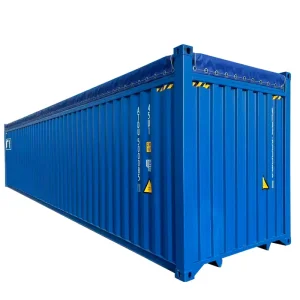
Bulky equipment, oversized heavy engine blocks, and raw extracted minerals cannot be loaded through standard end doors. Our 40ft HC soft open-top containers feature removable steel roof bows and reinforced 650g/m² PVC tarpaulins, enabling overhead overhead crane loading of heavy payloads up to 30,480 kg.
Expeditionary Modular Infrastructure & Housing
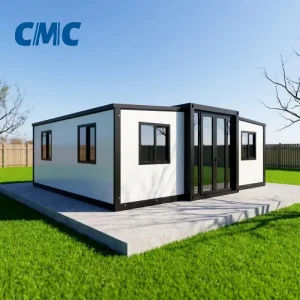
Rapid deployment of work camps, field laboratories, emergency medical command posts, and off-grid housing modules is achieved via expandable steel container modules. Built with thickened rockwool or polyurethane insulation, these units deliver flame resistance (Class A1) and exceptional thermal acoustics.
Enterprise Sourcing: Total Cost of Ownership (TCO) & Compliance
B2B procurement professionals must weigh structural longevity, tare weight efficiency, and international certification compliance against upfront container acquisition costs.
CSC & TIR Mandatory Certification
Every commercial container intended for international shipping must carry a valid CSC (Convention for Safe Containers) safety approval plate verified by accredited third parties (e.g., Bureau Veritas, Lloyd's Register). It confirms stacking tests to 216,000 kg and transverse racking resistance, alongside TIR customs sealing compliance.
CapEx vs. OpEx Thermal Efficiency
For refrigerated containers, upfront purchase price accounts for only 20% of the 10-year Total Cost of Ownership. Thermal insulation quality (K-value ≤ 0.38 W/m²K) and compressor energy efficiency directly dictate ongoing electrical and diesel expenditures, saving up to $4,500 per unit annually in operating costs.
Pre-Shipment Factory Audit Standards
Procurement teams should require rigorous pre-shipment inspections (PSI). Factory audits should include automated 6-bar water-tightness spray tests, light-leak detection, dimension laser checks to ISO 668 tolerances, and complete refrigeration pull-down data logs from +20°C down to -20°C in under 4 hours.
Comprehensive Equipment Container Specification Matrix
Reference internal dimensions, maximum gross payload ratings, and technical compliance parameters across standard, specialized, and offshore container configurations.
| Container Model Class | Ext. Dimensions (L×W×H) | Int. Volume | Tare Weight | Max Gross Mass | Primary Technical Compliance |
|---|---|---|---|---|---|
| 20ft Standard Dry (20GP) | 6,058 × 2,438 × 2,591 mm | 33.2 m³ | 2,200 kg | 30,480 kg | ISO 1496-1, CSC, BV, UIC 592 |
| 40ft High-Cube Dry (40HC) | 12,192 × 2,438 × 2,896 mm | 76.4 m³ | 3,800 kg | 30,480 / 32,500 kg | ISO 1496-1, CSC, TIR, BV |
| 40ft High-Cube Reefer (40RH) | 12,192 × 2,438 × 2,896 mm | 67.6 m³ | 4,600 kg | 34,000 kg | ISO 1496-2, ATP Class FRC, CE |
| 40ft Soft Open-Top (40OT) | 12,192 × 2,438 × 2,896 mm | 72.5 m³ | 4,100 kg | 32,500 kg | ISO 1496-1, CSC, Removable Roof Bows |
| 20ft Offshore Dry (DNV) | 6,058 × 2,438 × 2,591 mm | 29.5 m³ | 3,100 kg | 15,000 kg | DNVGL-ST-E271, EN 12079, ISO 10855 |
| 45ft Belt & Road Railway (45HC-PW) | 13,716 × 2,500 × 2,896 mm | 89.2 m³ | 4,980 kg | 34,000 kg | UIC 592, Pallet-Wide 33 Europallets |
Technical & Procurement FAQ for Equipment Containers
Direct answers from our structural engineers and export managers regarding standards, customized fabrication, coatings, refrigeration units, and logistics.
What specific steel grade is utilized, and how is marine anti-corrosion ensured?
What is the difference between standard ISO containers and DNV 2.7-1 certified offshore containers?
Can refrigerated containers operate reliably off-grid or in remote rail sectors?
Which refrigeration machinery options are available for reefer containers?
What is the lead time and minimum order quantity (MOQ) for custom-engineered OEM/ODM orders?
How do port proximity and Chinese export logistics benefit global container buyers?
Verified Equipment, Offshore & Modular Cargo Solutions
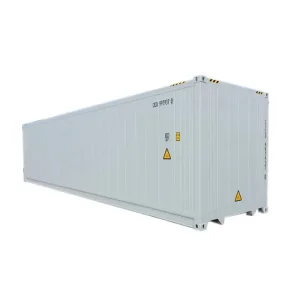
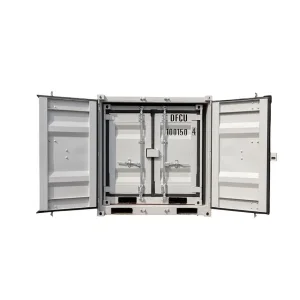
Review our specialized dry cargo, high-performance insulation, DNV offshore modules, nested mini storage sets, and modular expandable structures ready for global deployment.
Initiate Your Custom Equipment Container RFQ
Connect directly with our structural engineering and export documentation team in Tianjin. We review cargo parameters, confirm CAD technical drawings, ensure international regulatory certifications, and provide transparent factory-direct quotations within 24 business hours.