Featured Standard & Engineered Intermodal Fleet
Heavy-duty dry freight, precision reefer units, and specialized multimodal units manufactured to tight tolerances for maritime and intermodal operations.
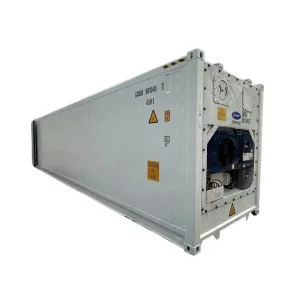
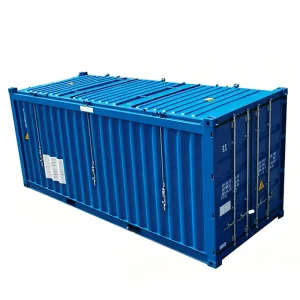
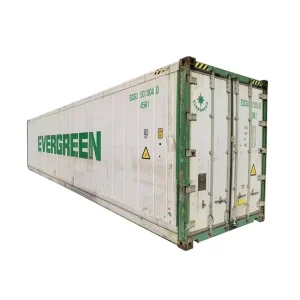
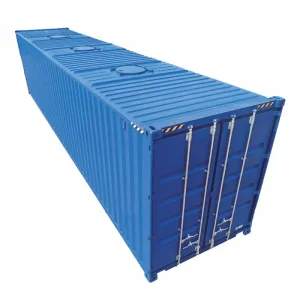
Engineering Blueprint: Length of Cargo Containers & Volumetric Optimization
Structural load-bearing capacities, tare weights, and standardized ISO 668 classifications across international freight distribution channels.
| ISO Series / Designation | External Length | Internal Clear Length | Internal Volume (m³) | Max Gross Mass (MGM) | Primary Logistic Dynamic |
|---|---|---|---|---|---|
| 10ft Standard (1D) | 2,991 mm (9' 9.75") | 2,840 mm (9' 3.8") | 15.8 m³ | 10,160 kg | Urban logistics, localized chemical transit, restricted-access construction jobsites. |
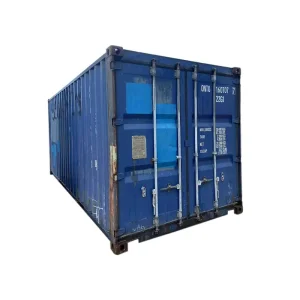
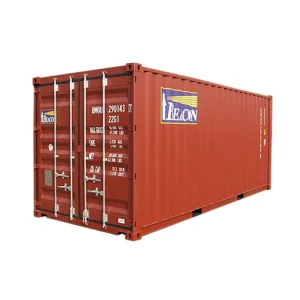
| 20ft General Purpose (1CC) | 6,058 mm (19' 10.5") | 5,898 mm (19' 4.2") | 33.2 m³ | 30,480 kg | Dense, heavy commodities: machinery, mining ores, agricultural grain, liquids in flexitanks. |
| 40ft General Purpose (1AA) | 12,192 mm (40' 0.0") | 12,032 mm (39' 5.7") | 67.7 m³ | 30,480 - 32,500 kg | Standard palletized consumer goods, electronics, automotive components, cross-ocean trade. |
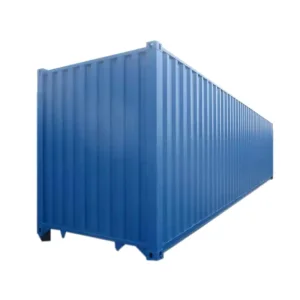
| 40ft High Cube (1AAA) | 12,192 mm (40' 0.0") | 12,032 mm (39' 5.7") | 76.4 m³ | 32,500 kg | Lightweight, volumetric cargo, retail apparel, e-commerce parcels, modular building chassis. |
| 45ft High Cube Pallet-Wide | 13,716 mm (45' 0.0") | 13,556 mm (44' 5.7") | 86.0 m³ | 34,000 kg | Trans-Eurasian railway corridors ("Belt & Road"), North American intermodal highway links. |
| 53ft Domestic Intermodal | 16,154 mm (53' 0.0") | 16,002 mm (52' 6.0") | 110.0 m³ | 30,480 kg | North American inland rail (double-stack) & long-haul interstate highway trucking logistics. |
Engineering Rule of Thumb for Length Selection: Selecting the optimal container length is governed by the payload density threshold (kg/m³). While a 20ft container maxes out structural gross mass with dense cargo like metals and industrial chemicals, a 40ft High Cube reaches volumetric efficiency for consumer retail before hitting tare-weight capacity. For temperature-critical commodities, insulated sandwich panels subtract roughly 100-150mm from internal usable length, requiring precision stowage calculations.
Global Procurement Demand & Emerging Industry Paradigms
How geopolitical rerouting, automated warehousing, and ESG cold-chain decarbonization shape the global demand for specific container lengths.
Intermodal Belt & Road Expansion
The acceleration of overland rail bridges connecting East Asia to Central Europe has sparked massive demand for 45-foot high-cube configurations. These units allow exact European pallet width (EUR-pallets) optimization without breaking bulk along railway gauge transitions.
Ultra-Precision Cold Chain Resilience
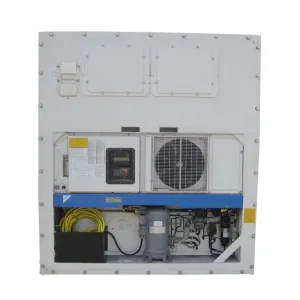
Pharmaceutical bio-freight, fresh agricultural goods, and battery components require uninterrupted thermal protection. Procurement managers prioritize 20ft and 40ft refrigerated containers equipped with IoT telematics and Carrier, Thermo King, or Daikin cooling units.
Bespoke Engineering & Modularization
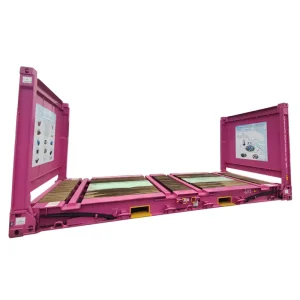
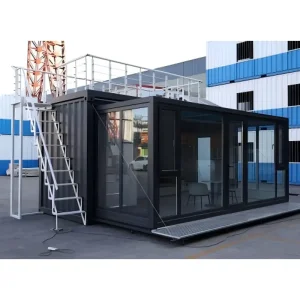
Beyond traditional freight, modern procurement teams require custom-length frameworks (10ft, 20ft platform beds, open-tops, side-open reefers) designed as mobile power sub-stations, battery energy storage systems (BESS), and deployable offshore housing.
China Factory 4.0: Precision Fabrication & Supply Chain Resilience
Leveraging robotic production lines, automated anti-corrosion coating, and port-adjacent assembly clusters in Tianjin and Suzhou.
Automated Robotic Welding
Continuous robotic submerged arc welding on side corrugated panels and corner castings minimizes human variation, ensuring structural integrity up to 9-high fully loaded stacks.
Zinc-Rich Eco Coatings
Eco-friendly waterborne paint systems, combined with blast cleaning to ISO Sa 2.5 standards, provide multi-layered defense against harsh C5-M marine salinity and ultraviolet degradation.
Full Inspection Traceability
Every single container leaving the factory floor carries a unique digital trace, including non-destructive weld testing (NDT), water-spray weather-tightness validation, and Bureau Veritas certification.
100km Port Cluster Radius
Operating manufacturing infrastructure within 100 kilometers of the deepwater ports of Tianjin and Shanghai eliminates inland transport choke points and shortens ocean dispatch timelines.
Localized Industrial Deployments & Strategic Use Cases
Engineered container configurations optimized for offshore rigs, intermodal rails, cold-chain hubs, and rapid modular infrastructure.
Offshore Energy & Marine Operations
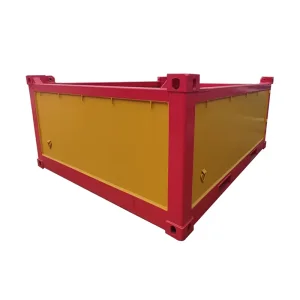
In high-seas North Sea and Gulf of Mexico environments, standard containers are insufficient. DNV 2.7-1 / EN 12079 certified offshore baskets and specialized half-height containers handle extreme dynamic shock loads during crane transfers between vessels and deepwater drill rigs.
Agri-Food Intermodal Corridors
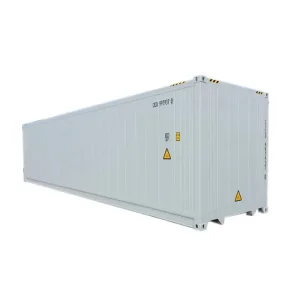
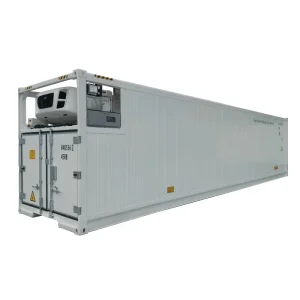
Preserving seasonal produce from Chilean vineyards or Mediterranean citrus groves requires 40ft High Cube reefer units with integrated Controlled Atmosphere (CA) technology, reducing oxygen and carbon dioxide levels to slow down produce respiration over 30-day ocean voyages.
Hazardous Liquid & Bulk Chemicals
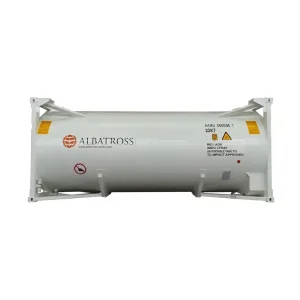
20ft ISO tank containers built with 316L stainless steel vessels and high-efficiency steam-heating jackets ensure secure transit for toxic liquids and pressurized gases, preventing transshipment decanting risks at destination chemical complexes.
Frequently Asked Technical & Sourcing Inquiries
Essential insights covering ISO tolerances, manufacturing specifications, structural durability, and custom OEM guidelines.
What is the exact difference between 40ft GP and 40ft HC container lengths and profiles?
Both standard 40ft General Purpose (GP) and 40ft High Cube (HC) share an identical external length of 12,192 mm (40 feet) and external width of 2,438 mm (8 feet). The structural variance lies strictly in the height profile: High Cube units offer 2,896 mm (9' 6") versus the 2,591 mm (8' 6") of standard GP units. This gives High Cube units an additional 305 mm of vertical clearance, increasing internal cubic capacity from 67.7 m³ to 76.4 m³.
How does thermal insulation affect the internal usable length of refrigerated cargo containers?
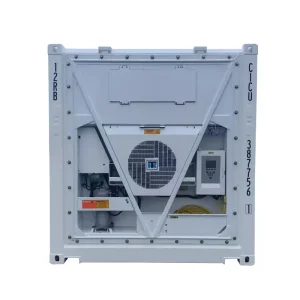
Reefer containers incorporate high-density polyurethane foam injected between structural stainless steel/aluminum walls. The front end accommodates the mechanical cooling machinery (Carrier, Thermo King, Daikin), reducing usable internal length from 12,032 mm (in a dry box) down to approximately 11,583 mm. Internal length calculations must factor in the front bulkhead machinery offset and the rear door vacuum-seal thickness.
Why is Corten-A (SPA-H) steel specified for marine container manufacturing?
SPA-H atmospheric corrosion-resistant steel (commonly called Corten) forms an adherent copper-phosphide oxide barrier when exposed to ambient moisture and sea fog. This patina prevents corrosion from penetrating deeper into the core substrate. It delivers superior yield strength (≥ 355 MPa) compared to standard mild structural steels, preserving dimensional stability during rough ocean transits.
Can your factory produce non-standard custom length configurations (e.g., 10ft, 30ft, or 45ft)?
Yes. Our engineering production base in Tianjin specializes in tailored OEM and ODM orders. We design and fabricate custom 10ft equipment shelters, 30ft bulk storage units, and extended 45ft/48ft intermodal boxes. Every customized dimension is engineered with certified corner castings and analyzed using finite element modeling (FEM) to verify ISO racking and stacking integrity before steel cutting begins.
What quality assurance certifications accompany second-hand or refurbished units?
Every pre-owned container in our inventory undergoes a thorough 7-point structural inspection. This covers corner casting soundness, under-structure cross-member straightness, lock-rod alignment, and door gasket weather-tightness. Units are certified Cargo Worthy (CW) or repaired to IICL-6 international leasing standards, supported by BV-verified inspection certificates before dispatch.
What lead time is required for custom fleet production runs and container deliveries?
Standard ISO 20ft and 40ft production runs typically require 15 to 25 business days from drawing sign-off to port gate-in. Complex customizations—such as multi-door layouts, stainless-steel tank containers, or explosion-proof offshore modifications—generally require 30 to 45 business days. Our Tianjin facilities are positioned near major terminals, minimizing domestic inland delay.
Offshore, Insulated, Flat-Rack & Modular Container Series
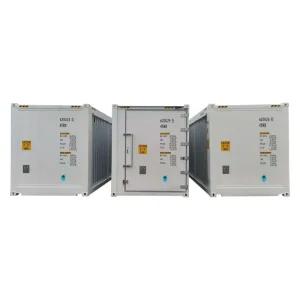
Engineered specialty units designed for deep-sea mining, thermal transit, heavy machinery loading, and modular infrastructure builds.