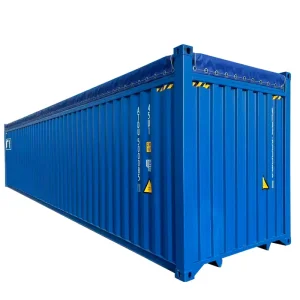
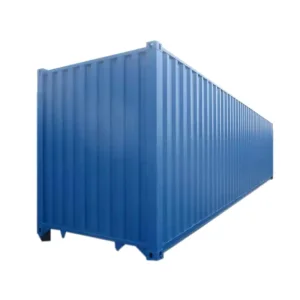
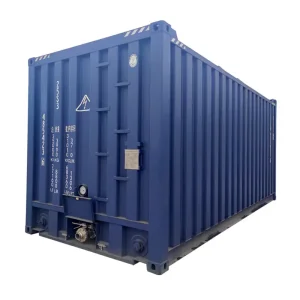
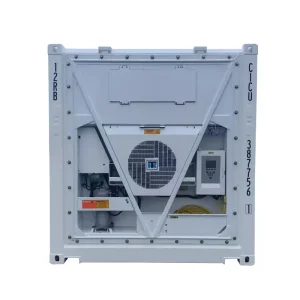
Featured Industrial Shipping & Storage Units
Engineered standard and specialized intermodal containers available for direct export with complete BV, ISO, and DNV certifications.
China Factory Advantages & The Determinants of Container Rates
Understanding structural cost drivers, raw material metallurgy, and supply-chain proximity that define modern intermodal container pricing structures.
Corten-A Steel Supply Cluster
Over 90% of global intermodal container production relies on atmospheric corrosion-resistant Corten-A steel. Chinese manufacturing facilities in Tianjin and Jiangsu benefit from direct upstream integration with tier-1 steel mills, eliminating cross-border tariff spikes and reducing structural material costs by 18-24% compared to European or North American fabricators.
Automated Robotic Welding & Precision
Modernized automated production lines execute continuous submerged arc welding and robotic multi-axis seam joins. This guarantees IP65/IP67 weatherproofing integrity, uniform paint thickness (zinc-rich primer plus epoxy intermediate coats), and compliance with ISO 1496/1 load requirements, lowering post-sale maintenance liabilities.
100km Port Proximity & FOB Optimization
Facilities positioned within 100km of Tianjin and Shanghai maritime hubs drastically eliminate inland transit drayage fees. Direct quay access allows efficient repositioning, consolidation of empty repositioned units, and immediate slot booking on outbound line-haul container vessels, reducing lead-time overhead.
Global Intermodal Trends & Next-Gen Container Solutions
The convergence of IoT telematics, cryogenic preservation, energy-density battery modularization, and strict ESG compliance protocols.
Smart IoT Telematics & Cold Chain Visibility
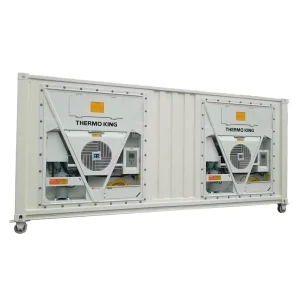
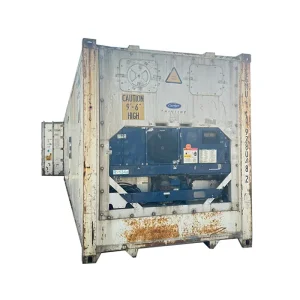
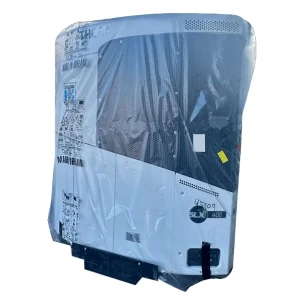
Modern reefer and offshore fleets demand real-time telemetric logging. Standard units are increasingly specified with Carrier, Daikin, or Thermo King telemetry interfaces that feed real-time atmospheric temp, humidity, oxygen levels, and structural vibration metrics to cloud systems via satellite relays.
DNV 2.7-1 / EN 12079 Offshore Rigidity
For high-risk deep-sea drilling platforms, conventional ISO frames are insufficient. Offshore engineering mandates certified dynamic lifting lugs, pad-eyes, heavy-duty sling sets, and metallurgical Charpy V-notch impact testing to withstand -20°C wave slammed offshore environments.
Energy Storage System (BESS) Enclosures
The global transition to renewable grid stabilization has transformed the container into an energy chassis. Custom ODM high-cube designs incorporate integrated thermal management, FM-200 fire suppression channels, reinforced floor loading up to 40,000 kg, and custom internal ducting for lithium battery racks.
ODM Container Rate Benchmark & Specifications Matrix
Comparative structural parameters and baseline production cost reference for international EPC contractors, shipping lines, and fleet operators.
| Container Classification | Standard Dimensions (L × W × H) | Material / Unit Architecture | Max Gross Weight | Target Sector Application | Est. Rate Tier (ODM Baseline) |
|---|---|---|---|---|---|
| 20ft Standard Dry Cargo (GP) | 6,058 × 2,438 × 2,591 mm | Corten-A Steel, 28mm Plywood Floor | 30,480 kg | General Freight, Palletized Cargo, Tiles | Cost Optimized / Volume Tier |
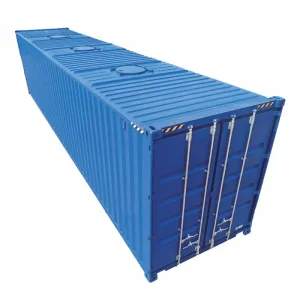
| 40ft High Cube Dry Cargo (HC) | 12,192 × 2,438 × 2,896 mm | Corrugated Corten Panels, Anti-Rack Locks | 32,500 kg | Voluminous Consumer Goods, E-Commerce | High Efficiency / Baseline Volume |
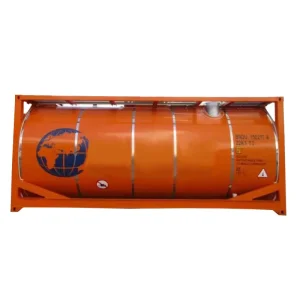
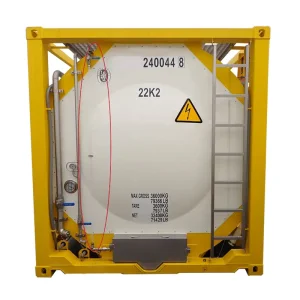
| 20ft ISO Liquid Tank Container | 6,058 × 2,438 × 2,591 mm | SS316L Inner Vessel, Rockwool Insulation | 36,000 kg | Potable Water, Food Spirits, Chemicals | Specialized Tank Tier |
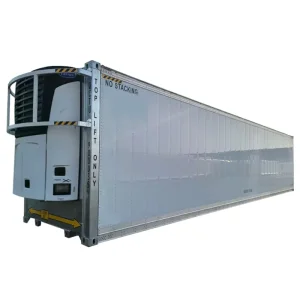
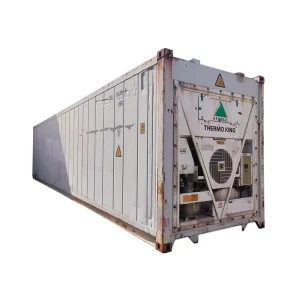
| 40ft High-Cube Blast Reefer | 12,192 × 2,438 × 2,896 mm | SS Interior, Thermo King / Carrier Units | 34,000 kg | Perishable Meat, Deep Freeze Seafood (-35°C) | Advanced Thermal Tier |
| DNV 2.7-1 Offshore Unit | Tailored / 10ft / 20ft Profiles | Low-Alloy Quenched Steel, Padeyes, Slings | 15,000 - 25,000 kg | North Sea Rig Support, Harsh Sub-Zero Marine | Engineered Offshore Tier |
Enterprise Procurement Demands & Localized Deployments
How diversified enterprise buyers configure container solutions across unique logistical constraints and regulatory jurisdictions.
Cold Chain Cold-Storage Yards (Africa & Latin America)
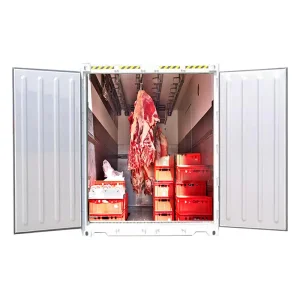
Where centralized refrigeration warehousing infrastructure is deficient, agribusiness operations employ modular clusters of 40ft High-Cube Reefers and Hanging Meat Units. These units function as plug-and-play stationary and mobile cold-storage assets capable of operating smoothly in high ambient conditions (up to +50°C).
Intermodal Rail Corridors (Eurasia / Central Asia)
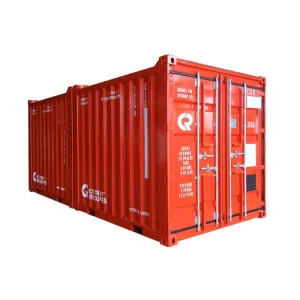
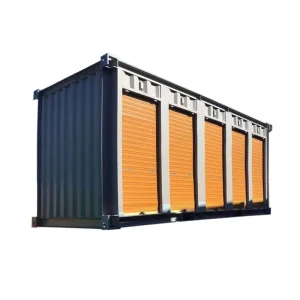
Cross-border rail networks encounter harsh mechanical vibrations and dynamic coupling shocks. ODM roll-up door containers and bulk units feature reinforced end-wall panels and floor corrugation that resist longitudinal acceleration forces during rail hump yard shunting.
Mining & Heavy Slag Logistics (Australia & South America)
Dense mineral ores crack conventional plywood flooring. Specialized half-height containers and open-top tarpaulin containers are engineered with high-tensile Domex steel floor plates and self-discharging pivot mechanisms, accelerating bulk discharge turnarounds at mineral handling docks.
Frequently Asked Questions on ODM Container Procurement
Comprehensive engineering, pricing, logistics, and quality assurance clarifications for global sourcing agents.
How does the ODM custom design process work for non-standard containers?
The ODM workflow starts with an extensive design review covering your specific cargo geometry, payload distribution, environmental factors, and lifting procedures. Our CAD/FEA engineering team drafts precise structural schematics, validates corner fitting stress loads, and presents complete 3D mechanical drawings. Once the design is validated by client sign-off and notified body verification (e.g., BV, ABS, or LR), physical prototyping, full-scale destructive testing, and mass production commence.
What variables directly determine the rate of container pricelist?
Container pricelists are fundamentally anchored to five key variables: 1) The London Metal Exchange (LME) Corten steel plate rate; 2) Micro-alloyed specialty components such as stainless-steel liners (SS304/SS316L) or polyurethane insulation density; 3) Specified refrigeration equipment brand (e.g., Thermo King, Carrier, Daikin); 4) International shipping class survey and certificate issuance fees (BV, DNV, CSC); and 5) Inland drayage fuel tariffs between assembly lines and loading seaport berths.
What is the practical lifespan and anti-corrosion rating of an export container?
Properly built ISO intermodal containers utilizing SPA-H or Corten-A grade weathering steel feature an active maritime design lifespan exceeding 15 to 25 years. Surface preparation requires SA 2.5 blast cleaning, followed by a total dry film thickness (DFT) of 120-140 microns using two-pack zinc-rich epoxy primers, high-build epoxy intermediate barriers, and polyurethane or acrylic topcoats designed for maximum C5-M marine exposure resistance.
Can you provide one-way shipper-owned container (SOC) leasing arrangements?
Yes. For major buyers seeking to circumvent costly carrier-owned container (COC) demurrage charges and empty repositioning fees, we provide SOC-ready export units loaded directly at ports such as Tianjin, Qingdao, and Shanghai. These containers are fully registered on the BIC (Bureau International des Containers) database with valid CSC safety plates ready for international line-haul ocean transit.
Engineered & Specialized Intermodal Units
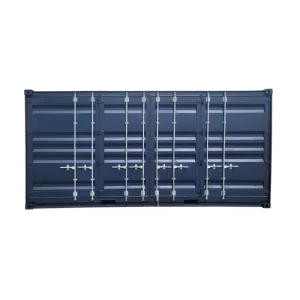
Advanced reefers, certified offshore frames, liquid vessels, and customized side-access intermodal containers.