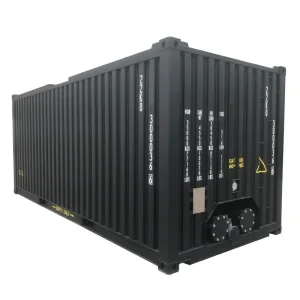
Thermal Logistics
China 20 Feet Heated Shipping Asphalt Container Exporter, Manufacturers
Engineered for offshore energy extraction, dynamic asphalt logistics, and cold chain distribution, each unit is manufactured to strict ISO 1496 and classification society mandates.
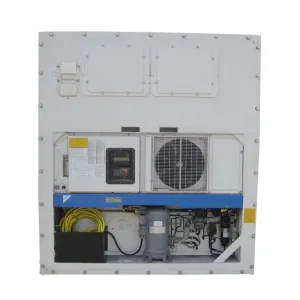
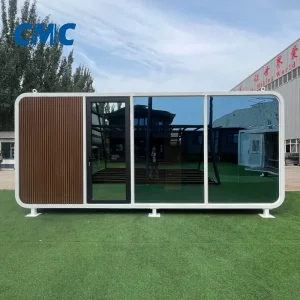
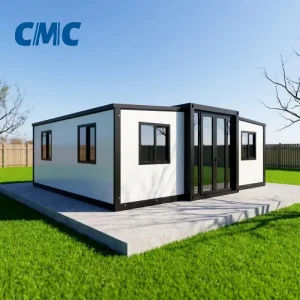
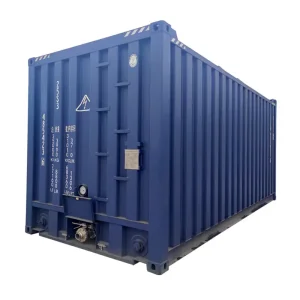
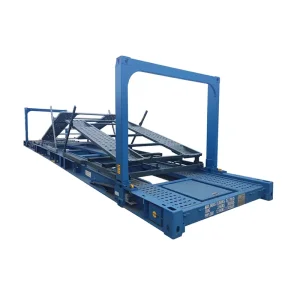
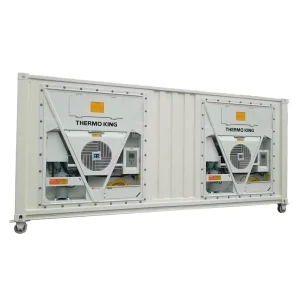
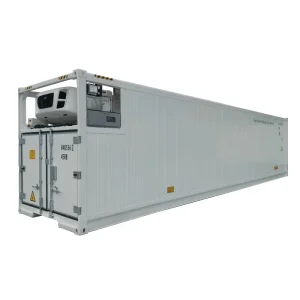
In modern global supply chain logistics, standardized and specialized containers form the structural backbone of physical commerce. What the enterprise sector references as an "ODM Shipping Container Name" spans far beyond static structural steel boxes: it encapsulates intelligent intermodal containers engineered for extreme cold-chain preservation, complex chemical transport, and decentralized modular infrastructure.
The worldwide commercial landscape is undergoing radical structural changes driven by geopolitical supply line shifts, deep-sea route reconfigurations, and the expansion of the Eurasian railway network. High Cube dry freight boxes, heated asphalt units, and specialized 45ft rail containers are seeing unprecedented utilization as global corporations demand low tare weights and elevated structural payloads.
Stringent global climate protocols require refrigeration systems to adopt lower GWP (Global Warming Potential) refrigerants and variable-frequency DC inverters. The integration of high-density cycloisopentane polyurethane insulation matrices ensures uniform temperature stability across deep freezing tolerances (-30°C to -60°C for blast reefer variants) while cutting overall energy consumption.
Cross-industry convergence has transformed standardized ISO containers into deployable off-grid assets. Pre-engineered modular cabins, expandable field hospitals, and industrial power station units now rely on corten steel skeletons (SPA-H), offering seismic protection and structural durability that traditional timber or light-gauge framing cannot match.
Producing more than 90% of the world’s ISO intermodal equipment, Chinese container manufacturing hubs—predominantly clustered around key maritime corridors like Tianjin, Yangtze River Delta, and Pearl River Delta—offer unmatched ecosystem cohesion, raw material procurement efficiency, and advanced robotics automation.
China’s concentrated steel refining clusters provide direct, on-demand feeds of premium Corten steel (SPA-H/Q345D). This raw material proximity cuts supply chain lead times and mitigates international spot market volatility. Fabricators can rapidly secure high-tensile corrugated panels, precision-forged corner castings, and heavy-gauge cross members at stable price curves.
Modern production lines utilize multi-axis tandem submerged-arc welding robots and laser seam inspection arrays to guarantee full penetration joints on all primary stress-bearing posts and corner fittings. In-line shot blasting to SA 2.5 standard combined with zinc-rich epoxy primers and polyurethane topcoats ensures superior resistance against salt spray corrosion exceeding 1,500 continuous hours.
Manufacturing operations are continuously overseen and approved by global classification societies, including Bureau Veritas (BV), Det Norske Veritas (DNV), American Bureau of Shipping (ABS), and Lloyd’s Register (LR). Units undergo hydraulic pressure tests, six-high dynamic stacking simulations, transverse racking verifications, and airtightness tests before receiving their CSC safety certification plates.
A comprehensive comparison of core container platforms engineered across dry bulk, thermal preservation, and high-cube intermodal variants.
| Platform Category | External Dimensions (L×W×H) | Tare Weight (±3%) | Max Payload Capacity | Internal Volume | Primary Industrial Sector |
|---|---|---|---|---|---|
| 20ft Standard Dry (20GP) | 6,058 × 2,438 × 2,591 mm | 2,230 kg | 28,250 kg | 33.2 m³ | High-density industrial dry bulk & raw materials |
| 40ft High-Cube Dry (40HC) | 12,192 × 2,438 × 2,896 mm | 3,900 kg | 26,580 kg | 76.4 m³ | Volumetric consumer packaged goods, modular framing |
| 20ft Heated Asphalt Unit | 6,058 × 2,438 × 2,591 mm | 4,100 kg | 26,380 kg | 24.5 m³ | Bitumen, liquid asphalt, petrochemical tar transport |
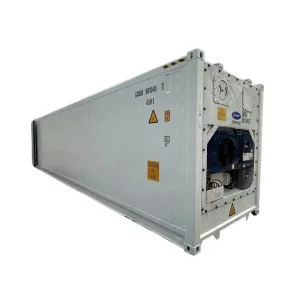
| 40ft High-Cube Reefer (40RH) | 12,192 × 2,438 × 2,896 mm | 4,480 kg | 29,520 kg | 67.6 m³ | Global cold chain: pharmaceuticals, seafood, meat |
| 45ft Belt & Road Rail Unit | 13,716 × 2,438 × 2,896 mm | 4,820 kg | 29,180 kg | 86.5 m³ | Trans-Eurasian long-distance consolidated intermodal rail |
Corporate supply officers, fleet operations managers, and municipal EPC contractors must balance initial capital expenditure (CAPEX) with operational life expectancy (OPEX). Selecting the optimal manufacturing partner requires clear alignment on technical design, classification oversight, and regional logistical feasibility.
Procuring high-value assets requires thorough Design for Manufacturability (DFM) reviews. Leading Chinese manufacturing partners provide comprehensive 3D CAD modeling, finite element analysis (FEA) for stress-point validation, and custom interior cutouts for specialized doors, side-open panels, roll-up gates, and cryogenic plumbing configurations.
A holistic procurement evaluation balances steel gauges, floor coatings, and mechanical components against long-term maintenance costs. For reefer fleets, choosing proven cooling powerhouses like Carrier, Daikin, or Thermo King directly reduces downtime in developing markets where localized spare parts access is critical.
Shipping empty newly built containers globally incurs massive repositioning costs. Tier-1 Chinese manufacturers counter this by coordinating "SOC (Shipper Owned Container) one-way freight" operations. These brand-new units carry commercial cargo on their maiden outbound voyage, dramatically lowering landing freight costs for buyers in Europe, the Americas, and Africa.
The future of intermodal logistics is driven by digital transparency, sustainable green manufacturing practices, and autonomous structural monitoring systems.
Telemetry Sensor Uptime
Lifecycle Thermal Losses
Recyclable Structural Alloy
Automated Surface Preparation
Embedded low-power IoT transceivers communicate over dual cellular/satellite constellations to stream internal cabin atmospheric parameters, door open/close cycles, temperature profiles, and physical shock vectors directly to cloud ERP consoles.
Next-generation cold chain units combine vacuum insulation panels (VIP) with integrated passive phase change materials (PCM). This hybrid insulation retains freezing temperatures for up to 72 hours during unexpected compressor power losses at transshipment points.
Meeting the European Union’s Carbon Border Adjustment Mechanism (CBAM) requires modern plants to shift toward scrap-based electric arc furnace (EAF) steel and zero-VOC waterborne coatings, cutting Scope 1 and Scope 2 emissions across the production cycle.
Clear technical insights addressing the key operational questions asked by purchasing directors, technical officers, and global freight forwarders.
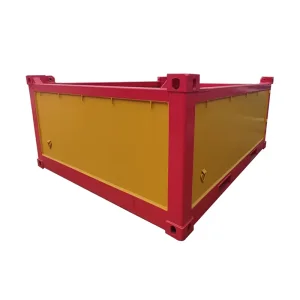
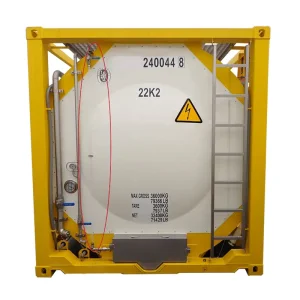
We engineer a comprehensive line of standard ISO and custom intermodal units: standard dry cargo containers (20GP, 40GP, 40HC), high-precision reefer containers (fitted with Thermo King, Carrier, or Daikin units), specialized offshore cargo baskets and containers (DNV 2.7-1 / EN 12079 certified), heated liquid asphalt containers, 20ft square liquid ISO tanks, and expandable modular prefabricated houses. Second-hand, cargo-worthy certified used containers are also stocked across major Chinese coastal hubs.
Yes. We specialize in custom OEM and ODM orders. Our engineering teams review your specific cargo dimensions, operating routes, and environmental conditions. We develop CAD blueprints, carry out finite element analysis (FEA) simulations, configure internal tie-down positions, roller shutter doors, insulation options, and auxiliary genset provisions, confirming all specifications before steel cutting begins.
Every unit is built strictly to ISO dimensional standards (ISO 668, ISO 1496-1) and certified by recognized IACS classification societies including Bureau Veritas (BV), Det Norske Veritas (DNV), and ABS. All containers carry a valid CSC (International Convention for Safe Containers) safety approval plate. Offshore units are specifically certified to DNV 2.7-1 / ISO 10855 standards for open-sea crane lifting operations.
Our reefer units can be outfitted with genuine factory machinery from the world’s leading cold-chain equipment builders: Thermo King (Magnum Plus), Carrier Transicold (PrimeLINE / ThinLINE), and Daikin (LXE series). These are available across 10ft, 20ft, 20HC, 40ft, and 40HC configurations, delivering temperature control ranges from +30°C down to -35°C (and down to -60°C on dedicated blast freezer units).
Primary manufacturing and assembly facilities are situated in Tianjin and Suzhou, strategically placed roughly 100 km from major international seaports. This close port proximity minimizes inland transport costs and simplifies vessel berthing schedules, allowing fast shipping to main markets across Africa, Europe, North America, Latin America, and Oceania.
Standard ISO dry freight boxes generally require an MOQ of 1 to 5 units, with large-scale production runs moving straight into automated assembly lines. Specialized custom ODM builds—such as side-open reefers, blast freezers, and insulated tanks—normally have an MOQ of 1 to 2 units for initial prototyping. Standard production cycles run between 20 and 35 calendar days following drawing sign-off and classification approvals.
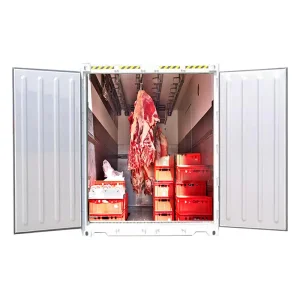
Explore our full line of specialized intermodal assets, from solar-assisted refrigerated units and high-pressure chemical tanks to offshore transfer baskets and meat-hanging cold rooms.