
High-Performance Intermodal & Special Logistic Equipment
Verified structural compliance conforming strictly to ISO 1496-1, CSC, UIC, and major marine classification societies (BV, ABS, DNV, Lloyd's Register).
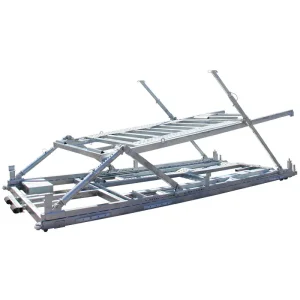
China vehicle transport rack Product, Exporters
Configure & Inquiry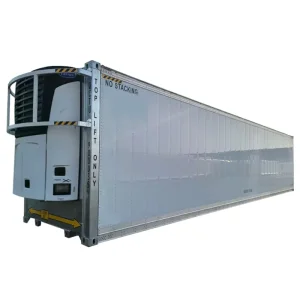
China Carrier X4-7300 Refrigeration and Electricity Integrated Container Exporter, Products
Configure & Inquiry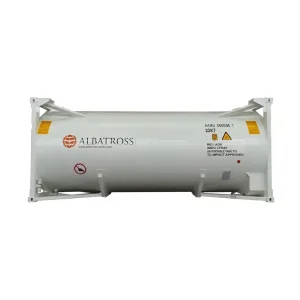
China 25000 Liters ISO 20ft Gas Tank Container for Sale Product, Factories
Configure & Inquiry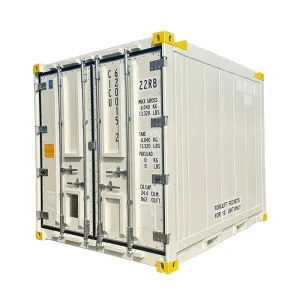
High-Quality New 10ft Certified Thermo King Freezer Container Exporter, Manufacturers
Configure & Inquiry
High-Quality New Offshore Basket Container for Offshore Operations Exporter, Exporters
Configure & Inquiry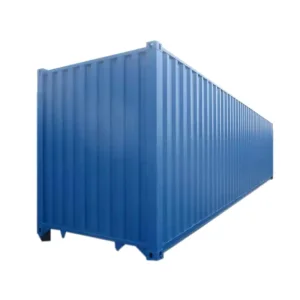
China 40ft High Cube Certified Dry Cargo Shipping Container contaoner Factory, Product
Configure & Inquiry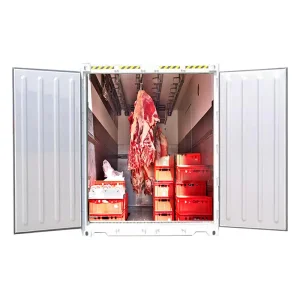
High-Quality Brand new hanging meat container for low temperature fresh transportation Pricelist, Products
Configure & Inquiry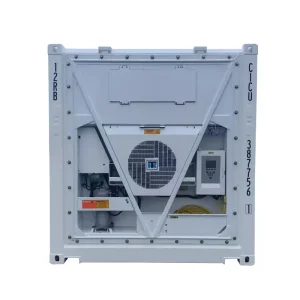
OEM 20ft Offshore Refrigerated Container DNV Certification Is More Durable Exporter, Exporters
Configure & InquiryWhy China's Coastal Manufacturing Hubs Dominate Standard Dry Container Production
An exhaustive analysis of metallurgical superiority, smart line automation, and coastal intermodal consolidation.
Structural Metallurgy: The Standard of Atmospheric Corrosion-Resistant Corten Steel (SPA-H)
In global intermodal logistics, the dry container is subjected to some of the most unforgiving dynamic and environmental stresses on earth. From salt-fog saturated ocean spray during transpacific maritime voyages to cyclic temperature shocks across Eurasian continental railways (-40°C to +50°C), structural integrity is non-negotiable. Leading Chinese manufacturers leverage an indigenous, vertically integrated supply chain of SPA-H grade atmospheric corrosion-resistant Corten steel, recognized under JIS G3125 standards.
Unlike standard carbon steels (such as Q235B or structural mild steels), SPA-H exhibits an alloying matrix enriched with copper, chromium, nickel, and phosphorus. Upon atmospheric exposure, it precipitates a dense, self-healing oxide patina (ferrous amorphous ferric oxyhydroxide) that permanently halts further oxygen penetration. Our Tianjin and Suzhou industrial production lines apply advanced robotic continuous submerged arc welding (SAW) and metal active gas (MAG) processes, ensuring full weld-root penetration along all corner casting junctures, longitudinal bottom rails, and corrugated side panelling. This ensures that every 20ft and 40ft standard dry container effortlessly surpasses the 9-high fully laden stacking test (exceeding 216,000 kg racking load capability per post corner).
Port-Proximate Hubs
Situated within 100 km of major deep-water ports (Tianjin Xingang, Shanghai, Ningbo), eliminating costly domestic multi-leg inland haulage. Empty repositioning costs drop to zero by loading one-way export cargo directly at our gates.
- Immediate berth access for direct ship-side loading
- Elimination of intermediate drayage detention risks
- Real-time customs clearance at bonded terminal yards
Robotic Production Scale
Utilizing high-speed automated roll-forming machines and multi-axis welding robots. Daily throughput guarantees uniform corrugated pitch tolerances and seamless corner casting alignment within ±1.5 mm.
- Automated shot blasting to SA 2.5 purity standard
- Zinc-rich shop primer applied within 3 minutes of blast
- Precision laser dimensional verification before painting
Eco-Waterborne Coating
Fully compliant with international VOC reduction mandates. Three-coat exterior systems (zinc-rich primer, epoxy intermediate, polyurethane topcoat) delivering 120-150 microns dry film thickness (DFT).
- Salt spray resistance exceeding 1,500 hours
- Food-grade non-toxic interior epoxies standard
- Extreme resistance against UV chalking and blistering
Emerging Technology Trends in Standard Dry Container Engineering
How IoT sensorization, circular material flooring, and tare weight optimization are revolutionizing maritime fleets.
Smart IoT Telemetry
Factory-integrated flush-mount telemetry nodes tracking real-time GPS geolocation, shock/impact telemetry (>2G events), acoustic hatch-opening intrusion sensors, and humidity threshold breaches.
- ATEX Zone 2 explosion-proof rated battery units
- Solar trickle-charge panels inset into roof corrugations
- Direct integration with enterprise SAP/Oracle TMS via API
Sustainable Flooring Tech
Moving away from endangered tropical Apitong/Keruing timber. Our factories lead the transition to hybrid bamboo-hardwood composite floors, high-density polyethylene (HDPE) inserts, and galvanized steel planking.
- Passed 7,260 kg (16,000 lb) forklift axle wheel load test
- Compliant with Australian Quarantine (AQIS) treatment
- Zero formaldehydes and ultra-low moisture absorption
Lightweight High-Strength Alloys
Advanced hot-rolled high-yield steel formulations reduce tare weight by up to 320 kg per 40ft High Cube unit without degrading racking capacity, directly increasing revenue-generating payload capacity.
- Immediate reduction in fuel burn per metric ton-kilometer
- Improved TEU slot efficiency on ultra-large container vessels
- Enhanced lifecycle durability against repeated rough drayage
Cross-Sector Intermodal Cargo Solutions
Engineered adaptations transforming standard dry boxes into specialized multi-industry logistics workhorses.
Automotive Complete Knocked-Down (CKD) & Finished Vehicle Logistics
The traditional Ro-Ro (Roll-on/Roll-off) vessel shipping model suffers from extreme capacity bottlenecks, high spot tariffs, and route inflexibility. In response, our ODM engineering unit has pioneered integrated containerized vehicle racking systems that transform standard 40ft High Cube dry cargo containers into multi-level vehicle delivery modules.
By fitting specialized internal longitudinal structural lashing rails, flush-mounted floor D-rings (tested to 5,000 daN break strength), and automated hydraulic vehicle racking frameworks, shippers can securely pack three to four full-sized SUVs or EV sedans inside a single 40HC dry container. The sealed Corten box provides 100% weather and salt-air shielding, eliminating the exterior paint abrasion, hail damage, and vandalism common on open car carriers.
High-Density Mineral, Bulk Chemical, & Grain Liner Optimization
Dry bulk operators carrying quartz sand, lithium ore concentrate, plastic resins, and malt grains frequently struggle with tare efficiency and discharge bottlenecks. We engineer custom dry containers with reinforced corrugated end-walls, integrated roof loading hatches (spun aluminum or stainless steel), and heavy-duty front discharge bulkhead systems.
When combined with single-use food-grade co-extruded PE/PP flexitanks and dry bulk sea liners, our standard dry boxes seamlessly bridge the gap between dry general cargo vessels and specialized bulk ships. Shippers preserve pure intermodal velocity—transferring from coastal container feeder vessels directly onto standard rail flatcars without intermediate re-bagging or terminal transloading.
Standard ISO Dry Freight Container Specifications Reference
Technical benchmarks for structural procurement evaluations according to ISO 668 and ISO 1496-1 design classifications.
| Container Model | External Dimensions (L × W × H) | Internal Dimensions (L × W × H) | Door Opening (W × H) | Internal Volume | Max Gross Mass | Payload Rating |
|---|---|---|---|---|---|---|
| 20ft Standard Dry (20GP) | 6,058 × 2,438 × 2,591 mm | 5,898 × 2,352 × 2,393 mm | 2,340 × 2,280 mm | 33.2 m³ (1,172 cu.ft) | 30,480 kg (67,200 lbs) | 28,250 kg (62,280 lbs) |
| 40ft Standard Dry (40GP) | 12,192 × 2,438 × 2,591 mm | 12,032 × 2,352 × 2,393 mm | 2,340 × 2,280 mm | 67.7 m³ (2,390 cu.ft) | 30,480 kg (67,200 lbs) | 26,730 kg (58,930 lbs) |
| 40ft High Cube (40HC) | 12,192 × 2,438 × 2,896 mm | 12,032 × 2,352 × 2,698 mm | 2,340 × 2,585 mm | 76.4 m³ (2,698 cu.ft) | 30,480 kg (67,200 lbs) | 26,580 kg (58,600 lbs) |
| 45ft High Cube Dry (45HC) | 13,716 × 2,438 × 2,896 mm | 13,556 × 2,352 × 2,698 mm | 2,340 × 2,585 mm | 86.1 m³ (3,040 cu.ft) | 30,480 kg (67,200 lbs) | 25,700 kg (56,660 lbs) |
Engineered for Global Geographic & Climatic Extremes
How customized metallurgical, sealing, and passive thermal modifications ensure cargo survivability worldwide.
Sub-Zero Arctic Transit
Navigating the trans-Siberian and northern Canadian railway routes where winter temperatures plumet below -40°C. Standard rubber seals freeze, shatter, and breach the interior seal.
- Low-temperature impact notched Charpy steel (-40°C rated)
- EPDM low-temperature specialized elastomeric door gaskets
- Zero cold-embrittlement structural corner casting formulation
Desert High-Solar Radiation
Operating across Arabian Peninsula ports and sub-Saharan trade lanes where roof skin temperatures exceed 80°C. Radiative heat quickly degrades packaged goods and polymers.
- Infrared-reflective hyper-white silicone-modified topcoats
- ODM passive labyrinth side-wall aeration vents
- Secondary inner reflective radiant barrier shielding options
Tropical High-Humidity Sea Lanes
Transiting the Malacca Strait and equatorial maritime belts where persistent 95% relative humidity induces "container sweat" and heavy condensation rain inside uninsulated steel walls.
- Anti-condensation absorbent micro-porous ceiling coatings
- Enhanced labyrinth baffled PVC ventilation modules
- High-retention desiccant hanging brackets integrated into rails
Enterprise Procurement Criteria: Total Cost of Ownership (TCO) vs. Initial CapEx
Critical frameworks for leasing corporations, freight forwarders, and EPC conglomerates procuring fleet equipment.
Verification of Classification Society Certification & CSC Approval Plates
A shipping container cannot enter intermodal circulation without a legally certified, corrosion-resistant CSC (Convention for Safe Containers) safety approval plate permanently riveted to the left door exterior. Sophisticated procurement directors verify that factory quality assurance documents match third-party classification societies: Bureau Veritas (BV), American Bureau of Shipping (ABS), Det Norske Veritas (DNV), or Lloyd's Register (LR).
Our production protocols subject representative factory sample units to comprehensive destructive and non-destructive type tests witnessed by class surveyors. These include:
- Stacking Test: Static compression of 86,400 kg per post column applied to the 4 corner castings concurrently.
- Transverse & Longitudinal Racking Test: Dynamic lateral hydraulic loads up to 150 kN to replicate severe vessel rolling and pitching.
- Floor Strength Test: Driving an automated test trolley carrying a 5,460 kg test mass across the floor area, verifying residual deflection does not exceed 3 mm.
- Weatherproof Weather-Tightness Test: High-pressure water jet spraying at 100 kPa from a 1.5-meter standoff distance along all gasket seams and welded joints.
One-Way SOC Advantage
Procure containers as Shipper Owned Containers (SOC). Load them with regular factory export shipments from China to save 100% of empty equipment repositioning costs at the destination discharge port.
- Elimination of destination detention and demurrage penalties
- Immediate asset monetization via local resale at inland hubs
- Ultimate flexibility for remote EPC and project cargo staging
Factory Audit Checkpoints
Never procure without strict supplier qualification: verify automated shot-blasting grit profile (G40 steel grit), dry film thickness gauges, and weld radiographic non-destructive examination (NDE) logs.
- Strict metallurgical mill test certificates (MTC) for SPA-H
- Continuous calibration records for robotic welding jigs
- Full traceability from raw steel coils to completed unit CSC plate
Life-Cycle TCO Calculus
A cheaper container built from low-grade carbon steel degrades within 5 years. Corten SPA-H containers engineered in our facilities deliver an economic service lifespan exceeding 15 to 20 years in continuous marine rotation.
- Negligible refurbishment and patching maintenance costs
- High scrap steel residual value at end of service life
- Superior residual market value on secondary domestic markets
Frequently Asked Questions on Standard Dry Container Sourcing
In-depth responses covering manufacturing tolerances, custom ODM engineering, coatings, and logistics compliance.
What is the explicit structural difference between Corten-A and Corten-B (SPA-H) steel in dry container manufacturing?
SPA-H (JIS G3125) is specifically formulated for cold-formed corrugated side panels and thin-gauge structural members. It exhibits superior ductility and weldability compared to Corten-A, maintaining an elongation rating exceeding 22% with minimum yield strengths of 355 MPa. This ensures the container corrugations absorb heavy lateral dynamic hydro-pressures at sea without cracking along cold-formed bends.
Can you provide customized ODM dimensions and door apertures outside ISO standard dimensions?
Yes. As an advanced ODM manufacturer, we design bespoke modular equipment including 10ft mini-containers, pallet-wide variants (2,500 mm internal width designed to accept two 1,200 mm Euro-pallets side-by-side), side-opening doors, roll-up shutter access, and extra high-cube profiles up to 3,200 mm, full structural finite element analysis (FEA) drawings are provided prior to tooling.
How does your factory ensure compliance with Australian AQIS quarantine timber regulations?
All wood and bamboo flooring plies integrated into our container base structures undergo documented pressure-impregnation chemical preservation treatments (such as Radale TIF, Taililete 400, or copper-based treatments) complying with Australian Department of Agriculture, Fisheries and Forestry (DAFF/AQIS) rules. Immunization certificates and permanent floor treatment plates are standard with each production batch.
What is the standard paint specification and dry film thickness (DFT) applied across your lines?
Our standard marine paint system consists of: (1) Zinc-rich epoxy primer applied at 30 µm DFT; (2) High-build epoxy polyamide intermediate coat applied at 40-50 µm DFT; and (3) Polyurethane or acrylic finish topcoat applied at 40-50 µm DFT. Total exterior dry film thickness ranges from 120 µm to 140 µm, strictly checked by calibrated magnetic induction thickness gauges.
How are Shipper Owned Containers (SOC) handled from your factory to overseas destinations?
We provide full export documentation and CSC safety approvals. Once manufactured, containers can either be trucked empty to Tianjin Port / Shanghai Port for direct vessel loading, or repositioned with "one-way free-use cargo" through our international freight forwarding partnerships, eliminating empty transit costs completely for the buyer.
What is the Minimum Order Quantity (MOQ) for custom-branded or modified ODM containers?
For standard 20ft and 40ft dry containers featuring custom exterior RAL livery colors, corporate vinyl decals, and customer logo branding, our MOQ is as low as 1 to 2 TEU. For deeply customized architectural builds involving non-standard dimensions, automated roll-up shutters, or specialized structural side-doors, tooling setup runs start at 5 units.
Specialized Logistics Units, Tank Containers & Heavy Fleet Gear
Browse our expanded portfolio of ISO tanks, deep-freeze machinery, mobile power platforms, and custom dry cargo equipment.
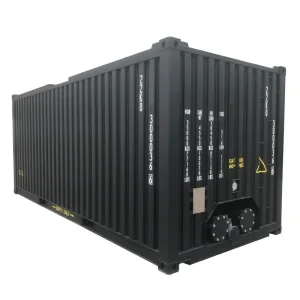
China 20 Feet Heated Shipping Asphalt Container Exporter, Manufacturers
Configure & Inquiry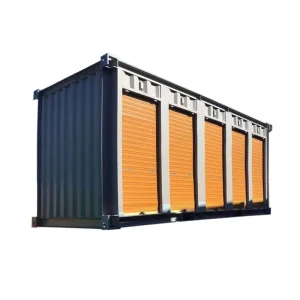
OEM New 20ft Storage Roll-Up Door Dry Cargo Container Pricelist, Product
Configure & Inquiry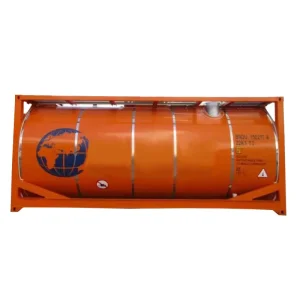
China 20 Foot ISO Liquid Tank Container for Water Manufacturer, Product
Configure & Inquiry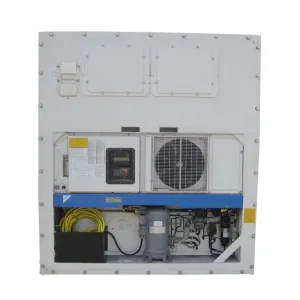
Buy Refrigeration Equipment /Cooling Unit For Refrigerated Containers Products, Exporters
Configure & Inquiry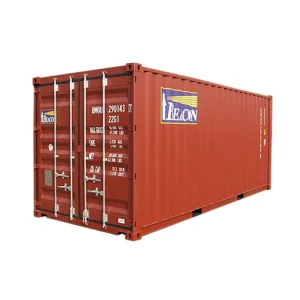
ODM 40ft New Certified Dry Shipping Container Pricelist, Exporters
Configure & Inquiry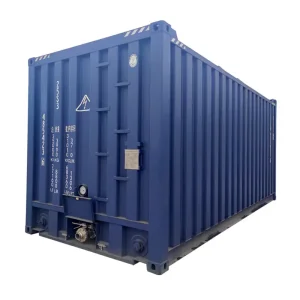
Buy New 20ft Square Liquid Container Factory, Product
Configure & Inquiry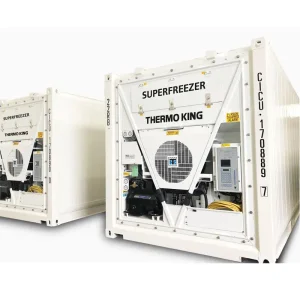
OEM New Deep Freezer Refrigerator Container For Sale Factory, Quotes
Configure & Inquiry