
Standard & Specialized Intermodal Dimensions (Part 1)
Explore high-tolerance standardized 20ft, 40ft, and tailored configuration units delivered straight from our coastal manufacturing facilities.
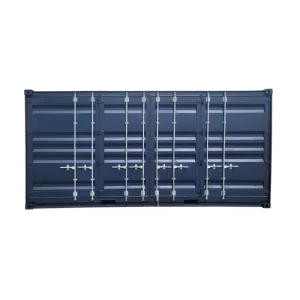
High-Quality New 20ft Customized Side Door Dry Cargo Shipping Container
View Specifications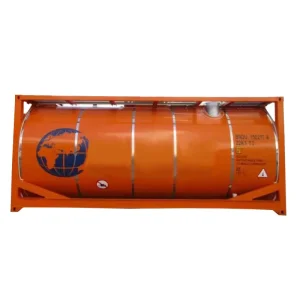
China 20 Foot ISO Liquid Tank Container for Water Manufacturer
View Specifications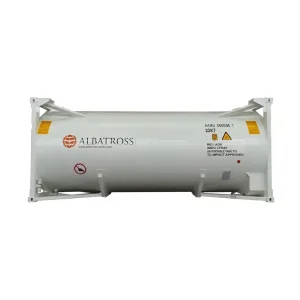
China 25000 Liters ISO 20ft Gas Tank Container for Sale
View Specifications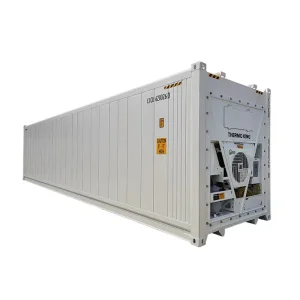
OEM New 40ft High-Cube Certified Reefer Shipping Cargo Container
View Specifications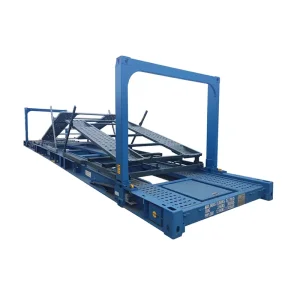
China New 20ft Car Carrier Container Special Container
View Specifications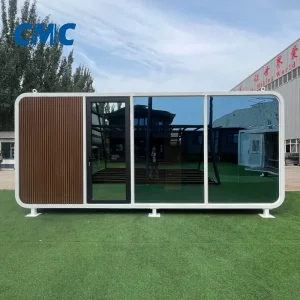
Famous 20ft Prefab Modular House Office Pod Tiny Cabin
View Specifications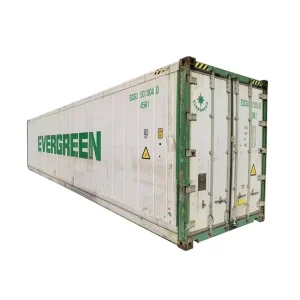
Certified Inspected Used 40ft HC Shipping Reefer Container
View Specifications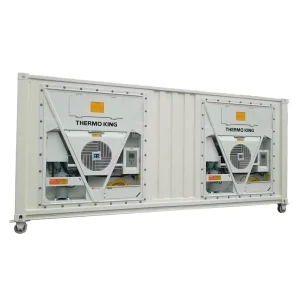
Classification Society Certified Deep Blast Reefer Container
View SpecificationsComprehensive Engineering Guide to Container Lengths
In global multimodal transportation, the physical length of a cargo container is the baseline parameter dictating cubic volume capacity, axle load distribution, tare-to-payload ratios, and chassis compatibility.
Intermodal Standard Dimensions: 10ft, 20ft, 40ft, 45ft, and 53ft Configurations
Under ISO 668 Series 1 freight container parameters, nominal lengths are strictly regulated to interface seamlessly with port ship-to-shore gantry spreaders, container vessel cellular twistlocks, double-stack well cars, and international highway chassis. The nominal exterior length of a 20ft container is engineered precisely at 6,058 mm (19' 10.5"), delivering an internal usable length of 5,898 mm (19' 4.2"). This dimensional architecture is the global benchmark for high-density heavy dry goods, mining ores, concentrates, and pressurized ISO tank operations where gross payload limit (30,480 kg to 32,500 kg) is triggered far before volumetric fill limits.
Conversely, the 40ft High Cube configuration (nominal 12,192 mm / 40' 0" exterior; internal length 12,032 mm / 39' 5.7") provides 76.4 m³ of loadable volume, ideal for volume-limited consumer electronics, apparel, and crated machinery. For regional rail corridors and trans-continental networks such as the Belt and Road Eurasian railway, 45ft High-Cube Pallet-Wide variants (13,716 mm length) maximize floor space to accommodate 33 standard Euro-pallets side-by-side without lost voids. Special 10ft mini-containers (2,991 mm) and offshore lift modules maintain standardized twistlock pocket dimensions on bottom rails for dynamic offshore vessel offloading under DNV GL 2.7-1 dynamic shock requirements.
| ISO Series / Designation | Nominal Exterior Length | Usable Internal Length | Internal Volume (m³) | Max Gross Mass (MGM) | Primary Industrial Application |
|---|---|---|---|---|---|
| 10ft Mini / Modular | 2,991 mm (9' 9.75") | 2,831 mm (9' 3.4") | 15.9 m³ | 10,000 kg | Offshore support, heavy equipment, rapid defense logistics |
| 20ft Standard (1CC) | 6,058 mm (19' 10.5") | 5,898 mm (19' 4.2") | 33.2 m³ | 30,480 kg | Mineral ores, chemical tanks, raw materials, heavy cargo |
| 40ft Standard (1AA) | 12,192 mm (40' 0") | 12,032 mm (39' 5.7") | 67.7 m³ | 30,480 kg | Breakbulk crating, automotive parts, palletized dry freight |
| 40ft High Cube (1AAA) | 12,192 mm (40' 0") | 12,032 mm (39' 5.7") | 76.4 m³ | 32,500 kg | FMCG products, light industrial goods, modular housing |
| 45ft High Cube Pallet-Wide | 13,716 mm (45' 0") | 13,556 mm (44' 5.7") | 89.2 m³ | 34,000 kg | Intermodal rail corridors, multi-modal cross-border express |
OEM Length Of Cargo Container Pricelist & Cost Modeling
Direct Chinese factory FOB pricing matrix calculated across Corten-A raw steel fluctuations, structural corner casting standards, automated welding cycles, and marine coating systems.
| Container Model & Dimension | Structural Specification | Floor Configuration | Typical MOQ | Indicative Price Range (FOB Tianjin/Qingdao) |
|---|---|---|---|---|
| 20ft Standard Dry Van (6,058 mm) | SPA-H Corten Steel, 2.0mm Corrugated Panels | 28mm Marine Grade Plywood / Bamboo Floor | 2 - 4 TEU | $1,850 - $2,350 / unit |
| 40ft High Cube Dry Van (12,192 mm) | SPA-H Weathering Steel, Dual Cam Lock Rods | 28mm Keruing Marine Hardwood Floor | 2 FEU | $3,150 - $3,850 / unit |
| 20ft Full Side-Open Door (6,058 mm) | Reinforced Top/Bottom Side Rails, Multi-Fold Doors | Heavy-Duty Steel Checker Plate / Plywood | 2 TEU | $3,400 - $4,200 / unit |
| 40ft High-Cube Insulated Reefer | Stainless Outer Shell, HG60 Steel, Polyurethane Foam | Extruded Aluminum T-Floor Airflow Base | 1 FEU | $11,800 - $16,500 / unit |
| 20ft ISO Liquid / Gas Tank (T11/T50) | 316L Stainless Vessel / Carbon Steel Outer Collar | Integral Chassis Skid Ring & Corner Castings | 1 Unit | $14,500 - $24,000 / unit |
| DNV 2.7-1 Offshore Cargo Basket/Open Top | High Yield Carbon Steel (Charpy impact tested -20°C) | Open Drain Mesh / Corrugated Drain Plates | 1 Unit | $5,200 - $8,900 / unit |
Enterprise Sourcing Cost Drivers & Raw Material Dynamics
When engineering and sourcing intermodal container fleets direct from Chinese manufacturing plants, price variances are governed by four underlying metallurgical and production variables:
1. Steel Index Fluctuation: Over 60% of dry freight container manufacturing costs stem directly from heavy-gauge SPA-H / Q345B Corten-A weathering steel. Corten formulates an oxidized protective patina preventing progressive atmospheric rust. Pricing spikes correlate with base slab hot-rolled coil indexes at Shanghai and Tangshan steel hubs.
2. Floor Substrate Engineering: Traditional 28mm 19-ply Apitong/Keruing tropical hardwood offers high bend tolerances and insect immunity; modern environmental standards encourage engineered bamboo composite boards or galvanized structural steel checker plates for offshore and equipment housing setups.
3. Corrosion Protection Systems: Standard ISO intermodal equipment incorporates a 3-coat marine coating system: Zinc-rich epoxy primer (30μm), epoxy intermediate tie coat (40μm), and chlorinated rubber or polyurethane topcoat (40μm), curing to a complete dry film thickness (DFT) exceeding 110μm to withstand continuous salt spray (ISO 12944 C5-M marine rating).
China Factory Cluster & Coastal Metallurgical Advantages
Why more than 90% of the world's intermodal shipping container inventory is engineered, assembled, and certified along China's coastal industrial corridors.
Integrated Metallurgical Clusters
Direct rail access to China's leading mills (Baosteel, Shougang, HBIS) provides instant batches of Corten-A (SPA-H) coil stock and certified cast steel corner blocks without extended third-party transit delays.
Automated Robotic Assembly
Continuous robotic submerged arc seam welding lines guarantee consistent weld penetration along critical top and bottom side rails, front sills, and rear door frames, outperforming manual stick-weld fatigue limits.
Immediate Deepwater Gateway
Operating manufacturing and assembly bases in Tianjin and Suzhou approximately 100 km from deepwater sea terminals eliminates domestic dead-hauls, reducing inland drayage costs and container positioning transit times.
Localization Support, CSC Safety Plates & Global Compliance
Delivering cargo container lengths verified against strict international maritime legislation, rail safety standards, and regional cross-border conventions.
CSC Safety Approval & ISO Certification
Every newly fabricated OEM cargo container manufactured by our partner facilities is affixed with a stainless steel CSC (International Convention for Safe Containers) Safety Approval Plate. Under classification society oversight (Bureau Veritas, Lloyd's Register, ABS, or China Classification Society - CCS), each structural length is subjected to rigorous type-approval tests: transverse racking at 150 kN, longitudinal restraint at 2g, roof strength under 300 kg distributed loads, floor timber deflection with 7,260 kg axle loads, and 9-high fully loaded stacking tests (192,000 kg load on corner castings).
Custom Customs Seals, TIR, & UIC Markings
To eliminate cross-border trade bottlenecks, units can be configured under the TIR Customs Convention for smooth bonded road transits across Europe, Central Asia, and the Middle East without intermediate cargo inspection. We provide factory-engraved BIC codes (Bureau International des Conteneurs) ISO 6346 markings, international rail union (UIC 592) certification stamps, and certified timber treatment plates complying fully with Australia's Department of Agriculture, Fisheries and Forestry (DAFF) biosecurity protocols.
Localized Applications Across Global Industrial Sectors
Container lengths are engineered around specific duty cycles, operating temperatures, and structural stress points.
Modular Living & Smart Office Pods
20ft and 40ft lengths serve as high-strength structural skeletons for insulated prefab flat-pack homes, mobile site offices, emergency medical facilities, and acoustic garden office pods with integrated electrical ducting.
Ultra-Cold Pharma & Perishables
40ft High Cube refrigerated units equipped with Daikin, Thermo King, or Carrier cooling machines manage deep-freeze temperatures down to -40°C, maintaining precise cold chain integrity across agricultural and biological exports.
BESS & Generator Power Skids
Custom 10ft, 20ft, and 30ft lengths house high-capacity Battery Energy Storage Systems (BESS), mobile backup diesel gensets, transformer skids, and industrial water filtration plants for remote mining applications.
Emerging Trends in Intermodal Container Engineering
The intermodal manufacturing landscape is undergoing structural transformation driven by sensor telematics, ultra-high-yield metallurgy, and decarbonization mandates.
Factory-Integrated IoT Telematics
Modern OEM runs integrate solar-powered GPS, structural accelerometer shock sensors, and door-opening optical detectors directly into the corrugated header panel for continuous cargo security tracking.
Lightweight High-Strength Steels
By migrating select load-bearing corner post assemblies to advanced 700 MPa high-strength composite steels, OEM plants reduce overall dry box tare weight by 8-12%, enabling shippers to carry higher payloads per journey.
Waterborne Ecological Paint Systems
Fully compliant with global VOC reduction treaties, high-performance water-based epoxy paint systems are standard in coastal Chinese fabrication lines, delivering durability while reducing environmental emissions.
Specialized ISO Cargo Containers (Part 2)
Review our heavy-lift, liquid hazardous, offshore certified, and modular living container variants engineered directly for global commercial operators.
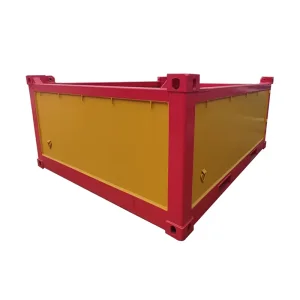
High-Quality Offshore Basket Container for Rig Operations
View Specifications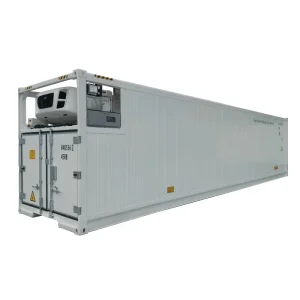
40ft HC & 45ft Belt and Road Railway Refrigerated Container
View Specifications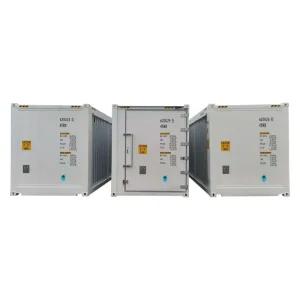
China OEM 40ft HC Customized 3-in-1 Combination Reefer Container
View Specifications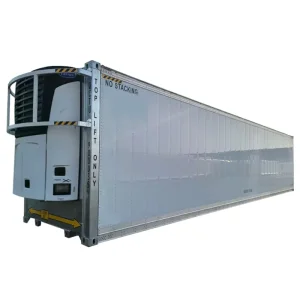
Carrier X4-7300 Reefer & Electricity Integrated Container
View Specifications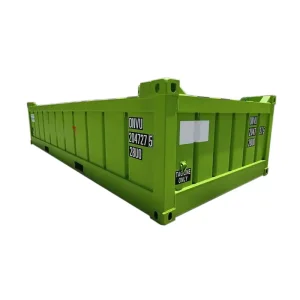
DNV Certified Offshore Half-Height Open Top Container
View Specifications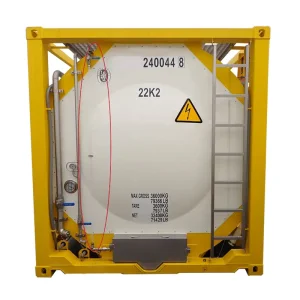
ODM 20ft Stainless ISO Tank Container for Alcohol & Spirits
View Specifications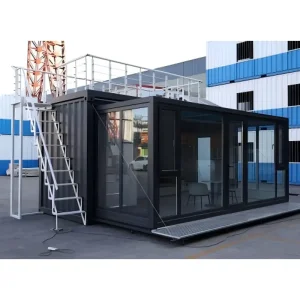
Expandable Foldable 20ft Modular Container Home with Bathroom
View Specifications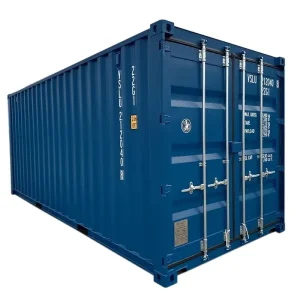
Dual-Access New 20ft Double Door Dry Cargo Shipping Container
View SpecificationsFrequently Asked Questions on Cargo Container Lengths & Sourcing
Real-world technical answers compiled by our intermodal container engineering team for global logistics directors, freight forwarders, and procurement managers.