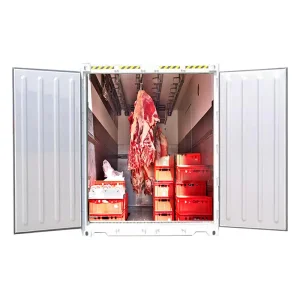
Active OEM Intermodal Refrigeration & Specialized Units
Explore our flagship heavy-duty refrigerated containers, ISO tank systems, and offshore units precision-built to standard and custom architectural drawings. Every intermodal unit undergoes 100% helium leak detection, structural load testing, and comprehensive thermal equilibrium validation.
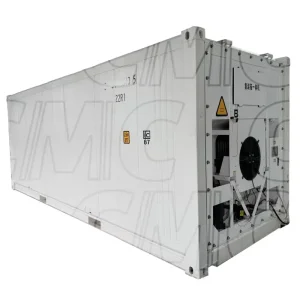
ODM The Smart Chain Cold Storage 20ft/40ft Solar Refrigerated Container 220V With DC Inverter Unit
View Technical Specs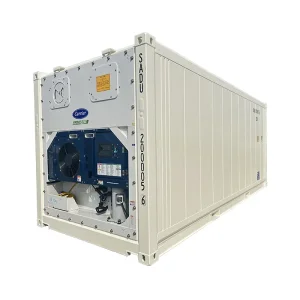
High-Quality New 40ft High Cube Carrier Refrigerator Freezer Cold Room Product
View Technical Specs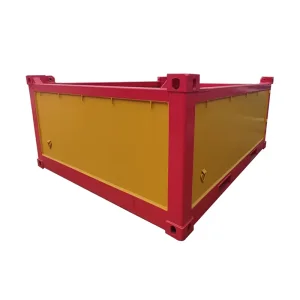
High-Quality New Offshore Basket Container for Offshore Operations Exporter
View Technical Specs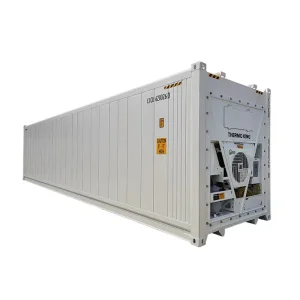
OEM New 40ft High-Cube Certified Reefer Shipping Cargo Container Pricelist
View Technical Specs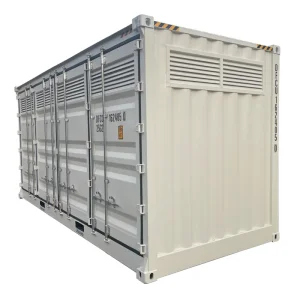
Famous 20FT High-cube Dangerous Goods Container Side Open Door with Ventilation
View Technical Specs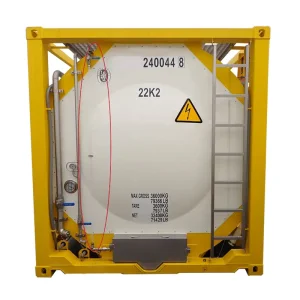
ODM 20ft Tank Container for Alcohol Manufacturer, Precision Temperature Quotes
View Technical Specs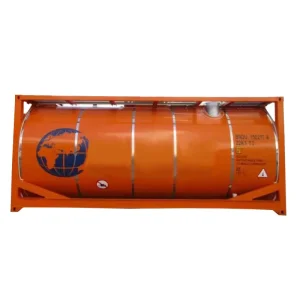
China 20 Foot ISO Liquid Tank Container for Water Manufacturer, Clean Spec
View Technical Specs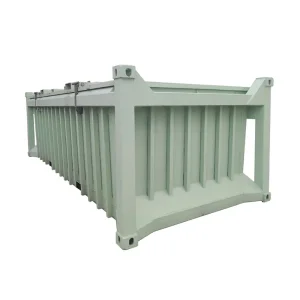
Buy New Half Height Ore Carrier Container Offshore Heavy Duty Containers
View Technical SpecsGlobal Intermodal Logistics: Bridging the Food & Biopharma Security Deficit
In modern logistics networks, thermal breaches represent an unacceptable vector for product compromise, fiscal loss, and regulatory sanction. As intermodal transit spans across fluctuating ambient conditions—from −40°C Siberian railway transit along the Belt and Road corridor to +55°C equatorial maritime routes—the demand for precision-engineered refrigerated intermodal containers (reefers) has evolved beyond basic chilling into high-precision thermodynamic boundary containment.
Mitigating $35B+ in Cold Chain Perishables Loss
Global agricultural trade and protein logistics suffer vast economic depreciation annually due to microclimatic fluctuation during multimodal handoffs. OEM customized reefer bodies integrate low-emissivity inner linings, optimized T-bar floor profiles, and aerodynamic bottom-air discharge that completely eliminate stagnant air pockets across long dwell cycles.
Pharma GDP Compliance & Cryogenic Integrity
Biopharmaceuticals, APIs, insulin, and mRNA-based vaccines necessitate rigid GDP (Good Distribution Practice) certification with continuous thermal mapping between +2°C to +8°C or deep frozen at −70°C. Our OEM specialized deep-freezer containers utilize double-cascade refrigeration modules and redundant digital data-loggers to satisfy rigorous global health agency audits.
Intermodal Decarbonization & DC Inverter Efficiency
Environmental regulations such as the IMO 2030/2050 targets, EU ETS maritime integration, and national net-zero pledges dictate an urgent phase-down of energy-wasteful systems. Incorporating variable-frequency DC inverter hermetic compressors with rooftop solar arrays reduces grid and genset electrical consumption by up to 38% compared to legacy on/off cycling units.
Structural Metallurgical Architecture & Thermodynamics
CIMIC OEM containers are built upon four decades of maritime engineering expertise. We match robust Corten-A atmospheric corrosion-resistant steel framework with advanced thermodynamic barrier materials, delivering high strength-to-tare-weight ratios and industry-leading thermal insulation performance.
| Structural / Thermodynamic Attribute | 20ft ISO High-Cube Reefer | 40ft High-Cube Intermodal Reefer | 45ft Belt & Road Heavy Rail Unit | Offshore DNV 2.7-1 Cold Unit |
|---|---|---|---|---|
| External Dimensions (L × W × H) | 6,058 × 2,438 × 2,896 mm | 12,192 × 2,438 × 2,896 mm | 13,716 × 2,500 × 2,896 mm | 2,991 × 2,438 × 2,591 mm (10ft) |
| Internal Usable Volume | 28.3 m³ (1,000 cu ft) | 67.8 m³ (2,394 cu ft) | 84.2 m³ (pallet-wide) | 11.8 m³ reinforced cargo bay |
| Maximum Gross Weight (M.G.W.) | 30,480 kg (67,200 lbs) | 34,000 kg (74,950 lbs) | 34,000 kg optimized for rail | 10,000 – 15,000 kg dynamic rated |
| Insulation Matrix & Blowing Agent | High-density Cyclopentane PUR foam | Vacuum Insulation Panels (VIP) + PUR | Reinforced 75mm Polyurethane core | Fire-retardant structural foam matrix |
| Overall Heat Transfer Coeff. (K-Value) | ≤ 0.36 W/(m²·K) | ≤ 0.32 W/(m²·K) | ≤ 0.34 W/(m²·K) | ≤ 0.38 W/(m²·K) heavy impact shell |
| Operational Setpoint Range | −35°C to +30°C | −40°C to +30°C (Deep freeze: −70°C) | −30°C to +25°C auto-reversible | −25°C to +20°C continuous |
| Refrigeration Machineries Integrated | Carrier Transicold / Daikin / Thermo King | Carrier ThinLINE / PrimeLINE / Daikin LXE | Hybrid Diesel-Electric / DC Inverter | Explosion-proof ATEX / IECEx certified |
| Internal Lining & Flooring Material | Food-grade SUS 304 / HG Aluminum T-Floor | Mirror-finish SUS 304 / High CFM T-Bar | Stainless side sheets / Meat rail beams | Marine-grade 316L stainless interior |
Corten Structural Framing
SPA-H high-yield weather-resistant steel corners and cross-members withstand up to 9-high fully laden container stacking forces.
High-Pressure Polyurethane
Automated robotic foaming jigs inject zero-ODP cyclopentane polyurethane into walls, roof, and doors under uniform thermal curing.
Machinery Docking
Precision front-end mounting apertures engineered to house premier carrier units including Daikin, Carrier, Thermo King, and custom DC drives.
Thermal Leak Testing
Every finished box undergoes rigorous thermal balance, air-tightness smoke tests, and vacuum pressure leak verification before release.
CSC & Class Stamping
Third-party Bureau Veritas (BV), DNV, or ABS surveyor inspects the build and affixes official CSC and classification certification plates.
Classification Societies, Regulatory Mandates & QA Assurance
International cross-border logistics demands flawless documentation and structural compliance. Our manufacturing protocols align strictly with international maritime, rail, and highway safety conventions, ensuring uninterrupted customs clearance and vessel stowage permissions.
ISO 1496-2 & CSC Certification
All refrigerated units are manufactured in conformity with ISO 1496-2 (Thermal Containers) and ISO 668 external dimensions. Certified under the International Convention for Safe Containers (CSC), each container carries an engraved stainless steel data plate guaranteeing structural viability for multi-tier stacking and high-speed rail dynamic acceleration.
ATP Agreement (Class FRC & FNA)
For European and transcontinental overland road transport, our insulated sandwich structures meet the ATP International Carriage of Perishable Foodstuffs agreement. Attaining Class FRC status signifies a heavy-insulated reefer featuring a cooling unit capable of maintaining internal temperatures between +12°C and −20°C in +30°C external ambient conditions.
DNV 2.7-1 / EN 12079 Offshore Lifting
For demanding oil, gas, and offshore wind environments, standard ISO reefers lack dynamic sea-state impact integrity. Our specialized offshore product portfolio is built to DNV 2.7-1 and EN 12079 standards, featuring four-point dynamic sling padeyes, NDT (Non-Destructive Testing) weld inspection, and certified sub-zero Charpy V-notch impact steel.
Engineered Mission Profiles: From Belt & Road Rail to Offshore Rigs
Refrigerated intermodal containers operate across highly distinct operational environments. Our custom OEM and ODM engineering delivers purpose-built adaptations for specific global supply chain segments.
Eurasia "Belt and Road" Rail Corridors
Traversing more than 11,000 kilometers over 14–18 days across extreme continental thermal shifts requires autonomous fuel reserves. Our 40ft HC and 45ft railway refrigerated units feature built-in 800L–1200L under-slung diesel fuel reservoirs, dual-stage electrical gensets, and automated winter-start anti-freeze engine heaters to ensure uninterrupted thermal stability without external power.
Low-Temperature Meat Hanging Transport
For transporting whole lamb, pork, and beef carcasses directly from abattoir to terminal packing houses, conventional floor loading results in compression damage and spoilage. Our meat-hanging containers feature roof-integrated stainless steel hook rail assemblies engineered for dynamic load ceilings up to 18,000 kg, complemented by high-velocity vertical ducted airflow.
Liquid Bulk & Chemical ISO Tank Reefers
Perishable food liquids—including high-grade wine, concentrated fruit juices, food additives, and non-hazardous bio-chemicals—demand continuous jacket heating or cooling during oceanic transit. Our 20ft liquid tank containers incorporate glycol cooling jackets and precision electrical heating blankets to prevent settling, stratification, or spoilage.
The Future of Autonomous, Decarbonized Intermodal Refrigeration
The cold-chain sector is undergoing rapid technological convergence. CIMIC's forward-looking R&D pipeline integrates low-GWP natural refrigerants, edge-AI telematics, and autonomous hybrid power architectures.
Natural Refrigerant Integration (R-744 CO2)
To mitigate F-Gas regulatory risk and Kigali Amendment phase-down quotas targeting R-134a and R-404A, our next-generation units leverage trans-critical Carbon Dioxide (R-744, GWP=1). CO2 systems exhibit exceptional thermal coefficient performance in freezing modes while eliminating future fluorinated gas quota restrictions.
Edge-AI Telematics & Predictive Diagnostics
Modern CIMIC reefers feature multi-constellation GNSS (GPS, Galileo, BeiDou) transmitters, wireless Bluetooth mesh door sensors, and cargo-pulp temperature probes. Onboard AI microcontrollers analyze compressor vibration spectra, superheat delta, and defrost performance to notify maintenance hubs days before mechanical failure occurs.
Autonomous Solar-Hybrid DC Topologies
By integrating ultra-thin, walkable monocrystalline solar PV panels directly into the corrugated container roof skin, energy capture feeds into a lithium iron phosphate (LiFePO4) energy buffer. This powers the DC inverter refrigeration unit during yard staging and dock queuing, eliminating diesel consumption during idling.
Frequently Asked Technical & Sourcing Questions (FAQ)
Engineered solutions require clear technical parameters. Here are direct, authoritative answers to common inquiries from fleet owners, procurement directors, and logistics engineers.
What is the standard thermal K-factor guarantee for CIMIC OEM refrigerated containers?
Our standard 40ft High Cube refrigerated intermodal containers achieve a verified overall heat transfer coefficient (K-value) of ≤ 0.32 to 0.36 W/(m²·K), comfortably surpassing ATP Class FRC threshold specifications (≤ 0.40 W/(m²·K)). Thermal performance is verified using calibrated steady-state internal heat dissipation testing in our temperature-controlled test bays.
Can you provide customized OEM refrigeration unit choices (Carrier, Daikin, Thermo King, DC Inverter)?
Yes. As a tier-1 container builder, our manufacturing facilities integrate customer-specified machinery from all major global OEMs, including Carrier Transicold (ThinLINE, PrimeLINE), Daikin (LXE10E, ZeFIR), and Thermo King (Magnum Plus). We also manufacture proprietary DC inverter solar-assisted electric cooling suites for off-grid operations.
How does your factory location benefit international freight forwarding and lead times?
Our primary industrial manufacturing bases are situated in Tianjin and Suzhou, approximately 100 kilometers from the Port of Tianjin and Port of Shanghai. This coastal proximity significantly reduces inland drayage expenses, guarantees immediate vessel berthing allocations, and allows us to deliver one-way shipper-owned containers (SOC) directly into active shipping loops with minimal dwell time.
What specific non-destructive tests (NDT) and certifications accompany each build?
Every structural production run is supervised by certified welding inspectors (CWI) utilizing magnetic particle inspection (MPI) and ultrasonic testing (UT) on primary lifting corner-post joints. All standard containers ship with Bureau Veritas (BV) or ISO 9001 certificates, CSC safety approval plates, customs TIR approval, and optional DNV 2.7-1 certificates for offshore models.
Specialized Heavy Intermodal, Blast Reefer & Liquid Systems
Review our specialized portfolio of certified blast freezers, hanging meat transport units, high-capacity railway high cubes, and offshore liquid tanks designed for demanding international projects and challenging freight corridors.
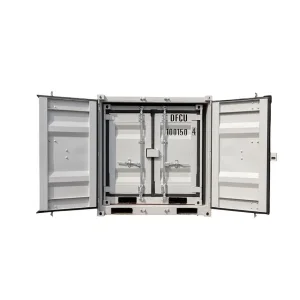
High-Quality Durable Cargo Shipping Container 4Ft/5Ft/6Ft/7Ft/8Ft/9Ft/10Ft Mini Storage Container
View Technical Specs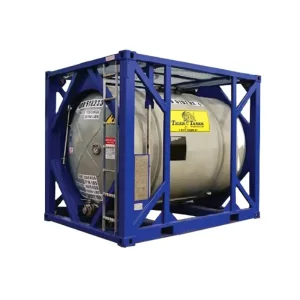
Buy New DNV Certification 10ft Offshore Tank Container Factory, Engineered Products
View Technical Specs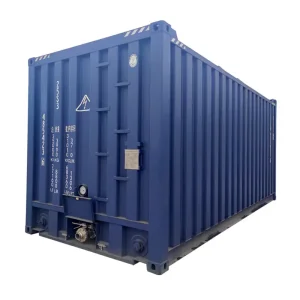
Buy New 20ft Square Liquid Container Factory Product, ISO Intermodal Design
View Technical Specs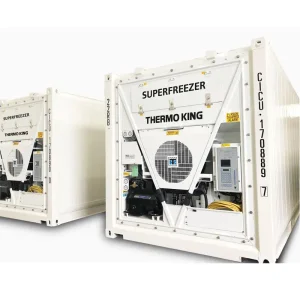
OEM New Deep Freezer Refrigerator Container For Sale Factory, -70°C Cryo Quotes
View Technical Specs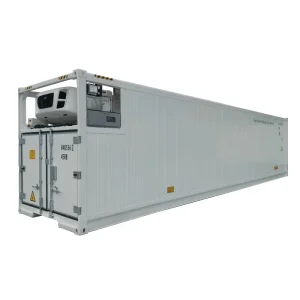
Famous New 40-foot high cube & 45-foot "Belt and Road" Railway Refrigerated Container
View Technical Specs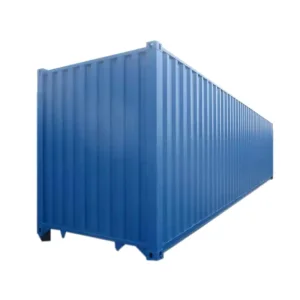
China 40ft High Cube Certified Dry Cargo Shipping Container Heavy Duty Build
View Technical Specs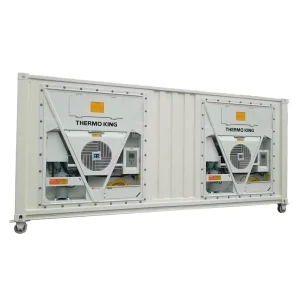
High-Quality The New Blast Reefer Containers Certified by Classification Societies
View Technical Specs