Precision-Engineered Intermodal & Specialized Units
Explore heavy-duty structural platforms, specialized cold-chain boxes, and liquid logistics frames built to strict ISO dimensional tolerances.
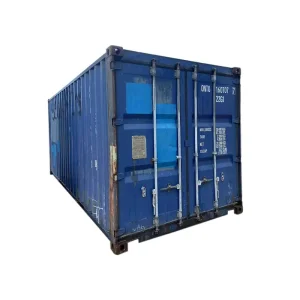
ODM 40ft Used Dry Cargo Shipping Container Manufacturers, Quotes
Request Specifications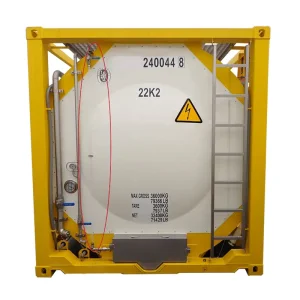
ODM 20ft Tank Container for Alcohol Manufacturer, Quotes
Request Specifications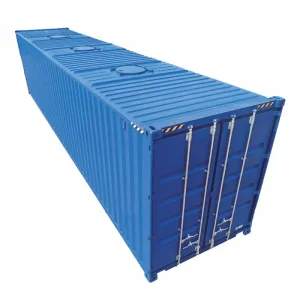
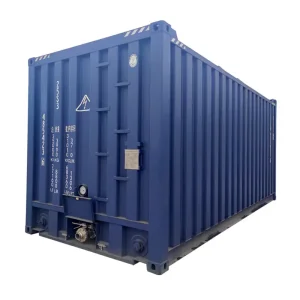
Buy 20 Feet Shipping Bulk Container Manufacturer, Exporters
Request Specifications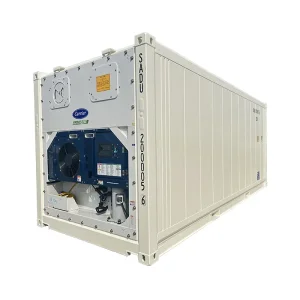
High-Quality New 40ft High Cube Carrier Refrigerator Freezer Cold Room Product, Exporters
Request Specifications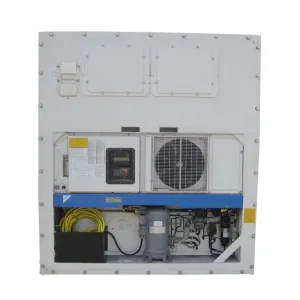
Buy Refrigeration Equipment /Cooling Unit For Refrigerated Containers Products, Exporters
Request Specifications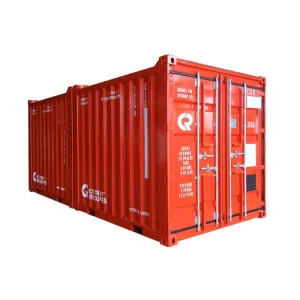
Buy New DNV Certification Offshore Dry Cargo Container Factory, Product
Request Specifications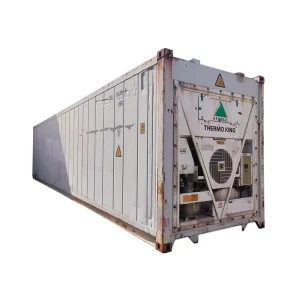
ODM New 40ft Refrigerated Freezer Container for Sale Factory, Exporter
Request Specifications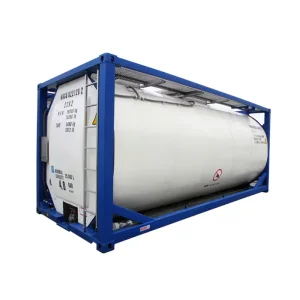
Buy ISO Standard 20ft Versatile Tank Container for Transport Chemicals Exporter, Product
Request SpecificationsEngineering Frameworks for Dynamic Load Distribution
Why modern structural procurement managers prioritize Corten-A weathering steel, finite element analysis, and strict compliance with ISO 1496-1 parameters.
SPA-H Corten Metallurgy
Fabricated with cold-rolled SPA-H Corten alloy steel, our container frames demonstrate minimum yield strengths of 345 MPa. Upon atmospheric exposure, a dense passivation layer prevents inner core oxidation across oceanic salt spray environments.
Certified Corner Castings
Corner castings engineered in compliance with ISO 1161 standards undergo heat treatment, ultrasonic non-destructive testing (NDT), and tensile testing to guarantee an individual point load capacity of up to 86,400 kg under static 9-high stacking constraints.
Automated Submerged Arc Welding
Cross-member chassis rails, bottom side rails, and top headers are joined using robotic continuous welding systems. This minimizes residual internal stresses and prevents dynamic fatigue under multimodal harmonic vibrations during rail and marine transit.
| Structural Element | Material Standard | Minimum Yield Strength | Standard Dimension Profiles | Protective Finish |
|---|---|---|---|---|
| Corner Castings (Top/Bottom) | SCW480 / ISO 1161 | ≥ 280 MPa | 178mm × 162mm × 118mm | Zinc-rich primer / Epoxy e-coat |
| Vertical Corner Posts | SPA-H / Corten Steel | ≥ 345 - 375 MPa | 6.0mm – 8.0mm pressed channel profile | Zinc Epoxy Primer + Polyurethane Topcoat |
| Bottom Side Rails & Headers | High-Strength Q345D / SPA-H | ≥ 345 MPa | 50 × 150 × 4.5mm tubular / channel | Shot-blasted to Sa 2.5 + Marine Coating |
| Cross Members (Floor Struts) | Structural Carbon Steel / Corten | ≥ 235 - 345 MPa | C-section channels 4.0mm thickness | Underbody bituminous waterproofing sealer |
Integrated Ecosystem: The Strategic Port Advantage
Capitalizing on mature industrial clusters in Tianjin and Suzhou, delivering end-to-end efficiency from raw metallurgy to deepwater quay dispatch.
Tier-1 Steel Integration
Direct supply agreements with primary domestic mills allow seamless sourcing of certified specialty alloy plates, reducing material volatility, lowering base OEM production costs, and guaranteeing batch-to-batch chemical consistency.
100km Deepwater Proximity
With major automated yards in Tianjin and Suzhou, production sites sit inside a direct 100km haulage perimeter to deepwater docks. This avoids domestic logistics choke-points and streamlines break-bulk and flat-rack ocean boarding.
Bureau Veritas & DNV Compliance
Every structural weld is executed by certified welders under ISO 9606-1 credentials. Complete Material Test Reports (MTR), mill test sheets, and full CSC safety certifications accompany every OEM frame batch destined for export.
Proven Precision Engineering Since 1983
Quantitative benchmarks demonstrating four decades of industrial manufacturing scalability and international quality assurance.
How Global Enterprises Specify OEM Container Frames
Meeting diverse operational profiles across mobile data systems, battery energy storage enclosures, cold-chain operations, and remote facilities.
Battery Energy Storage (BESS)
Global grid developers demand high load-bearing base frames engineered to carry 30-45 metric tons of lithium-ion battery modules. Frames require customized thermal break isolators, fire deluge conduits, and seismic tie-down points.
Modular Edge Data Centers
Hyperscale IT integrators specify vibration-isolated skeletal frames designed for precise rack mounts, overhead fiber raceway cutouts, and dual-redundant HVAC envelope integration with strict tolerance controls (±1.5mm).
Chemical & Cryogenic ISO Tanks
Process equipment buyers seek custom cradles and ISO saddle frames built to absorb hydraulic sloshing loads during intermodal movement, matching dynamic DNV-GL marine handling regulations.
Emerging Paradigms in Container Frame Engineering
How the green energy transition, modular construction methodologies, and strict localization policies are reshaping international supply agreements.
Localized Compliance & Regional Codes
International buyers face varying regional mandates, such as EU EN 1090 structural CE marking, US IBC structural load criteria, and Australian National Construction Code (NCC) standards. We integrate pre-engineered bolt-on assemblies and third-party engineering calculations directly into technical submittals to ensure rapid local building and transport permitting.
Low-Carbon Metallurgy & Circularity
As Scope 3 emissions reporting expands across corporate buyers, demand is shifting toward Electric Arc Furnace (EAF) low-carbon steel profiles and low-VOC waterborne or powder-coated primer systems. These systems maintain 25-year structural design lifespans while reducing embodied carbon by up to 28%.
Technical & Procurement FAQ
Detailed technical, dimensional, and logistics answers for engineering teams and procurement directors.
What is the standard lead time for customized OEM container frames?
Custom OEM prototype and small-batch production typically takes 25 to 35 days following engineering drawing sign-off. High-volume recurring batch orders can be phased across continuous 15-day maritime shipping cycles from our Tianjin facility.
Can you provide CSC structural safety approval for customized dimensions?
Yes. If structural modifications stay within ISO intermodal envelopes, our engineering group works alongside Bureau Veritas or ABS to conduct physical load, racking, and stacking tests to issue certified CSC safety approval plates.
What surface treatments protect against offshore C5-M marine conditions?
We execute standard SA 2.5 automatic centrifugal shot-blasting, followed by a multi-tier coating system: 60μm zinc-rich epoxy primer, 100μm epoxy micaceous iron oxide intermediate barrier, and 50μm polyurethane topcoat, resisting over 3,000 hours of salt spray exposure.
How are skeletal sub-assemblies packaged and shipped internationally?
To reduce ocean freight costs, container frames can be shipped as fully welded rigid envelopes, or as precision CNC flat-pack sub-assemblies (header, sills, and corner posts) bundled in CSC-certified 4-in-1 modular transit packages.
High-Cube, Offshore, & Intermodal Specialized Models
Heavy duty configurations including side-opening systems, offshore exploration baskets, bulk containers, and open-top structures.
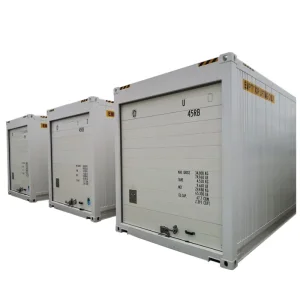
China 40ft High-Cube Roll Up Reefer Container Customized Shipping Containers Factory, Manufacturers
Request Specifications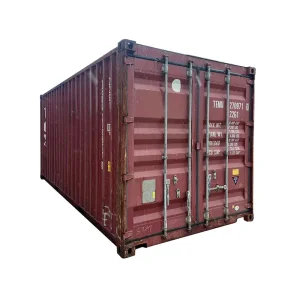
Buy 20ft Used Shipping or Storage Container Manufacturer, Products
Request Specifications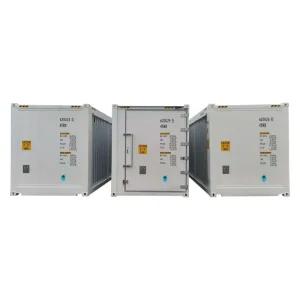
China OEM 40ft High-Cube Customized Three-in-One Combination Reefer Storage Container Manufacturer, Quotes
Request Specifications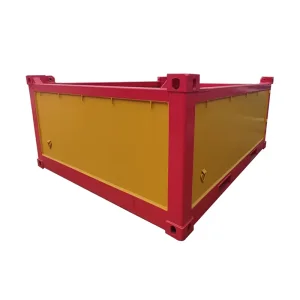
High-Quality New Offshore Basket Container for Offshore Operations Exporter, Exporters
Request Specifications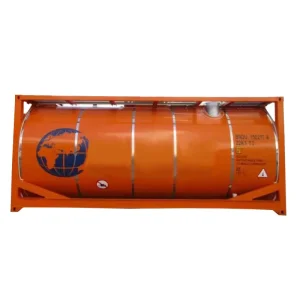
China 20 Foot ISO Liquid Tank Container for Water Manufacturer, Product
Request Specifications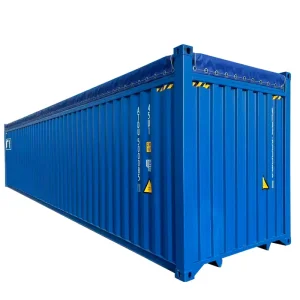
Buy 40ft High-Cube New Soft Open Top Shipping Container with Tarpaulin Cover Manufacturer, Product
Request Specifications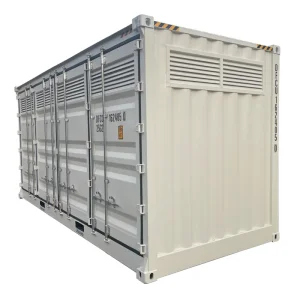
Famous 20FT High-cube Dangerous Goods Container Side Open Door with Ventilation Opening Manufacturer, Exporter
Request Specifications