
Primary Catalog Focus
Featured Specialized & Tank Container Portfolio
Explore our custom OEM container systems engineered for liquid logistics, offshore supply, multi-modal cold chains, and special intermodal freight.
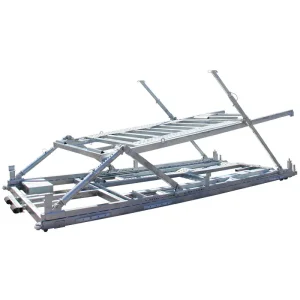
China vehicle transport rack Product, Exporters
View Specifications »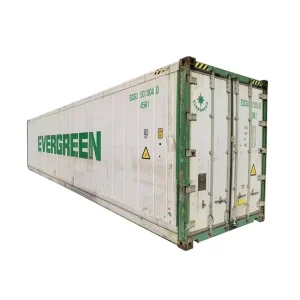
Buy Used 40ft HC Shipping Reefer Container Manufacturers, Exporters
View Specifications »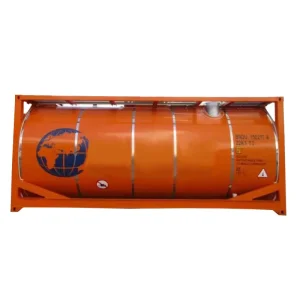
China 20 Foot ISO Liquid Tank Container for Water Manufacturer, Product
View Specifications »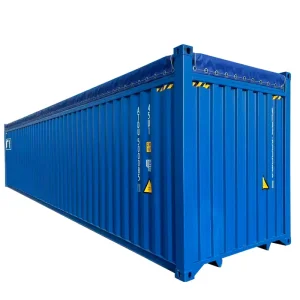
Buy 40ft High-Cube New Soft Open Top Shipping Container with Tarpaulin Cover
View Specifications »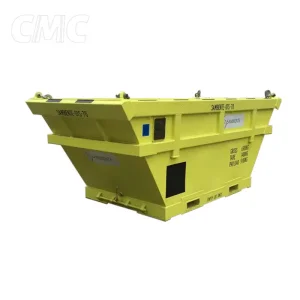
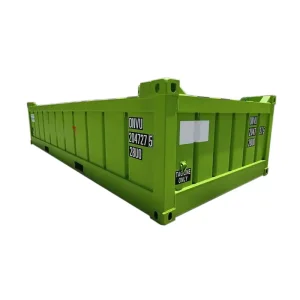
Famous DNV Certification Silt Basket Container Used in Offshore Operations
View Specifications »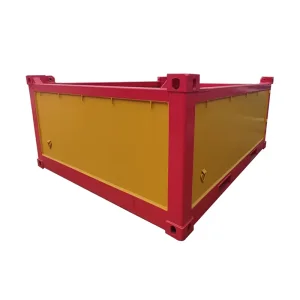
High-Quality New Offshore Basket Container for Offshore Operations Exporter
View Specifications »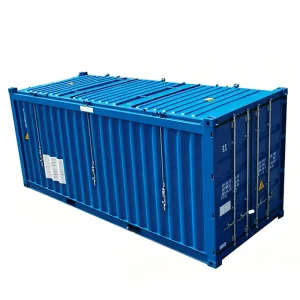
China 20ft New Hard Open Top Shipping Container Manufacturer, Factories
View Specifications »
Market Overview
Global Intermodal Tank Container Dynamics & Commercial Landscape
Evaluating macroeconomic factors, structural petrochemical demand, and ESG decarbonization mandates that govern modern container tank engineering.
Supply-Demand Polarization
The worldwide bulk liquid transit sector has undergone an aggressive operational transition away from non-reusable steel drums and intermediate bulk containers (IBCs) into standard ISO tank containers. Driven by strict international maritime hazardous materials mandates and chemical pureness guidelines, global fleet operators rely heavily on high-specification OEM tank frameworks designed for multi-cycle durability.
Intermodal Asset Turnaround
Port congestion, fluctuating fuel surcharges, and intermodal inland repositioning constraints have prioritized standardized 20ft and 40ft tank container envelopes. Intermodal transfers across rail flatcars, chassis trucks, and containership cellular guides demand stringent torsional rigidity and strict international certification to prevent valve seat deformation and seal leakages.
Circular Carbon Decarbonization
Corporate ESG objectives necessitate zero-residue discharge and streamlined tank washing configurations. Modern container tanks engineered with electropolished 316L inner liners and computerized CIP (Clean-In-Place) integration achieve drastic reductions in caustic wash-water waste, aligning with European Green Deal directives and North American EPA chemical transit rules.
845,000+
Global Tank Fleet (TEU)
8.2%
Compound Annual Growth
92%
Chemical Port Interchange
20+ Years
Service Asset Life-Cycle
Engineering Deep-Dive
Technical Architecture & OEM Container Tank Pricelist Parameters
A transparent engineering matrix revealing the capital cost variables, pressure classifications, shell alloys, and thermal regulation packages defining our product portfolio.
| UN Tank Instruction | Shell Metallurgy | Nominal Capacity | Design Pressure | Target Media Compatibility | Thermal / Heating Options | Base OEM Price Bracket |
|---|---|---|---|---|---|---|
| T11 Standard | AISI 316L Stainless Steel | 21,000 – 26,000 L | 4.0 bar (58 psi) | Potable Water, Food-grade Oils, Non-hazardous Solvents | Steam heating channels, rockwool cladding | $16,500 – $22,800 |
| T14 Corrosive | 316L + PTFE/ECTFE Lined | 17,500 – 21,000 L | 4.0 bar (58 psi) | Hydrochloric Acid, Ferric Chloride, Spent Caustics | Polyurethane thermal insulation, non-heated | $28,500 – $36,200 |
| T50 Pressurized | High-Tensile Q345R / SA-516 | 24,000 – 24,500 L | 22.0 – 34.0 bar | LPG, Propylene, Butadiene, Anhydrous Ammonia | Sunshield sun-deflector canopy, direct cooling jacket | $38,000 – $49,500 |
| T75 Cryogenic | Austenitic 304 / Inner Vessel | 20,000 – 43,500 L | 8.0 – 16.0 bar | LNG, Liquid Nitrogen, Liquid Argon, CO2 | High-vacuum multi-layer insulation (Super-insulation) | $52,000 – $74,000 |
| Bitumen / Asphalt | Carbon Steel Q235B / Corten A | 27,000 – 30,000 L | 2.65 bar (38.4 psi) | Heavy Asphalt, Bituminous Emulsions, Heavy Pitch | Direct diesel burner tubes & electric high-density heating | $19,800 – $26,400 |
Weld Seam Integrity & NDT
All shell longitudinal and circumferential seams are executed using automated submerged arc welding (SAW) and cold-wire TIG processes. Non-Destructive Testing (NDT) includes 100% radiographic (X-ray) inspections and hydraulic hydro-testing at 1.5x working design pressure to ensure zero subsurface metallurgical inclusions.
Valve Train Safety Engineering
Standard assemblies integrate triple-closure safety trains: high-flow internal foot valves (3-inch 45° or 90°), intermediate mechanical butterfly or ball valves, and heavy-duty blind flange caps. Calibrated spring-loaded pressure relief valves (PRVs) with bursting discs and rupture indicators prevent structural rupture during catastrophic pressure surges.
External Framing & Corten Treatment
Perimeter structural frames are forged from SPA-H or Corten weathering structural steels. Every joint undergoes automated robotic beveling, shot blasting to ISO Sa 2.5 cleanliness, and multi-tier marine epoxy coating systems offering salt-spray durability exceeding 3,000 hours under ASTM B117 protocol.
Supply Chain Excellence
China Production Ecosystem: Structural Resilience & Export Velocity
Why Tianjin and Suzhou manufacturing nodes guarantee consistent metallurgical traceability, shortened turnaround times, and competitive price performance.
100 km Port Proximity
Our primary fabrication bases sit within a 100-kilometer direct transit perimeter of Tianjin Xingang Port and Shanghai deepwater hubs. This avoids expensive cross-provincial haulage, lowers carbon footprint, and enables fast-track container rolling and direct shipboard loading.
Raw Material Upstream Access
Direct long-term supply partnerships with top Chinese state steel groups (Baosteel, TISCO) guarantee mill test certificates (MTC 3.1/3.2) for every batch of 316L, 304, and Corten coil. Volume purchasing insulates procurement from speculative global metal market spikes.
Flexible Scale & Fast Tooling
Our factories operate dual-flow high-speed lines for standard T11 20ft units alongside isolated cleanrooms for specialty fluoropolymer-lined and cryogenic containers. Customized CAD/CAM changes can reach production readiness within 7 business days.
Integrated Quality Governance
Each pressure vessel undergoes on-site survey and validation by international classification society surveyors (Bureau Veritas, DNV, LR, or CCS). Full technical dossier, hydro-test reports, and CSC certificates are delivered alongside the unit.
Real-World Deployment
Localized Application Scenarios: Offshore, Mining, Energy & Agritech
Engineered adaptations responding directly to challenging local environments, infrastructure shortfalls, and unique regional payload requirements.
North Sea & Gulf of Mexico Offshore Operations
Offshore drilling platforms require specialized liquid containment that withstands violent deck acceleration and extreme corrosion. Our DNV 2.7-1 / EN 12079 certified 10ft and 20ft offshore chemical tanks utilize heavy-gauge external roll cages, padeyes rated for dynamic offshore slings, and closed containment drip trays to contain accidental marine spills.
Sub-Saharan African Infrastructure & Mining
Long unpaved transport routes and lacking intermediate fuel terminals make our ruggedized bitumen heating containers and heavy-duty water tanks essential for road surfacing and remote copper-cobalt leaching installations. Heavy-duty 8mm baffled inner bulkheads prevent hazardous sloshing while traversing rough terrain.
North American Transcontinental Chemical Intermodal
Designed to interface directly with Class I railroad double-stack wells and domestic chassis networks. Our lightweight high-capacity 26,000L T11 tanks optimize total payload limits under strict US Federal Bridge Formula constraints, maximizing revenue tons per transcontinental dispatch.
Southeast Asian Tropical Agritech & Palm Oil Logistics
Transporting palm oil and coconut oleochemicals requires active heat management during monsoon voyages. Equipped with rapid-recovery low-pressure steam coils, pre-installed high-density rockwool batting, and external marine grade aluminum cladding, these tanks keep delicate fatty acids fluid without scorching.
Future-Ready Engineering
Technological Roadmap: Autonomous Telematics & Next-Gen Metallurgy
How smart monitoring sensors, alternative cryogenic fuel carriers, and lightweight composite alloys will reshape ISO tank container reliability over the next decade.
ATEX-Certified Sensor Integration
Incorporating satellite and cellular 5G IoT telemetry directly onto the tank frame. Fleet managers receive real-time, encrypted sensor feeds showing pressure vessel internal temperature, hydrostatic pressure, ullage levels, geo-fenced coordinates, and three-axis G-force impact shocks to prevent valve and gasket failures.
Liquid Hydrogen & Bio-Methane
As clean energy corridors expand, our R&D center is finalizing T75 cryogenic containers configured for long-holding-time liquid hydrogen (LH2) and bio-LNG transport. These units use composite multi-shield vacuum jacket engineering and advanced boil-off gas (BOG) capture valving.
Nanotech Ceramic & PFA Linings
To accommodate ultra-pure electronic-grade chemicals (semiconductor manufacturing acids), next-generation builds leverage high-temperature sintered PFA fluoropolymer liners and nanotech hydrophobic barrier coats that eliminate ion leaching and make cleaning cycles twice as fast.
Trust & Governance
Localized Support, Global Compliance & Warranty Framework
Clear statutory compliance benchmarks, localized depot maintenance channels, and complete documentation packages backing every export contract.
Statutory Certifications
Every container leaves the production line fully stamped with an international CSC safety plate, ADR/RID certification for European rail/road, US DOT requirements, IMDG compliance for maritime, and TC impact authorization. Periodic 2.5-year and 5-year re-test parameters are clearly stamped on the vessel data plate.
Global Depot Support
We collaborate with certified container depot repair centers throughout Rotterdam, Houston, Singapore, Jebel Ali, and Durban. Procurement clients benefit from available, interchangeable OEM replacement spare parts: manlid gaskets, burst discs, valve rebuild kits, and foot-valve linkage rods.
Engineering Warranty Terms
All new container tanks are backed by a comprehensive 5-year structural warranty on the external Corten steel frame, a 3-year warranty on stainless steel shell weld seams against fatigue cracking, and full 1-year coverage on all operational valve seals and running hardware.
Need an Exact Engineering Drawing or Custom Batch Quotation?
Our sales engineering team provides full dimensional blueprints, payload simulations, and itemized volume pricelists within 24 working hours.
Connect With Engineering Staff
Extended Fleet Options
More Heavy-Duty Industrial, Reefer & Bitumen Configurations
Explore our complete range of intermodal logistics equipment, refrigerated cold chain reefers, and heated liquid bitumen container tanks.
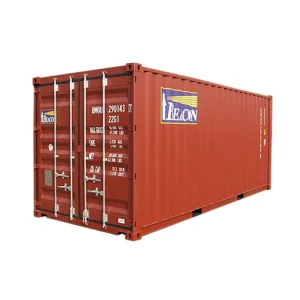
ODM 40ft New Certified Dry Shipping Container Pricelist, Exporters
View Specifications »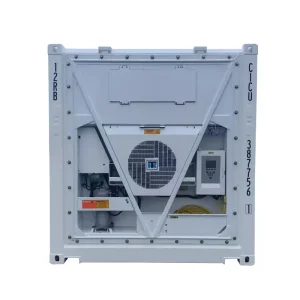
OEM 20ft Offshore Refrigerated Container DNV Certification Is More Durable
View Specifications »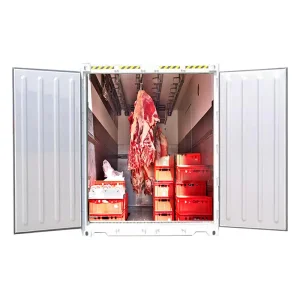
High-Quality Brand new hanging meat container for low temperature fresh transportation
View Specifications »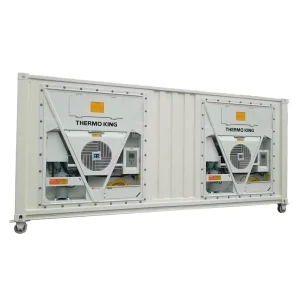
High-Quality The new blast reefer containers are certified by classification societies
View Specifications »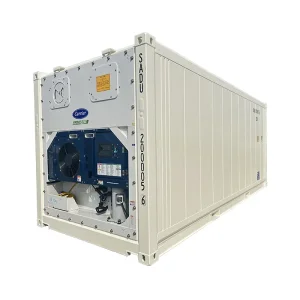
High-Quality New 40ft High Cube Carrier Refrigerator Freezer Cold Room Product
View Specifications »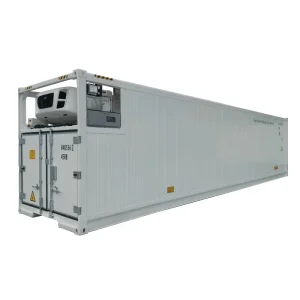
Famous New 40-foot high cube & 45-foot Belt and Road railway refrigerated container
View Specifications »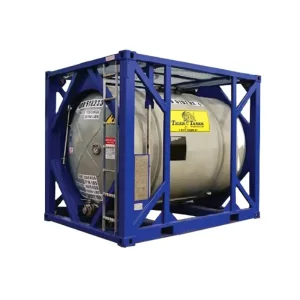
Buy New DNV Certification 10ft Offshore Tank Container Factory, Products
View Specifications »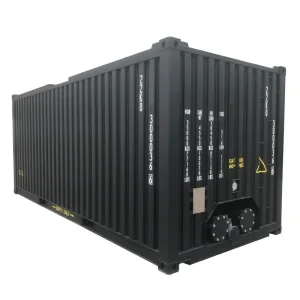
China 20 Feet Heated Shipping Asphalt Container Exporter, Manufacturers
View Specifications »
Knowledge Center
Frequently Asked Technical & Commercial Questions
Authoritative insights addressing custom fabrications, international safety protocols, multi-product compatibility, and sea-freight logistics.
What variables most directly dictate the OEM Shipping Container Tank Pricelist?
The primary cost drivers are the stainless steel grade (AISI 316L, 31803 duplex, or 304), internal surface polish requirements (standard 0.8μm Ra down to pharmaceutical-grade 0.2μm Ra), the presence of corrosive liners (PTFE, PFA, or vinyl ester), pressure rating (UN T11 vs. high-pressure T50), and the heating framework (steam channel pipes vs. direct-fire diesel burner tubes).
Can an ISO container tank transport food products and hazardous chemicals interchangeably?
No. International safety standards strictly prohibit dedicated food-grade tank vessels (certified for fruit juices, wines, potable water, or cooking oils) from carrying toxic, volatile, or dangerous chemicals under UN Orange Book rules. Once a tank is registered for chemical services, it cannot be recertified back to human consumable food-grade cargo use.
What is the standard production cycle and lead time from contract signing?
Standard ISO T11 20-foot tanks usually follow a 4 to 6-week manufacturing timeline. Complex configurations, such as DNV-certified offshore chemical containers, cryogenic T75 units, or acid tanks with PTFE liners, involve a 7 to 9-week turnaround, which includes full third-party classification society surveys and hydrostatic hold testing.
How are empty container tanks dispatched to foreign ocean discharge ports?
Because every ISO tank container is built into a standard 20ft or 40ft ISO external structural frame with verified corner castings, units can be shipped as standard empty freight boxes on any commercial containership. Alternatively, units can be loaded with initial non-hazardous cargo as 'one-trip' revenue units to offset international ocean freight costs.