
Standard & Heavy-Duty Offshore Intermodal Units
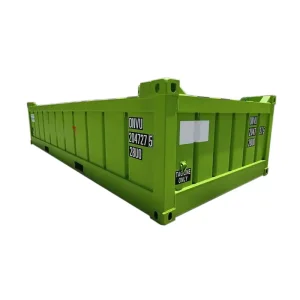
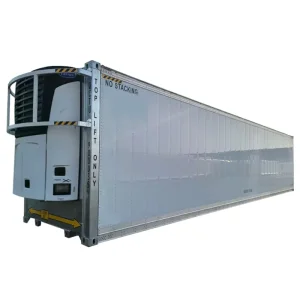
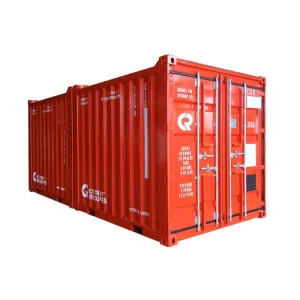
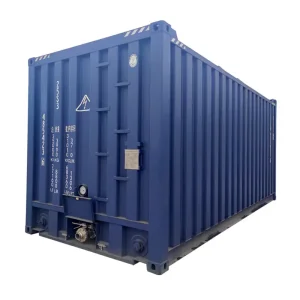
Pre-engineered, certified intermodal equipment available for global procurement and OEM build integration directly from our Tianjin manufacturing complex.
Global Commercial & Industrial Landscape of Skid Tank Containers
Understanding shifting macroeconomic pressures, intermodal efficiency metrics, and capital equipment supply dynamics across major industrial hubs.
Macro Market Overview & Supply Resilience
The global skid tank container market represents the intersection of specialized structural mechanical engineering, high-pressure metallurgy, and intermodal transport regulations. Unlike standard static storage vessels or generic dry ISO boxes, a skid tank container integrates a certified cylindrical or rectangular pressure vessel directly inside an engineered, load-bearing framework. This architectural format satisfies dual operational mandates: reliable containment of hazardous, volatile, or cryogenic media under substantial internal pressures (MAWP exceeding 4 to 22 bar), and the structural rigidity necessary to endure dynamic hoisting, rail shunt impacts, and offshore marine roll motions.
Driven by rapid chemical industry expansion across the Asia-Pacific region, renewable fuel bunkering in Northern Europe, and deepwater exploration across the Americas, the skid tank market is evolving from standardized bulk logistics toward high-spec OEM builds. Supply chain managers are transitioning away from fixed infrastructure toward modular skid solutions, allowing liquid and gaseous commodities to be shuttled seamlessly between vessel, rail car, and flatbed truck without direct transloading—drastically reducing fugitive emissions and chemical contamination risks.
Chemical Logistics Modernization
Global petrochemical networks are enforcing aggressive transitions toward closed-loop ISO tank distribution systems.
- Mandatory phase-out of non-reusable composite IBCs in Class 3, 6.1, and 8 fluid transit.
- Significant payload ratio advantages over traditional ISO drums (42% higher volume utilization per TEU footprint).
- Direct integration with automated plant discharge skids and dry-disconnect coupling assemblies.
Alternative Fuels & Energy Transition
Decarbonization is spurring immense capital expenditure in customized mobile storage modules for next-generation carriers.
- Rapid scaling of T75 cryogenic skid tanks for liquefied methane (LNG) and bio-LNG marine bunkering.
- Specialized high-pressure ASME skids designed for anhydrous ammonia (NH3) transport and green hydrogen distribution.
- Temporary battery thermal management fluid storage arrays for micro-grid deployment sites.
Total Fleet Modernization (OPEX vs CAPEX)
Global operators are abandoning single-purpose tankers in favor of standardized, intermodal OEM skid architectures.
- Extended asset lifecycle: High-grade stainless steel barrels yield up to 25 years of continuous service.
- Residual value recovery: Factory repurposing capabilities to transition tanks across varied T-code classifications.
- Multi-modal interoperability: Immediate interchangeability between container ships, road chassis, and flat wagons.
Skid Tank Container Industry Trends & Next-Gen Paradigms
How metallurgical advancements, IoT sensor networks, robotic manufacturing, and strict carbon accounting are reshaping modern tank manufacturing.
Telematics Integration & ATEX Zone 1 Edge Computing
The modern OEM skid tank container has evolved from a passive containment vessel into an active, intelligent data hub. Tier-1 manufacturers like CIMIC integrate low-power, explosion-proof IoT telematics systems rated for ATEX/IECEx Zone 1 and Zone 0 environments. These sensor nodes continuously transmit real-time telemetry over multi-orbit satellite and 5G cellular arrays, providing tracking operators and risk underwriters with uninterrupted oversight.
Key measured variables include inner shell hydrostatic head pressure, core thermal stratification, ambient temperature curves, geographic location, and real-time kinetic shock profiling. If dynamic acceleration sensors detect a shunting impact exceeding 3G forces during rail marshaling, an automated structural inspection advisory is logged into the container’s immutable digital passport, averting cataclysmic stress corrosion cracking before catastrophic containment failure occurs.
Advanced Metallurgy & Weight Reduction
By leveraging Duplex 2205, Super Duplex 2507, and lightweight high-tensile structural corten profiles, modern factory designs strip out excessive tare weight.
- Up to 14% tare weight reduction over conventional 316L designs, unlocking higher payload capacity per haul.
- Superior resistance to chloride pitting, stress corrosion cracking, and aggressive alkaline degradation.
- Optically monitored automatic electropolishing yielding internal surface roughness below Ra 0.25 µm.
Robotic Submerged Arc Welding
State-of-the-art skid tank production utilizes fully automated longitudinal and circumferential submerged arc welding (SAW) cells.
- Elimination of localized weld micro-porosity and inconsistent HAZ (Heat Affected Zone) metallurgical properties.
- Automated multi-pass tracking coupled with real-time laser profilometry for ultra-consistent root penetration.
- Mandatory 100% digital radiographic (RT) and ultrasonic (UT) inspection compliance prior to hydrostatic testing.
Green Hydrogen & Clean Fuel Adaptations
OEM factories are re-tooling production lines to construct multi-layered vacuum-insulated T75 vessels for cryogenic commodities.
- High-performance perlite and multi-layer superinsulation (MLI) achieving static daily boil-off rates (BOR) under 0.18%.
- Inner pressure vessels built with high-impact cryogenic austenitic stainless steels (304L/316L) tested down to -196°C.
- Integrated pressure build-up vaporizers and pneumatic emergency shutoff valve (ESDV) assemblies.
Localized Applications & Harsh Environment Operations
Custom-engineered skid container topologies specified for offshore deepwater platforms, extreme mining environments, and military refueling corridors.
Offshore Oil & Gas Platforms
Certifications: DNV 2.7-1 / EN 12079 / ISO 10855
Purpose-built for offshore exploration in the North Sea, Gulf of Mexico, and West African maritime fields. Vessels withstand aggressive marine salt-spray and extreme dynamic hoisting shock loads up to 3G acceleration.
- Structural skids with integrated padeyes tested to high dynamic yield points at -20°C or -40°C.
- Engineered for drilling mud additives, fracturing acids (HCl), biocides, glycols, and aviation turbine fuel bunkering.
- Four-leg certified wire rope lifting sling sets fitted with quad-rated Crosby shackle interfaces.
Remote Mining & Mineral Extraction
Deployment: Western Australia, Atacama Desert, Canadian Shield
Engineered to handle ultra-dense, highly corrosive leaching chemicals, cyanide solutions, sulfuric acid, and high-abrasion mining slurries over severe corrugated unpaved road networks.
- Reinforced baffled compartments mitigating catastrophic liquid surge forces during heavy road transport.
- Internal sacrificial coatings or high-durability fluoropolymer linings (PTFE, PFA, chlorobutyl rubber).
- High-volume gravity or compressed nitrogen-driven top/bottom cleanout discharge configurations.
Defense & Disaster Relief Micro-Grids
Compliance: STANAG, MIL-STD, UN Portable Tank T11
Self-contained, rapidly deployable fuel and potable water replenishment skids designed for rapid air transport (C-130/C-17 loadable) or tactical flatbed tactical trucks (DROPS/LHS).
- Integrated explosion-proof diesel fuel dispensing pumps, mechanical flow meters, and filtration skids.
- Heavy-duty bullet-resistant and shrapnel-deflecting external armor cladding options.
- Dual-compartment inner tank designs for simultaneous storage of jet fuel (JP-8) and ultra-low sulfur diesel.
High-Purity Food, Pharma & Cryogenics
Sanitary Codes: 3-A Sanitary, FDA Title 21, ASME BPE
Optimized for food-grade potable liquids, premium distilled spirits, liquid glucose, active pharmaceutical precursors, and liquid nitrogen/argon distribution corridors.
- Ultra-sanitary weld executions without internal crevices; fully cleanable via multi-nozzle 360° CIP spray systems.
- Steam-heating channels or high-efficiency electrical glycol tracing jackets maintaining critical viscosities.
- Micro-filtered aseptic breather vents and inert nitrogen blanket pressurization ports to eliminate oxidation.
Technical Roadmap, Design Codes & Sizing Parameters
Direct mechanical engineering criteria, materials selection guidelines, and operational limits for chemical, offshore, and cryogenic skid tank applications.
Structural Skid Design vs Pressure Vessel Interaction
A skid tank container relies on precise structural load distribution between the internal pressure vessel and the surrounding structural perimeter frame. Under ISO 1496-3 and ASME Section VIII rules, the cylindrical barrel is engineered to manage membrane and hoop stresses caused by internal liquid head pressure and vapor pressure. Concurrently, the external framework—fabricated from high-tensile rectangular hollow sections (RHS) and hot-rolled corner castings—must absorb racking, longitudinal shunting forces, and dynamic diagonal lifting torsions without transferring catastrophic bending moments into the pressure vessel shell.
| Parameter / Specification | UN Portable Tank T11 (Liquid Chemical) | DNV 2.7-1 Offshore Chemical Skid | UN Portable Tank T50 (LPG/Ammonia) | UN Portable Tank T75 (Cryogenic) |
|---|---|---|---|---|
| Nominal Gross Capacity | 14,000L – 26,000L | 4,000L – 10,000L | 18,000L – 24,500L | 20,000L – 22,500L |
| Max Allowable Working Pressure (MAWP) | 4.0 bar (58.0 psi) | 4.0 – 6.0 bar (58 – 87 psi) | 15.0 – 22.0 bar (217 – 319 psi) | 10.0 – 22.0 bar (145 – 319 psi) |
| Design Code Compliance | ASME VIII Div 1, IMDG, ADR/RID | DNVGL-ST-E271, EN 12079, ISO 10855 | ASME VIII Div 1, DOT 51, IMDG | ASME VIII, ADR/RID, TPED, IMDG |
| Primary Shell Metallurgy | S31603 (316L) / 1.4404 / 304L | 316L Stainless / Duplex 2205 | SA-612 / SA-516 Gr. 70 Carbon Steel | Austenitic 304L / 316L Inner Shell |
| Skid Frame Construction | Corten Steel (SPA-H) Structural RHS | Low-Temp Impact Steel (-20°C/-40°C) | Heavy-Duty Corten Full Perimeter | Full Perimeter ISO Crane Protected Skid |
| Thermal Insulation Option | 50mm Rockwool + GRP/Aluminum Clad | Optional Thermal Blanket / Bare | Polyurethane Sunshield Enclosure | High-Vacuum Multi-Layer Superinsulation |
| Discharge Configuration | Triple Closure Bottom Footvalve | Top Discharge or Reinforced Bottom | Liquid & Vapor Phase Equalizing Lines | Cryogenic Submerged Globe & Regulators |
Technology Roadmap: 2025–2030 OEM Milestone Execution
Robotic SAW & Digital X-Ray
100% digital radiographic scans with automated AI fault classification, reducing defect rates in welds down to less than 0.02%.
Cellular/Satellite Hybrid Edge
Mandatory factory-integrated ATEX Zone 1 telemetry monitoring pressure, temperature, fill-level, and dynamic 3-axis shock detection.
Super Duplex & Composites
Integration of Duplex alloys and carbon fiber perimeter framework crossbars, delivering a 20% payload gain across cross-border freight routes.
Hydrogen & Liquid CO2 Scale
Standardized, serial OEM production lines for modular LH2 and high-capacity LCO2 skid tanks powering the carbon capture value chain.
Factory OEM Capabilities & Quality Control Systems
A look inside CIMIC's Tianjin & Suzhou manufacturing infrastructure: from plate rolling to chemical passivation and dynamic load verification.
The 6-Stage Zero-Defect OEM Engineering Lifecycle
Manufacturing mission-critical skid tank containers requires strict operational governance at every step. Operating approximately 100 kilometers from the Xingang deepwater seaport in Tianjin, our heavy fabrication bays process thousands of metric tons of specialized alloy steels annually. We adhere to ASME Section VIII Div 1 'U' Stamp protocols, DNV offshore container certification routines, and ISO 9001:2015 quality management procedures.
Material Ingress & Spectrometry
Every structural beam, dish end blank, and shell plate undergoes positive material identification (PMI) using optical emission spectrometers before fabrication.
- Full traceability with original mill test certificates (MTC) matching EN 10204 3.1 or 3.2 specifications.
- Charpy V-Notch impact testing down to -40°C to guarantee offshore cold-weather toughness.
Precision Forming & Welding
Shell plates are rolled using 4-roll CNC hydraulic pinch rolls, and heads are formed via deep dishing and automated spinning machines.
- Circumferential and longitudinal seam joining via high-precision twin-wire submerged arc welding.
- WPS, PQR, and welder certifications verified by Bureau Veritas (BV) and DNV surveyors.
Non-Destructive Testing (NDT)
Weld integrity is validated using multiple non-destructive examination methods before frame fit-up.
- 100% digital radiographic testing (RT) covering main circumferential and longitudinal butt welds.
- Magnetic particle (MPI) and liquid dye penetrant testing (PT) on all fillet welds and padeye joints.
Skid Structural Assembly
The tank vessel is positioned within a high-strength structural framework inside CNC positioning jigs to guarantee dimensional tolerances within ±2mm.
- Corner castings adhere strictly to ISO 1161 geometry for intermodal twistlock safety.
- Robotic welding ensures uniform load distribution across diagonal reinforcement members.
Passivation & Surface Treatment
To resist harsh marine and chemical environments, internal surfaces undergo acid pickling and electro-chemical passivation.
- Ferroxyl testing verifies the complete removal of free iron particles and uniform oxide film growth.
- External steelwork receives an SA 2.5 blast profile and multi-coat high-build epoxy-polyurethane paint.
Proof Testing & Commissioning
Completed assemblies undergo full-scale proof testing witnessed by third-party classification societies.
- Hydrostatic testing at 1.5× the Maximum Allowable Working Pressure (MAWP) for at least 30 minutes.
- Dynamic offshore multi-point drop tests, 2.5× gross weight lifting tests, and vacuum seal testing.
Skid Tank Containers: Frequently Asked Questions
Comprehensive engineering, regulatory, and procurement answers for chemical asset directors, fleet operators, and hazardous logistics specialists.
What distinguishes a standard ISO tank container from a skid tank container?
While an ISO tank container is engineered primarily for commercial intermodal freight across container ships, rail cars, and skeletal road trailers within standard ISO 668 envelope profiles (typically 20ft or 40ft), a skid tank container integrates a certified pressure vessel into a ruggedized, reinforced base frame or dynamic offshore structure. Skid tanks frequently incorporate operational machinery directly on the base—such as explosion-proof dispensing pumps, vapor recovery assemblies, metering units, and nitrogen blanketing circuits. Furthermore, offshore skid tanks are built to comply with DNV 2.7-1, EN 12079, and ISO 10855 standards, allowing them to withstand substantial vertical and diagonal dynamic hoisting forces up to 3G during ship-to-platform transfers in open seas.
Which international design codes and certifications govern your OEM tank manufacture?
Our OEM manufacturing lines in Tianjin and Suzhou build to all leading international standards depending on the client's destination market and cargo classification. Key certifications include:
- Pressure Vessels: ASME Section VIII Division 1 ('U' Stamp), EN 14025, and Chinese GB150 standards.
- Intermodal Transport: UN Portable Tank (T-Codes T11 through T75), IMDG Code, US DOT 51, RID (European rail), and ADR (European road).
- Marine & Offshore Skids: DNV 2.7-1 (Standard for Certification No. 2.7-1 Offshore Containers), EN 12079, ISO 10855, and CSC (International Convention for Safe Containers).
- Independent Verification: Third-party witness and stamp verifications provided by Bureau Veritas (BV), Lloyd's Register (LR), and DNV.
How does CIMIC prevent galvanic corrosion and pitting in corrosive chemical service?
Corrosion mitigation begins with material selection. We source low-carbon austenitic stainless steels (316L / 1.4404) and specialized Duplex steels (2205 / 2507) with strict control over nickel, molybdenum, and chromium content. During manufacturing, full pickling and chemical passivation remove free surface iron and re-establish a continuous chromium oxide passive layer. We conduct ferroxyl surface checks to confirm passivation integrity. For aggressive halogen acids (such as 37% hydrochloric acid) or hazardous mining reagents, our facilities apply specialized internal fluoropolymer linings, including PTFE, PFA, ECTFE, and chlorobutyl rubber, mechanically bonded and spark-tested at up to 20,000 volts to verify zero pinhole porosity.
Can you engineer dual-compartment or internally baffled custom skid tanks?
Yes. Custom OEM engineering makes up more than 60% of our production volume. Our technical engineering division models custom multi-compartment vessels using finite element analysis (FEA) to ensure each compartment maintains its pressure integrity even during single-chamber discharge. Where dynamic stability is paramount, we install removable or permanently seal-welded surge baffles meeting ADR/RID requirements (ensuring no unbaffled liquid volume exceeds 7,500 liters). This minimizes dangerous forward and lateral sloshing during high-speed transit and sudden emergency braking maneuvers.
What are the factory lead times, inspection access, and logistics from Tianjin to major ports?
Standard OEM production lead times typically range from 6 to 10 weeks following engineering drawing sign-off and material mill certificate validation. Clients and third-party inspectors (such as SGS, BV, or TÜV) have unrestricted access to our facilities for hold-point verification during fit-up, root pass welding, non-destructive radiographic testing, and final hydrostatic proof testing. Strategically located in Tianjin and Suzhou, approximately 100 kilometers from the Xingang seaport, our finished units can be hauled quickly to maritime export terminals, keeping port transit schedules predictable and minimizing inland drayage costs for shipments across Africa, Europe, the Americas, and Oceania.
Specialty Intermodal, Tank & Cryogenic Containers
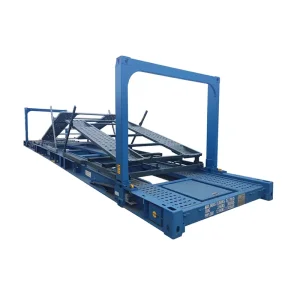
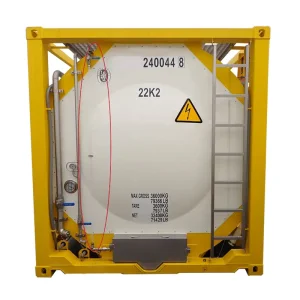
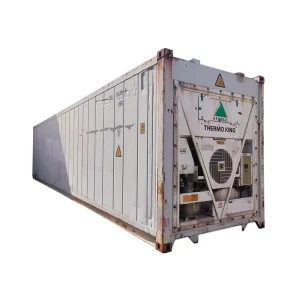
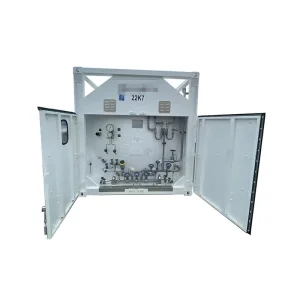
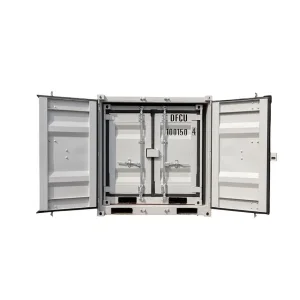
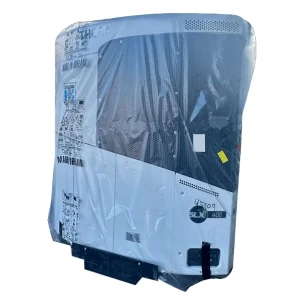
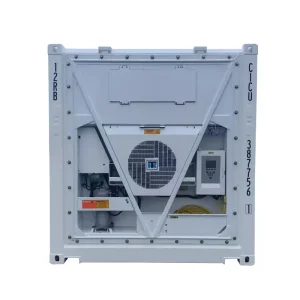
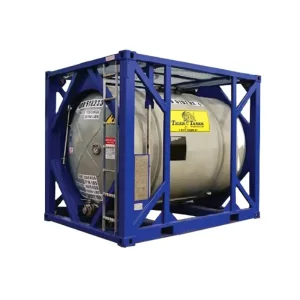
Explore our certified portfolio of alcohol-grade ISO tanks, cryogenic T75 pressure vessels, car carriers, and compact offshore modules.
Engineering Procurement Best Practices & Quality Audit Guide
A procurement blueprint for selecting reputable skid container manufacturers and avoiding high-risk fabrication oversights.
Managing Sourcing Risk for Custom Skid Containers
Purchasing specialized industrial containers from overseas manufacturers requires technical due diligence beyond reviewing basic price quotes. Flaws in skid container construction can cause micro-leakage of hazardous media, stress corrosion cracking under dynamic cyclic loading, and costly customs detentions caused by non-compliant documentation. Global procurement directors should demand verifiable mill test certificates matching heat numbers stamped directly on the shell plates, alongside WPS/PQR weld logs certified by independent classification bodies.
Our manufacturing complex at Tianjin Cimic Imp&Exp Co., Ltd. provides comprehensive transparency for overseas buyers. Each production batch includes a digital verification dossier containing positive material identification logs, weld radiographic films, hydro-test pressure charts, paint dry-film thickness (DFT) readings, and third-party classification approvals from BV, DNV, or ISO. This meticulous compliance protocol ensures that units delivered to Rotterdam, Houston, Durban, or Dampier transition straight into active service without regulatory hurdles.
Verify ASME / DNV Survey Credentials
Always verify whether the manufacturing facility holds legitimate ASME Section VIII 'U' stamps or current DNV manufacturer accreditations rather than merely using compliant designs without active audit certification.
Validate Valve & Gasket Metallurgy
Ensure that all primary footvalves, safety relief valves, bursting discs, and manlid seals are sourced from certified manufacturers (such as Fort Vale or Perolo) and match your target chemical cargo compatibility.
Evaluate Proximity to Deepwater Seaports
Prioritize manufacturers located within short distances of major deepwater container ports. Operating within 100km of Tianjin Port keeps our inland haulage schedules predictable and protects heavy skid containers from road-transit wear before export.